
 By admin
The landscape of modern travel has undergone a radical transformation, moving from a mere logistical necessity to a curated experience where comfort and efficiency are paramount. Central to this evolution is the proliferation of travel credit cards, which have transitioned from simple payment tools to comprehensive membership platforms. There’s no shortage of great perks you can get with a travel credit card, especially with several solid options currently on the market that cater to everyone from the occasional vacationer to the weekly business traveler. Premium travel cards can shield you from risks with travel and rental car insurance and provide benefits like airport lounge access and travel-focused annual statement credits. If you’re curious about some of the travel perks you can access with a credit card, we have you covered with an in-depth analysis of the current market leaders and the tangible value they provide.

The most visible and sought-after benefit of the premium credit card tier is undoubtedly airport lounge access. In an era where airport terminals are increasingly crowded and chaotic, lounges offer a sanctuary to relax and refuel while you wait for your flight. Nowadays, several premium travel cards give you access to these lavish lounges, which often feature complimentary high-end catering, open bars, high-speed Wi-Fi, and sometimes even spa services or shower suites. The Capital One Venture X Rewards Credit Card has emerged as a major disruptor in this space, offering complimentary access to the growing network of Capital One Lounges. Beyond the physical lounge access, the card provides significant long-term value, such as 10,000 bonus miles every account anniversary, which effectively offsets a portion of the annual fee.
For new cardholders, the entry point is particularly lucrative. New account holders can earn 75,000 bonus miles after spending $4,000 on purchases in the first three months from account opening. To put this in perspective, based on TPG’s February 2026 valuations, this offer is worth approximately $1,388. This valuation is derived from the flexibility of Capital One miles, which can be transferred to various airline and hotel partners, often yielding a value of roughly 1.85 cents per mile. Alternatively, the Chase Sapphire Reserve® remains a titan in the industry. It offers an expansive lounge network through a Priority Pass Select membership, which grants access to over 1,300 lounges worldwide. Furthermore, cardholders have exclusive access to Chase’s growing network of Chase Sapphire Lounges by The Club, which have set a new standard for domestic lounge quality in cities like Boston and New York. The current welcome offer for the Sapphire Reserve is exceptionally high: 125,000 bonus points after spending $6,000 on purchases in the first three months of account opening. Based on February 2026 valuations, this offer is worth a staggering $2,563, largely due to the 1.5-cent-per-point redemption floor when booking through Chase Travel.

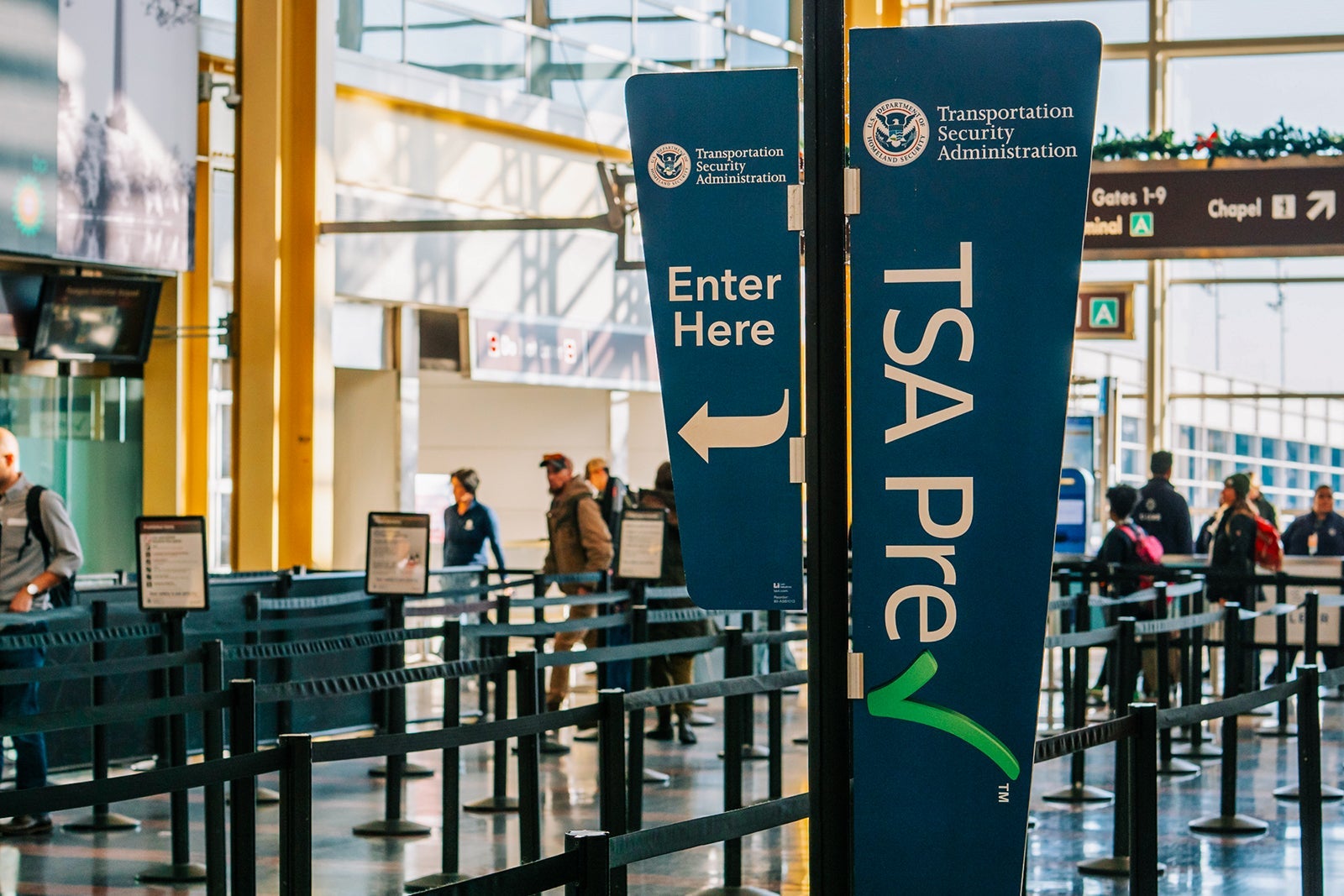
While lounge access addresses the comfort of the wait, expedited security programs address the friction of the airport experience itself. TSA PreCheck and Global Entry are government-sponsored programs that give you expedited screening at U.S. airports. TSA PreCheck, priced at $85, allows travelers to keep their shoes, belts, and light jackets on and leave laptops and liquids in their bags. Global Entry, priced at $120, includes TSA PreCheck and provides an accelerated customs clearance process when returning to the U.S. from abroad. If you’re eligible, it’s best to pay extra for Global Entry, as the comprehensive benefits cover both domestic and international needs. Many mid-tier and premium cards now offer statement credits to cover these fees.
The Capital One Venture Rewards Credit Card is a standout for those seeking these benefits without a massive annual fee. For a $95 annual fee, you’ll enjoy a credit of up to $120 for Global Entry or TSA PreCheck, essentially making the card "free" for the first year if you were already planning to apply for these programs. The Venture Rewards card also offers at least 2 miles per dollar spent on every purchase, providing a simple, high-earning structure for those who dislike memorizing complex bonus categories. Another card offering similar utility is the Bank of America® Premium Rewards® credit card, which provides a TSA PreCheck/Global Entry statement credit of up to $100 every four years. While this may not cover the full $120 for Global Entry, it significantly reduces the out-of-pocket cost. For travelers looking to bypass even the TSA PreCheck line, CLEAR Plus uses biometrics to move you to the front of the security kiosks. The American Express® Green Card provides up to $189 each calendar year for a CLEAR Plus membership, a benefit that covers the entire annual cost of the service.
Beyond the airport, travel credit cards provide essential financial safeguards, particularly regarding rental car insurance. Some of the best travel rewards cards provide primary rental car insurance that may allow you to decline a rental company’s collision damage waiver (CDW), which can cost $20 to $50 per day. It is crucial to distinguish between primary and secondary coverage; secondary coverage only kicks in after your personal auto insurance is exhausted, whereas primary coverage pays out first, protecting your personal insurance premiums from rising after an incident. The Chase Sapphire Reserve and the Chase Sapphire Preferred® Card are two valuable cards that offer primary rental car insurance on most rentals. The Sapphire Preferred, with its $95 annual fee, is often cited as the gold standard for travel beginners, offering a $50 annual hotel credit for stays booked through Chase Travel. The Sapphire Reserve caters to the high-end market with a $300 annual travel credit that is automatically applied to a broad range of travel expenses, effectively bringing the net cost of the card down significantly.
International travelers must also consider the hidden costs of spending abroad. Many basic credit cards charge a 3% foreign transaction fee, which can add hundreds of dollars to the cost of an international vacation. Cards like the Sapphire Preferred and the Venture Rewards have no foreign transaction fees, allowing you to make purchases worldwide with the same ease as at home. For small business owners, the Ink Business Preferred® Credit Card is an excellent choice for international operations, offering no foreign transaction fees and 3 points per dollar on the first $150,000 spent in combined categories including travel, shipping, and advertising.

The "peace of mind" factor is further bolstered by robust travel insurance suites. Travel insurance is a small thing that can prevent a big hassle should something go wrong on your next trip. The Sapphire Reserve provides some of the best built-in protections in the industry, including trip cancellation/interruption insurance and trip delay reimbursement, which covers expenses like meals and lodging if your flight is delayed by more than six hours or requires an overnight stay. Frequent flyers of specific carriers might find even more value in premium airline-branded cards. The United Club℠ Card, for instance, offers great value for frequent United Airlines flyers by combining United Club lounge access with essential travel insurance to help mitigate the risks of lost luggage or cancelled flights.
For many, the cost of checked bags is a significant deterrent to air travel. Most cobranded airline credit cards offer complimentary checked bags for the primary cardholder and companions on the same reservation. The Delta SkyMiles® Gold American Express Card and the United℠ Explorer Card both offer the first checked bag for free. Given that many airlines now charge $35 or more for the first checked bag, a family of four can save $280 on a single round-trip flight, easily justifying the annual fees of these cards. The United Explorer Card adds further value by providing two annual United Club passes, a feature that TPG experts like Olivia Mittak find invaluable for occasional lounge visits when flying United.
Loyalty is also rewarded through elite status, a perk primarily found with hotel credit cards. Holding the right card can instantly grant you late checkout, room upgrades, and bonus points on stays. The Marriott Bonvoy Boundless® Credit Card is a prime example for Marriott enthusiasts. New cardholders can currently earn five free night awards (valued at up to 50,000 points each) after meeting spending requirements, an offer worth up to $1,850 according to TPG valuations. The card includes Marriott Bonvoy Silver Elite status, which provides a 10% points bonus on stays and priority late checkout. Similarly, the World of Hyatt Credit Card offers World of Hyatt Discoverist status and a path to earning higher tiers through spending. New holders can earn up to five free nights at Category 1-4 Hyatt hotels, which include high-value properties in major metropolitan areas.
Finally, the benefits of these cards extend into everyday life through purchase and cellphone protection. Most top-tier travel cards, like the Sapphire Reserve and the Capital One Venture X, offer purchase protection that covers the cost of items in the event of loss, theft, or damage within a certain window after purchase. Cellphone protection has also become a popular "hidden" perk. The Chase Freedom Flex®, a no-annual-fee card, covers up to $800 per claim and $1,000 per year in cellphone protection if you pay your monthly bill with the card. The Wells Fargo Active Cash® Card offers up to $600 of protection against damage or theft, subject to a small deductible. These cards prove that you don’t always need a high annual fee to get substantial protection for your most valuable devices.

In conclusion, while some of these perks aren’t the most eye-catching—and you probably won’t get a new credit card solely because it offers something like cellphone protection—these lesser-known benefits can provide long-term value and should be a significant factor in your decision on your next card. The strategic traveler looks beyond the welcome bonus to the "long tail" of benefits that protect their finances and enhance their journey. You never know when something like travel or rental car insurance will come in handy, turning a potential travel disaster into a minor inconvenience. By understanding the full suite of benefits offered by the current market leaders, consumers can ensure they are not just spending money, but investing in a more secure and comfortable lifestyle.