
 By Lina Irawan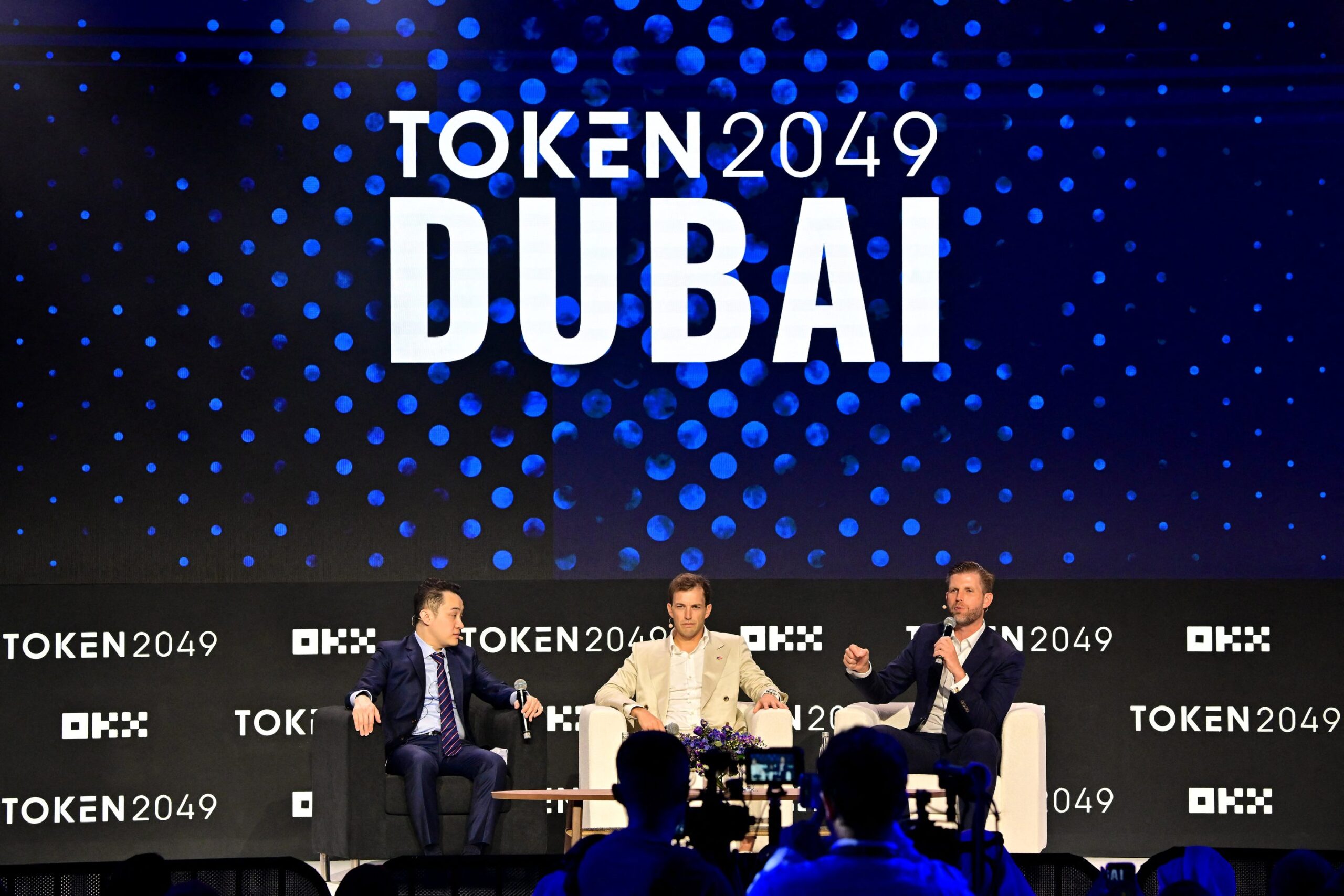
In a bold declaration that underscores the resilience and perhaps the audacious optimism of the global cryptocurrency industry, organizers of Token2049 Dubai have confirmed that one of the year’s largest and most anticipated crypto conferences will proceed as planned this spring. This unwavering commitment comes despite a dramatic and concerning escalation of geopolitical tensions across the Middle East, casting a long shadow over international travel and major events in the region. The decision sets Token2049 apart from several other high-profile gatherings that have opted for postponement or outright cancellation, positioning the conference as a significant litmus test for both Dubai’s enduring appeal as a global hub and the crypto sector’s ability to navigate profound external challenges.
"Token2049 Dubai remains scheduled as planned and preparations continue in full as we build toward the event at the end of April," stated an event spokesperson in a direct communication to Fortune, reaffirming the organizers’ resolve. The statement further highlighted the robust pre-event momentum, noting, "Registrations track toward a sold-out event, and the exhibition floor is already fully secured. Preparations with our venue and partners continue as planned." This confident assertion suggests that, at least from an organizational and commercial standpoint, the wheels are firmly in motion, with significant financial and logistical commitments already made. The implication is clear: the show, in the organizers’ view, must and will go on.
This firm stance by Token2049 is particularly striking when viewed against the backdrop of other events in the region that have succumbed to the pressures of instability. The Megacampus Summit, an entrepreneurship and innovation conference typically hosted across Dubai and Abu Dhabi, made the pragmatic decision to postpone its event from March to September, citing an abundance of caution regarding the volatile environment. Similarly, an ATP tennis tournament scheduled for last week in Dubai was abruptly canceled, reportedly due to travel complications and security concerns that left top players, including Daniil Medvedev, temporarily stranded in the region. These cancellations reflect a broader trend among event planners and international organizations to prioritize safety and mitigate risks in a rapidly shifting geopolitical landscape, making Token2049’s steadfastness all the more remarkable.
The recent period has seen the Middle East plunged into an intensified cycle of conflict, with direct repercussions felt even in seemingly secure urban centers like Dubai. Just last week, following retaliatory strikes in the ongoing conflict, reports emerged of Dubai’s main international airport experiencing partial damage from a suspected airstrike. Further compounding anxieties, missile debris reportedly struck the upscale Palm Jumeirah, a man-made island famed for its luxury hotels and residences, injuring four individuals. These incidents shattered the perception of Dubai as an insulated sanctuary, prompting heightened security alerts and raising serious questions about the safety of international travel and large public gatherings. The U.S. State Department, alongside other foreign offices, had updated travel advisories for the region, cautioning citizens about potential risks and the need for vigilance. In the aftermath of these events, several American citizens found themselves temporarily stuck in Dubai, reporting difficulties in securing assistance for departure, further highlighting the logistical challenges posed by such sudden escalations.
For a global conference like Token2049, which relies heavily on international attendees and speakers, such incidents are not mere distant headlines but direct threats to its operational viability and appeal. The organizers’ hope that the conflict will subside by the end of April, when the conference is scheduled, is a crucial underlying assumption. However, the nature of geopolitical conflicts is inherently unpredictable, and de-escalation is rarely a linear process. This uncertainty has undoubtedly influenced some participants, as several speakers slated to appear at Token2049 Dubai declined to comment when asked if they were still planning on attending. Their silence could be interpreted as a cautious "wait-and-see" approach, an unwillingness to commit publicly amidst evolving circumstances, or even an indication of genuine personal safety concerns or corporate travel policy restrictions. For high-profile individuals and their associated organizations, the reputational and logistical risks of attending an event in a potentially unstable region are significant.
Token2049 Dubai is far from an ordinary industry gathering; it is consistently hailed as one of the biggest and most influential crypto events of the year, drawing a diverse array of founders, investors, developers, media, and enthusiasts from across the globe. Its significance is amplified by its speaker lineup, which often features prominent figures whose presence alone can draw thousands. This year’s roster includes notable personalities such as Eric Trump, son of former U.S. President Donald Trump, whose family has recently ventured into the NFT space; Shayne Coplan, CEO of Polymarket, a leading decentralized prediction market platform; and Paolo Ardoino, CEO of Tether, the issuer of the world’s largest stablecoin, USDT, whose insights are critical for understanding global crypto liquidity and stability. The attendance of such figures underscores the conference’s perceived importance and its role in shaping industry narratives and facilitating key connections.
Dubai’s emergence as a premier host for such a pivotal event is no accident. Over the past few years, the Emirate has aggressively positioned itself as a global hub for Web3 and digital assets, leveraging its progressive regulatory environment, tax incentives, and strategic geographical location. The Dubai Virtual Assets Regulatory Authority (VARA), established in 2022, has been instrumental in creating a dedicated legal framework for virtual assets, attracting major crypto firms and talent. This forward-thinking approach, coupled with world-class infrastructure, luxury accommodations, and a vibrant expatriate community, has made Dubai an attractive destination for blockchain innovation, bridging the gap between Eastern and Western markets. Events like Token2049 are not just conferences; they are pillars of Dubai’s broader economic diversification strategy, designed to solidify its status as a financial and technological powerhouse beyond oil. The decision to proceed, therefore, is also a powerful statement about Dubai’s commitment to this strategy, even in challenging times.
The previous iteration of Token2049 in Dubai provides a glimpse into the scale and ambition of the event. Last year, the conference attracted over 15,000 attendees, transforming the luxurious Madinat Jumeirah Resort into what organizers described as an "extraordinary, festival-like environment." This included unique attractions such as a zipline descending from an 18-meter tower, symbolizing the innovative and often extravagant spirit of the crypto industry. Such elaborate setups require immense logistical planning, significant financial outlay, and a high degree of confidence in the host city’s stability and capacity. The aspiration to recreate or even surpass this experience in the current climate adds another layer of complexity and risk to the organizers’ endeavor.
The determination to press ahead with Token2049 Dubai is more than just an organizational decision; it is a profound test of resilience for the global events industry and a powerful indicator of the crypto community’s unwavering belief in its own future. In a world increasingly shaped by geopolitical volatility, the ability of major international gatherings to convene safely and effectively becomes a barometer for global stability. Should Token2049 succeed in delivering a successful event despite the regional challenges, it would send a strong message about the adaptability of the crypto sector and Dubai’s enduring capacity to host world-class events. Conversely, any significant disruption or low attendance could reverberate through the industry, potentially altering future event planning and investment strategies in the region.
As April approaches, all eyes will be on Dubai. The unfolding situation will not only determine the fate of Token2049 but will also offer critical insights into the delicate balance between global business aspirations and the unpredictable realities of international geopolitics. For the crypto world, already accustomed to extreme volatility, Token2049 Dubai represents a different kind of high-stakes gamble – one that pits the ambition of innovation against the stark realities of regional conflict. The outcome will undoubtedly be scrutinized, shaping perceptions of both the industry and its chosen global hubs for years to come.