
 By admin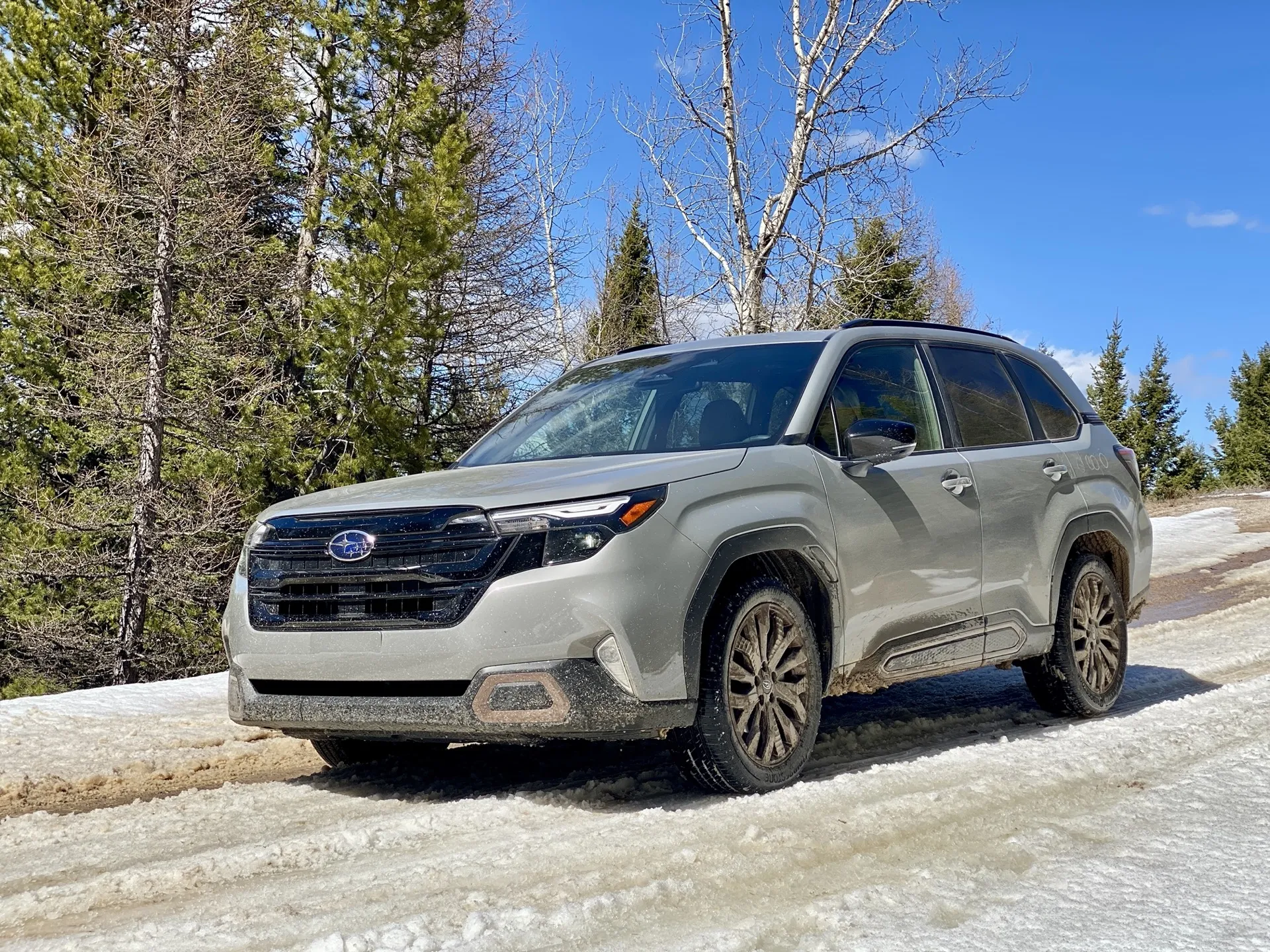
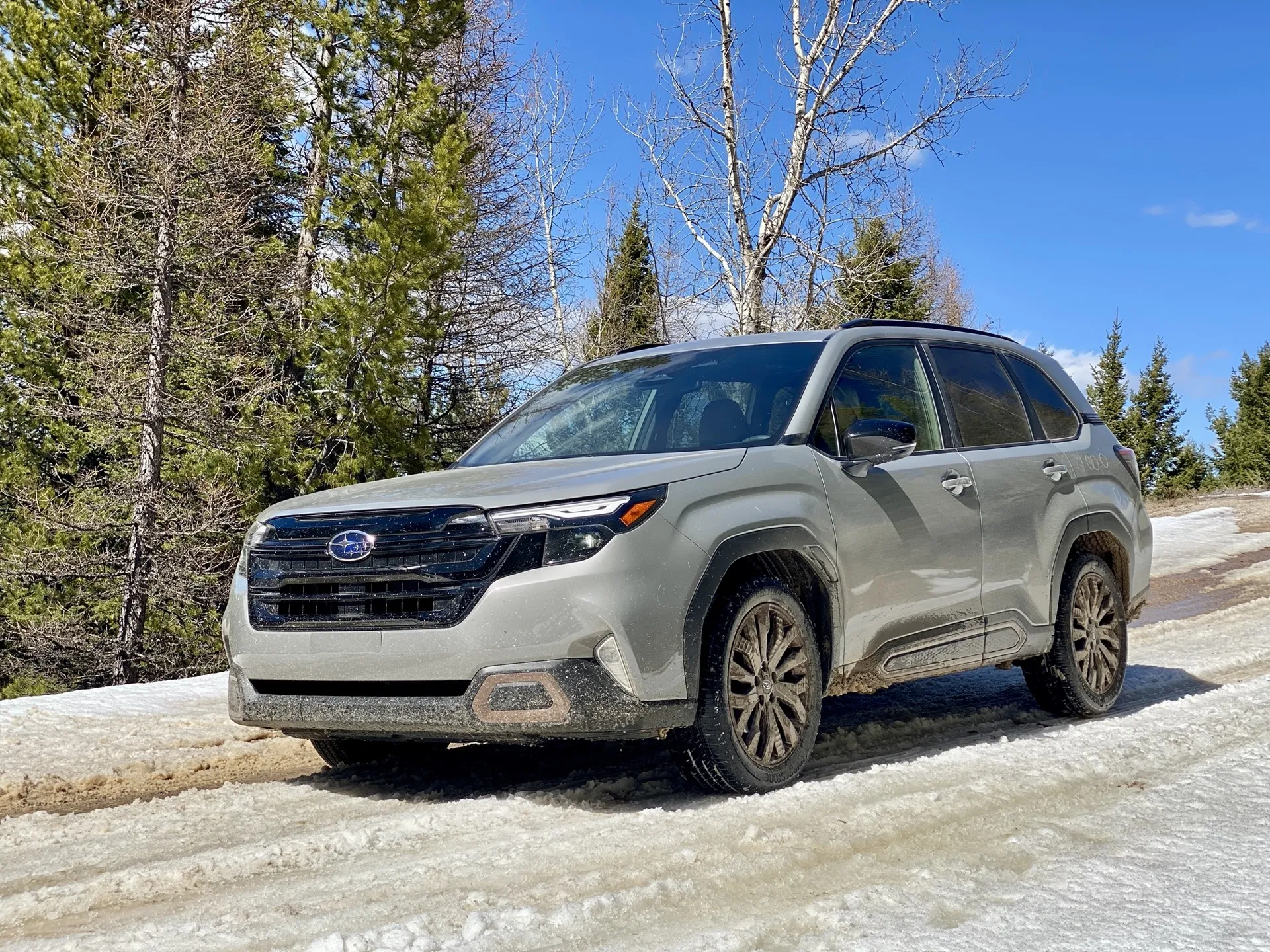
Subaru’s ascent to the most reliable car brand position is a testament to its steadfast adherence to a philosophy of incremental refinement and proven engineering. While rivals pursued aggressive redesigns and rapid technological integration, Subaru adopted a more conservative approach, prioritizing the meticulous evolution of existing platforms and components. This strategy, which historically underpinned Toyota’s long-standing dominance, involves making measured updates with parts and systems that have already demonstrated their robustness across various models within the Subaru lineup. The upcoming 2025 Subaru Forester, for instance, exemplifies this cautious yet effective design philosophy, focusing on refinement rather than revolutionary changes. This calculated conservatism, ironically, had drawn criticism for Toyota in the past for being perceived as too slow to innovate, a perception it has since dramatically altered.
Toyota, once the benchmark for automotive reliability, has embarked on an ambitious and comprehensive brand overhaul in recent years. Beginning with the redesigned 2022 Toyota Tundra pickup truck, the company has systematically refreshed nearly every model across its expansive portfolio, encompassing sedans, crossover SUVs, trucks, and sports coupes. This aggressive product offensive culminated with the highly anticipated 2025 Toyota 4Runner SUV, a vehicle that had remained largely unchanged since its last significant redesign in 2010. The span of 15 years represents an eternity in automotive technology and design, making the overhaul of the 4Runner particularly significant.
A key aspect of Toyota’s widespread redesigns, especially within its SUV and truck segments, has been the strategic shift towards more efficient, smaller displacement turbo and hybrid engines. These advanced powertrains are increasingly replacing the larger, emissions-endangered V-8 engines that had long been the workhorses of Toyota’s robust lineup. While these new engines offer improved fuel economy and reduced emissions, they also introduce a higher degree of complexity. The inherent nature of introducing new technologies, particularly in critical powertrain components, often correlates with a greater propensity for initial problems. As the automotive adage goes, "New cars usually mean new problems," and Toyota’s experience with its latest generation of vehicles appears to validate this observation.
In stark contrast, Subaru has largely maintained its commitment to its horizontally opposed "flat-4 boxer engine" across much of its core lineup, as seen in popular models like the Subaru Crosstrek. This engine design, a hallmark of the brand, has undergone continuous, subtle improvements over decades, contributing significantly to its proven reliability. Furthermore, Subaru has been notably cautious in its embrace of electrification, with the notable exception of the Subaru Solterra electric crossover, which was developed through a partnership with Toyota. This limited foray into new, complex electric vehicle (EV) technology has allowed Subaru to sidestep many of the nascent reliability challenges currently faced by brands more aggressively pursuing electrification.
Consumer Reports’ annual survey is a comprehensive and authoritative assessment of vehicle reliability, drawing data from an extensive pool of owners and supplementing it with rigorous internal testing. The survey encompasses hundreds of thousands of vehicles, spanning a wide range of model years from 2000 to 2024. Its methodology is meticulous, probing 20 specific "pain points" that owners might experience within the preceding 12 months. These issues range from major mechanical failures, such as transmission and electric motor problems, to concerns related to climate controls and the increasingly complex realm of in-car electronics. Among these, touchscreen interfaces and infotainment systems have consistently emerged as a significant source of frustration for many new car owners, highlighting the challenges of integrating advanced digital technology seamlessly into the driving experience.
To derive a brand’s overall reliability score, Consumer Reports meticulously factors in the reported problems for each individual model within that brand’s portfolio. In Subaru’s case, the Solterra EV stands as the sole model with a predicted reliability score falling below average. The predicted reliability score itself is an average derived from a model’s performance over the past three years, provided the model has not undergone a significant redesign during that period. This nuanced approach ensures that the rankings reflect consistent performance rather than temporary fluctuations caused by new product launches.
Toyota’s overall reliability rating was notably impacted by several models receiving below-average scores. The redesigned Tundra, the new Tacoma midsize pickup truck, and the bZ4X EV (which shares its platform with the Subaru Solterra) all contributed to this decline. The Tundra, in particular, has faced significant challenges since its 2022 redesign, accumulating ten recalls. These issues culminated in a costly and extensive decision by Toyota in July to replace more than 100,000 twin-turbo 3.5-liter V-6 engines in the 2022-2023 Tundra and its luxury counterpart, the Lexus LX. While Consumer Reports clarifies that recalls, in themselves, do not directly harm a brand’s reliability rating, persistent and widespread problems underlying these recalls undoubtedly do. The repeated occurrence of significant issues, even if addressed by recalls, indicates a fundamental challenge in the initial design or manufacturing process.
Despite these recent setbacks in its new SUV and truck lineup, Toyota still managed to secure an impressive third place, with Lexus ranking second, among the 22 brands included in the reliability assessment. This indicates that while their top-tier dominance has been challenged, the underlying quality and engineering prowess that defined these brands for decades still largely hold true for many of their established models. It’s also important to note that 15 brands, including notable names like Ram and Porsche, were not included in the final rankings due to insufficient data from owners, typically because they produce fewer models or have lower sales volumes.
Jake Fisher, senior director of Consumer Reports’ Auto Test Center, emphasized the critical importance of looking beyond brand-level rankings. "While brand rankings can guide you to the showroom, it is critical to look at reliability for specific models before making a purchase decision," Fisher stated. "Even within high-ranking companies, there can be significant variation in reliability." This expert advice underscores that consumers should conduct thorough research on specific trims and model years, especially when considering vehicles that have recently undergone major redesigns or introduced new technologies.
The broader landscape of automotive reliability reveals a continuing trend: Asian brands, particularly those from Japan, generally outperform their German and domestic counterparts. This consistent performance can be attributed to a deeply ingrained culture of quality control, continuous improvement (Kaizen), and often, a more conservative approach to technological adoption compared to some Western manufacturers. Buick, a domestic badge, stood out as the highest-ranking American brand at 11th place, squarely in the middle of the overall rankings. Buick’s success is largely attributed to its strategy of incremental updates, mirroring the very approach that propelled Subaru to the top and historically kept Toyota at the forefront. It’s worth noting that a significant portion of Buick’s models are manufactured in Asia, benefiting from the robust quality control systems prevalent in those regions.
Other notable movements in the rankings included Mazda, which slipped to sixth place this year, primarily due to an increase in reported problems with its CX-90 plug-in hybrid model. Hyundai also saw a decline, dropping to tenth, facing persistent issues with its Ioniq 5 electric crossover and transmission-related concerns in the Santa Cruz small pickup. These examples further illustrate the challenges associated with introducing complex new technologies, whether in the form of advanced hybrid powertrains or fully electric vehicles.
At the other end of the spectrum, Rivian, a relatively new entrant in the electric vehicle market, rated last for reliability. Owners of the Rivian R1T pickup truck reported a range of issues, from minor concerns with paint and trim to more critical problems related to EV charging systems. This highlights the steep learning curve and inherent difficulties faced by startups in establishing robust manufacturing processes and quality control systems comparable to those of long-established automakers. Developing entirely new platforms, powertrains, and software ecosystems for electric vehicles presents unique challenges that can significantly impact initial reliability.
In conclusion, the latest Consumer Reports reliability rankings underscore a dynamic shift in the automotive industry. Subaru’s rise to prominence serves as a powerful reminder that a conservative, proven approach to engineering and gradual innovation can yield superior reliability in an era of rapid technological change. Conversely, Toyota’s temporary slip illustrates the inherent risks and growing pains associated with aggressive redesigns and the introduction of complex new powertrains and technologies. As the industry continues its accelerated transition towards electrification and ever-more sophisticated in-car electronics, consumers are increasingly faced with a trade-off between cutting-edge features and the peace of mind that comes with proven dependability. The message from Consumer Reports is clear: while brand reputation offers a starting point, diligent research into specific models remains paramount for any discerning car buyer.