
 By admin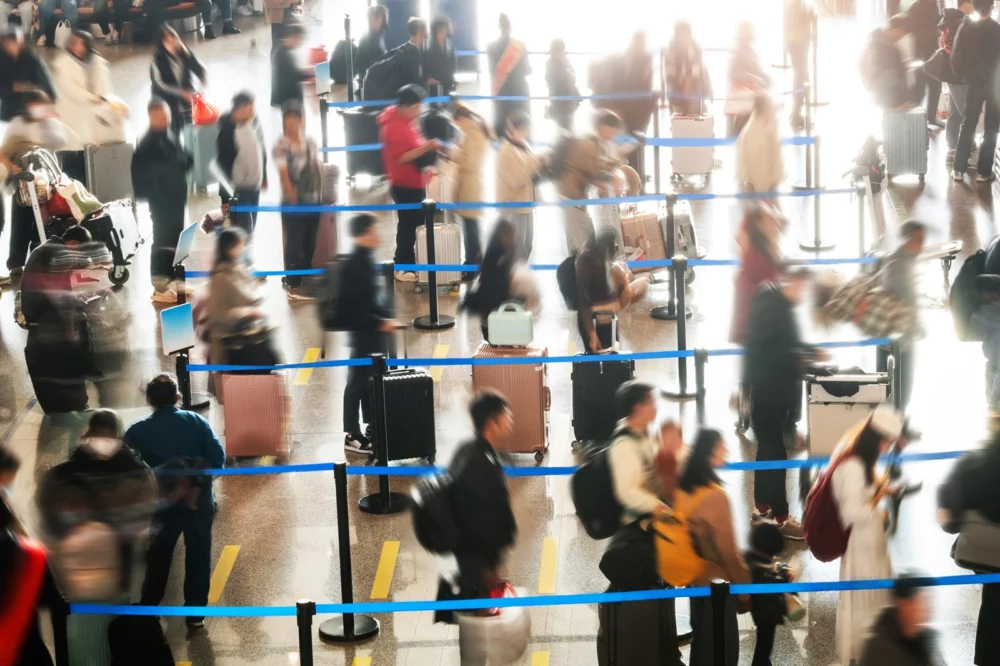
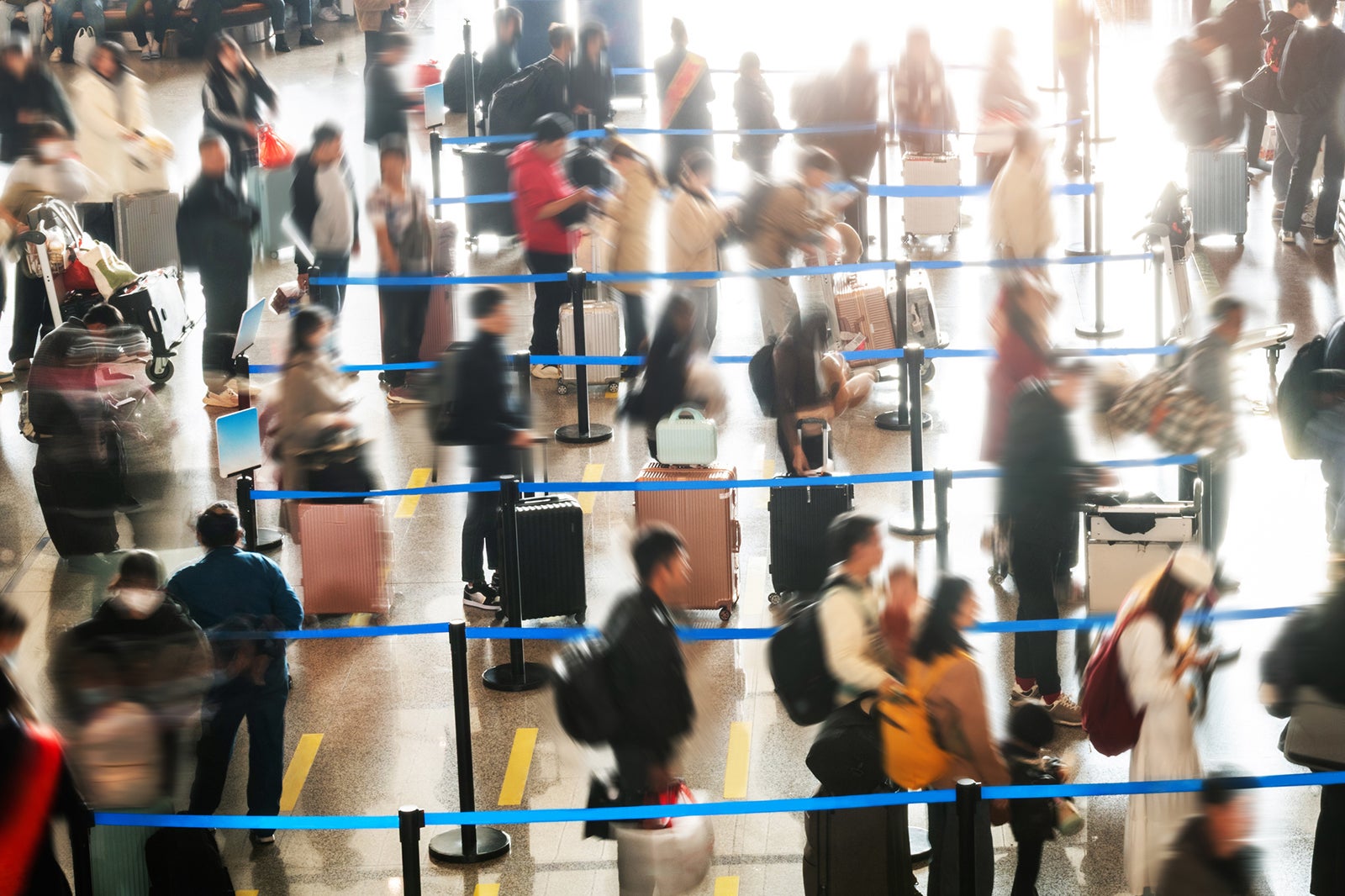
The timing of this launch is far from coincidental. Phoenix is currently entering its most demanding operational period, characterized by the dual surge of spring break travelers and the influx of sports fans arriving for Major League Baseball’s Cactus League Spring Training. During these peak windows, terminal lobbies can become overwhelmed, with check-in lines stretching toward the sliding doors. By allowing passengers to offload their heavy luggage before they even set foot in the main terminal, PHX is effectively decentralizing its operations, reducing physical congestion, and enhancing the overall security and flow of the airport environment.
The Early Bag Check service at PHX is operated by Bags, a specialized aviation service provider that has quietly revolutionized the way luggage moves through the United States. The service is remarkably straightforward but relies on a complex logistical backend. Travelers arriving at the airport via the East Economy Parking lot or returning a vehicle at the Rental Car Center can now drop their luggage at designated kiosks. At these stations, passengers can also print their boarding passes, ensuring that once they board the PHX Sky Train to reach the terminals, they are essentially "gate-ready." This allows them to bypass the airline ticket counters entirely, moving directly to the Transportation Security Administration (TSA) checkpoints.
To understand the significance of this development, one must look at the broader economic and psychological landscape of air travel. For the modern traveler, the "checked bag" has become a source of both financial and physical anxiety. According to data from the Bureau of Transportation Statistics, major U.S. airlines collected billions of dollars in baggage fees in the last fiscal year alone. While many travelers utilize premium credit cards—such as those offered by Chase, American Express, or Citi—or leverage elite frequent flyer status to waive these fees, the physical burden of the bag remains. Dragging oversized suitcases through parking garages, onto shuttle buses, and into crowded lobbies adds a layer of "friction" that airports are desperate to eliminate.
Research in airport management suggests that the more time a passenger spends in a queue, the less likely they are to spend money in the airport’s retail and dining concessions. By removing the baggage check-in hurdle early in the process, PHX is not just helping the traveler; it is strategically increasing "dwell time" in the airside concourses. A traveler who is unburdened by luggage and has already cleared security is more relaxed and more inclined to visit an airport lounge, a high-end restaurant, or a retail boutique. Thus, remote bag check is as much an economic catalyst as it is a convenience.
Phoenix’s adoption of this technology mirrors successful programs in other major hubs. Denver International Airport (DEN) has long been a proponent of remote bag check, offering similar services at its transit center and parking garages. In Seattle-Tacoma International Airport (SEA), the "Port Valet" program offers a specialized version of this service for cruise ship passengers, allowing them to check their bags while still on the ship and not see them again until they reach their home destination’s baggage carousel. Similar initiatives have seen success at Orlando International Airport (MCO), Fort Lauderdale-Hollywood International Airport (FLL), and Miami International Airport (MIA), particularly due to their proximity to major cruise terminals.
However, the implementation of remote bag check requires a high degree of coordination between the airport authority, the third-party service provider, and the individual airlines. At PHX, the service initially supports major carriers that dominate the local market, including American Airlines, Delta Air Lines, Southwest Airlines, and United Airlines. These carriers have integrated their backend systems with "Bags" to ensure that when a suitcase is dropped at the Rental Car Center, it is tracked with the same rigor as if it were dropped at the main ticket counter. Security is also a paramount concern; every bag checked remotely must still undergo the same stringent TSA screening processes as luggage checked inside the terminal.
The logistical journey of a remotely checked bag is a marvel of modern tracking. Once a passenger hands over their suitcase at a PHX remote location, the bag is tagged with a standard IATA barcode. It is then transported via secure vehicles to the airport’s central baggage handling system. For the passenger, the benefits are immediate. They are freed from the physical strain of managing luggage on the Sky Train, which is particularly beneficial for families traveling with small children, elderly passengers, or those with disabilities.
Beyond the convenience for the individual, there is a macro-level benefit to the airport’s infrastructure. Most airports built in the mid-20th century were not designed for the volume of checked luggage seen today. By shifting the "first touch" of a bag away from the terminal core, PHX reduces the wear and tear on terminal facilities and allows the airport to reallocate staff to other critical areas. This is part of a larger trend known as the "Invisible Airport," where technology and off-site services make the traditional, stress-filled terminal experience a thing of the past.
Expert analysts in the aviation sector point out that the success of these programs often depends on public awareness and trust. Many travelers are initially hesitant to part with their belongings so far from the aircraft. To combat this, service providers like Bags utilize real-time tracking updates. Furthermore, the integration of travel insurance and baggage protection through premium credit cards provides an extra layer of security for the consumer. As more travelers realize that their bags are handled with the same—if not more—care than in the terminal, adoption rates are expected to climb.
Looking ahead, the expansion of remote bag check could reach even further into the urban fabric. In global transit hubs like Hong Kong and London, passengers can check their luggage at downtown train stations before ever heading toward the airport. While the United States has been slower to adopt "in-town" check-in due to geographic dispersion and security complexities, the Phoenix model represents a significant step toward that reality. If the PHX program proves successful during the high-pressure spring season, it could serve as a blueprint for other mid-sized and large-hub airports looking to modernize their passenger flow.
The introduction of Early Bag Check at PHX is also a testament to the airport’s commitment to its recent infrastructure upgrades. The PHX Sky Train, which recently saw an extension to the Rental Car Center, serves as the literal and figurative spine of this new service. Without a reliable, high-capacity automated people mover, remote bag check would be logistically impossible. The synergy between transit infrastructure and passenger services is what defines a "Tier 1" airport in the 21st century.
In conclusion, as Phoenix Sky Harbor International Airport welcomes millions of visitors this spring, the Early Bag Check service stands as a beacon of modern travel efficiency. It acknowledges a simple truth: the less time a traveler spends acting as their own porter, the better their experience will be. For the airlines, it means smoother departures; for the airport, it means less congestion; and for the passenger, it means the journey truly begins the moment they step out of their car, rather than the moment they finally reach the gate. As PHX joins the ranks of airports offering these remote solutions, it reinforces the idea that "traveling light" is as much about the services provided by the airport as it is about what you choose to pack in your suitcase. This evolution marks a significant milestone in the ongoing effort to make the skies—and the ground—a little more hospitable for everyone.