
 By admin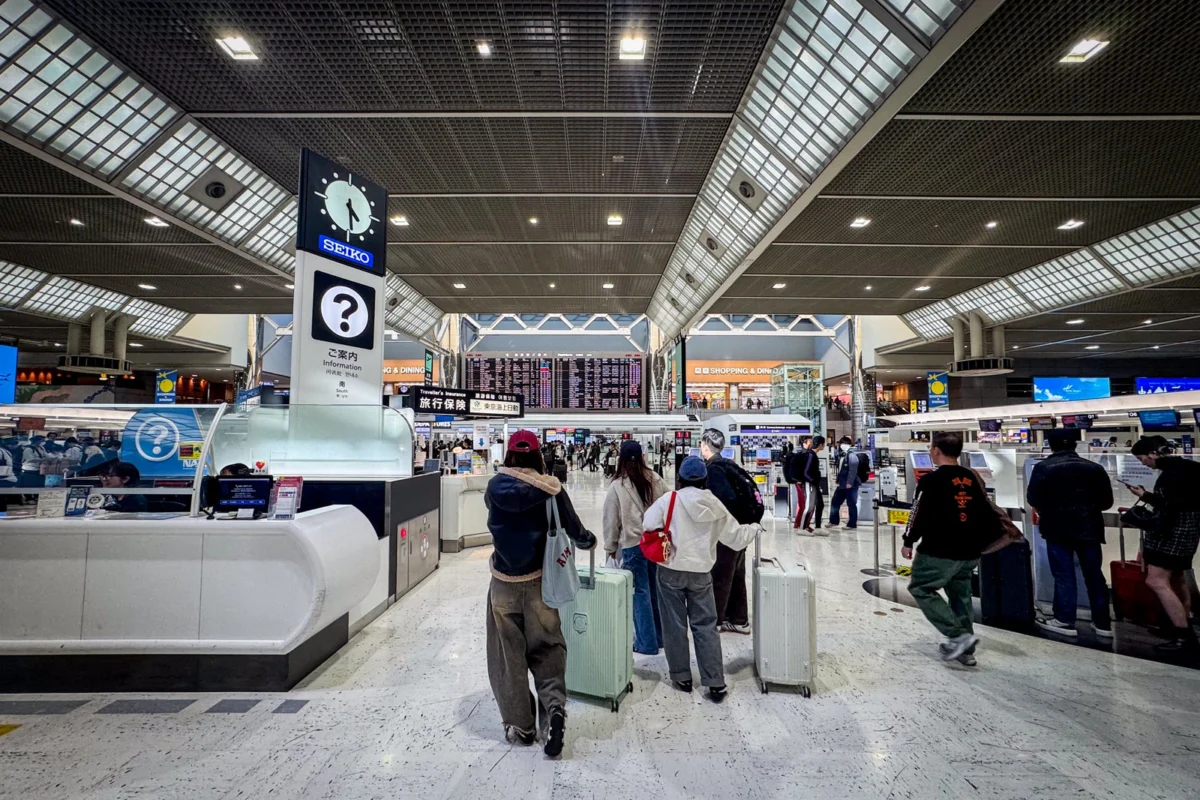
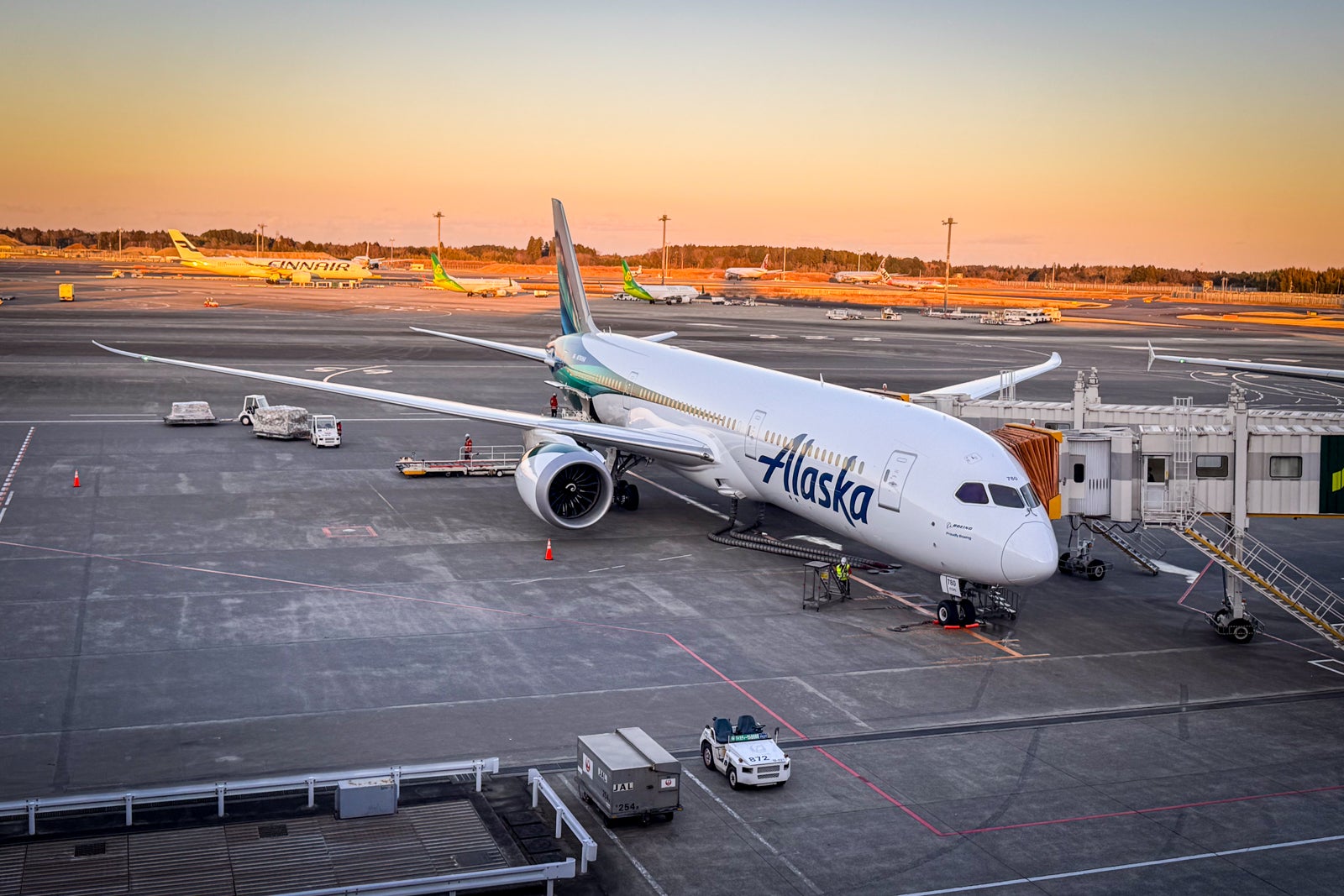
The strategic importance of this aircraft cannot be overstated. When Alaska Airlines moved to acquire Hawaiian in a $1.9 billion deal, the 787-9 fleet was a crown jewel of the transaction. Alaska, which operates an all-narrow-body fleet for its own brand, suddenly found itself with a state-of-the-art wide-body platform capable of true transpacific and transatlantic reach. This synergy is already manifesting in the route network. Currently, the Dreamliners are deployed on high-demand corridors like Seattle-Tacoma International Airport (SEA) to Tokyo’s Narita (NRT) and Seoul’s Incheon (ICN). Looking ahead to May, the airline plans to disrupt the lucrative European market with non-stop service from Seattle to London Heathrow (LHR) and Rome Fiumicino (FCO), utilizing the Dreamliner’s superior fuel efficiency and passenger comfort features.
Booking the Experience: Value and Integration
Securing a seat in the Leihoku Business Class cabin requires either a significant financial investment or a strategic use of loyalty points. Cash prices for a one-way transpacific crossing typically hover around $3,320, though round-trip fares can fluctuate based on seasonal demand. However, the integration of Hawaiian and Alaska’s loyalty ecosystems has opened new doors for savvy travelers. Using 95,000 Alaska Airlines Atmos Rewards points—a redemption value of roughly 3.4 cents per point—passengers can bypass the high cash cost, paying only nominal taxes and fees.
For those looking to accumulate these points, the ecosystem is surprisingly flexible. Alaska Airlines is a 1:1 transfer partner of Bilt Rewards, making it accessible to those who earn points on rent. Additionally, Marriott Bonvoy points can be transferred at a 3:1 ratio. The availability of these seats on partner charts, such as Qantas (often 90,000 miles), provides a secondary avenue for booking, though taxes are frequently higher on partner redemptions. This multi-channel accessibility ensures that the Dreamliner remains an attainable luxury for frequent flyers across the Oneworld alliance and beyond.
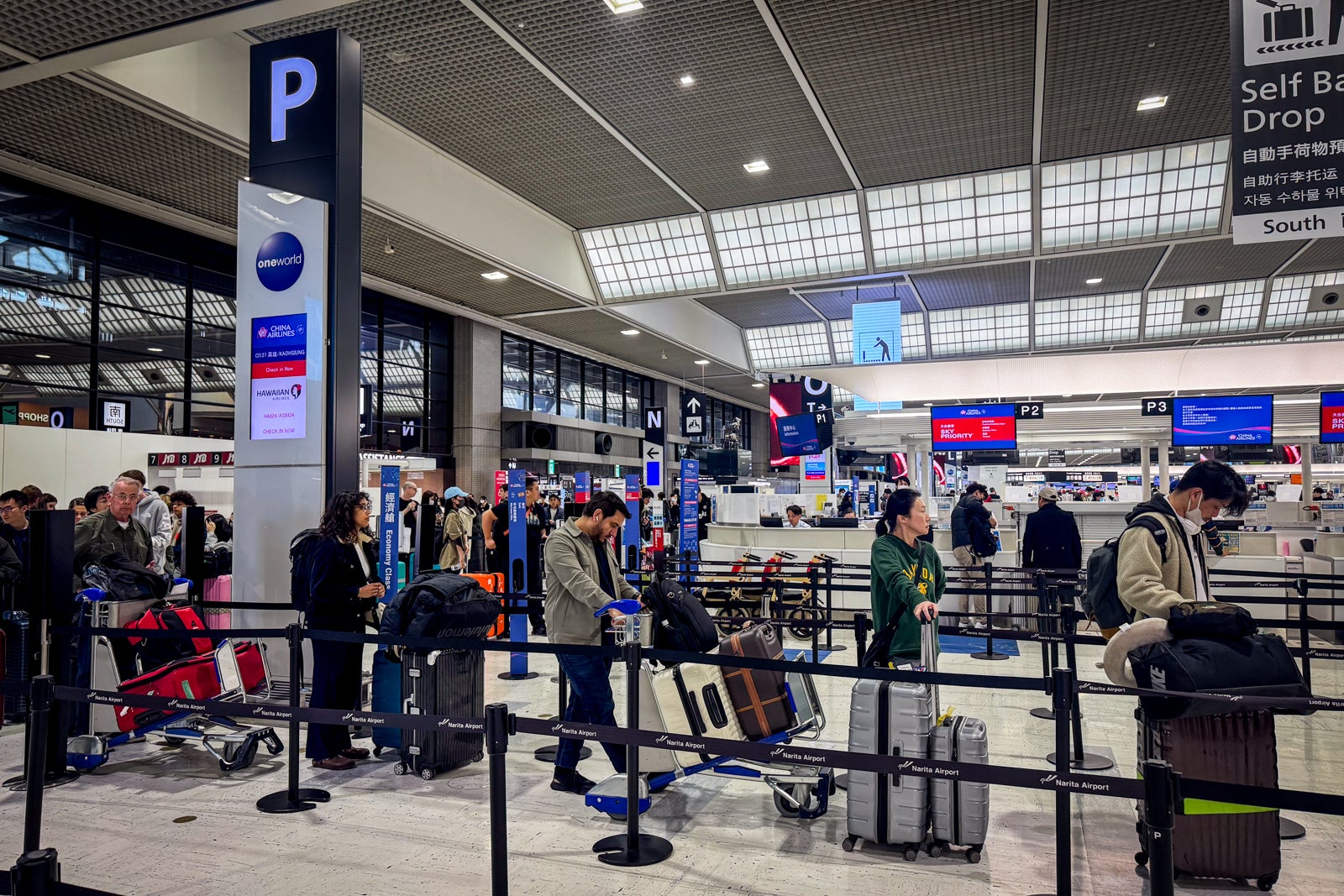
The Ground Experience at Tokyo Narita
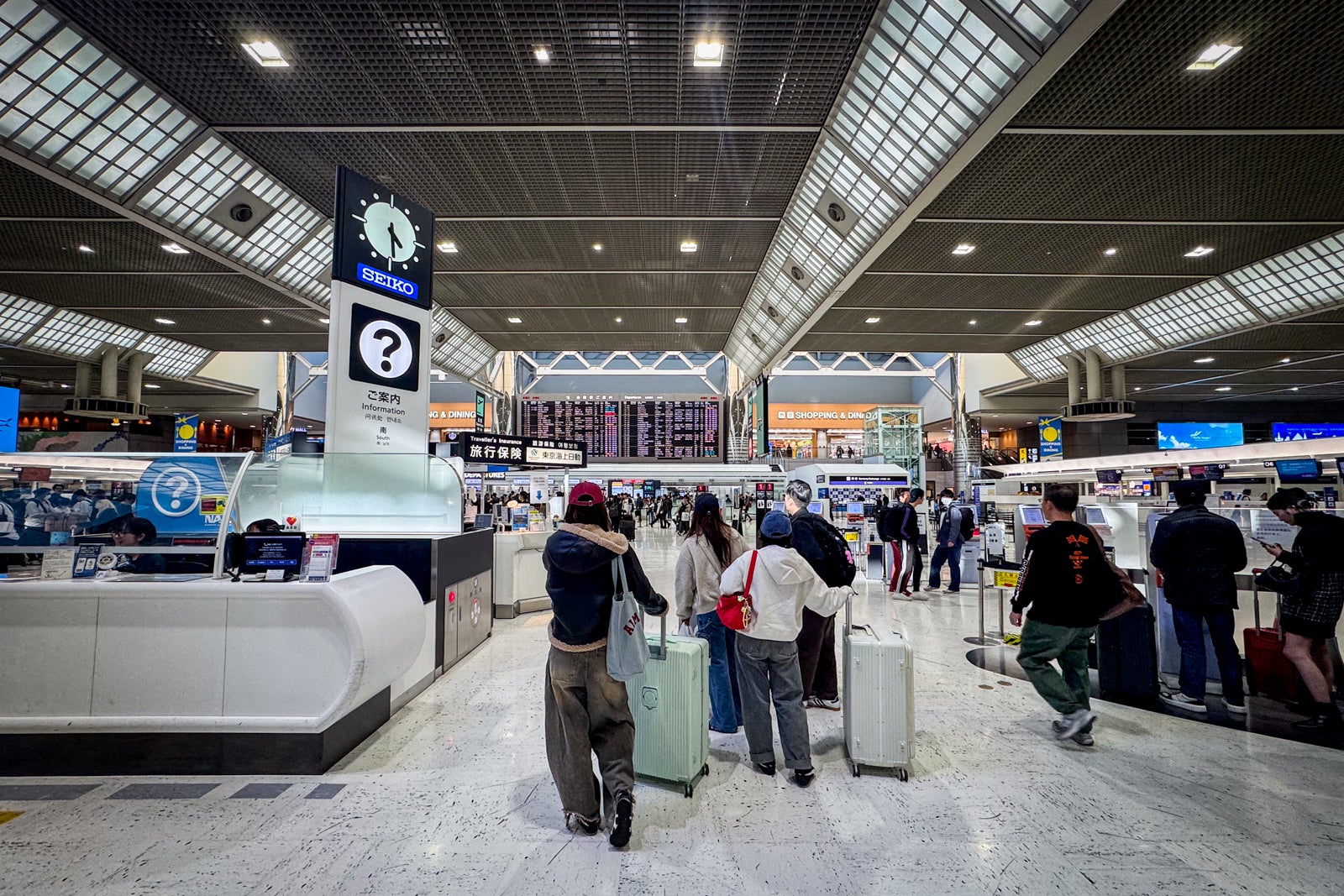
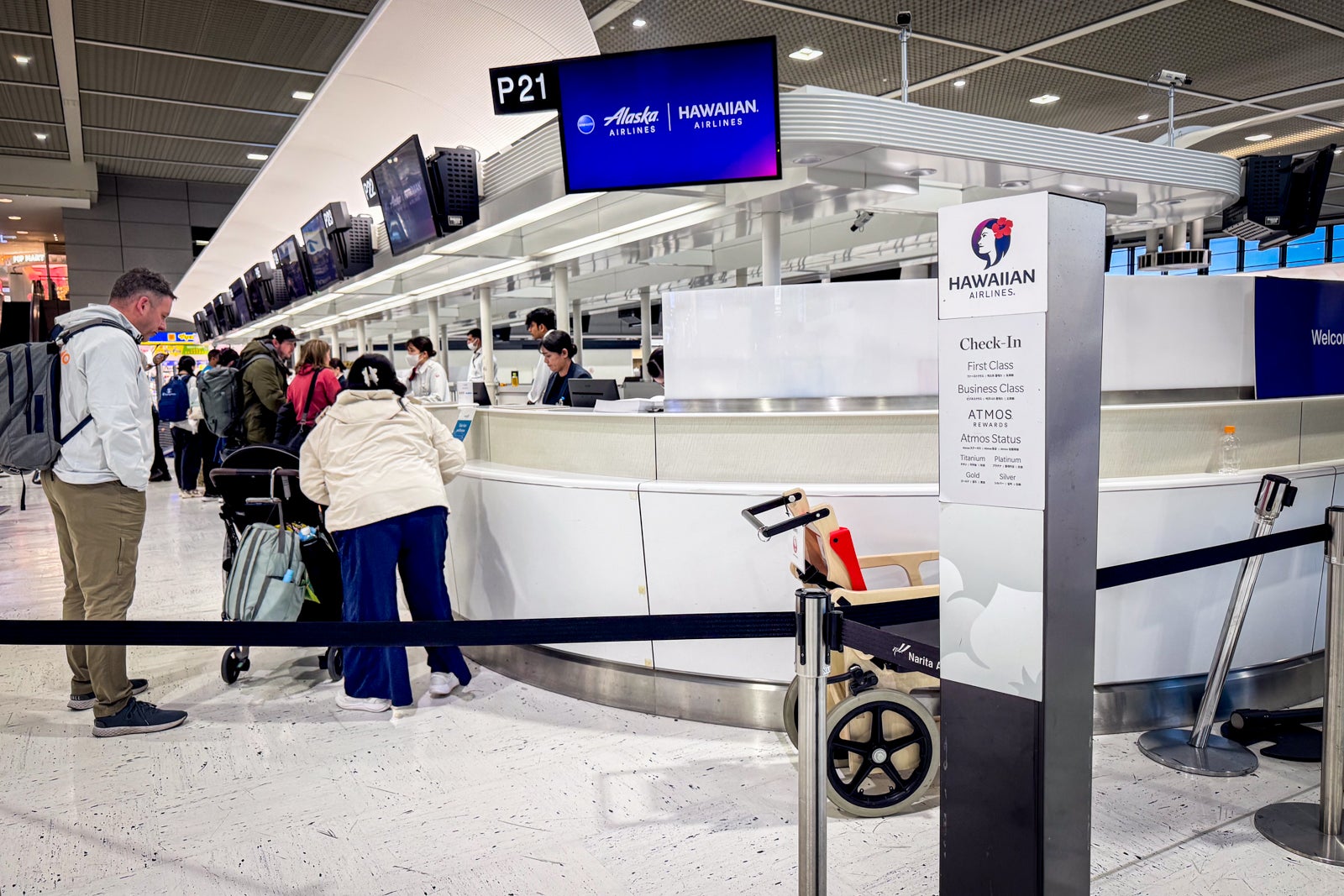
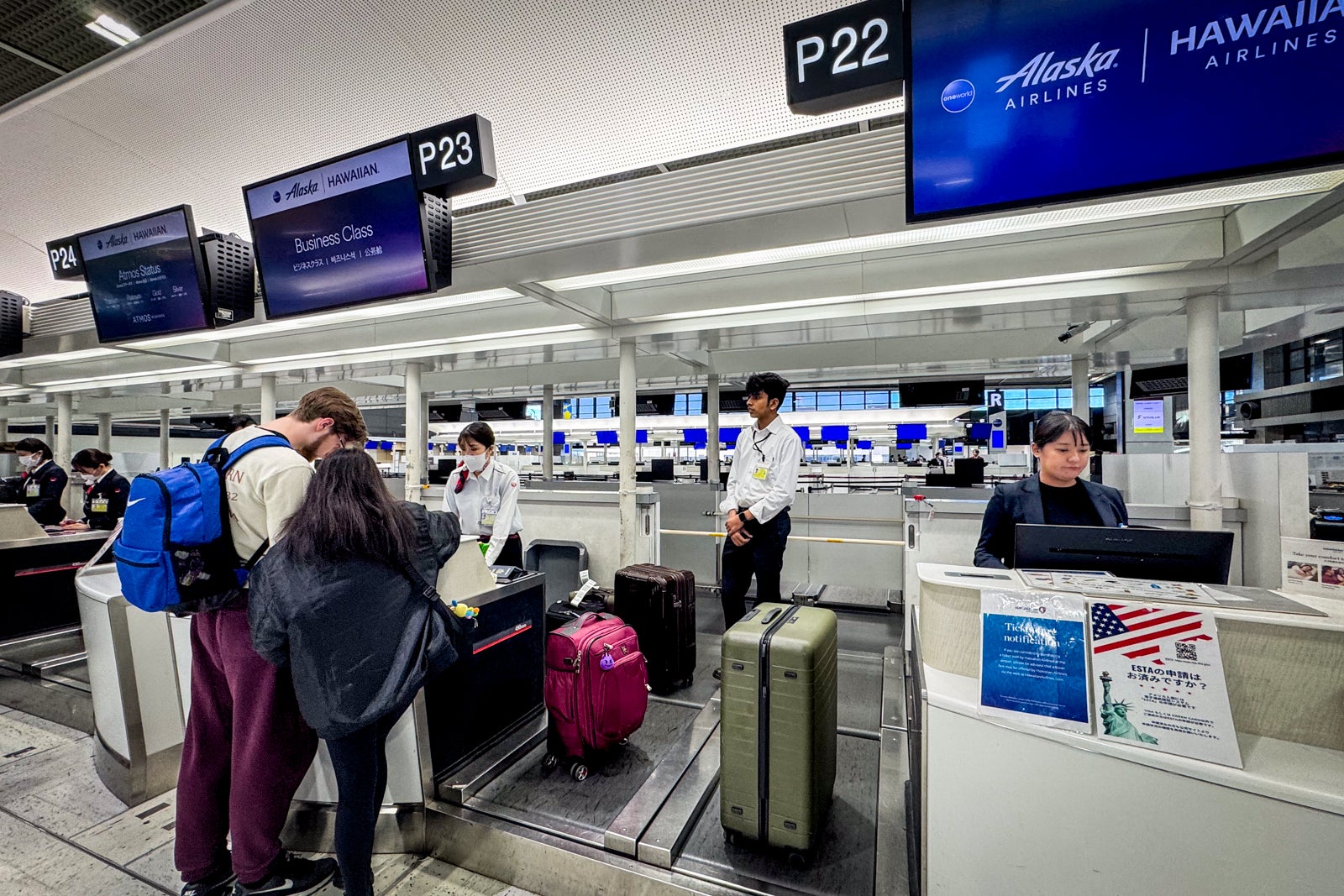
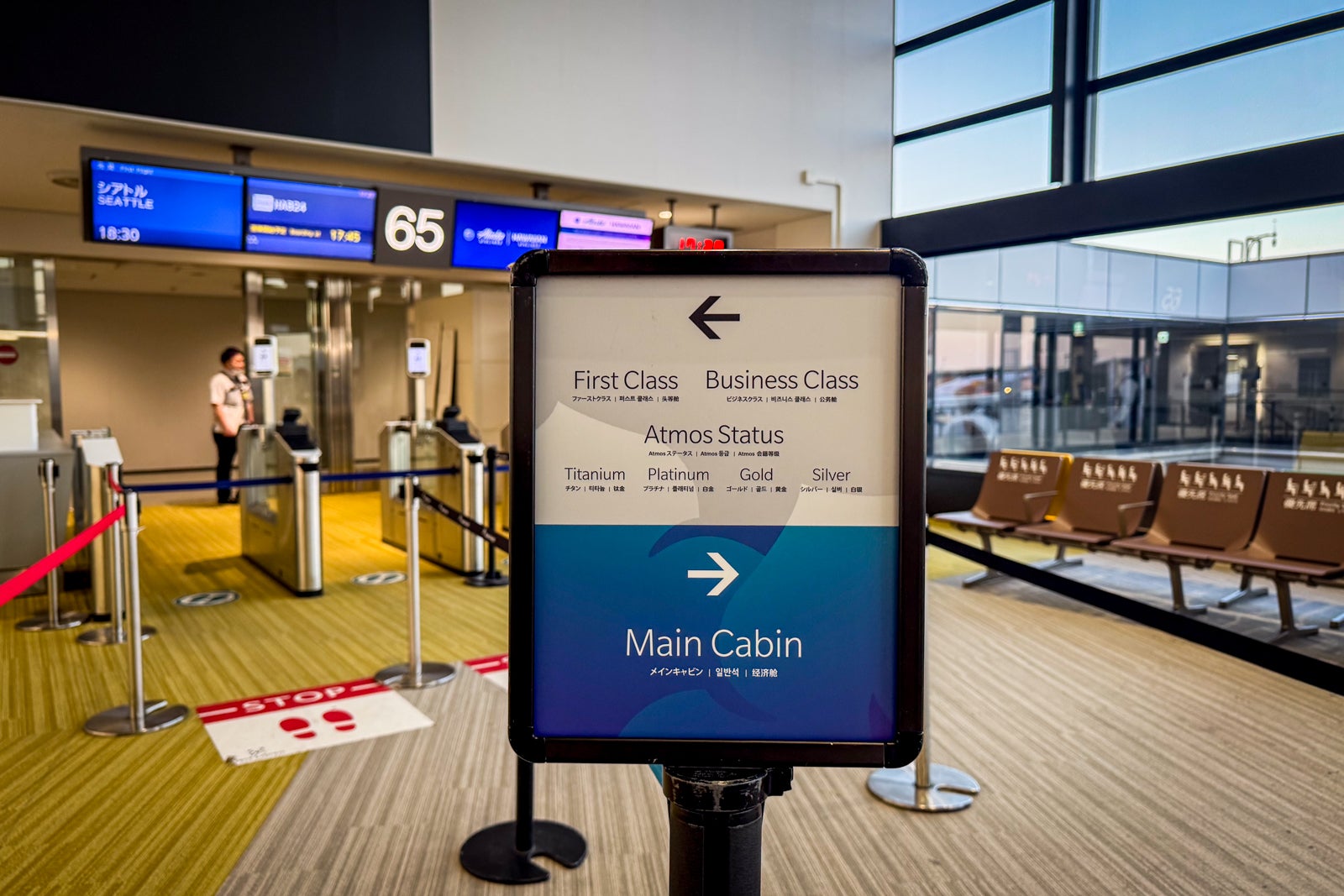
The journey begins at Tokyo Narita’s Terminal 2, a hub known for its efficiency and connection to the city via the high-speed Skyliner train. Hawaiian Airlines offers a streamlined check-in process for business-class passengers, providing a dedicated queue that significantly reduces wait times. While the airline’s digital infrastructure—specifically the mobile check-in app—can occasionally be temperamental for international award tickets, the physical ground staff compensates with high-touch service.
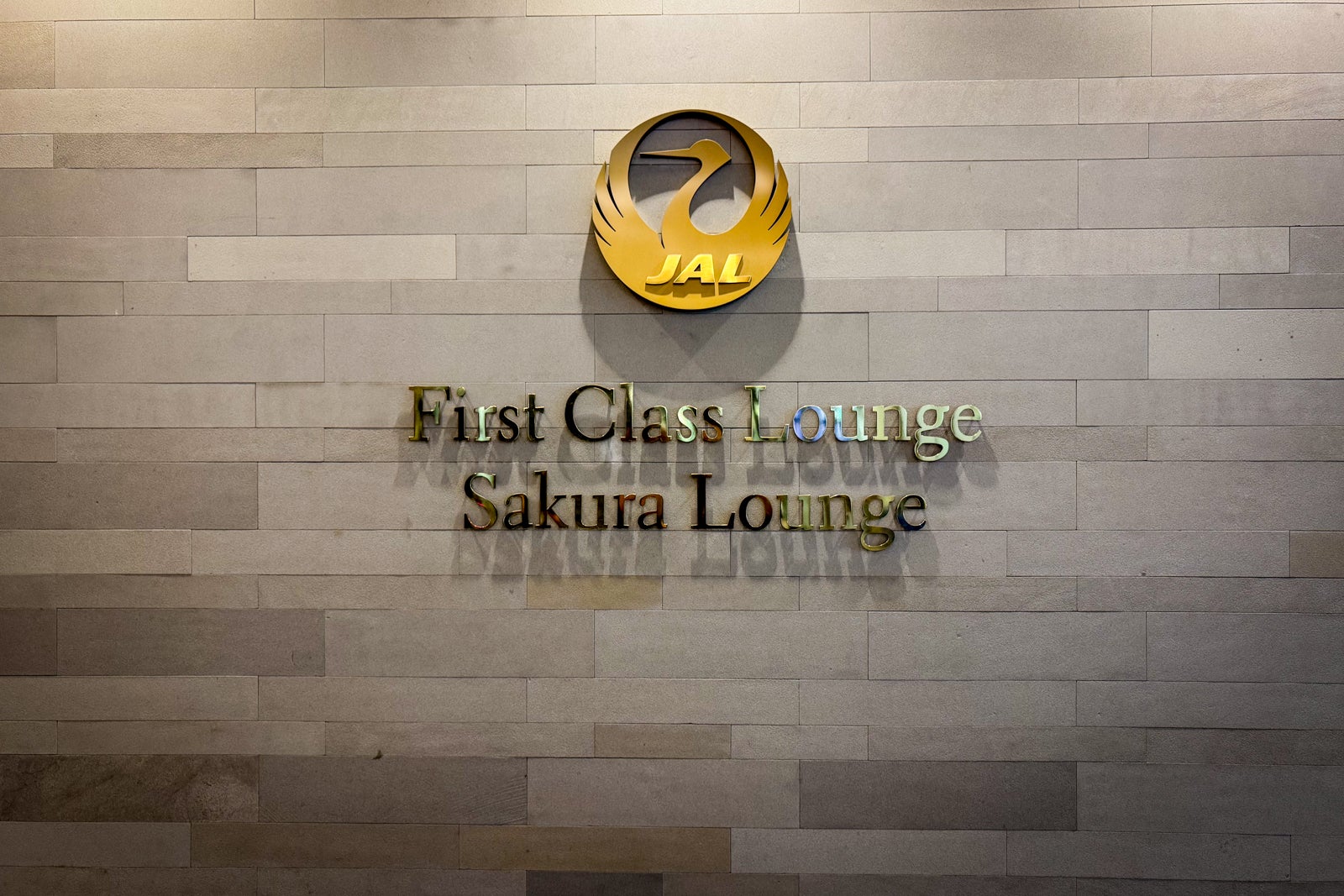
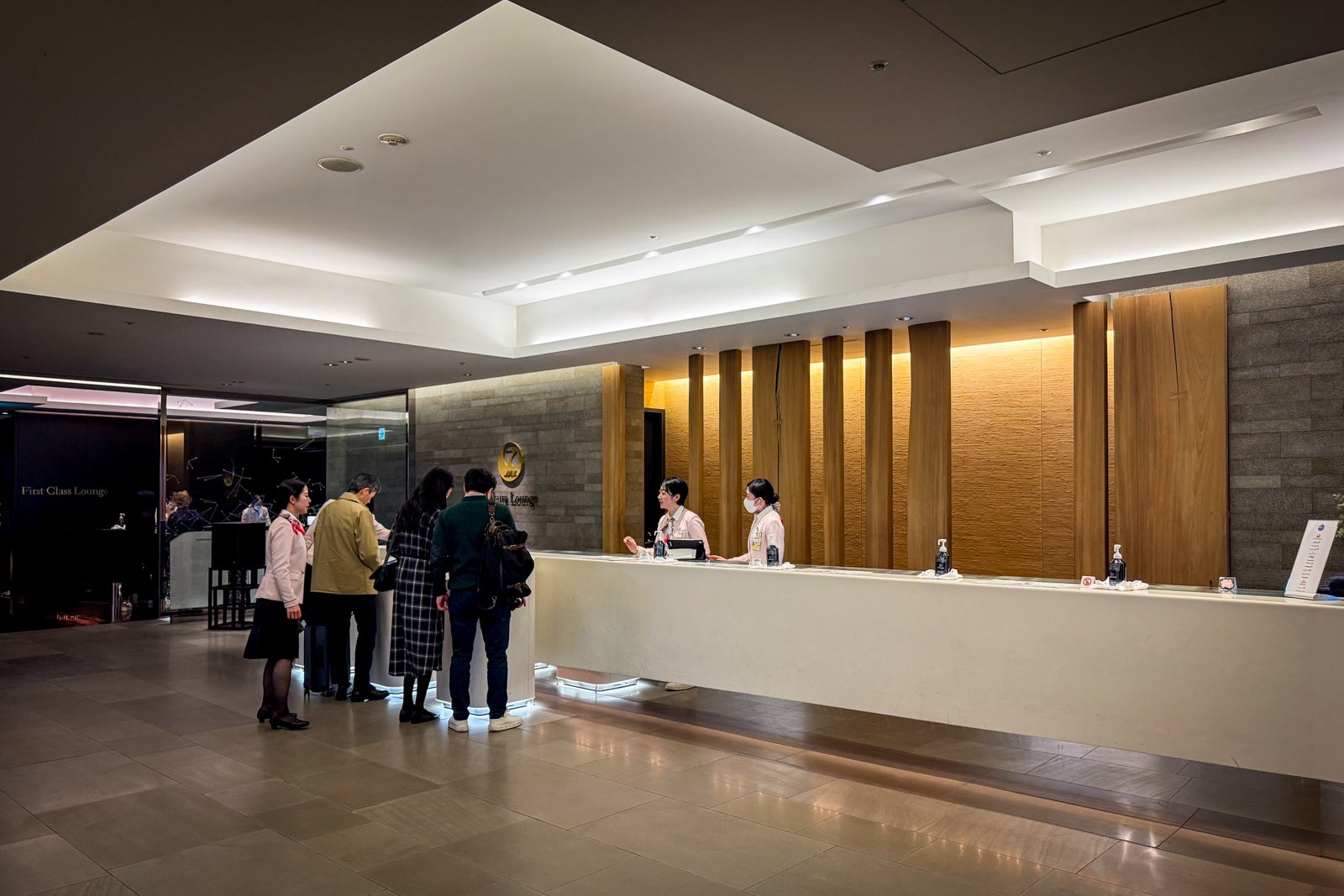
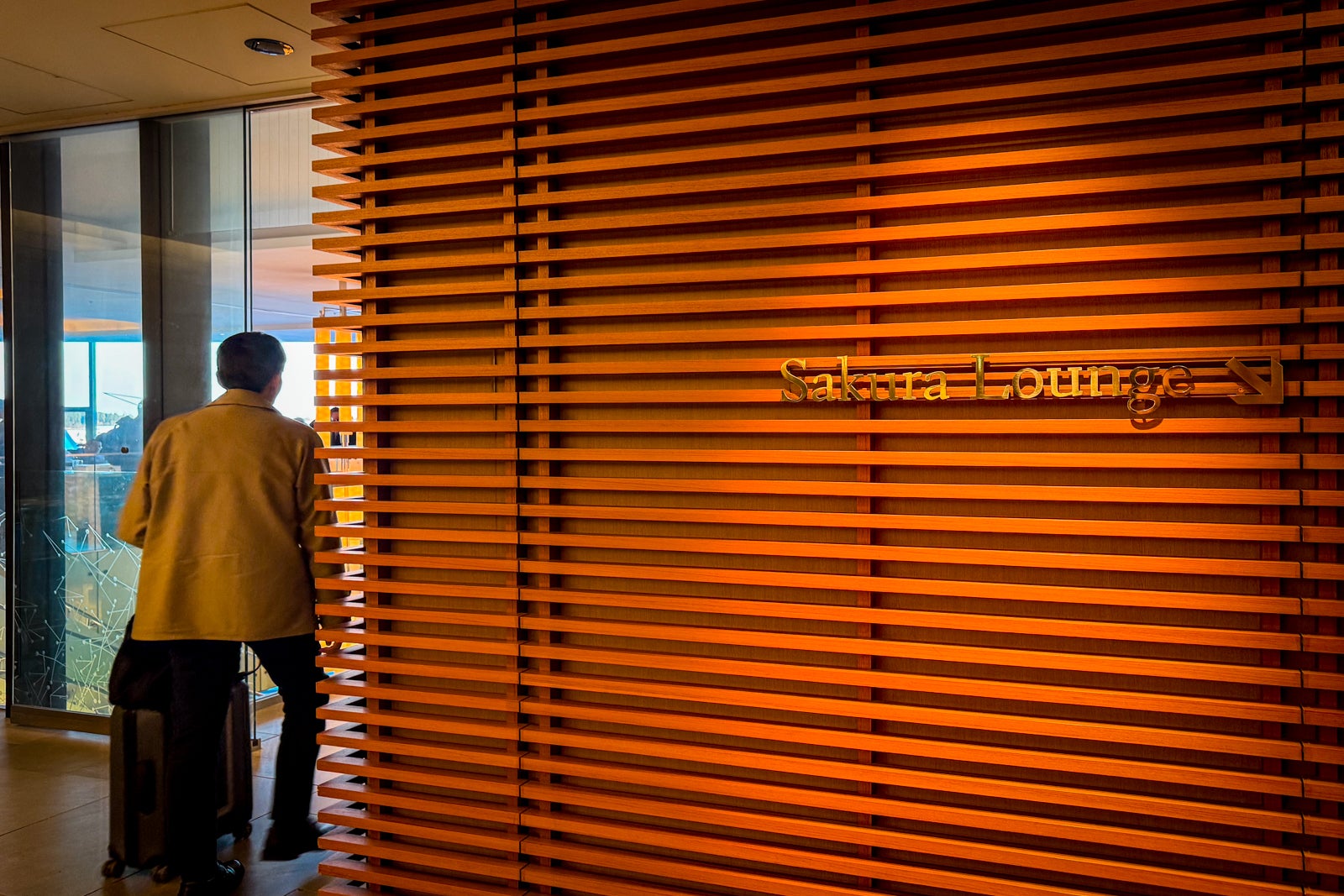
Business-class travelers are granted access to the Japan Airlines (JAL) Sakura Lounge, a multi-level sanctuary that reflects the minimalist elegance of Japanese design. The lounge is divided into distinct zones: an upper level focused on gastronomy, featuring expansive dining rooms and buffet lines, and a lower level designed for relaxation. While the lounge can become crowded during the early evening "rush hour" of U.S.-bound flights, it remains a superior alternative to the main terminal. The buffet typically offers a range of Japanese staples, including the famous JAL beef curry, though travelers should be prepared for lines at peak hours.
Cabin Design: The Leihoku Concept
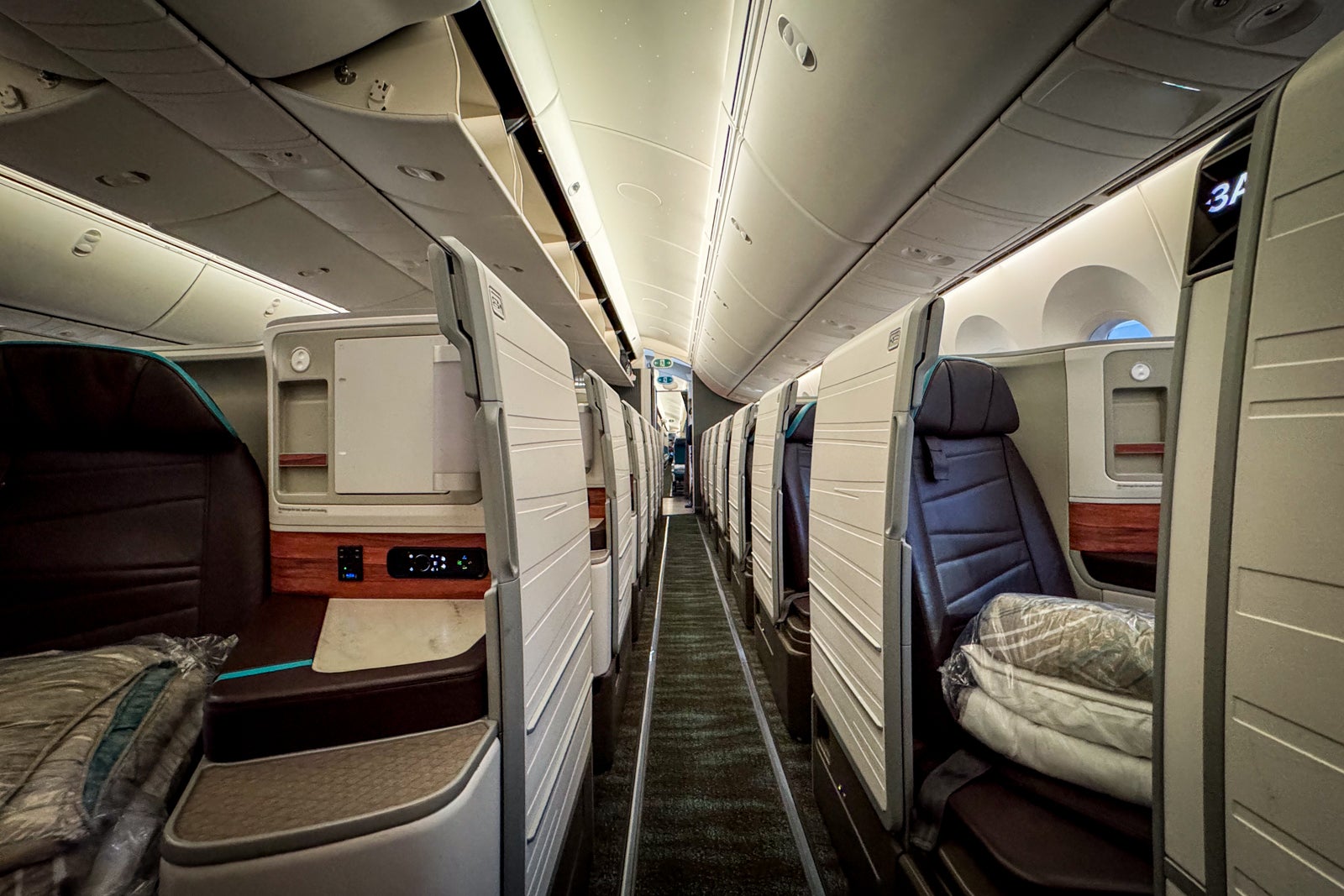
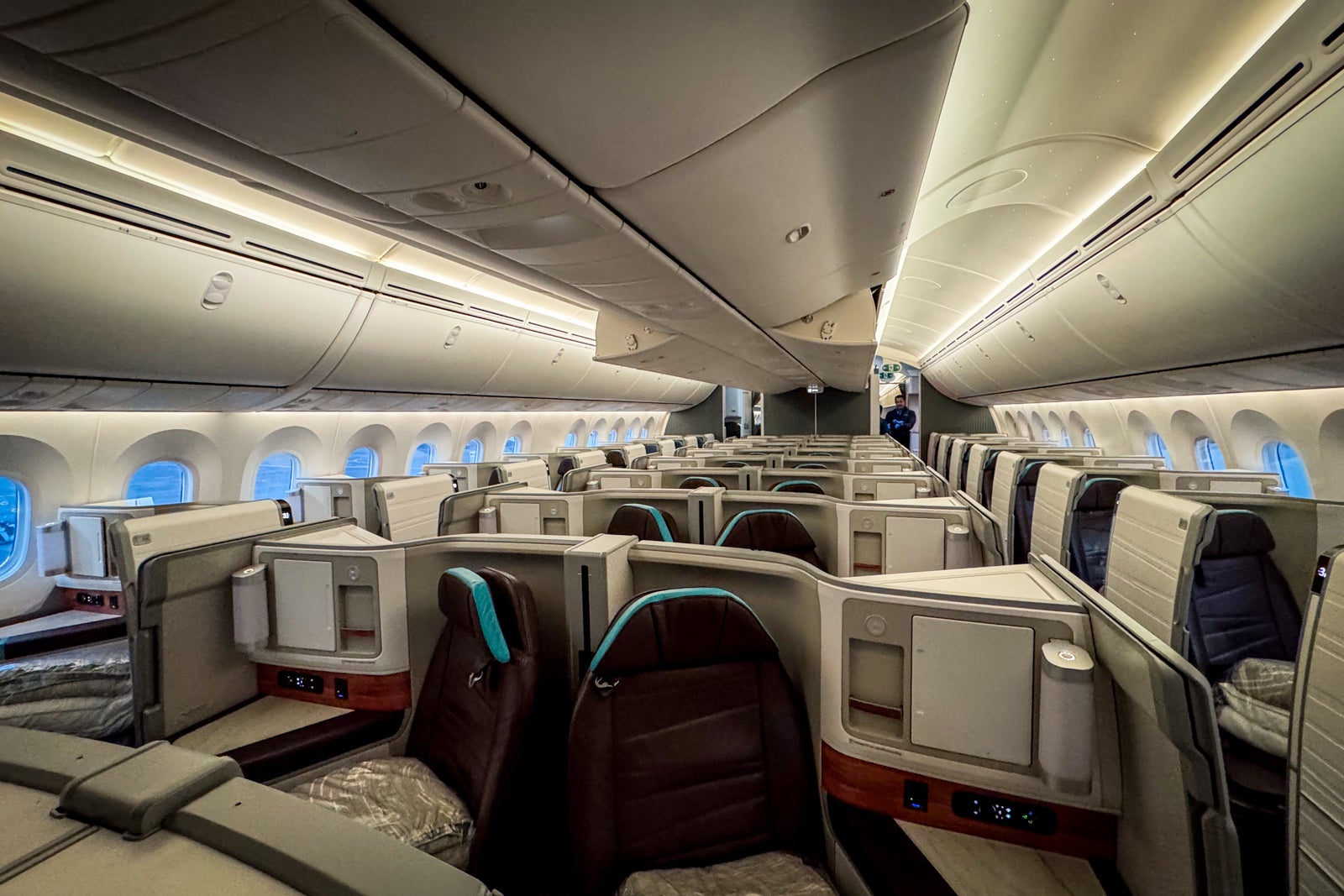
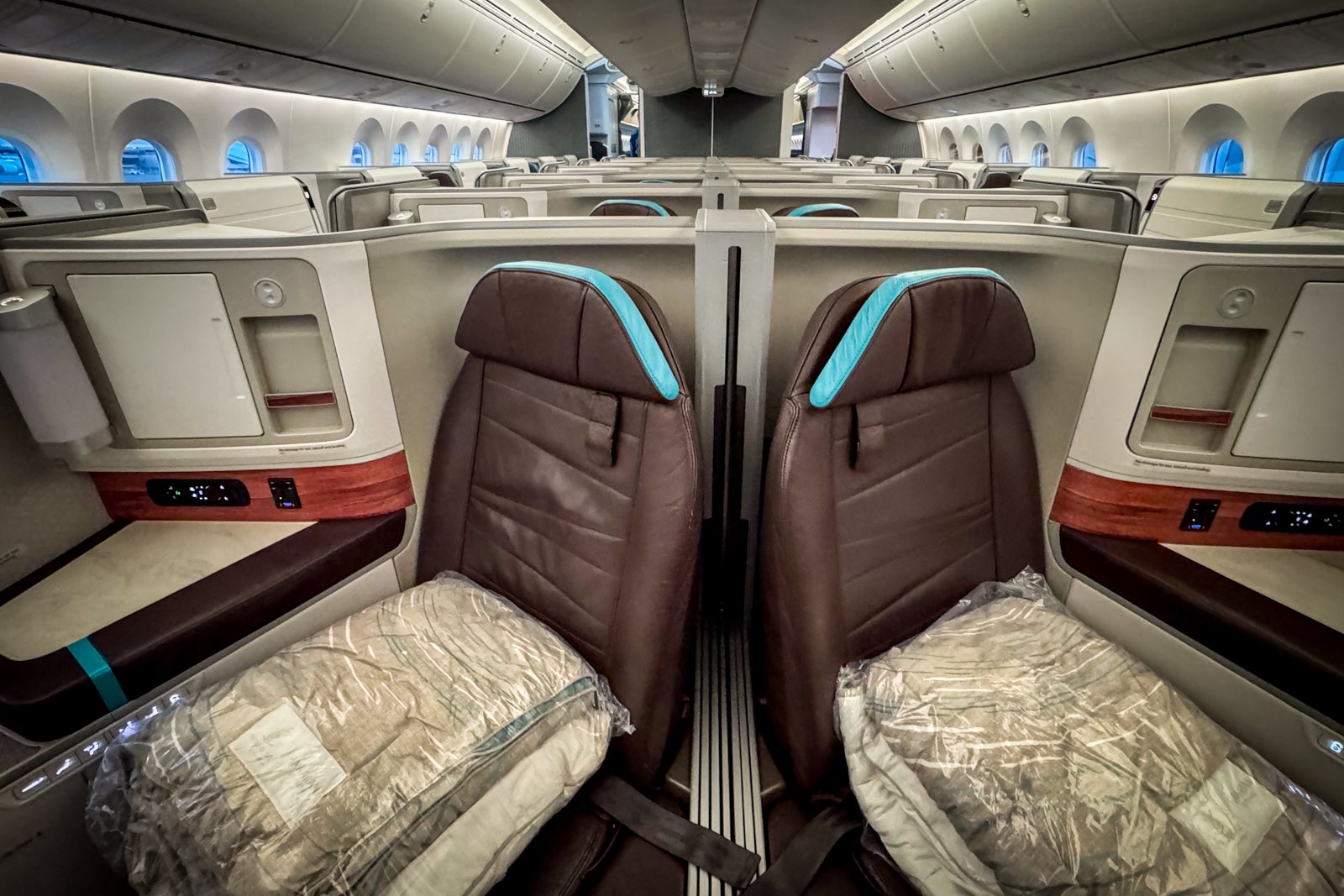
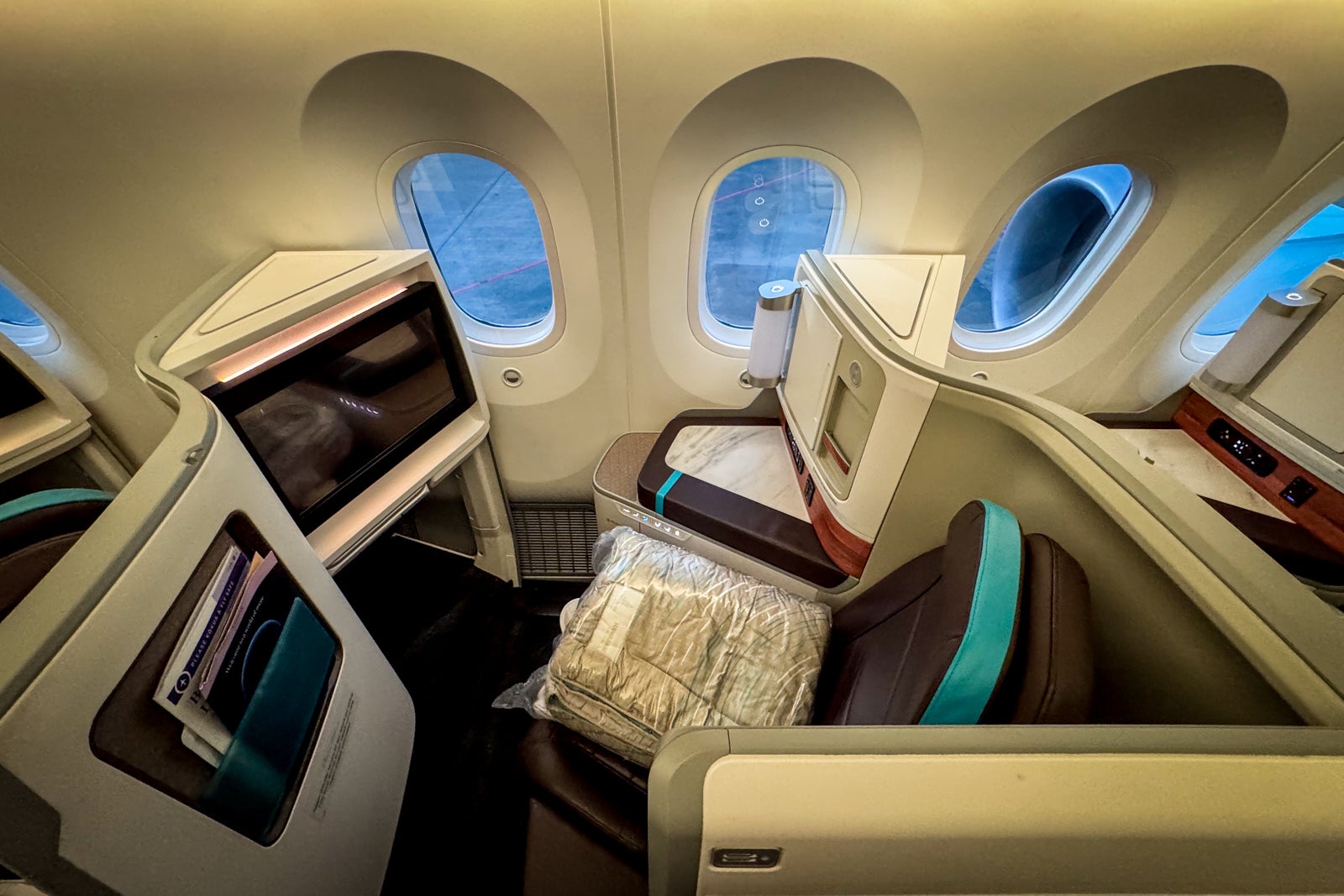
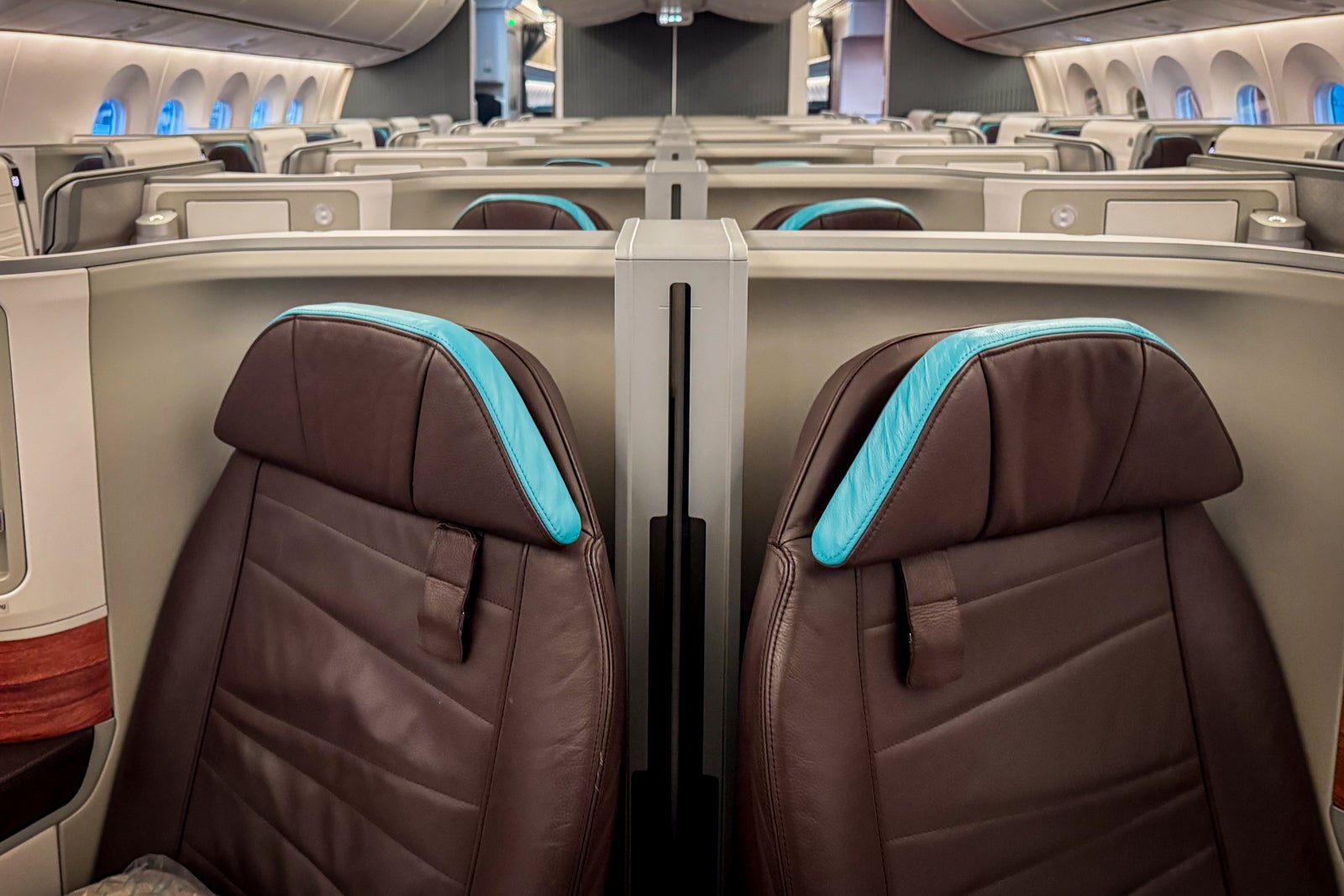
Upon entering the Boeing 787-9, the aesthetic shift from Hawaiian’s older A330 fleet is immediate. The "Leihoku" design concept is a masterclass in "sense of place" branding. Developed in partnership with Adient Aerospace, the 34 Ascent suites are arranged in a 1-2-1 configuration, ensuring direct aisle access for every passenger. The color palette is a sophisticated homage to the Hawaiian archipelago: deep volcanic browns, turquoise accents reminiscent of the Pacific, and wood finishes that evoke the native Koa forests.
The ceiling of the cabin is perhaps its most enchanting feature—a simulated starry sky that mimics the constellations used by ancient Polynesian navigators. This celestial theme extends to the row markers, which are labeled in both English and Hawaiian. The seats themselves are 21 inches wide, expanding to 26 inches when the armrests are lowered. For solo travelers, the window seats are angled outward to maximize privacy and views. For couples, the center seats are angled toward one another, featuring a retractable divider that can be lowered to create a shared space, a design often referred to as a "Honeymoon Suite."
Each suite is equipped with a sliding privacy door. While the doors are not full-height—measuring approximately 44 inches—they effectively block the sightlines of passing passengers and crew, creating a cocoon-like environment. The seat transitions into a 77-inch fully flat bed, supported by a footwell that, while somewhat narrow at 12 inches high, provides sufficient room for most sleepers to find a comfortable position.
Technology and Amenities
The Dreamliner is billed as a high-tech marvel, though some features are still in a "soft launch" phase. Each suite boasts an 18-inch high-definition touchscreen and a secondary wired remote. The entertainment library is robust, featuring a mix of Hollywood blockbusters, Apple TV+ originals, and curated Hawaiian content. One standout feature is the vertical wireless charging pad integrated into the seat shell. Unlike many aircraft charging surfaces that fail to secure the phone, Hawaiian’s design keeps the device in place even during moderate turbulence.
However, two notable absences persist: the lack of functional Starlink Wi-Fi on certain airframes and the omission of USB-C ports in the business-class cabin. While premium economy and economy seats are equipped with USB-C, business-class passengers must rely on universal AC plugs or USB-A. On the comfort front, the airline partners with Noho Home for its bedding. The set includes a lightweight duvet and a breathable seat cover made from sustainable materials, designed by Jalene Kanani. The amenity kit follows a "sustainable choice" model; rather than a pre-packed bag of plastic-wrapped items, flight attendants offer a curated selection of Loli’i skincare products, eye masks, and bamboo toothbrushes, allowing guests to take only what they need.
A Masterclass in In-Flight Gastronomy
Hawaiian Airlines has long used its food and beverage program as a primary differentiator, and the Dreamliner service is the pinnacle of this strategy. The experience begins with a pre-departure beverage service that includes a signature Mai Tai, garnished with fresh pineapple. Unlike the syrupy versions found on many carriers, Hawaiian’s version is potent and balanced, setting a tropical tone for the flight.
The dinner service offers three distinct paths: a traditional Japanese menu, a vegetarian option, and a Hawaiian Fusion menu. The fusion menu is particularly noteworthy, often featuring appetizers like hot and sour noodle soup and asparagus salad with shoyu-sherry vinaigrette. Main courses, such as braised boneless short rib with ginger and scallion risotto, demonstrate a level of culinary ambition rarely seen on U.S. carriers. The beef is typically tender enough to be cut with a fork, and the flavors are bold rather than muted by the cabin altitude.
The beverage list is a celebration of Hawaiian craft. The airline serves Maui Brewing Company’s Bikini Blonde Lager and Big Swell IPA, alongside Koloa Kauai white rum and Ocean Vodka produced on Maui. The wine list is equally curated, featuring selections like the Ghostwriter Chardonnay and various high-end Cabernet Sauvignons. Dessert is served from a traditional cart, allowing passengers to choose between a cheese plate or a tropical sweet, such as a mango chiboust cake.
The Verdict: A New Standard for the Pacific
Hawaiian Airlines’ Dreamliner is more than just a new plane; it is a statement of intent. By combining the intimate, culturally rooted service for which it is famous with a hard product that rivals the "Big Three" U.S. carriers (Delta, United, and American), Hawaiian has created a compelling reason to choose it over the competition.
The flaws are minor and largely temporary: the lack of overhead air vents—a common Boeing 787 design choice—can make the cabin feel warm for some, and the ongoing rollout of Starlink Wi-Fi means business travelers must check their aircraft’s status before expecting full connectivity. However, the comfort of the Adient Ascent suite, the quality of the "island-to-table" catering, and the sheer beauty of the cabin design make it one of the most enjoyable ways to cross the Pacific. As the Alaska Airlines merger continues to evolve, the hope is that these unique Hawaiian touches remain preserved, providing a soulful alternative to the increasingly homogenized world of international air travel. For those with the points or the budget, the Leihoku Business Class is a journey worth taking.