
 By admin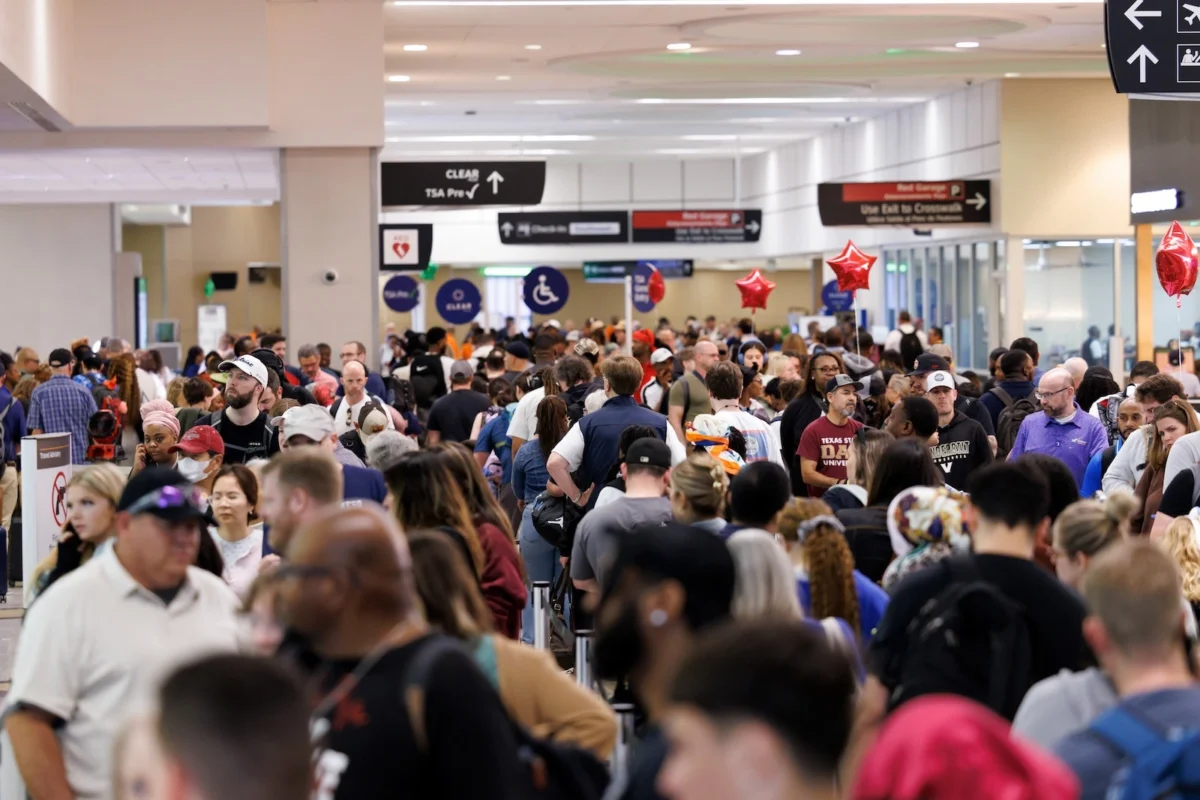
In an unprecedented move aimed at mitigating the mounting chaos at the nation’s transportation hubs, the Trump administration confirmed Sunday that it will begin deploying U.S. Immigration and Customs Enforcement (ICE) officers to major American airports starting Monday. The decision comes as a direct response to the escalating staffing crisis within the Transportation Security Administration (TSA), which has seen a surge in officer absences and resignations as the partial government shutdown enters its sixth week.
Border Czar Tom Homan, a central figure in the administration’s security policy, finalized the details of the deployment during a high-stakes weekend of planning. Speaking on CNN’s "State of the Union" on Sunday morning, Homan stated that the administration is moving with "maximum urgency" to stabilize an aviation security system that is currently bucking under the weight of a prolonged funding lapse. "We’ll put together a plan today and we’ll execute tomorrow," Homan told anchor Dana Bash, signaling a rapid pivot in federal resources to prevent a total collapse of airport operations.
The deployment marks a significant escalation in the administration’s efforts to manage the fallout of the Department of Homeland Security (DHS) shutdown, which began on February 14, 2026. The primary point of contention in the ongoing legislative stalemate on Capitol Hill remains the funding for ICE itself, creating a paradoxical situation where the agency at the center of the political storm is now being tapped to provide emergency relief for another cash-strapped federal entity.
A Security Infrastructure Under Siege
Since the shutdown began over a month ago, the TSA has been operating on the front lines of the funding crisis. As essential employees, TSA officers are required to report to work without pay, a burden that has become increasingly untenable for a workforce that is among the lowest-paid in the federal law enforcement community. The result has been a predictable but devastating "sick-out" trend. In major hubs like Houston’s William P. Hobby Airport (HOU) and Seattle-Tacoma International Airport (SEA), wait times at security checkpoints have ballooned from minutes to hours, with some terminals forced to close entirely during peak travel windows.
Data from the past week indicates that TSA unscheduled absences have hit record highs, with some airports reporting call-out rates three to four times higher than the national average. For many officers, the decision to stay home is not a protest but a financial necessity; without a paycheck, the costs of commuting, childcare, and basic living expenses have made "working for free" an impossibility. This drain on personnel has forced the TSA to consolidate checkpoints, leading to the massive backups that have dominated headlines and frustrated millions of travelers.
The Role of ICE at Checkpoints
The administration’s plan to use ICE personnel is designed to "backfill" non-technical roles, thereby freeing up certified TSA officers to focus exclusively on passenger and baggage screening. According to Homan, ICE agents will not be tasked with operating X-ray machines or performing physical pat-downs, as they lack the specific technical certification required for those sensitive tasks.
Instead, ICE officers will likely be stationed at the "exit lanes"—the points where passengers leave the secure side of the terminal. These posts must be guarded 24/7 to prevent unauthorized entry into the gates, a task that currently occupies thousands of TSA personnel nationwide. By shifting ICE agents to these monitoring roles, the administration hopes to move trained TSA screeners back to the conveyor belts and metal detectors.
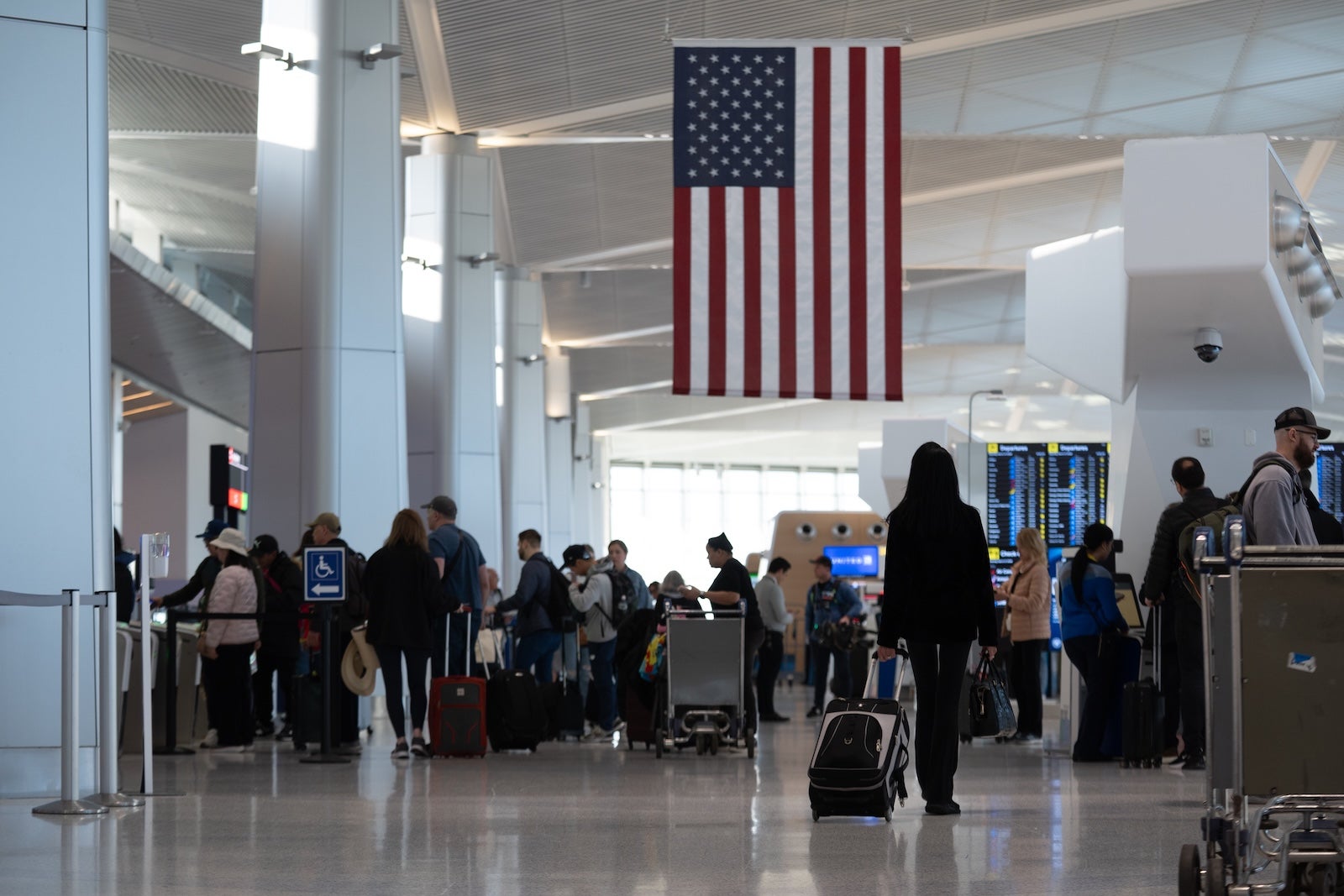
"Stuff like that relieves that TSA officer to go to screening and to reduce those lines," Homan explained. "I don’t see an ICE agent looking at an X-ray machine, because they’re not trained in that."
While the administration views this as a pragmatic logistical solution, critics argue that the move is a stopgap measure that fails to address the underlying cause of the crisis: the lack of a federal budget. Furthermore, the presence of ICE—an agency primarily associated with immigration enforcement and deportations—inside domestic airport terminals is expected to spark intense public backlash and potential legal challenges.
Mounting Opposition and Safety Concerns
The announcement was met with immediate and fierce condemnation from labor leaders and aviation experts. Everett Kelley, president of the American Federation of Government Employees (AFGE), which represents approximately 45,000 TSA officers, slammed the decision as a dangerous gimmick.
"ICE agents are not trained or certified in aviation security," Kelley said in a statement released Sunday afternoon. "The TSA is a highly specialized workforce. Putting untrained personnel at security checkpoints does not fill a gap. It creates one. This move jeopardizes the safety of the flying public and insults the professional screeners who have been working without pay for over a month."
Security analysts have also raised concerns regarding the "security culture" differences between the two agencies. While TSA is focused on "administrative search" protocols designed to find prohibited items, ICE is a traditional law enforcement agency focused on criminal investigations and immigration status. Blurring these lines at the airport could lead to confusion regarding the scope of authority and the rights of passengers.
On Capitol Hill, Democratic leaders characterized the deployment as a "militarization" of domestic travel and a sign of desperation from the executive branch. "Instead of using ICE agents as makeshift security guards, the President should sign the funding bill and pay our TSA officers," said one senior member of the House Homeland Security Committee. "This is an attempt to mask the failure of governance with a show of force."
The Travel Industry Braces for Impact
For the airline industry, the stakes could not be higher. Trade groups like Airlines for America (A4A), which represents major carriers such as Delta, United, and American Airlines, have been sounding the alarm for weeks. While the industry has not yet issued a formal response to the ICE deployment, individual airports are already preparing for the change.
Seattle-Tacoma International Airport (SEA) issued a statement Saturday night, noting that they are "monitoring the situation" and maintaining constant communication with their federal partners. Airport authorities are reportedly concerned about how the presence of ICE agents might affect passenger behavior and terminal flow, particularly in cities with high immigrant populations where the agency’s presence is often viewed with apprehension.
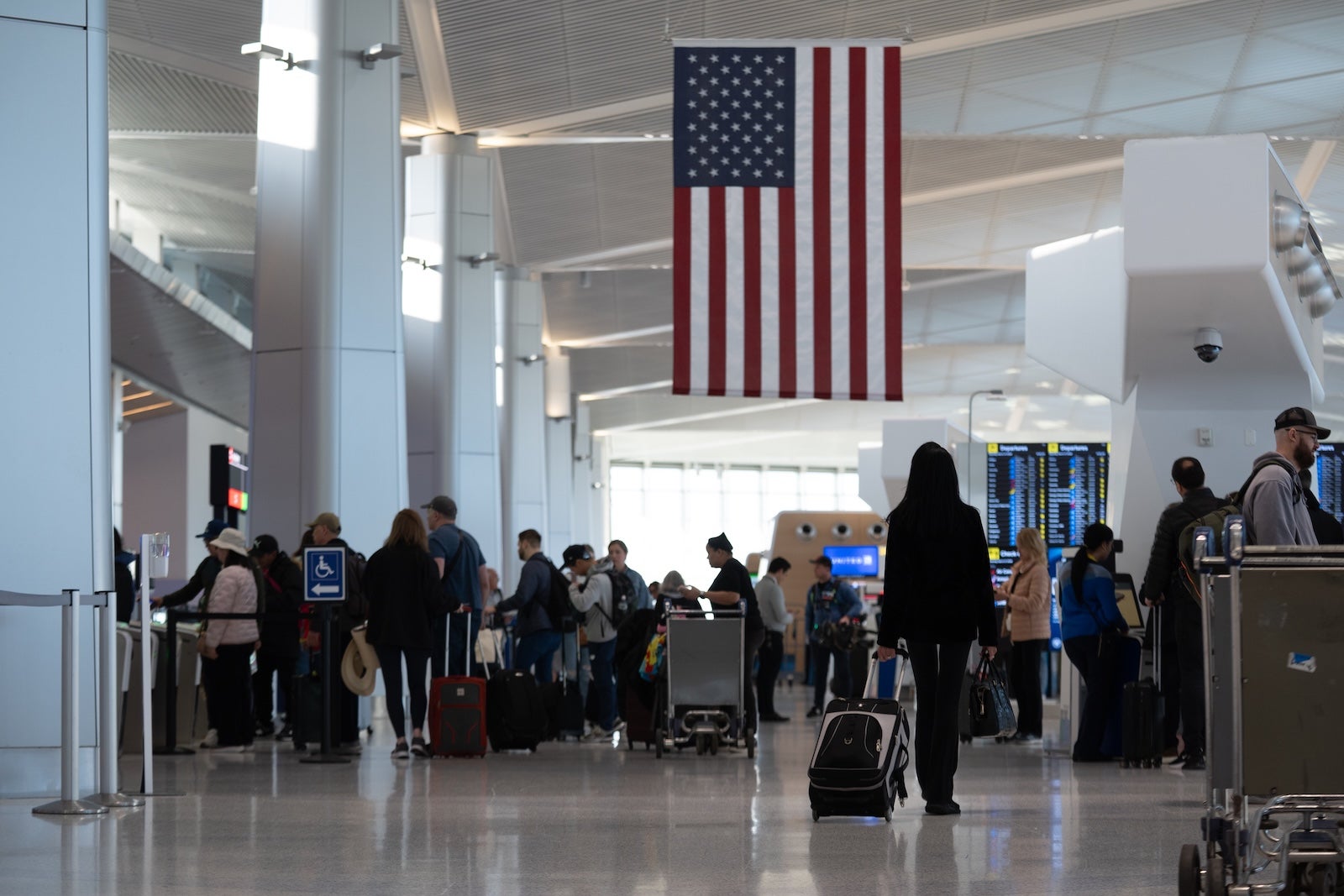
The economic implications of the airport delays are already beginning to register. Travel experts suggest that if wait times continue to exceed two hours at major hubs, business travel—the lifeblood of airline profitability—could see a sharp decline. Furthermore, the "brand image" of the U.S. as a seamless travel destination is being tarnished internationally, potentially impacting tourism revenue for months to come.
Legal and Operational Hurdles
Legal experts suggest that the administration may face hurdles in reassigning ICE agents to TSA duties. Federal law governing the Department of Homeland Security allows for the "cross-leveling" of personnel during emergencies, but the definition of an "emergency" in the context of a self-imposed government shutdown is legally murky. There are also questions regarding liability; if a security breach occurs at a post manned by an ICE officer, the legal ramifications for the DHS could be significant.
Moreover, the deployment of ICE personnel to airports may exacerbate the very problem it seeks to solve at the border. ICE is already stretched thin due to the ongoing funding dispute, and diverting hundreds—or potentially thousands—of agents to airports could leave gaps in the agency’s primary mission of interior enforcement and border security management.
Conclusion: A Fragile System at a Breaking Point
As Monday approaches, the eyes of the nation will be on the security lines at O’Hare, Hartsfield-Jackson, and LAX. The success or failure of this "ICE-for-TSA" swap will likely serve as a barometer for the administration’s ability to govern through the shutdown.
For the travelers caught in the middle, the political maneuvering matters less than the immediate reality of missing flights and standing in corridors for hours. The administration’s gamble relies on the hope that ICE personnel can provide enough of a "buffer" to keep the planes moving. However, with the TSA union signaling a potential increase in resignations and the political divide in Washington showing no signs of narrowing, the Monday rollout may be only the beginning of a much larger crisis in American aviation.
As this is a developing story, the Department of Homeland Security is expected to release a list of "priority airports" late Sunday evening. Travelers are advised to arrive at least three to four hours before their scheduled departures and to check with their airlines for the most up-to-date information on checkpoint status.