
 By admin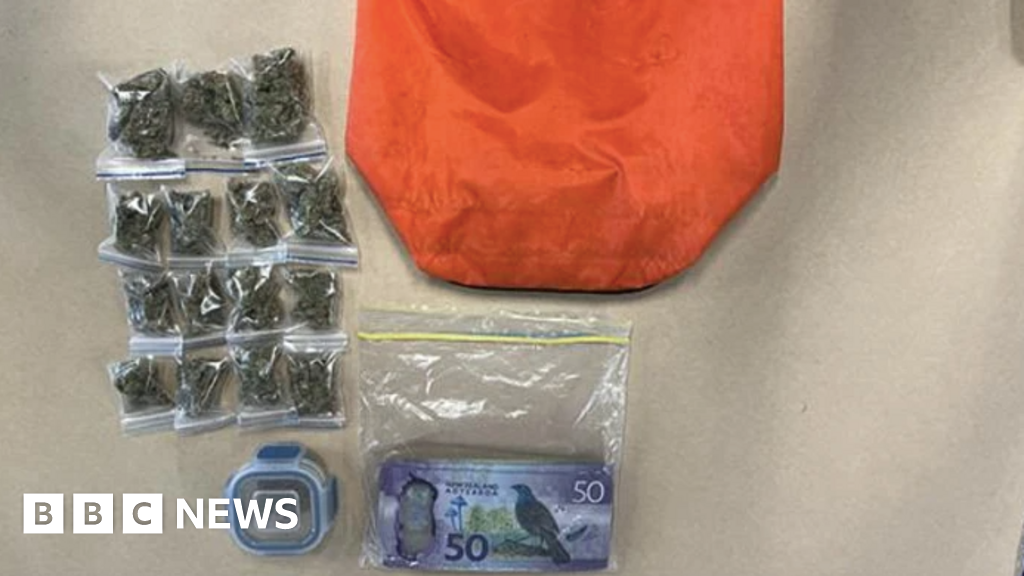
In a bizarre turn of events that has captivated local media and underscored the ongoing complexities surrounding drug laws in New Zealand, two teenagers have been arrested following the accidental abandonment of a backpack containing a significant quantity of cannabis and a substantial sum of cash outside a charity shop. The incident, which unfolded on February 18th in the Southland region, highlights a peculiar intersection of youthful indiscretion, unintended consequences, and the persistent legal status of recreational cannabis in the country.
The discovery was made by an observant volunteer at the charity shop who, upon noticing a particularly potent and distinctive aroma emanating from a backpack left in the donation area, decided to investigate. Their curiosity was rewarded with the uncovering of multiple plastic bags filled with what appeared to be marijuana, totaling 43.2 grams, alongside a considerable amount of cash – NZ$3,700, which converts to approximately $2,200 USD. The volunteer’s initial assessment of the contents, described by police as a "distinctive pungent aroma," quickly led to the realization that this was no ordinary donation.
According to a statement released by New Zealand Police, the two teenagers, identified as a 16-year-old male and a 16-year-old female, had apparently left the backpack outside the establishment while they awaited the servicing of their vehicle. Their subsequent return to the scene, described by authorities as being in a state of "agitation" as they frantically searched for their lost belongings, is what ultimately led to their apprehension. The charity shop staff, initially mistaking the discarded bag for another item meant for donation, had already brought the suspicious package inside, inadvertently becoming custodians of illicit substances and a considerable amount of money.
The possession and distribution of recreational cannabis remain illegal in New Zealand. This legal framework is a direct consequence of a 2020 referendum, a national vote that saw voters narrowly reject a proposal to legalize recreational cannabis. The referendum, a highly debated and closely watched event, aimed to shift the country’s approach to cannabis from prohibition to a regulated market. However, the outcome meant that the existing laws, which criminalize both the use and sale of the drug, remained in effect. This decision has continued to shape the legal landscape for cannabis-related offenses, impacting individuals caught with even relatively small amounts.
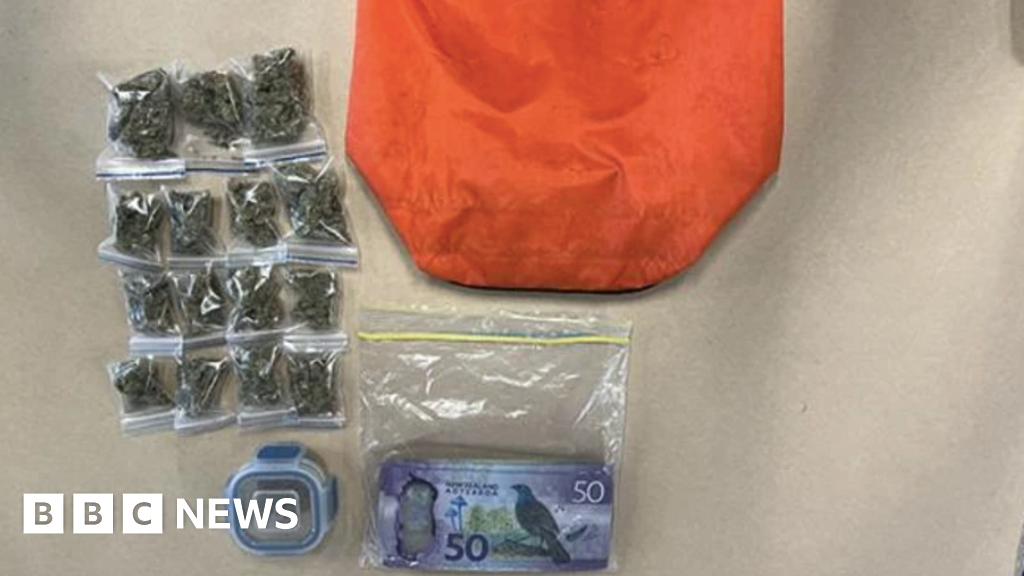
A police spokesperson, speaking to the New Zealand Herald, elaborated on the moment of discovery. "When the shop worker took the bag inside, they noticed that this particular donation had a distinctive pungent aroma," the spokesperson stated. "Once it was opened, it quickly emerged why." This olfactory clue served as the initial red flag, leading to the unearthing of the illegal contents.
Beyond the cannabis and cash, a subsequent search of the teenagers’ vehicle by officers revealed further items of interest. Among these were an air pistol, the possession of which is subject to licensing and strict supervision requirements for individuals under the age of 18 in New Zealand. The search also uncovered a police scanner, an electronic device that, while not illegal to possess in itself, carries significant legal ramifications if its information is used for criminal purposes or disseminated. The laws surrounding police scanners in New Zealand are designed to prevent individuals from interfering with law enforcement activities or gaining an unfair advantage by monitoring police communications.
The arrest of the two 16-year-olds brings into focus the complexities of juvenile justice in New Zealand, particularly concerning drug offenses. Officials have, at this juncture, withheld specific details regarding any potential charges that may be laid against the teenagers or their upcoming court appearances. This reticence is a direct reflection of New Zealand’s stringent rules governing the reporting of cases that fall under the purview of the Youth Court. These regulations are in place to protect the privacy and future prospects of young offenders, ensuring that their involvement with the justice system does not disproportionately impact their long-term development.
The case also serves as a poignant reminder of the societal debate surrounding cannabis legalization in New Zealand. The 2020 referendum, which ultimately upheld the prohibition of recreational cannabis, was a watershed moment in the country’s drug policy discussions. Proponents of legalization argued for a more public health-oriented approach, suggesting that regulation could lead to better quality control, reduced black market activity, and the generation of tax revenue. Opponents, however, raised concerns about potential increases in addiction rates, impaired driving, and the broader societal impact of increased drug availability. The narrow defeat of the legalization measure meant that New Zealand continues to grapple with the challenges of enforcing existing drug laws while public opinion and international trends increasingly lean towards decriminalization or legalization.
The incident at the charity shop, while seemingly minor in its immediate scale, touches upon a multitude of broader issues. It highlights the often-unforeseen consequences of carrying illicit substances and large sums of cash, particularly for young individuals. It underscores the diligence of community members, like the observant charity shop volunteer, in identifying and reporting suspicious activity. Furthermore, it brings into sharp relief the ongoing legal and societal debates surrounding cannabis in New Zealand, a nation that, despite a close call, has chosen to maintain its prohibitory stance. The future legal status of cannabis in New Zealand remains a topic of ongoing discussion and potential legislative action, with this incident serving as another data point in a continuously evolving narrative. The involvement of an air pistol and a police scanner further complicates the legal picture, suggesting a level of youthful engagement with potentially risky items that goes beyond simple possession of cannabis, prompting a comprehensive investigation by law enforcement into the full extent of the teenagers’ activities. The anonymity afforded by the Youth Court system will ensure that these young individuals are afforded due process, while the broader public will continue to observe the societal implications of drug laws in New Zealand.