
 By Titik Puspa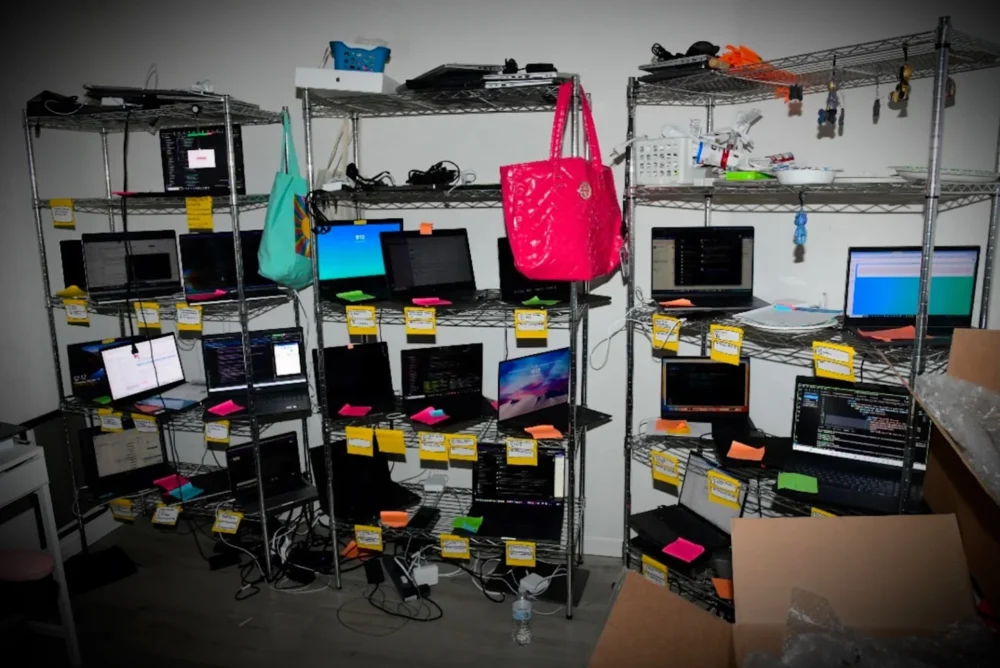
A federal court in the United States has handed down a five-year prison sentence to Oleksandr Didenko, a Ukrainian national, for his pivotal role in a sophisticated, long-running identity theft operation that facilitated the fraudulent employment of overseas North Korean workers within numerous American companies. The scheme, which aimed to circumvent international sanctions and generate revenue for the isolated North Korean regime, saw Didenko, 29, of Kyiv, charged by U.S. prosecutors in 2024 with establishing a system that provided North Koreans with the stolen identities of U.S. citizens. This enabled them to secure employment and earn wages, with the illicit earnings ultimately being funneled back to Pyongyang to bolster its internationally condemned nuclear weapons program.
This sentencing represents the latest development in a series of recent convictions targeting individuals implicated in the ongoing facilitation of North Korea’s so-called "IT worker" schemes. These operations have become a significant concern for U.S. and Western businesses, with security researchers characterizing North Korean workers as a "triple threat." Firstly, their engagement violates stringent U.S. sanctions imposed on North Korea. Secondly, these workers actively enable North Koreans to infiltrate companies and potentially steal sensitive corporate data. Thirdly, they engage in extortion, threatening to expose stolen corporate secrets if victim companies refuse to pay them off.
Didenko’s operation centered around a website he managed, known as Upworksell. This platform served as a marketplace where individuals working abroad, including those from North Korea, could purchase or rent stolen identities. These fraudulent identities were then used to gain employment with U.S. firms, effectively masking the true identity of the worker. According to the Department of Justice, Didenko handled an astonishing volume of illicit activity, managing over 870 stolen identities through his platform. This vast repository of compromised personal information highlights the scale and ambition of the operation he helped to build and sustain.
The extent of Didenko’s involvement and the nature of his illicit enterprise were further illuminated by the U.S. Department of Justice in a statement released this week. The statement detailed that Didenko went beyond simply providing stolen identities. He also actively recruited and compensated individuals within the United States to host "laptop farms" at their residences. These locations, situated in states like California, Tennessee, and Virginia, were essentially rooms filled with racks of open laptops. This setup allowed North Korean workers, physically located thousands of miles away, to remotely access and operate these machines as if they were physically present in the United States, thereby circumventing geographical and employment verification barriers.
The FBI’s decisive action against Upworksell occurred in 2024, when the agency successfully seized the website. Its traffic was then rerouted to FBI servers, effectively disrupting Didenko’s operation. The apprehension of Didenko himself took place in Poland, where he was subsequently extradited to the United States. Following his extradition, Didenko entered a guilty plea, acknowledging his role in the elaborate scheme. This sequence of events underscores the international cooperation required to dismantle such transnational criminal enterprises.
The broader context of North Korea’s persistent efforts to generate revenue through illicit means cannot be overstated. The country faces severe international sanctions due to its nuclear weapons program and other destabilizing activities. Consequently, it has been forced to explore unconventional and often illegal avenues to acquire foreign currency. The "IT worker" schemes are a prime example of this, allowing the regime to bypass the global financial system that is largely inaccessible to it. Security giant CrowdStrike has been at the forefront of identifying and reporting on these activities. Last year, CrowdStrike noted a significant surge in North Korean workers infiltrating companies, often by posing as remote developers or other technical software engineering professionals. This trend poses a substantial threat to the cybersecurity and financial integrity of businesses worldwide.

Beyond the direct employment schemes, North Korean actors have also demonstrated a propensity for more aggressive and deceptive tactics. They are known to impersonate recruiters and venture capitalists in elaborate phishing and social engineering attacks. The objective of these impersonations is to trick unsuspecting individuals, particularly those with high net worth or access to sensitive information, into granting them unauthorized access to their computers. This access can then be exploited to steal cryptocurrency, intellectual property, or other valuable digital assets. The sophisticated nature of these attacks, coupled with the sheer volume of attempts, paints a grim picture of North Korea’s persistent efforts to exploit global digital infrastructure for its own gain.
The "laptop farm" strategy, as implemented by Didenko and his associates, is a particularly ingenious, albeit illegal, method of overcoming the limitations imposed by North Korea’s isolation. By creating a virtual presence within the United States, North Korean workers can present themselves as legitimate employees, often fulfilling roles that require proximity to U.S. infrastructure or data. This allows them to bypass the scrutiny that might otherwise be applied to overseas contractors. The use of stolen identities further compounds the deception, making it exceedingly difficult for employers to detect the fraudulent nature of the employment. The sheer number of identities Didenko managed suggests a highly organized and systematic approach to identity theft, likely involving the acquisition of personal information through various hacking and data breach methods.
The U.S. government’s pursuit of individuals like Didenko is a critical component of its broader strategy to counter North Korea’s illicit financing activities. By disrupting these revenue streams, the U.S. aims to impede the regime’s ability to fund its weapons programs and other destabilizing actions. The successful prosecution and sentencing of Didenko send a strong message to others who might consider engaging in similar criminal enterprises. The complexity of these schemes, often involving international coordination and sophisticated technical means, requires a robust and multifaceted response from law enforcement and intelligence agencies worldwide.
The involvement of individuals from countries like Ukraine in these schemes highlights the global reach of North Korea’s illicit networks. While North Korea is the ultimate beneficiary, the actual execution of these operations often relies on individuals in other nations who can facilitate the procurement of stolen identities, manage online platforms, or provide logistical support within target countries. Didenko’s role as a Ukrainian national operating a U.S.-based website demonstrates the intricate web of international actors that North Korea leverages to achieve its objectives.
The ongoing threat posed by these North Korean IT worker schemes necessitates continued vigilance from both government agencies and private sector entities. Companies are advised to implement stringent cybersecurity measures, including robust identity verification processes for remote employees, regular security awareness training for staff, and sophisticated threat detection systems. The exploitation of the remote work trend, amplified by the global pandemic, has provided North Korean operatives with new avenues for infiltration.
The case of Oleksandr Didenko serves as a stark reminder of the evolving nature of cybercrime and state-sponsored illicit activities. The convergence of identity theft, international sanctions evasion, and sophisticated technological infrastructure creates a potent threat that requires a concerted and sustained effort to combat. The five-year prison sentence, while significant, is a step in a larger, ongoing battle to disrupt North Korea’s ability to finance its dangerous agenda on the global stage. The FBI’s seizure of Upworksell and Didenko’s subsequent extradition and guilty plea demonstrate the effectiveness of international cooperation and law enforcement action in bringing such criminals to justice. The continued efforts to dismantle these networks are crucial for protecting U.S. companies and upholding international security. The financial implications for victim companies can be substantial, not only in terms of direct financial losses but also through the potential compromise of sensitive data and the reputational damage that can result from security breaches. Furthermore, the funds generated through these schemes contribute directly to a regime that poses a significant threat to global peace and stability.