
 By admin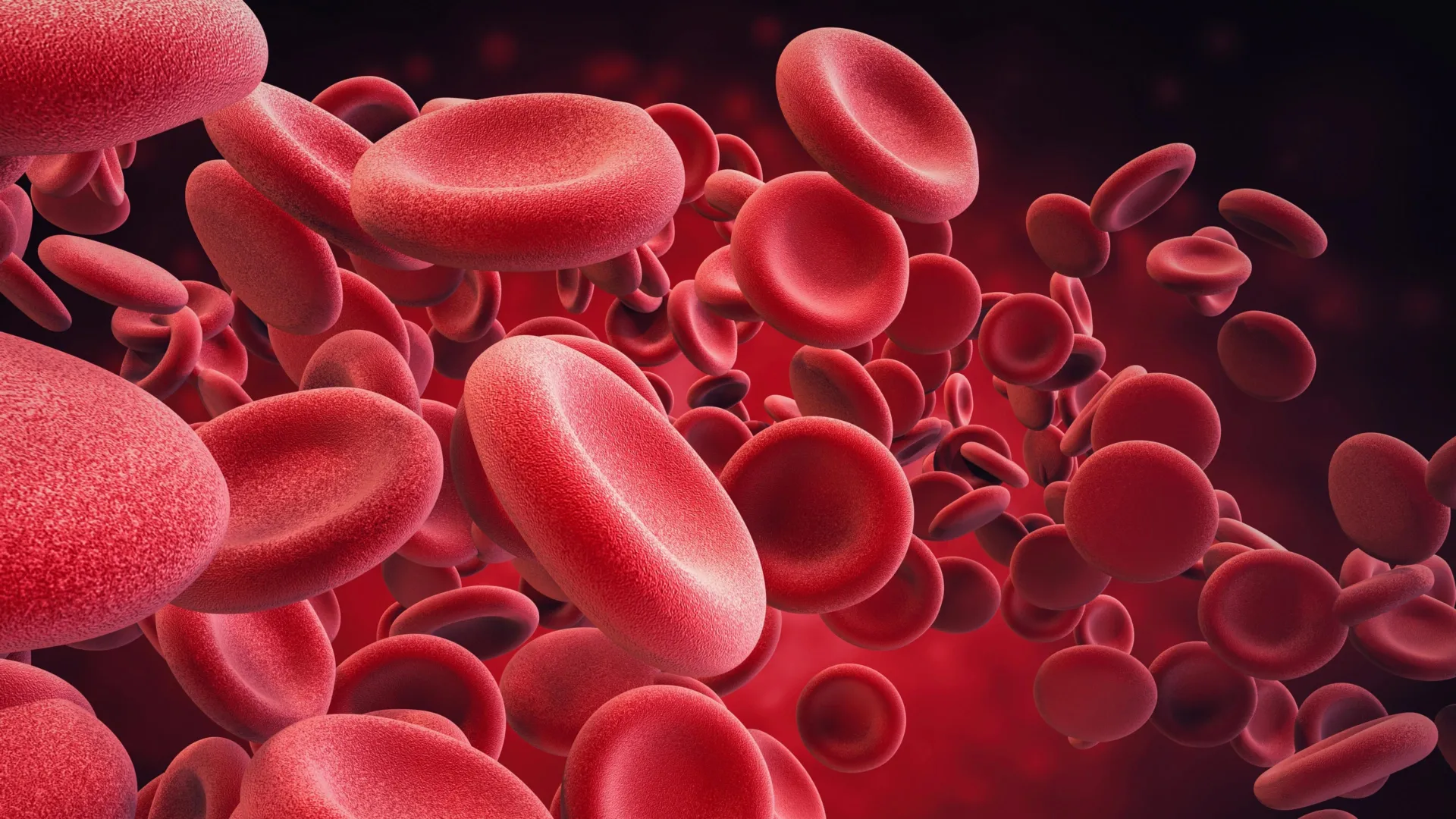
Red blood cells (RBCs), or erythrocytes, are the body’s indispensable oxygen transporters, responsible for ferrying life-sustaining oxygen from the lungs to every tissue and organ, while simultaneously collecting carbon dioxide for expulsion. Their remarkable efficiency is largely dependent on their unique biconcave disc shape and, crucially, their extraordinary flexibility. This pliability allows them to contort and squeeze through capillaries, blood vessels often narrower than the cells themselves, ensuring oxygen delivery to the most remote cellular outposts and efficient waste removal. Any compromise to this inherent flexibility can have profound implications for cellular metabolism and overall physiological performance, particularly in contexts of high metabolic demand such as extreme exercise.
Previous scientific investigations have long observed a phenomenon dubbed "sports anemia" or "runner’s anemia" among endurance athletes, particularly ultramarathoners. This condition, characterized by a reduction in healthy red blood cells or hemoglobin concentration, can manifest as fatigue, diminished performance, and impaired recovery. Earlier research, including studies referenced by the current paper, indicated that ultramarathon runners frequently experience a measurable breakdown of healthy red blood cells during and immediately after grueling races. This exercise-induced hemolysis, or destruction of red blood cells, was suspected to be a significant contributor to the transient anemic states observed. However, the precise underlying mechanisms driving this cellular destruction and functional impairment had not been fully elucidated. The intricate molecular cascades and biophysical changes within the red blood cells themselves remained largely a mystery, prompting a need for more detailed investigation into how these extreme events fundamentally alter the very cells responsible for oxygen transport.
The new study, a collaborative effort shedding unprecedented light on these mechanisms, reveals that following prolonged ultra-endurance races, red blood cells exhibit a marked decrease in flexibility. This diminished deformability is a critical discovery, as it directly impacts their ability to navigate the body’s vast microvascular network. When red blood cells lose their capacity to bend and reshape, their passage through the narrowest capillaries becomes impeded, potentially restricting oxygen supply to working muscles and vital organs, thereby compromising both athletic performance and recovery. Beyond this crucial functional observation, the research team also meticulously constructed the most comprehensive molecular profile to date, detailing the myriad ways in which endurance races fundamentally alter the biochemical landscape of red blood cells. This molecular mapping, utilizing advanced ‘omics’ technologies, provides a granular view of the cellular stress response, pinpointing specific changes in proteins, lipids, and metabolic pathways that contribute to cellular dysfunction.
Dr. Travis Nemkov, PhD, an associate professor in the department of biochemistry and molecular genetics at the University of Colorado Anschutz and the study’s lead author, underscored the systemic impact of these events. "Participating in events like these can cause general inflammation in the body and damage red blood cells," Dr. Nemkov stated. His comments highlight that the stress is not localized but rather triggers a widespread physiological response, with the most abundant cell in the human body bearing a significant brunt of this persistent strain. He further elaborated on the current understanding: "Based on these data, we don’t have guidance as to whether people should or should not participate in these types of events; what we can say is, when they do, that persistent stress is damaging the most abundant cell in the body." This nuanced perspective acknowledges the personal choice inherent in endurance sports while emphasizing the undeniable biological consequences that warrant further investigation. The implication is that while the human body possesses remarkable adaptive capacities, there may be a threshold beyond which the physiological costs begin to outweigh the benefits, especially at the cellular level.
To thoroughly investigate these cellular effects, the researchers embarked on a meticulously designed study, measuring key indicators of red blood cell health both immediately before and after athletes competed in two exceptionally demanding ultra-endurance events. The chosen races represented distinct levels of extreme exertion, allowing for a comparative analysis of damage accumulation: the Martigny-Combes à Chamonix race, spanning 40 kilometers (approximately 25 miles), and the iconic Ultra Trail de Mont Blanc (UTMB) race, a monumental challenge covering 171 kilometers (106 miles) through rugged alpine terrain. The inclusion of two races of significantly different distances was crucial for assessing a dose-response relationship between exercise intensity/duration and cellular damage, providing a gradient of stress exposure.
The intrinsic role of red blood cells in oxygen transport and waste product removal throughout the body means that their ability to flex and deform is not merely advantageous but absolutely critical for efficient circulation, especially within the vast network of capillaries. Without this remarkable adaptability, efficient gas exchange at the cellular level would be severely compromised, leading to hypoxia in tissues and accumulation of metabolic byproducts, thereby impairing muscle function and overall endurance capacity.
The research team collected blood samples from a cohort of 23 dedicated runners participating in these events. Samples were drawn immediately prior to the start of each race and again within a short window following their completion. This precise timing allowed for a direct comparison of cellular states before and after the acute stress of the race, providing a clear snapshot of immediate physiological changes. The subsequent laboratory analysis was exceptionally comprehensive, utilizing advanced ‘omics’ technologies – specifically proteomics (study of proteins), lipidomics (study of lipids), metabolomics (study of metabolites), and trace element analysis. These techniques allowed for the simultaneous scrutiny of thousands of molecular components present in both the blood plasma and within the red blood cells themselves. This multi-omic approach provided an unparalleled molecular snapshot of the physiological changes occurring at a cellular level, enabling the identification of specific biomarkers and pathways affected by ultra-endurance exertion.
The results of this exhaustive analysis consistently revealed unequivocal signs of red blood cell injury, driven by a complex interplay of both mechanical and molecular factors. The mechanical stress components were likely exacerbated by the significant shifts in fluid pressure experienced as blood circulates vigorously throughout the body during intense, prolonged running. This includes phenomena such as increased shear stress on vessel walls as blood is pumped at high velocity, the physical impact of repetitive foot strikes (a well-documented cause of ‘foot strike hemolysis’ where RBCs are damaged in the capillaries of the feet), and the continuous, forceful deformation of cells as they are squeezed through capillaries under high flow rates. Concurrently, molecular damage appeared intrinsically linked to systemic inflammation and oxidative stress. Inflammation, a natural physiological response to intense exercise, can, when prolonged or excessive, release a cascade of pro-inflammatory cytokines that directly or indirectly harm cells. Oxidative stress, on the other hand, occurs when there is an imbalance between the production of reactive oxygen species (highly reactive molecules known as free radicals) and the body’s ability to detoxify them or repair the resulting damage. These free radicals can directly attack and damage crucial cellular components, including the membranes, DNA, and internal machinery of red blood cells, leading to their premature aging and dysfunction.
A compelling finding from the study was the clear dose-response relationship between race distance and the extent of cellular damage. Evidence of accelerated aging and an increased breakdown of red blood cells was distinctly visible even after the "shorter" 40-kilometer race. However, these detrimental effects were found to be even more pronounced and severe among the athletes who successfully completed the monumental 171-kilometer Ultra Trail de Mont Blanc event. This quantitative difference strongly suggests that the cumulative stress, duration of exertion, and sheer distance covered in ultra-endurance events directly correlate with the degree of red blood cell loss and the extent of damage sustained by the remaining circulating cells. The longer the athlete pushed their body, the greater the cellular compromise, indicating a potential threshold effect where the body’s reparative and adaptive mechanisms become overwhelmed.
Dr. Nemkov further elaborated on this threshold phenomenon: "At some point between marathon and ultra-marathon distances, the damage really starts to take hold." This observation points towards a critical physiological tipping point where the body’s adaptive mechanisms begin to be overwhelmed by the sustained and extreme demands placed upon them. Despite identifying this damage, Dr. Nemkov emphasized the current knowledge gap: "We’ve observed this damage happening, but we don’t know how long it takes for the body to repair that damage, if that damage has a long-term impact, and whether that impact is good or bad." This uncertainty highlights the urgent need for follow-up research to understand the recovery kinetics of red blood cells post-ultra-endurance and to ascertain the potential for chronic health consequences or, conversely, long-term adaptive benefits. It opens questions about individual variability in recovery, the role of training history, and genetic predispositions.
The findings of this study carry profound implications, extending beyond the immediate concerns of endurance athletes to broader medical applications. With further dedicated research, the insights gained could revolutionize approaches to personalized training, nutrition, and recovery strategies specifically tailored for individuals engaging in extreme endurance exercise. By understanding the precise cellular mechanisms of damage, coaches and sports scientists could develop evidence-based protocols aimed at optimizing athletic performance while simultaneously mitigating potential physiological harm. This might involve customized nutritional interventions focusing on antioxidant intake, targeted supplementation to support red blood cell integrity and iron status, or refined training periodization to allow for adequate cellular recovery. The goal would be to help athletes achieve their peak performance sustainably, minimizing the risk of overtraining syndrome or long-term health detriments that could arise from chronic cellular stress.
Moreover, the work holds broader medical relevance, particularly for the critical field of transfusion medicine and blood storage practices. Stored blood, a lifeline for countless patients requiring transfusions, inherently begins to deteriorate after collection. This process, often termed the "storage lesion," involves a series of biochemical and morphological changes that compromise red blood cell viability and function over time. These changes can include decreased deformability, increased fragility, and reduced oxygen-carrying capacity. Under current U.S. Food and Drug Administration (FDA) regulations, donated blood must be discarded after a maximum of six weeks due to this degradation. Understanding how the intense physical stress of ultra-endurance exercise affects red blood cells at a molecular level could provide unprecedented insights into the fundamental pathways of red blood cell aging and damage. This knowledge could, in turn, be leveraged to develop novel strategies for improving blood storage practices, potentially extending the shelf life of transfusable blood units and ensuring a more robust and readily available supply for patients in need.
Dr. Angelo D’Alessandro, PhD, a distinguished professor at the University of Colorado Anschutz and a member of the Hall of Fame of the Association for the Advancement of Blood and Biotherapies, eloquently articulated this compelling parallel. "Red blood cells are remarkably resilient, but they are also exquisitely sensitive to mechanical and oxidative stress," Dr. D’Alessandro observed. He drew a direct connection between the two seemingly disparate fields: "This study shows that extreme endurance exercise pushes red blood cells toward accelerated aging through mechanisms that mirror what we observe during blood storage." This shared pathway of cellular degradation, whether induced by extreme physical exertion or by the conditions of refrigerated storage, presents a unique and invaluable opportunity. By unraveling these common mechanisms, researchers can gain a deeper understanding of how to better protect red blood cell function, benefiting not only elite athletes striving for peak performance but also vulnerable patients reliant on safe and effective blood transfusions. The convergence of sports science and transfusion medicine, therefore, promises synergistic advancements in cellular health and therapeutic applications.
While the study offers groundbreaking insights, the researchers were forthright in acknowledging its inherent limitations. The investigation involved a relatively small cohort of 23 participants, which, while providing detailed data, limits the immediate generalizability of the findings across the broader athletic population. Furthermore, the participant group lacked significant racial diversity, an important consideration for understanding how genetic and physiological variations might influence cellular responses to extreme exercise. Another key limitation was the collection of blood samples at only two discrete time points: immediately before and immediately after the races. This snapshot approach provides valuable insight into acute changes but does not capture the dynamic recovery process or the long-term adaptations that might occur over days or weeks post-event.
Recognizing these constraints, the investigators have outlined ambitious plans for future research. They intend to significantly expand the scope of their studies by including a larger and more diverse pool of participants, thereby enhancing the statistical power and representativeness of their findings. Crucially, future investigations will incorporate additional blood sampling time points, extending into the recovery period following races. This will allow for a comprehensive mapping of the kinetics of red blood cell repair and regeneration, offering insights into how long the damage persists and what specific biological processes are involved in cellular recuperation. More detailed measurements after races will also be pursued, potentially including functional assessments of red blood cell deformability and oxygen-carrying capacity over extended periods.
Beyond athletic performance, the team remains committed to further exploring the implications for transfusion medicine, specifically focusing on ways to extend the shelf life of stored blood. This could involve investigating novel additive solutions, optimizing storage temperatures, or identifying pharmaceutical interventions that mimic the body’s natural protective mechanisms against cellular damage. The interdisciplinary nature of this research holds immense promise for advancing both athletic health and clinical practice, bridging the gap between elite performance and foundational biological understanding. As ultra-endurance sports continue to grow in popularity, a clearer understanding of their physiological toll becomes increasingly vital for ensuring the long-term health and safety of participants, while simultaneously yielding unexpected benefits for broader medical challenges. This comprehensive approach underscores the intricate connections within human physiology, where the extremes of athletic endeavor can illuminate fundamental biological processes relevant to health far beyond the finish line.