
 By admin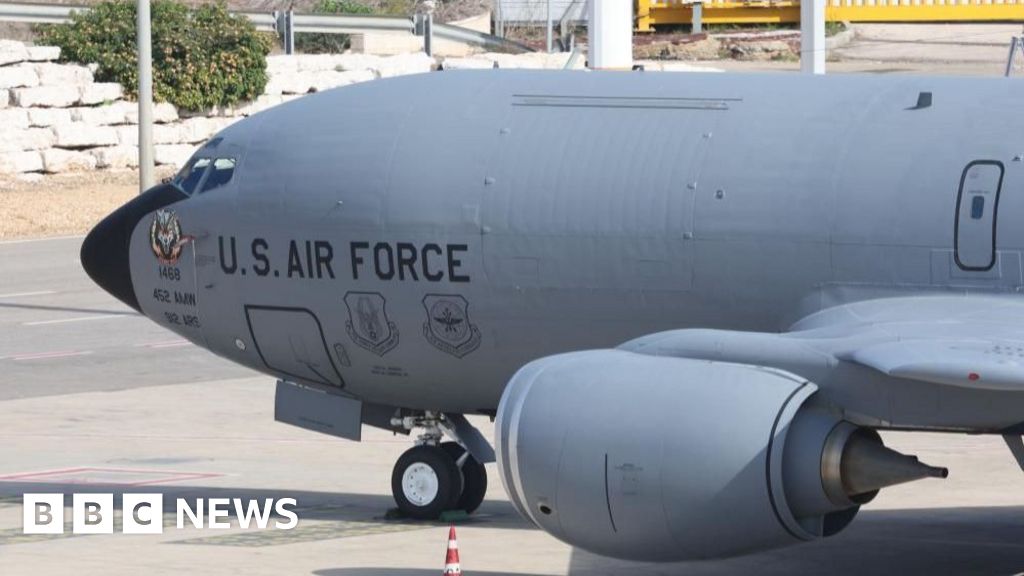
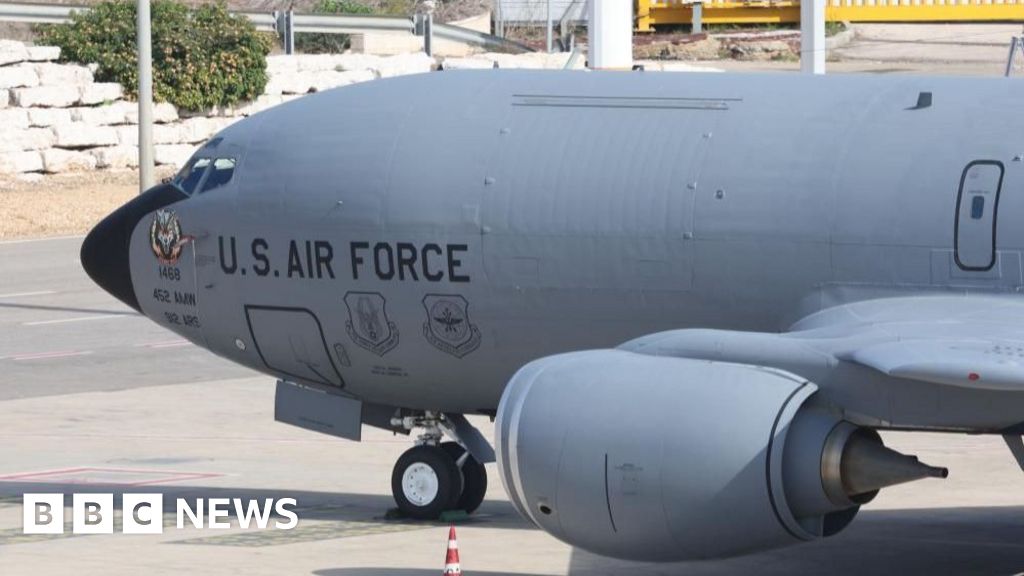
In a somber development within the ongoing conflict, a United States Air Force Boeing KC-135 Stratotanker aerial refuelling aircraft has crashed in western Iraq, resulting in the confirmed deaths of four of its six crew members, according to a statement released by the US Central Command (Centcom). The incident, which occurred on Thursday at approximately 14:00 ET (19:00 GMT), has triggered ongoing rescue efforts and an immediate investigation into the circumstances surrounding the loss of the vital military asset. Centcom has explicitly stated that neither hostile nor friendly fire were involved in the downing of the aircraft, a crucial piece of intelligence in a region fraught with complex geopolitical dynamics and the presence of various armed factions.
The KC-135 Stratotanker, a workhorse of the US military’s aerial refuelling capabilities, was reportedly engaged in ongoing US operations against Iran at the time of the crash. This refuelling capability is paramount for extending the operational range and endurance of combat aircraft, allowing them to conduct prolonged missions deep into enemy territory or across vast distances. The aircraft is a cornerstone of modern air power projection, and its loss represents a significant blow to operational capacity. The KC-135, manufactured by Boeing, has a storied history, having been a critical component of air operations during the first Gulf War, where it enabled fighter jets and bombers to reach targets previously beyond their unrefuelled range. Typically, the aircraft operates with a crew of at least three: a pilot, a co-pilot, and a boom operator, who is responsible for the precise manoeuvre of the refuelling boom to connect with receiving aircraft. The confirmed deaths of four crew members underscore the inherent risks associated with military aviation operations, particularly in active theatres of operation.
The crash occurred over what Centcom described as friendly airspace. However, this designation is complicated by the volatile nature of the region, which includes areas where pro-Iranian militias are known to operate. Adding a layer of contention to the incident, Iran’s military claimed on state television that an allied group had targeted the plane with a missile. This assertion directly contradicts the US military’s initial assessment and highlights the ongoing information war and propaganda efforts that often accompany military engagements in the Middle East. The discrepancy in accounts fuels speculation and underscores the need for a thorough and transparent investigation to ascertain the definitive cause of the crash.
The loss of the KC-135 brings the official US military death toll in the current conflict with Iran, which began approximately a fortnight ago, to 11. This figure represents a stark reminder of the human cost of escalating regional tensions. Furthermore, the US military has now lost at least four aircraft during this current war. Earlier this month, three F-15 fighter jets were lost in what officials described as an "apparent friendly fire incident" over Kuwait. While all six crew members in that incident were able to safely eject, the loss of multiple aircraft in such a short period raises questions about operational safety, training protocols, and the potential for systemic issues.
The KC-135 Stratotanker, originally designed in the 1950s and early 1960s, remains a vital asset due to its robust design and unparalleled refuelling capabilities. Its ability to transfer vast amounts of fuel to other aircraft mid-flight is indispensable for maintaining air superiority, conducting long-range bombing missions, and providing logistical support to deployed forces. The aircraft’s enduring presence in the US Air Force fleet is a testament to its adaptability and the strategic importance of aerial refuelling in modern warfare. The investigation into the crash will likely focus on a myriad of factors, including potential mechanical failures, pilot error, environmental conditions, and any external factors that may have contributed to the disaster.
In a separate but related development, Israel’s military announced on Friday that it had launched a "wide-scale wave of strikes" targeting Iranian infrastructure across Tehran. This aggressive action, reported to have resulted in explosions in and near the Iranian capital, signals a significant escalation in the ongoing hostilities between Israel and Iran, and by extension, the broader regional conflict involving the US. The interconnectedness of these events underscores the volatile nature of the Middle East and the potential for rapid escalation of conflict.
US President Donald Trump has publicly commented on the evolving situation, indicating that the war could conclude "very soon," particularly in light of a significant surge in oil prices. However, he has also left open the possibility of further military action, stating that the US could "go further." This dual messaging reflects the complex balancing act of projecting strength while seeking de-escalation, a characteristic of US foreign policy in the region.

Adding to the toll of casualties, France’s military reported on Friday that a drone strike had killed a French soldier, identified as Staff Sgt. Arnaud Frion, and wounded six others at a Kurdish military base in northern Iraq two days prior. The soldiers were reportedly stationed at the base to train Iraqi units, highlighting the broader international involvement in combating extremist elements and stabilising the region. This incident underscores the pervasive threat posed by drone warfare and the inherent dangers faced by personnel engaged in training and advisory roles in conflict zones.
The crash of the KC-135 in Iraq, coupled with the broader regional escalation, paints a grim picture of the current geopolitical landscape. The loss of life, the destruction of valuable military assets, and the heightened risk of wider conflict are all stark indicators of the ongoing instability. As investigations commence and diplomatic efforts, however strained, continue, the world watches closely, hoping for a de-escalation of hostilities and a peaceful resolution to the simmering tensions that threaten to engulf the region. The strategic importance of the KC-135, its role in projecting US air power, and the loss of its crew members serve as a poignant reminder of the sacrifices made in the pursuit of national security and regional stability. The interconnected nature of the ongoing conflict, with actions by Iran, Israel, and the US all having ripple effects, necessitates a comprehensive understanding of the complex web of alliances, rivalries, and proxy engagements that define the contemporary Middle East. The investigation into the KC-135 crash will be crucial in determining accountability and informing future operational strategies, but the immediate focus remains on the human cost and the broader implications for regional security. The prolonged nature of the current US-Israel war with Iran, now entering its third week, suggests a deepening and potentially protracted engagement, with the KC-135 incident marking another tragic chapter in this unfolding conflict. The loss of multiple aircraft also raises concerns about the operational readiness and the potential strain on US military resources in the region. The geopolitical implications of these events are far-reaching, impacting not only the immediate belligerents but also global energy markets, international relations, and the ongoing fight against terrorism. The incident serves as a stark reminder that the Middle East remains a critical flashpoint, where localized conflicts can quickly metasten to broader regional conflagrations.