
 By admin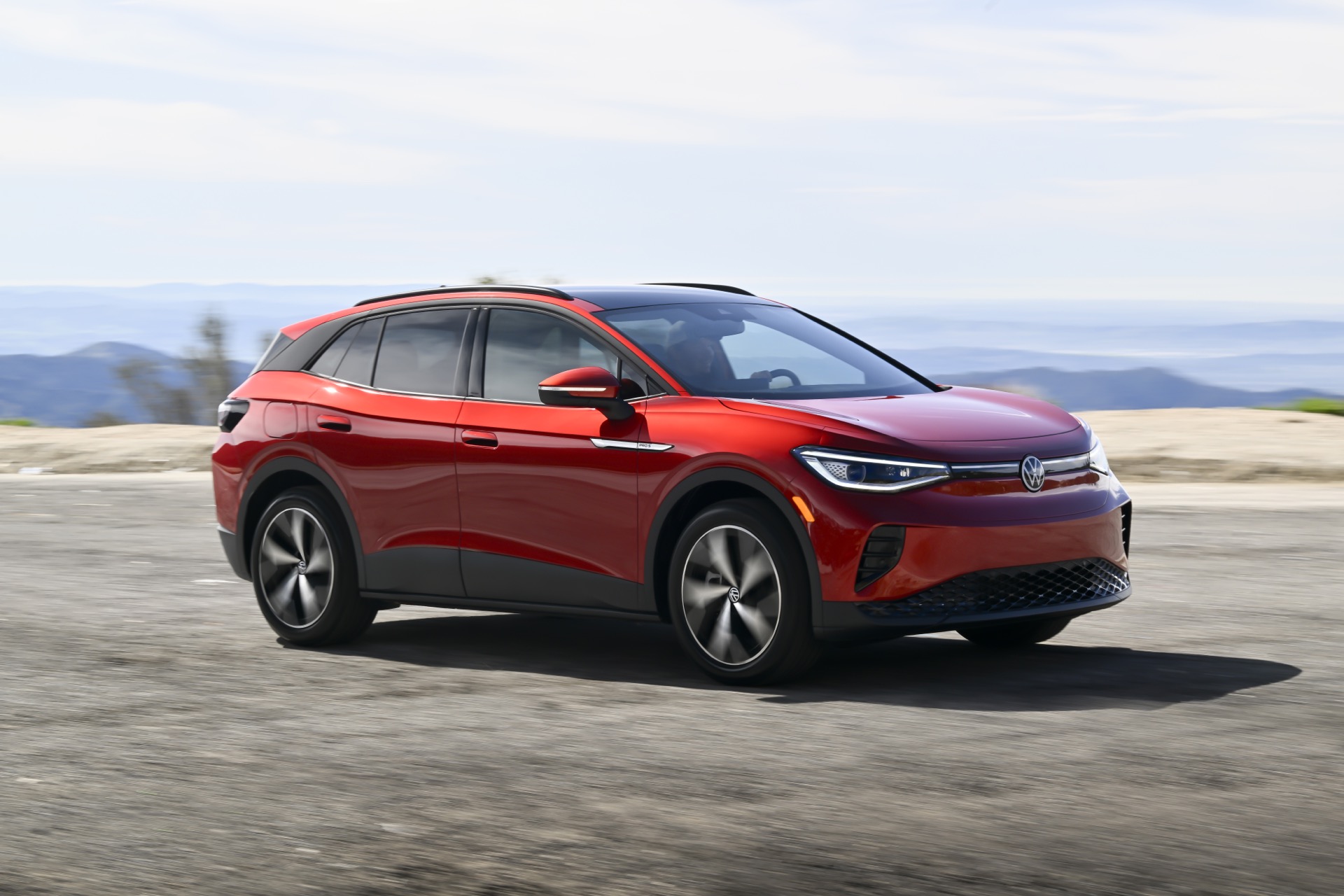
Volkswagen Group of America has initiated a significant safety recall impacting 13,769 units of its popular electric vehicles, specifically the 2024 Volkswagen ID.4 and certain 2024-2025 Audi Q4 E-Tron and Q4 E-Tron Sportback models. The core of this widespread recall, announced on March 18, 2025, centers not on the high-voltage battery packs that power these vehicles, but on a critical yet often overlooked component: the charging system for the conventional 12-volt battery. This seemingly minor issue has the potential for severe consequences, ranging from electronic system malfunctions to a complete loss of propulsion, underscoring the intricate dependency of modern electric vehicles on all their electrical systems.
The recall highlights a crucial vulnerability within the 12-volt battery’s charging mechanism. According to documents filed with the National Highway Traffic Safety Administration (NHTSA), the onboard charger responsible for maintaining the 12-volt battery’s charge may possess an insufficient protective coating on a printed circuit board (PCB). This deficiency leaves the sensitive electronics susceptible to environmental factors, particularly condensation. Should moisture ingress occur, it can lead to a malfunction of the charger, effectively preventing the 12-volt battery from recharging. The ramifications for drivers are substantial: despite the main high-voltage battery pack holding ample energy, a depleted 12-volt battery can cause a cascade of electronic failures, culminating in a loss of power, a host of dashboard warnings, and critically, the inability to restart the vehicle once it has been shut off.
While electric vehicles are primarily known for their large, high-voltage battery packs and electric motors, virtually all modern EVs also incorporate a traditional 12-volt battery. This battery serves a vital role, powering the vehicle’s low-voltage electrical systems, including essential components like the headlights, infotainment system, power windows, door locks, airbags, and crucially, the vehicle’s control modules and contactors that manage the flow of high-voltage power. In many EVs, the 12-volt battery is even responsible for "bootstrapping" the high-voltage system, meaning the car cannot start or operate without a healthy 12-volt supply. This is a common point of confusion for new EV owners, who might assume that a fully charged main battery guarantees operation. However, as this recall demonstrates, the 12-volt system is an Achilles’ heel that can render an otherwise perfectly charged EV completely immobile.
The specific defect, as detailed by the NHTSA, points to a manufacturing oversight where the protective coating, designed to shield the printed circuit board from moisture and contaminants, was inadequately applied. This lapse in quality control can allow condensation, a common occurrence in various climates and temperature fluctuations, to penetrate and disrupt the delicate circuitry. When such a malfunction is detected, the vehicle’s internal diagnostic systems are designed to issue multiple, prominent warnings to the driver. These warnings are intended to alert the operator to a critical fault, often accompanied by a significant reduction in driving functions, potentially including a "limp home" mode or, in severe cases, a complete shutdown to prevent further damage or ensure safety. This fail-safe mechanism, while intended to protect, ultimately leaves drivers stranded.
Volkswagen Group of America has outlined a clear remedy for the affected vehicles: the replacement of the faulty onboard charger. This repair will be performed by authorized Audi and Volkswagen dealerships free of charge to the owners. Given that all vehicles implicated in this recall are still relatively new and therefore under warranty, neither Audi nor Volkswagen anticipates the need to reimburse customers for any related costs they might have incurred prior to the recall announcement. This approach is standard industry practice for in-warranty repairs and recalls, aiming to minimize inconvenience and financial burden on vehicle owners.
Owner notification letters are scheduled to be mailed on April 29, providing ample time for owners to schedule their free repair. In the interim, and following the notification, owners of affected Volkswagen ID.4 models can proactively contact the brand’s customer service department at 1-800-893-5298 or visit their dedicated recall website at www.vw.com/en/owners-and-services/about-my-vehicle/recalls.html for additional information. The reference number for this specific Volkswagen recall is 93CJ. Similarly, Audi Q4 E-Tron and Q4 E-Tron Sportback owners can reach Audi’s customer service at 1-800-253-2834 or access their recall information at web.audiusa.com/recall/. Audi’s internal reference number for this campaign is 93FR. These resources are crucial for owners to verify if their specific vehicle is affected and to understand the next steps.
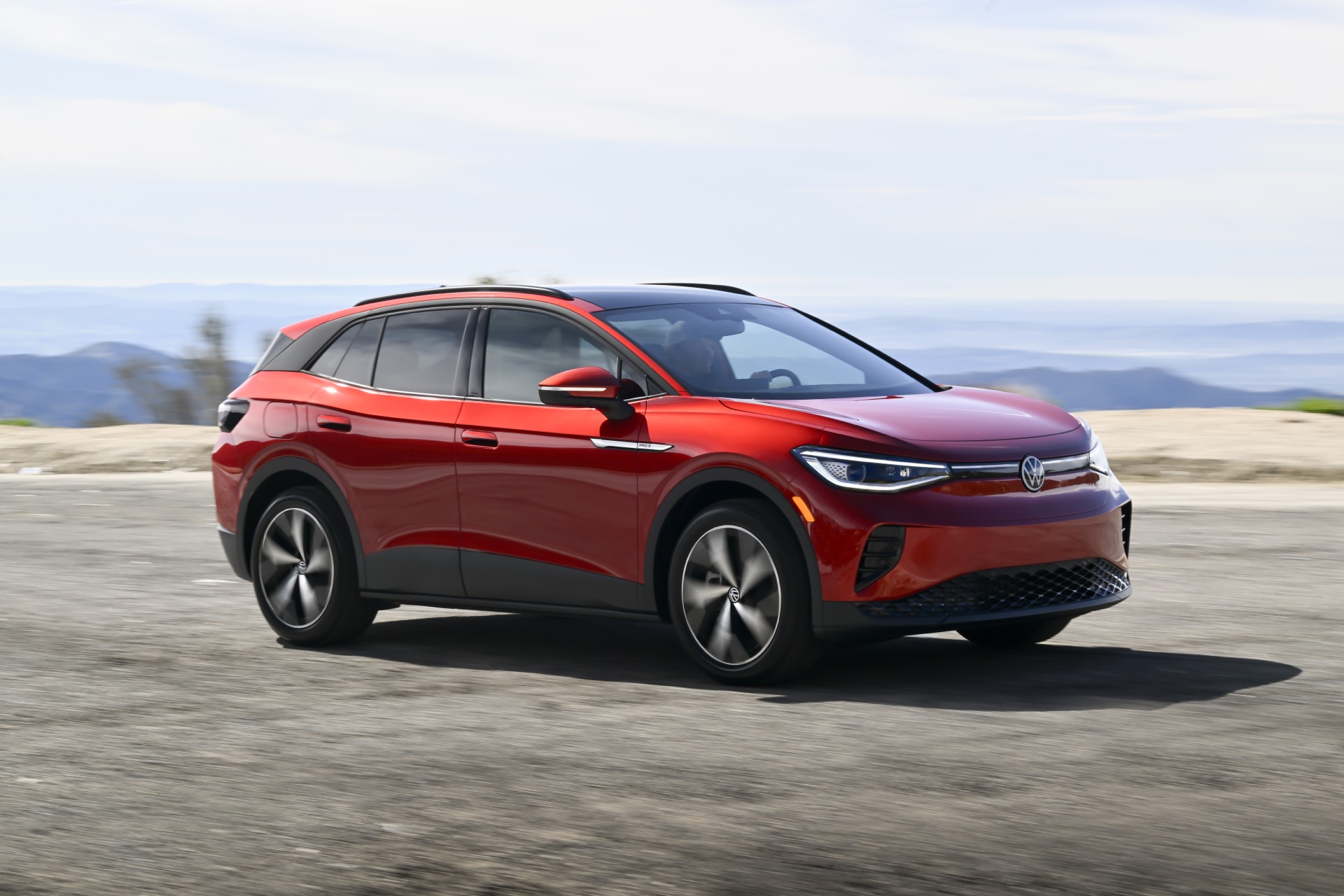
This recall for the 12-volt charging system is not an isolated incident for the Volkswagen ID.4 and Audi Q4 E-Tron. These two models, which are closely related and share the Volkswagen Group’s highly adaptable MEB (Modular Electric Drive Matrix) platform, have faced a series of recent recalls. The MEB platform is a cornerstone of VW Group’s electric vehicle strategy, designed to underpin a wide range of EVs from various brands within the conglomerate, including the Skoda Enyaq, Cupra Born, and future VW ID. models. While platform sharing offers significant advantages in terms of cost efficiency, accelerated development cycles, and economies of scale, it also introduces a potential vulnerability: a single defect in a shared component or software system can necessitate recalls across multiple models and brands, as seen here.
Earlier this month, both brands announced a separate recall affecting an even larger cohort of vehicles—60,490 units—due to a software error. This particular issue could prevent mandatory gear indicators from displaying correctly, posing a safety risk as drivers might not be fully aware of the vehicle’s selected drive mode. This software glitch highlights the increasing complexity of vehicle electronics and the challenges automakers face in ensuring flawless integration and functionality of advanced software systems.
Furthermore, the Volkswagen ID.4 specifically has grappled with its own set of production and quality challenges. Sales of the 2025 ID.4 had only just restarted following a prior recall for faulty door handles. This issue was significant enough to trigger a temporary stop-sale order and a halt in production, impacting the availability of the vehicle and adding to the brand’s logistical complexities. The repeated nature of these recalls—spanning hardware, software, and now a critical auxiliary power system—raises questions about the maturity of the ID.4’s design and manufacturing processes, as well as the initial quality checks during the vehicle’s launch phase.
From an industry perspective, these recurring recalls underscore the inherent difficulties in transitioning from conventional internal combustion engine (ICE) vehicle production to the nuanced world of electric vehicles. EVs, while mechanically simpler in some respects, introduce a new layer of complexity in terms of electrical architecture, battery management, and software integration. Automakers worldwide are navigating this learning curve, and quality control issues are not uncommon in the early stages of new platform or model rollouts. Tesla, a pioneer in the EV space, has also faced its share of recalls and software glitches, including instances related to its 12-volt battery systems in earlier models.
Automotive experts emphasize that while recalls are a normal part of the manufacturing process—a testament to rigorous safety monitoring and regulatory oversight—a pattern of multiple recalls for a relatively new model can erode consumer confidence. For brands like Volkswagen and Audi, which are making aggressive pushes into the electric vehicle market, maintaining an impeccable reputation for quality and reliability is paramount. Each recall, particularly those affecting fundamental operational aspects like the 12-volt system, adds a layer of scrutiny and can cause potential buyers to hesitate.
The importance of the 12-volt battery in an EV cannot be overstated. "Many people mistakenly believe that in an electric car, if the main battery is charged, you’re good to go," explains an automotive engineer specializing in EV power systems (hypothetical expert). "But the 12-volt system is often the ‘brain’ of the vehicle, controlling everything from the power steering and braking assistance to the contactors that connect the high-voltage battery to the motor. If that 12-volt battery dies, or its charging system fails, the car essentially becomes a very heavy brick, regardless of the range displayed on the main battery." This recall serves as a stark reminder of this critical dependency.
Looking ahead, Volkswagen Group will need to demonstrate swift and effective action to address these issues and reassure its customer base. Enhanced quality control measures at the manufacturing stage, particularly for critical electronic components like the 12-volt charger, will be essential. Furthermore, continuous software updates and rigorous testing protocols for all shared MEB platform components will be vital to prevent future widespread issues. The success of their ambitious electrification strategy hinges not just on innovative design and performance, but fundamentally on the perceived and actual reliability of their electric offerings. For the owners of ID.4 and Q4 E-Tron models, the prompt and free replacement of the faulty charger will be a necessary step in restoring confidence in their advanced electric vehicles.