
 By admin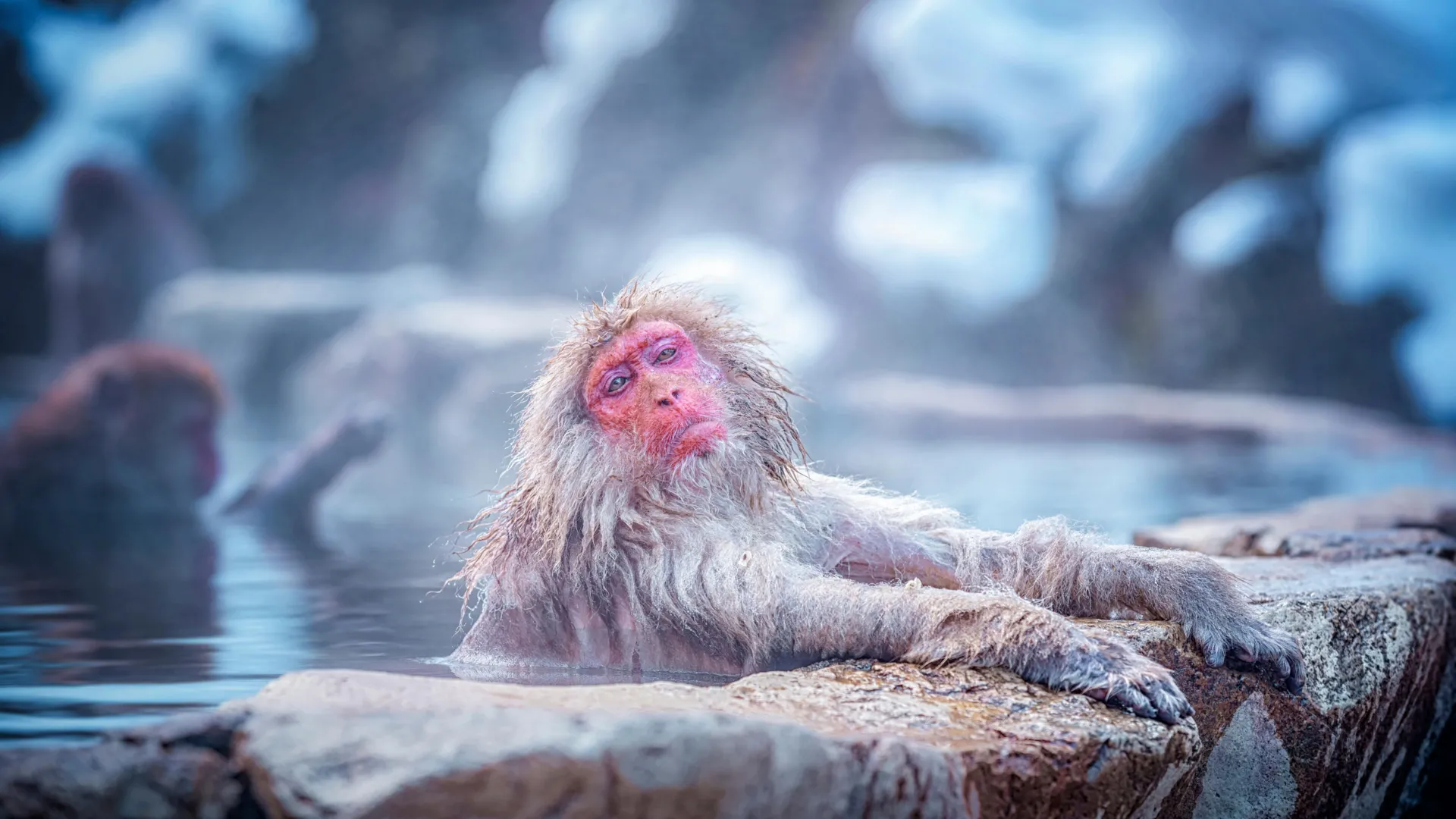
"Hot spring bathing is one of the most unusual behaviors seen in nonhuman primates," notes first author Abdullah Langgeng, a researcher at Kyoto University’s Primate Research Institute. Indeed, while many animals utilize natural features for comfort or survival, the regular, almost ritualistic immersion in geothermally heated waters for extended periods is an anomaly among wild primates. This uniqueness sparked a deeper inquiry within Langgeng’s team: beyond the obvious physical comfort and warmth, could this peculiar habit also be shaping the invisible world of parasites and microscopic organisms that inhabit the monkeys, both externally and internally? The researchers hypothesized that the thermal, chemical, and social aspects of hot spring use might subtly but significantly alter the delicate balance of these associated life forms, thereby impacting the macaques’ overall health and ecological interactions.
Unraveling the Holobiont: A Deep Dive into Macaque Health
To systematically investigate this intriguing question, the research team ventured into the heart of the snow monkeys’ domain: Jigokudani Snow Monkey Park in Nagano prefecture. Nestled in a valley carved by the Yokoyu River, the park is renowned globally for its population of Japanese macaques (Macaca fuscata) that have learned to bathe in the natural hot springs, a behavior first documented in the 1960s. The site offers a unique natural laboratory where wild primates interact daily with a singular environmental feature.
Over the course of two consecutive harsh winters, the researchers meticulously tracked a specific group of female macaques, focusing on their bathing habits. They categorized the monkeys into two groups: "frequent bathers," those observed regularly immersing themselves in the hot springs, and "non-bathers" or "rare bathers," individuals who rarely or never utilized the thermal pools. The choice to focus on females was strategic, often due to their more stable social hierarchies and consistent group affiliations, which facilitate long-term behavioral tracking and sample collection.
The study employed a multi-faceted approach, combining rigorous direct behavioral observations with advanced biological analyses. This included detailed records of bathing frequency, duration, and social interactions within the hot springs. Simultaneously, the team conducted comprehensive parasite checks, primarily through the collection and analysis of fecal samples to detect gastrointestinal parasites, and visual inspections and careful combing for ectoparasites like lice. A critical component of their methodology was gut microbiome sequencing. By extracting DNA from fecal samples and analyzing the 16S ribosomal RNA gene, they could identify and quantify the diverse bacterial communities residing within the monkeys’ digestive tracts. This holistic approach was designed to explore how bathing affects the macaque holobiont—a concept that recognizes the host animal and its entire community of symbiotic microorganisms and parasites as a single, integrated biological entity. Understanding the holobiont is crucial because the health and fitness of the host are inextricably linked to the composition and function of these associated microscopic partners.
Bathing’s Impact: From Ectoparasites to Gut Microbes
The initial findings unveiled a nuanced picture, demonstrating that the time spent in hot springs indeed subtly but significantly alters how the monkeys interact with both their external and internal microbial and parasitic companions. One of the most striking observations concerned ectoparasites, specifically lice. Monkeys that frequently soaked in the warm waters exhibited distinct patterns of lice infestation compared to their non-bathing counterparts. While the study didn’t necessarily report a complete absence of lice, it indicated differences in lice load, distribution, or even the reproductive success of these parasites on the bathers.
The researchers hypothesize several mechanisms for this effect. The elevated temperature of the hot springs, often exceeding 40°C (104°F), could directly stress or kill adult lice and their nits (eggs), which are sensitive to heat. Regular immersion might also physically dislodge lice or interfere with their ability to cling to fur. Furthermore, changes in skin condition or sebum production due to prolonged exposure to warm water could make the macaques’ fur a less hospitable environment for these blood-feeding insects. This suggests that bathing, beyond providing warmth, acts as a form of behavioral self-medication or hygiene, actively managing external parasite loads without the need for complex social grooming from conspecifics, although social grooming remains a vital part of macaque life.
Beyond the visible impact on external parasites, the study also revealed "modest differences" in the gut microbiome, the complex community of bacteria, fungi, and other microorganisms residing in the digestive tract. While the overall diversity of gut bacteria—a common measure of gut health and resilience—remained surprisingly similar between bathing and non-bathing monkeys, specific bacterial genera showed variations. Several bacterial genera were found to be more common in individuals who skipped the hot springs. This suggests that while bathing doesn’t drastically overhaul the entire gut ecosystem, it selectively influences certain microbial populations. These shifts could be a result of indirect factors such as reduced stress (as hot springs are known to lower stress hormones), altered activity levels, or even subtle changes in diet or foraging behavior due to the time spent bathing. Further research would be needed to identify these specific genera and elucidate their functional roles, potentially linking them to nutrient absorption, immune modulation, or even metabolic pathways.
Dispelling Myths: No Increased Infection Risk in Shared Waters
Perhaps one of the most significant and counter-intuitive findings of the study was the lack of evidence for increased infection risk from intestinal parasites among the bathing macaques. Common intuition, especially in human public health, often dictates that shared water sources, particularly those used by multiple individuals, pose a higher risk for the transmission of pathogens, including gastrointestinal parasites. However, the bathing macaques in Jigokudani showed no increase in either the rates of intestinal parasite infection or the severity of such infections compared to their non-bathing peers.
This critical observation challenges preconceived notions about disease transmission in natural settings. Several factors could contribute to this unexpected resilience. The hot spring water itself, being geothermally heated, likely possesses antimicrobial properties that inhibit the survival and transmission of certain parasitic eggs or larvae. The continuous flow and turnover of natural spring water also contribute to dilution and flushing of potential contaminants, preventing the build-up of infectious agents. Moreover, the macaques’ own robust immune systems, adapted to their natural environment, might effectively manage exposure without succumbing to disease. This finding underscores the importance of studying disease ecology within its natural context, rather than relying solely on assumptions derived from human-centric models of pathogen transmission. It suggests that natural shared resources, unlike some anthropogenic systems, may possess inherent properties that mitigate disease risk.
Behavior as a Health Regulator: Broader Implications for Wild Animals
When considered collectively, these findings paint a compelling picture: an animal’s behavior is not merely a reaction to its environment but can actively shape its holobiont and play a profound, meaningful role in its health. The study highlights the intricate and often underestimated complexity of the relationship between behavior and health in wild animals. Bathing, a seemingly simple act, was shown to selectively alter some interactions between the monkeys and the myriad organisms that coexist with them, while leaving other aspects, such as overall gut diversity or intestinal parasite loads, largely unaffected. This selectivity suggests a finely tuned system where certain behaviors can have targeted beneficial effects.
Langgeng eloquently summarizes this paradigm shift: "Behavior is often treated as a response to the environment, but our results show that this behavior doesn’t just affect thermoregulation or stress: it also alters how macaques interact with parasites and microbes that live on and inside them." This statement challenges a long-standing view in ethology, pushing researchers to consider behavior not just as an output of environmental stimuli but as a dynamic input that can fundamentally modify the internal and external biological landscape of an organism. For the Japanese macaques, hot spring bathing appears to be an evolved behavioral strategy that offers multifaceted benefits, extending far beyond the immediate warmth and comfort. It could be a form of preventative health management, contributing to overall fitness and survival in a challenging environment.
Connecting Primate Behavior to Human Health and Evolution
This research stands as a pioneering effort, being among the first to establish a direct link between a natural behavior in a wild primate and measurable changes in both ectoparasite burdens and the gut microbiome. By demonstrating that specific behaviors can selectively sculpt elements of the holobiont, the findings offer invaluable insights into the evolutionary pathways of health-related behaviors. How did such behaviors emerge and persist? Could they be a form of proto-self-medication, selected for their positive impact on fitness? The study also sheds light on how microbiomes might vary within social animal populations, influenced by shared resources, social structures, and collective behaviors. Understanding these dynamics is crucial for conservation efforts and for predicting how animal populations might adapt to environmental changes.
Moreover, the implications of this study resonate far beyond the realm of primatology, offering intriguing parallels with human health and habits. Human cultures across the globe have long embraced various forms of bathing, from therapeutic hot springs and communal baths to daily showers, often attributing a wide range of health benefits to these practices. The macaque study suggests that human habits such as bathing can similarly influence our exposure to and interaction with microbes. It subtly challenges the widely held belief that shared water sources automatically equate to an increased risk of disease transmission, at least under specific, naturally occurring conditions. This does not negate the importance of hygiene in human-engineered systems like public swimming pools, but it prompts a re-evaluation of how natural aquatic environments, with their unique biological and chemical properties, might interact with host organisms. The findings open new avenues for research into the ecological microbiology of natural hot springs and their potential role in maintaining health, not just for snow monkeys, but potentially for other species, including our own. This pioneering work underscores the profound and often unseen connections between behavior, environment, and the intricate microbial worlds that define and sustain all life.