
 By Rifan Muazin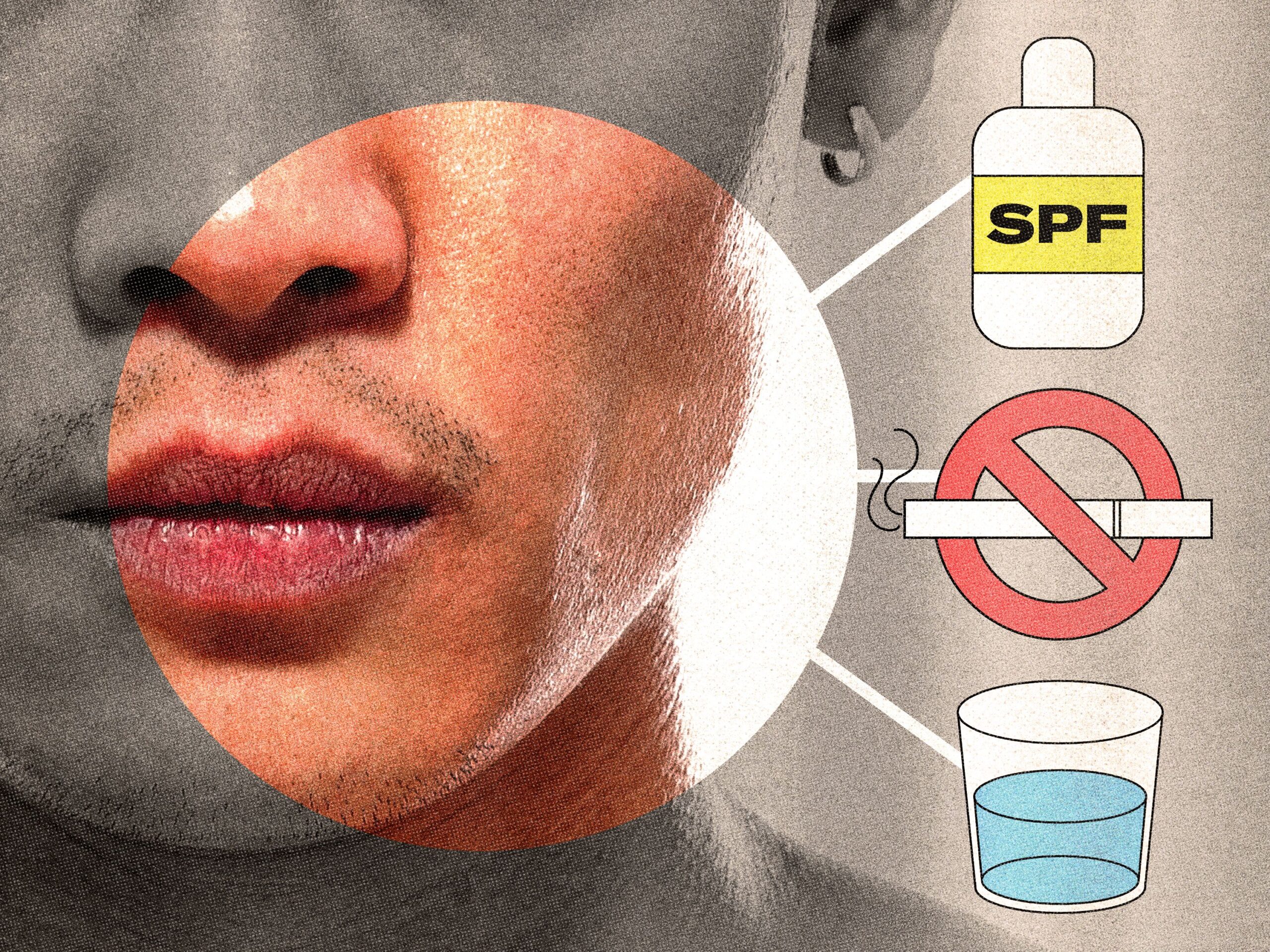
The Science of the "Glow"
Before diving into the habits that sabotage your complexion, it is essential to understand what "glowing" skin actually is from a biological perspective. In dermatology, radiance is often a result of how light interacts with the skin’s surface and its deeper layers. When skin is smooth, hydrated, and free of dead cell buildup, it acts like a mirror, reflecting light evenly. Conversely, when the skin is dry, uneven, or congested, light is absorbed or scattered in different directions, resulting in a matte, "flat," or dull appearance. Achieving this radiance requires a multifaceted approach that addresses the skin barrier, cellular turnover, and internal systemic health.
1. You’re not drinking enough water
The one tip all three of our experts converged on was the essence of life: water. While it sounds like a cliché, the physiological link between systemic hydration and skin appearance is undeniable. "When you are dehydrated, your body has to prioritize where the water goes—and your skin is not the first priority," says aesthetic doctor Christine Hall. In the biological hierarchy, vital organs like the heart, brain, and kidneys receive hydration first. The skin, being the largest but most peripheral organ, is often the last to receive its share.
As a result, the skin loses its turgor—the ability to "snap back" when pinched. "It will lose its plumpness and look flat, lines and wrinkles will be more apparent, cell turnover will slow down and skin will generally look unhealthy," Hall explains. Nutritionist Sophie Trotman agrees, emphasizing that hydration isn’t just about plain water. "Hydration is key! Make sure you’re drinking plenty of water. Non-caffeinated herbal teas count towards your water intake goals." From a clinical perspective, Milena Naydenov, senior aesthetician at 111 Harley St., simplifies the goal: "Glowing skin is well-hydrated skin." Without sufficient water, the enzymatic processes required for natural exfoliation (desquamation) fail, leading to a buildup of dull, graying cells on the surface.
2. You’re eating too much processed sugar
The modern diet is often a minefield of hidden sugars, and your face is frequently the first place where a "sugar crash" manifests. "Consuming ultra-processed foods too often can leave skin looking tired and dull," says Trotman. These foods—ranging from white bread to sugary cereals—trigger a process known as glycation.
Glycation occurs when excess glucose in the bloodstream hitches a ride on your proteins, creating harmful new molecules called Advanced Glycation End-products (aptly abbreviated as AGEs). These AGEs are particularly destructive to collagen and elastin, the structural proteins that keep skin firm and resilient. When collagen becomes "glycated," it loses its flexibility, turning brittle and prone to breakage. This leads to what dermatologists call "sugar sag" and a sallow, yellowish tint to the skin. While natural sugars found in fruits and vegetables are bundled with fiber and antioxidants that mitigate these effects, added sugars are a direct threat to skin luminosity.
3. You’re skipping one of the big three in skincare
Dr. Christine Hall identifies a "big three" in skincare that serves as the foundation for any brightening routine: cleansing, exfoliating, and SPF. Neglecting even one can lead to a cascade of issues.
Cleansing is the first line of defense. "We cleanse for a reason," Hall notes. "Not only to remove dirt, dead skin, pollution, and debris from the day but also to ensure that the products we are applying onto our skin are actually in contact with our skin barrier." If you apply an expensive vitamin C serum over a layer of unwashed grime, you are essentially wasting your money, as the active ingredients cannot penetrate the debris.
Exfoliation is the second pillar. Dead skin cells are held together by proteins called desmosomes, which act like a glue. As we age, our natural ability to shed these cells slows down. "When done properly, chemical exfoliation dissolves this glue and removes dead skin cells, allowing fresh new glowing skin to come through," Hall explains. This process, often involving Alpha Hydroxy Acids (AHAs) or Beta Hydroxy Acids (BHAs), instantly improves light reflection.
Finally, there is SPF. "The sun’s rays are responsible for at least 80% of the visible signs of aging—that is pigmentation, dullness, lines and wrinkles, and loss of elasticity," Hall warns. Even on overcast days, UVA rays penetrate clouds and glass, degrading collagen and triggering melanin production that leads to "age spots" or uneven tone. Using a high-quality product like Supergoop! Unseen Sunscreen SPF 40 can provide a weightless shield that preserves your skin’s long-term brightness.
4. You’re getting a little too much sun
While a "sun-kissed" look is often associated with health, it is actually a sign of DNA damage. "Prolonged sun time without proper protection can lead to dullness, dehydration, and long-term damage," says Naydenov. UV radiation creates an immediate inflammatory response in the skin, which can lead to a "leathery" texture over time. This thickened, sun-damaged skin (solar elastosis) is the antithesis of a youthful glow.
5. Your personal vices are getting in the way
Alcohol and smoking are perhaps the two most efficient ways to "gray" your complexion. Dr. Hall points out that these habits result in the formation of free radicals—unstable molecules that steal electrons from healthy cells, causing oxidative stress.
Smoking causes vasoconstriction, narrowing the tiny blood vessels in the outermost layers of the skin. This impairs blood flow and depletes the skin of oxygen and essential nutrients like Vitamin A. Meanwhile, alcohol is a potent diuretic that dehydrates the skin while simultaneously causing systemic inflammation, which can manifest as redness or puffiness that masks any natural radiance.
6. Your food isn’t bright enough
The color of your diet often dictates the color of your skin. If your meals consist primarily of "beige" foods—bread, pasta, meat—you are likely missing out on the phytonutrients required for a healthy glow. "Upping your intake of brightly colored fruit and vegetables is one of the fastest ways to support glowing skin," says Trotman.
She specifically highlights carotenoids—the pigments found in carrots, sweet potatoes, and red peppers. These are powerful antioxidants that accumulate in the skin’s layers, providing a subtle, warm hue that has been scientifically proven to be perceived as more "attractive" and "healthy" than a sun-tan. Leafy greens, berries, and oily fish (rich in Omega-3s) further support the skin barrier, keeping it "juicy" and light-reflective.
7. You’re not getting enough Zs
The term "beauty sleep" is rooted in biological fact. During the deep stages of sleep, the body enters a state of repair. Growth hormones are released, which stimulate collagen production and cellular repair. Furthermore, blood flow to the skin increases at night, delivering the nutrients required for the skin to "reset" after a day of environmental stress. "Inadequate sleep is a common contributor to dullness," says Naydenov. Chronic sleep deprivation also raises cortisol levels, which can lead to increased oil production and inflammation.
8. Your diet doesn’t have enough variety
A lack of dietary diversity can lead to an impoverished gut microbiome, which is increasingly linked to skin health through the "gut-skin axis." "I see people eating the same things again and again," says Trotman. "The health of the gut has a huge impact on the health of the skin." A diverse intake of plant fibers feeds the beneficial bacteria in your gut, which in turn produce short-chain fatty acids that help maintain the integrity of the skin barrier. If your gut is inflamed, your skin will likely look dull or reactive.
9. You don’t know enough about your skin
Using products designed for "oily" skin when you actually have "dehydrated" skin is a common mistake that can strip your face of its natural oils, leading to a reactive, dull appearance. Understanding your skin type—whether it is dry, normal, oily, or combination—is vital. "Choosing the right skincare products for your skin type is super important," Naydenov emphasizes. For instance, someone with dullness might benefit from a targeted treatment like the Mother Science Molecular Hero Serum, which uses advanced biotechnology to address pigmentation and uneven tone.
10. You’re not going the extra mile
Sometimes, a lack of glow isn’t about what you’re doing wrong, but what you haven’t yet addressed. Hormonal imbalances, environmental pollution, or even the mineral content of your tap water can play a role in skin dullness. If you’ve optimized your diet, sleep, and basic routine but still feel "flat," it may be time to consult a professional.
Dermatologists and high-level facialists can offer treatments that go deeper than at-home care, such as medical-grade chemical peels, microneedling, or LED light therapy. "Glow doesn’t come from one thing—it’s the combination of care, consistency, and the right ingredients," concludes Naydenov. Whether it’s incorporating a luxury treatment like the Aesop Sublime Replenishing Night Masque or simply booking a consultation, taking that final step can bridge the gap between "clear" skin and "glowing" skin. By auditing these ten habits, you move closer to the radiance that reflects a body in balance.