
 By admin
A devastating train crash near Urda in central Spain on Wednesday morning has claimed the lives of at least 69 individuals, plunging the nation into mourning. Among the tragic victims are Julieta Gallego, a promising 24-year-old long-jump athlete, and Fátima Báñez, a respected former government minister who spearheaded significant labor reforms. The collision, which occurred between a high-speed Renfe train and a stationary Iryo train on the same track, also left over 100 people injured, many critically. The impact was so severe that carriages derailed, raising fears that the death toll may still climb as families desperately search for missing loved ones in hospitals across the region. The grim task of identification is underway at the main forensics institute in Toledo, where grieving families are providing DNA samples to help identify the deceased. This catastrophic event marks the second rail disaster in Spain this year and stands as the country’s worst in over a decade, evoking painful memories of the 2013 Santiago de Compostela train derailment.
The sheer scale of the tragedy has sent shockwaves through Spain, with tributes pouring in for all those lost. The narratives of the victims are beginning to emerge, painting a poignant picture of lives cut short and futures unfulfilled.
Julieta Gallego: A Rising Star in Spanish Athletics
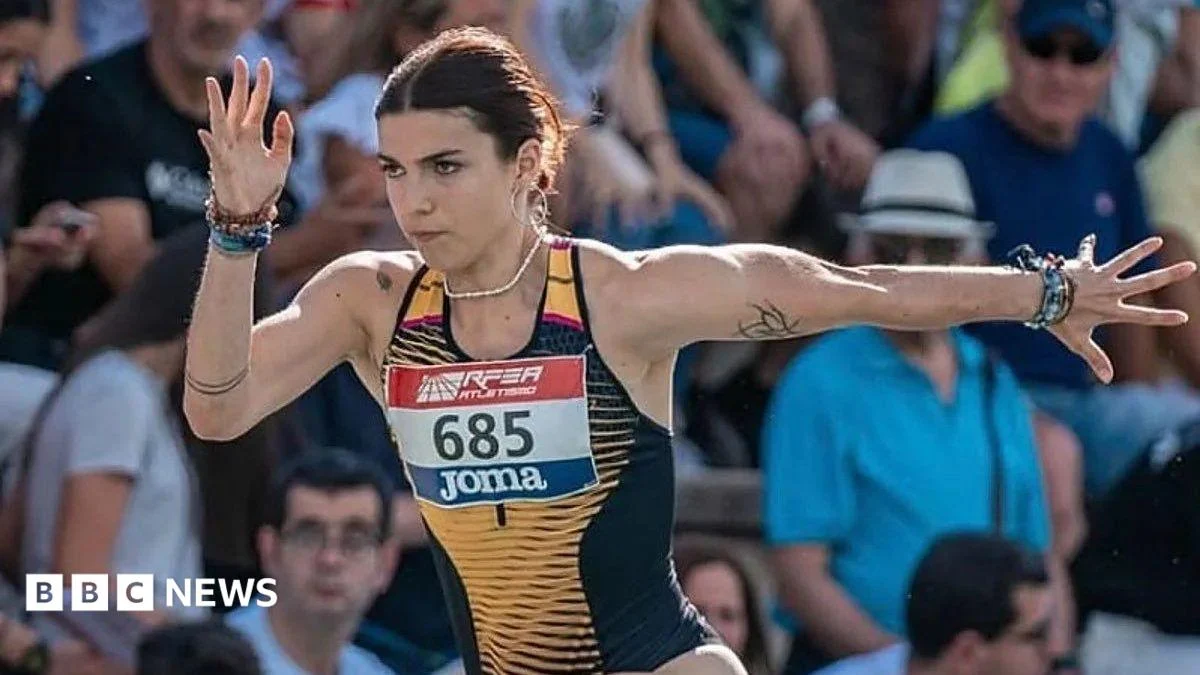
Julieta Gallego, a vibrant 24-year-old long jumper, was a familiar and beloved presence on the Spanish athletics circuit. Competing for the Madrid athletics club, AD Sprint, Gallego was known for her dedication and passion for the sport. The club, in a heartfelt message on Instagram, expressed its profound sorrow: "The entire club is heartbroken." The Royal Spanish Athletics Federation (RFEF) officially announced her death, extending its deepest condolences to her family, friends, and teammates. According to local media outlet ABC, Gallego was a regular participant in Spanish club championships, boasting a personal best jump of 5.9 meters (19 feet 3 inches).
Raúl Chapado, president of the RFEF, described her death as "a blow that strikes at the very heart of the athletics family." He lamented, "Today, the sport mourns the passing of Julieta, a life ahead of her that has been unjustly extinguished." Gallego’s promising athletic career, which had the potential to reach even greater heights, was tragically and abruptly ended, leaving a void in the Spanish sporting community. Her peers and mentors remember her not only for her athletic prowess but also for her character and potential. The image of her in an athletics singlet, captured during a competition, now serves as a poignant reminder of a life dedicated to sport and brimming with future possibilities.
Fátima Báñez: A Trailblazer in Spanish Politics and Business

The loss of Fátima Báñez, 59, a former employment minister, represents a significant blow to Spain’s political and business landscape. Her death was confirmed by the Spanish Confederation of Business Organizations (CEOE), which she chaired, highlighting her influential role in the nation’s economic sphere. "Her warmth, generosity, and commitment leave an indelible mark on businesses and the entire CEOE team," the organization stated in a moving tribute.
Báñez’s political career was marked by her tenure in the government of former Prime Minister Mariano Rajoy, serving from 2011 to 2018. She made history as the first woman to hold the crucial position of employment minister. During her time in office, she introduced controversial labor reforms in 2012, which aimed to make it easier for companies to dismiss employees. These reforms ignited widespread protests across the country, reflecting the deep societal divisions and debates surrounding labor market flexibility. Despite the controversy, Báñez was recognized for her sharp intellect and unwavering commitment to her policy objectives.
Following the news of her passing, prominent political figures paid homage to her contributions. Isabel Díaz Ayuso, the regional president of Madrid, expressed that Báñez would be "deeply missed," acknowledging her as "a great political figure" lost to Spain. The image of Báñez, seated at a dinner table at an event, portrays a composed and influential figure who navigated the complex world of politics and business with determination. Her legacy is intertwined with a period of significant economic and social change in Spain, and her passing marks the end of an era for many who worked alongside her and were impacted by her policies.
Dedicated Public Servants Among the Fallen
The collision also claimed the lives of other dedicated public servants, underscoring the wide-ranging impact of this tragedy. Civil Guard officer José Manuel Chacón, 31, was among those killed. The Civil Guard, in a solemn statement, expressed its "deepest condolences" to his family, friends, and colleagues, recognizing his service and sacrifice. Chacón’s death represents a profound loss for the law enforcement community, which has lost a valued member who dedicated his life to public safety.
The legal profession is also in mourning for Antonio Montero Domínguez, a finance and tax lawyer. El Derecho, a legal news website, remembered him as a "meticulous professional" and a "tireless worker," a testament to his dedication and expertise in his field. Spain’s tax authority confirmed his death, noting his service as an inspector between 2012 and 2016. Montero Domínguez’s contributions to the field of tax law and his commitment to his profession have left a lasting impression.
The preliminary investigations into the cause of the crash are already underway, with Spanish authorities focusing on potential human error and systemic failures. The precise sequence of events leading to the catastrophic collision remains the subject of intense scrutiny. Reports suggest that the two trains were on the same track, a situation that should have been prevented by advanced signaling and safety protocols. The Spanish railway infrastructure company, Adif, and the train operators, Renfe and Iryo, are all expected to face thorough investigations.

The scale of the disaster has prompted calls for a comprehensive review of railway safety standards across Spain. Experts in transportation safety have emphasized the importance of redundant safety systems, stringent operational procedures, and continuous training for railway personnel. The accident also raises questions about the coordination and communication between different rail operators sharing the same lines, particularly with the increasing prevalence of high-speed rail networks.
In the aftermath of the crash, emergency services worked tirelessly to rescue survivors and provide medical assistance. Hospitals in the surrounding areas have been overwhelmed with casualties, and the government has mobilized resources to support the affected families and communities. The emotional toll on those who survived, witnessing the horrific scene and the loss of fellow passengers, is immeasurable. Many survivors are grappling with physical injuries and psychological trauma, and long-term support will be crucial.
The investigation into the crash will likely delve into several key areas. Firstly, the operational procedures and communication protocols between the Renfe and Iryo train crews and the control center will be examined. Secondly, the functioning and reliability of the track signaling systems will be a primary focus. Any potential malfunctions or failures in these critical safety mechanisms could have played a role. Thirdly, the training and adherence to safety regulations by the train drivers and other operational staff will be thoroughly assessed. The possibility of fatigue or distraction cannot be ruled out at this early stage.
The economic impact of such a disaster is also significant, beyond the immediate human cost. The disruption to rail services, the damage to rolling stock and infrastructure, and the potential long-term impact on public confidence in rail travel are all considerable factors. The Spanish government has pledged full support for the investigation and has committed to implementing any necessary reforms to prevent future tragedies.
The stories of Julieta Gallego, Fátima Báñez, José Manuel Chacón, and Antonio Montero Domínguez are stark reminders of the human lives that are so profoundly affected by such catastrophic events. Gallego, with her youthful energy and athletic aspirations, represents the future that was so cruelly snatched away. Báñez, a figure of considerable influence and a shaper of policy, leaves behind a complex legacy in Spanish public life. Chacón and Montero Domínguez, through their dedicated service in law enforcement and law, exemplify the commitment of individuals who serve the public good.
As Spain comes to terms with this devastating loss, the nation unites in grief and solidarity. The outpouring of support for the victims and their families from across the country and internationally underscores the shared humanity that binds us. The coming weeks and months will be crucial for understanding the full scope of the tragedy, bringing those responsible to account, and implementing measures to ensure that such a horrific event never happens again. The memory of those lost will undoubtedly serve as a catalyst for change and a renewed commitment to the highest standards of railway safety in Spain. The images of the mangled train carriages, juxtaposed with the portraits of the victims, serve as a somber and enduring testament to the fragility of life and the profound impact of collective tragedy. The nation’s resolve to rebuild and to learn from this catastrophe will be tested, but the shared sorrow offers a foundation for a stronger and safer future.
