
 By admin
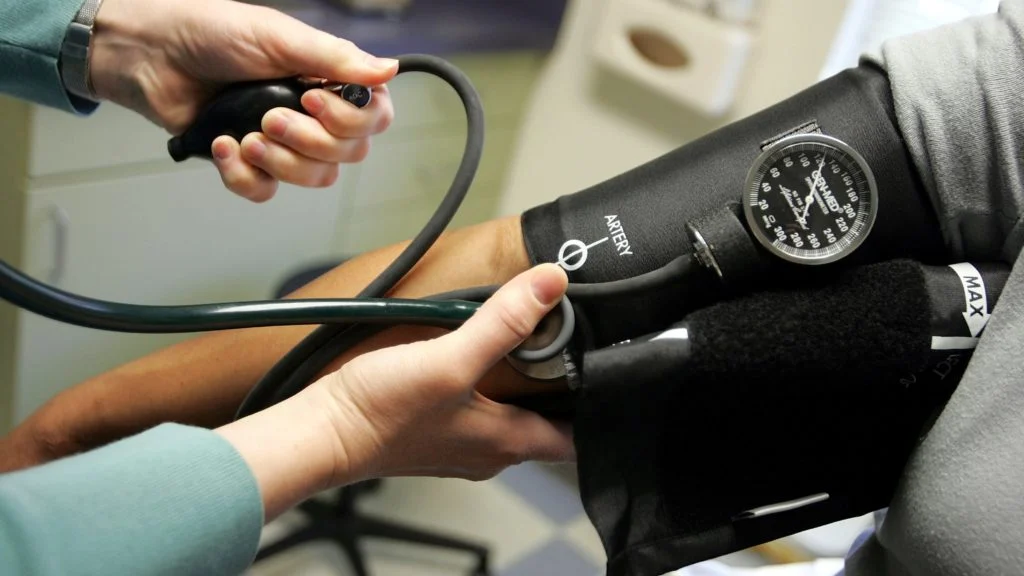
The consensus among experts at the gathering was clear: the traditional approach to hypertension, often characterized by a "wait-and-see" escalation of medication, may no longer be sufficient for those who have already suffered the damage of a stroke or are managing the metabolic complexities of diabetes. The challenge lies not just in the pharmacological "what," but in the clinical "how"—the logistical and interdisciplinary coordination required to keep blood pressure within tight, life-saving ranges.
The REDUCE Trial: Elevating a Common Diuretic
One of the most compelling presentations came from Jordana Cohen of the Perelman School of Medicine at the University of Pennsylvania. Her study, the REDUCE trial, sought to challenge the traditional hierarchy of antihypertensive medications. Currently, many clinical guidelines suggest a tiered approach where certain classes of drugs, such as ACE inhibitors or calcium channel blockers, are used first, while others, like spironolactone, are reserved for "resistant" hypertension—cases where three or more medications have failed to achieve control.
Spironolactone is a potassium-sparing diuretic, often colloquially referred to as a "water pill." Despite its efficacy and low cost, it is frequently sidelined in early treatment. Cohen’s trial investigated whether introducing spironolactone earlier in the post-stroke recovery phase could lead to more rapid and sustainable blood pressure control. The study followed a diverse cohort of patients, testing whether the addition of this common drug could help them reach the gold-standard goal of less than 130/80 mm Hg within three months of their stroke.
The results were promising. Patients who received spironolactone shortly after their stroke were significantly more likely to meet their blood pressure targets compared to those receiving standard care. Cohen emphasized that in the world of hypertension, even marginal gains are transformative. A reduction of just 7 mm Hg in systolic blood pressure has been statistically linked to a 38% decrease in the risk of a recurrent stroke. Because stroke survivors are at the highest risk for another event within the first year, the ability to rapidly stabilize blood pressure is a critical window of opportunity.
Bruce Ovbiagele of the UCSF Weill Institute for Neurosciences, commenting on the REDUCE findings, noted that the simplicity of the intervention is its greatest strength. Spironolactone is cheap, globally available, and familiar to clinicians across various specialties. In a healthcare landscape where one in five stroke survivors stops taking their blood pressure medication within a year, the introduction of an effective, well-understood drug could bridge the gap in adherence and efficacy.
OPTIMAL-STROKE: Testing the Limits of "How Low Can You Go?"
While the REDUCE trial focused on the tools of treatment, the OPTIMAL-STROKE study, conducted in Brazil and published in the New England Journal of Medicine, focused on the target. For years, the standard systolic blood pressure goal for post-stroke patients has been 140 mm Hg. However, the landmark SPRINT trial previously suggested that for general high-risk populations, aiming for 120 mm Hg could save more lives. The OPTIMAL-STROKE trial sought to determine if this aggressive target was safe and effective specifically for stroke survivors.
Gisele Sampaio of the Federal University of Sao Paulo presented findings that could potentially shift international guidelines. The study found that patients who were treated to reach a systolic goal of 120 mm Hg or lower were significantly less likely to experience major cardiovascular events—including heart attacks, subsequent strokes, and hospitalizations for heart failure—over a four-year period compared to those in the 140 mm Hg group.
However, aggressive lowering of blood pressure is not without its risks, particularly concerning the kidneys. Otavio Berwanger of Imperial College London, who chaired the study’s steering committee, addressed these concerns. While there was no significant increase in end-stage renal disease or the need for dialysis, researchers did observe fluctuations in certain renal function markers and electrolyte levels. These changes were consistent with the physiological effects of diuretics and increased medication load, suggesting that while the lower target is beneficial for the heart and brain, it requires vigilant medical supervision to protect the kidneys.
The Divergent Results of OPTIMAL-DIABETES
The scientific community often expects clinical trials to follow a linear logic—if a lower target works for stroke patients, it should theoretically work for those with diabetes. Yet, the OPTIMAL-DIABETES trial, a sister study to OPTIMAL-STROKE, delivered a surprising "neutral" result. Karla Santo of Einstein Hospital Israelita in Sao Paulo presented data showing that for patients with type 2 diabetes, aiming for a systolic target of less than 120 mm Hg did not significantly reduce the occurrence of major cardiovascular events or deaths when compared to the 140 mm Hg target.
This discrepancy highlights the unique physiological profile of diabetic patients. Diabetes causes systemic changes to the vasculature, including arterial stiffness and microvascular damage, which may alter how the body responds to intensive blood pressure lowering. Shawna Nesbitt of UT Southwestern Medical Center suggested that these results should not be viewed as a "rebuke" of aggressive treatment, but rather as a call for a more "nuanced" approach.
Nesbitt pointed out that lumping all high-risk patients into a single treatment category may be an oversimplification. Factors such as age, gender, and the duration of diabetes may influence the "sweet spot" for blood pressure. The neutral result in the OPTIMAL-DIABETES trial suggests that for some patients, the risks of intensive therapy—such as hypotension-related falls or electrolyte imbalances—might offset the cardiovascular benefits, or that the primary drivers of risk in diabetes require more than just blood pressure management to mitigate.
The Implementation Crisis: Who Owns the Patient?
Beyond the data and the physiological targets, a recurring theme throughout the AHA sessions was the "implementation gap." In the United States, the medical journey of a stroke survivor is often fragmented. A patient is treated by a neurologist in the acute phase, may see a nephrologist if kidney issues arise, and eventually transitions back to a primary care physician for long-term management.
Bruce Ovbiagele highlighted this systemic friction, questioning how these disparate specialists can effectively coordinate a patient’s medication regimen. When three different doctors are involved, who is responsible for the aggressive titration of blood pressure drugs? This fragmentation often leads to "clinical inertia," where treatment is not intensified despite the patient being above the target goal because each provider assumes another will handle it.
Cheryl Bushnell of Wake Forest University echoed these concerns, stating that for many clinicians, the difficulty is not knowing what to do, but how to do it within a broken system. Managing blood pressure in stroke patients is notoriously difficult; it requires frequent monitoring, dosage adjustments, and patient education. If the handoff between the hospital and the primary care clinic is not seamless, the patient is the one who suffers the consequences of the "silent killer."
A New Paradigm for Hypertension Control
The findings presented in Chicago suggest a shifting paradigm in cardiovascular medicine. The "one size fits all" approach is being replaced by a strategy that recognizes the specific risks of different patient populations. For stroke survivors, the evidence is mounting in favor of lower targets and earlier use of drugs like spironolactone. For those with diabetes, the path forward is more cautious, emphasizing the need for personalized care that balances risk and reward.
The "silent killer" remains a formidable foe, but these trials provide new weapons for the arsenal. By lowering the threshold for intervention and striving for more ambitious targets, the medical community hopes to turn the tide against the epidemic of stroke and heart disease. However, as the experts concluded, the success of these new strategies will ultimately depend on the ability of the healthcare system to move past its fragmented roots and adopt a truly integrated, team-based approach to patient care. Only then can the promise of these clinical trials be realized in the lives of the millions of people living under the shadow of high blood pressure.
