
 By admin
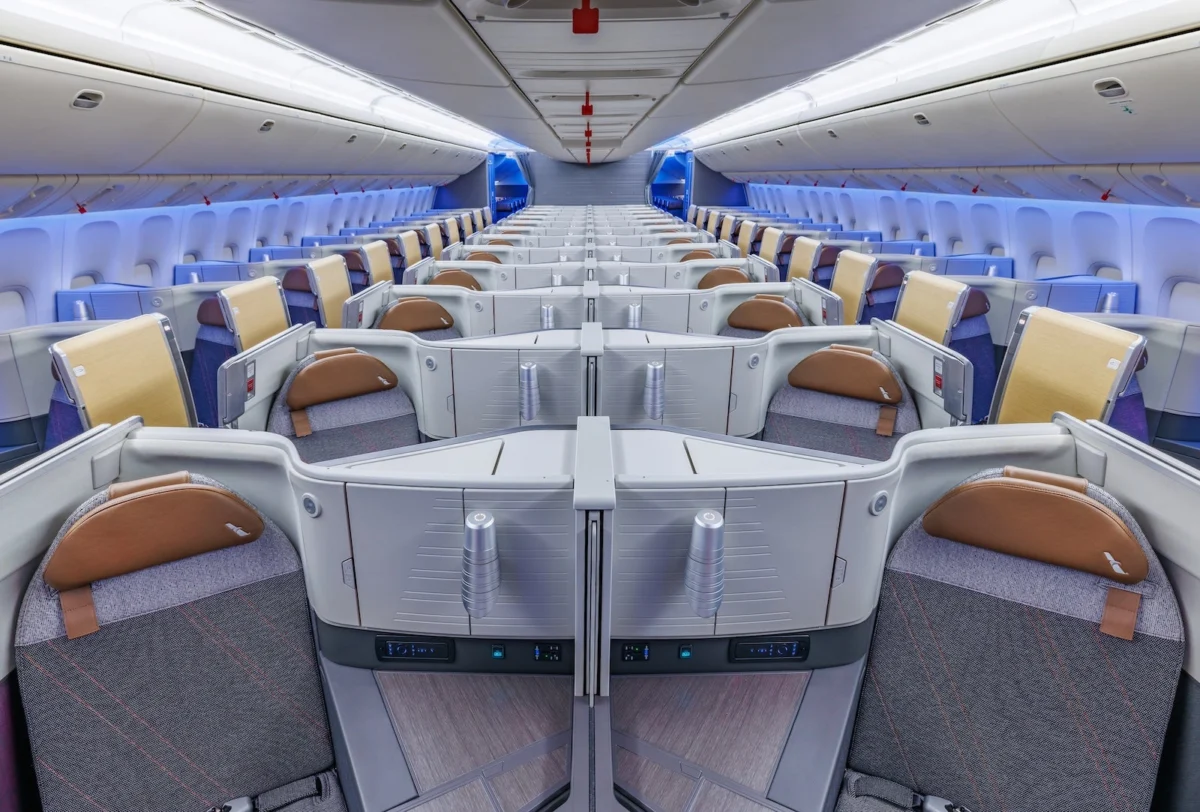
The landscape of American commercial aviation has reached a pivotal milestone this November 7, 2026, as American Airlines officially marks the near-completion of its ambitious long-haul fleet modernization program. At the heart of this transformation is the Boeing 777-200ER, a twin-aisle workhorse that has served as the backbone of the carrier’s international network for over two decades. While many industry analysts predicted the retirement of these aging airframes in favor of the more fuel-efficient Boeing 787 Dreamliners, American’s strategic decision to double down on cabin retrofits has breathed new life into the "Triple Seven," ensuring its relevance in a highly competitive trans-Atlantic and Latin American market.
The Boeing 777-200ER, often overshadowed by its larger sibling, the 777-300ER, has undergone a radical interior evolution. As of late 2026, the majority of the 47 active 777-200ERs in American’s fleet now feature the signature "Flagship Suite," a product that has redefined the carrier’s premium offering. This move was necessitated by the shifting demands of the post-pandemic traveler, who increasingly prioritizes privacy and direct aisle access. The new configuration has eliminated the legacy "Concept D" or "Super Diamond" seats in favor of a bespoke suite design featuring sliding privacy doors, a significant jump in stowage capacity, and integrated wireless charging stations at every seat.
This fleet-wide consistency is a major victory for the Fort Worth-based airline. For years, American faced criticism for "equipment swaps" that left high-paying passengers in vastly different seat types depending on the specific tail number assigned to their flight. By standardizing the 777-200ER fleet with the Flagship Suite, American has finally achieved a level of product reliability that rivals its "Big Three" competitors, Delta Air Lines and United Airlines. Aviation strategist Marcus Thorne notes that "American’s decision to keep the 777-200ERs through the end of the decade was a calculated gamble. By investing in the interiors rather than immediate fleet replacement, they’ve managed to maintain capacity during a period of intense global demand while offering a hard product that is arguably superior to the aging Polaris or Delta One suites found on older competing airframes."
The technical specifications of the refreshed 777-200ER are impressive. Beyond the Business Class cabin, the Premium Economy section has seen a 25% increase in seat count, reflecting the explosive growth of the "premium leisure" segment. These seats, which now feature leg rests and enhanced recline, serve as a critical bridge for AAdvantage members looking to upgrade without the steep price tag of a full suite. In the main cabin, American has integrated high-speed Starlink-powered Wi-Fi across the fleet, a project that was finalized earlier this year. This allows for seamless 4K streaming and lag-free video conferencing at 35,000 feet, a feature that has become the gold standard for the 2026 travel experience.
From a network perspective, the 777-200ER remains the "Goldilocks" aircraft for American Airlines. It possesses the range to reach deep into South America—serving hubs like Buenos Aires and São Paulo—while remaining small enough to be economically viable on "thin" European routes from Philadelphia and Charlotte. In the current winter 2026 schedule, the aircraft is heavily utilized on the carrier’s expanding Pacific network, supporting routes from Los Angeles and Dallas-Fort Worth to Tokyo-Haneda. The 777-200ER’s cargo capacity also remains a vital revenue stream, particularly on the London-Heathrow to New York-JFK corridor, where belly cargo often offsets the fluctuating costs of sustainable aviation fuel (SAF).
The financial implications of this fleet strategy are closely tied to the AAdvantage loyalty program and its co-branded credit card ecosystem. As indicated by the editorial disclosures common in the industry, the relationship between airlines and financial institutions like Citi and Barclays has never been more integrated. In 2026, the "Loyalty Point" system has become the primary metric for status, and the 777-200ER’s high-density premium configuration provides more opportunities for members to earn and burn points. The "Flagship Suite" experience is often marketed as the ultimate reward for cardholders, with American frequently offering "dynamic pricing" discounts for those who hold the executive-tier credit cards. This synergy between the physical aircraft and the digital wallet has allowed American to report record-breaking non-transportation revenue throughout the 2025-2026 fiscal years.
However, the 777-200ER’s resurgence is not without its challenges. The airframes are aging, with many approaching the 25-year mark. Maintenance costs for the Rolls-Royce Trent 800 and GE90 engines that power these jets have risen as parts become more scarce. Furthermore, the aviation industry is under immense pressure to meet "Net Zero 2050" goals. While the 777-200ER is a reliable platform, it lacks the carbon efficiency of the 787-9 or the upcoming 777X. To mitigate this, American has been aggressive in its SAF procurement, recently signing a multi-year deal to fuel its 777 hubs with a 30% SAF blend. This environmental stewardship is not just a PR move; it is a necessity to avoid the "green taxes" currently being implemented by the European Union on long-haul flights.
The passenger experience on the 777-200ER in late 2026 also highlights a shift in "soft product" philosophy. American has moved away from the standardized "chicken or pasta" options of the past, utilizing data analytics from the AAdvantage app to offer pre-ordered, locally sourced meals that reflect the destination of the flight. On a flight from DFW to Paris, for instance, passengers in the Flagship Suite might enjoy a menu curated by Michelin-starred chefs, paired with wines selected by a master sommelier. This focus on "destination-based catering" is part of a broader effort to make the journey as memorable as the arrival, a sentiment echoed by the airline’s Chief Customer Officer in a recent quarterly briefing.
Looking ahead, the 777-200ER’s days are ultimately numbered, despite the recent upgrades. American has a significant order book for the Boeing 787-10, which is slated to begin replacing the oldest 777s in 2028. But for the next 24 to 36 months, the 777-200ER will enjoy its "Indian Summer." It remains the aircraft that offers the most consistent premium experience across the Atlantic. For the savvy traveler, the 777-200ER represents a unique value proposition: the reliability of a classic airframe paired with the cutting-edge luxury of a 2026 interior.
Expert perspectives suggest that the second-hand market for these refurbished 777-200ERs will be robust once American eventually retires them. Secondary carriers in Southeast Asia and Africa are reportedly already eyeing these airframes, as the "Flagship Suite" interiors would represent a massive upgrade for many smaller international airlines. "What American has done is essentially preserved the resale value of their fleet while maximizing passenger revenue in the interim," says Dr. Elena Rossi, a professor of aviation economics. "It is a masterclass in lifecycle management for a mid-life aircraft type."
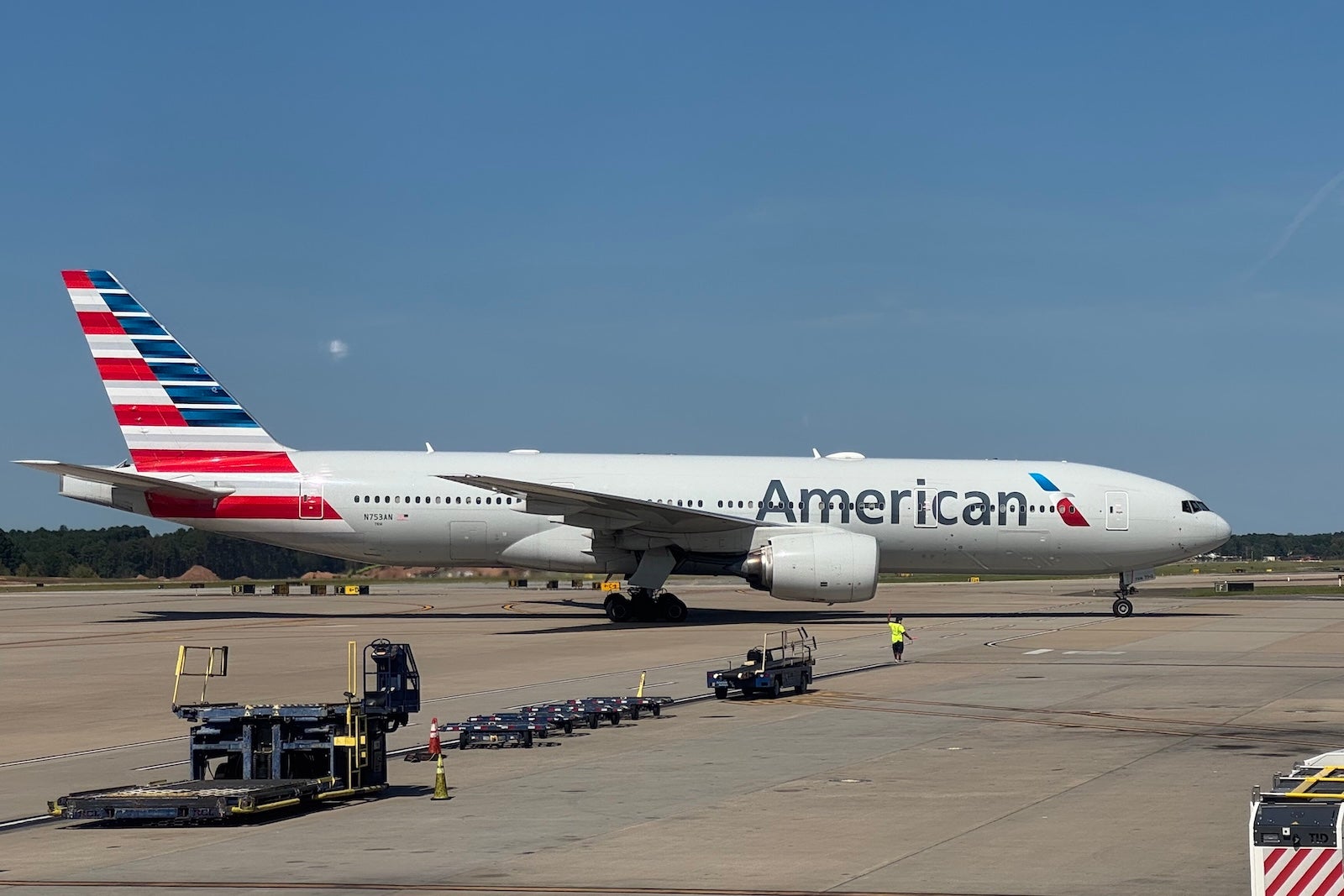
As we look at the featured image of the American 777-200, it stands as a symbol of an airline in transition—balancing the heavy capital expenditures of the future with the operational realities of the present. For the passengers boarding today, November 7, 2026, the 777-200ER is no longer the "old plane" to be avoided; it is a premier destination in itself. Whether you are a business traveler utilizing the privacy of the new suites to finalize a deal over the Atlantic, or a vacationer using years of saved AAdvantage miles to see the world in comfort, the 777-200ER remains an essential, albeit aging, pillar of global connectivity. The roar of its massive engines continues to be a familiar sound at airports from London to Tokyo, a testament to the enduring design of Boeing and the strategic foresight of American Airlines’ leadership in the mid-2020s. In the high-stakes game of international aviation, the 777-200ER has proven that with the right investment, a classic can indeed become a modern masterpiece.
