
 By Titik Puspa
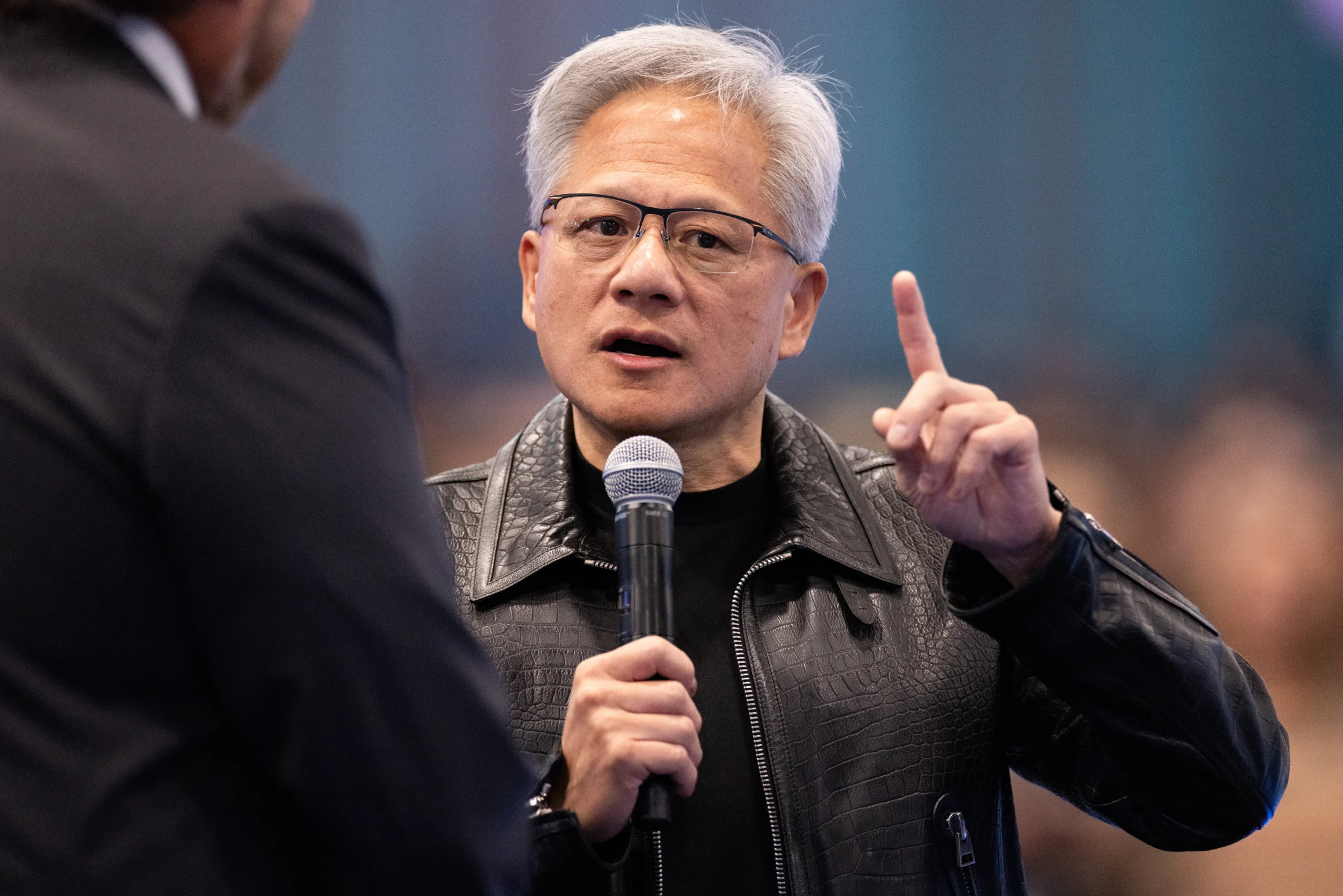
In a dramatic turn of events that has sent ripples through the global technology and intelligence communities, a classified U.S. intelligence memo, reportedly circulated earlier this year, alleges that a technology executive named Alice Huang was recruited by China’s Ministry of State Security (MSS) with the explicit objective of spying on Nvidia CEO Jensen Huang. This startling revelation, first brought to light by The New York Times and subsequently corroborated by The Financial Times, paints a picture of sophisticated intelligence operations targeting one of the world’s most influential figures in the artificial intelligence and semiconductor industries.
The memo, according to sources familiar with the matter, details a purported effort by the MSS to leverage Alice Huang, described as an executive at a Singapore-based company named Megaspeed, to gather sensitive information on Jensen Huang and, by extension, Nvidia’s cutting-edge technologies. The MSS, China’s primary civilian intelligence agency, is known for its extensive reach and its strategic focus on acquiring technological advancements from leading global corporations. The alleged recruitment of Alice Huang suggests a concerted and potentially deeply embedded operation aimed at gaining an advantage in the fiercely competitive AI landscape.
The New York Times, which has been at the forefront of reporting on potential Chinese intelligence activities targeting Nvidia, was the first to break the story regarding the memo. Their initial report indicated that Jensen Huang himself had been a target of Chinese intelligence efforts, a claim that now appears to be substantiated by the leaked intelligence document. The subsequent reporting by The Financial Times added a further layer of intrigue, suggesting that the memo also alluded to a romantic relationship between Jensen Huang and Alice Huang. While such personal connections can be exploited by intelligence agencies, the veracity and implications of this specific claim remain under intense scrutiny.
In response to these allegations, an Nvidia spokesperson provided a statement to The New York Times, asserting that Jensen Huang’s interactions with Alice Huang were "not unusual." The spokesperson further emphasized that Nvidia, as a matter of policy and practice, does not share classified information with its customers. This defense highlights Nvidia’s commitment to data security and intellectual property protection, while also implicitly acknowledging that interactions with external entities, including those within the business sphere, are a regular occurrence for executives of a company of Nvidia’s global stature. However, the context of the alleged recruitment by a foreign intelligence service fundamentally alters the perception of these interactions.
The broader implications of these allegations extend beyond a single executive or company. Nvidia stands at the vanguard of the AI revolution, its powerful GPUs (Graphics Processing Units) serving as the foundational hardware for training and deploying sophisticated AI models across a vast array of sectors, from autonomous vehicles and advanced scientific research to generative AI and national security applications. The potential for sensitive Nvidia technology or strategic plans to fall into the hands of a geopolitical rival like China raises significant concerns about global technological dominance, economic competitiveness, and national security.
China has been actively pursuing its own ambitious AI development goals, investing heavily in research and development and seeking to reduce its reliance on foreign technology. The acquisition of advanced semiconductors, particularly those manufactured by companies like Nvidia, is crucial to achieving these objectives. Intelligence operations, if successful, could significantly accelerate China’s progress in AI, potentially altering the global balance of power in this critical field.

The alleged targeting of Jensen Huang, a visionary leader widely credited with steering Nvidia to its current preeminent position, suggests a strategic understanding by Chinese intelligence of the pivotal role he plays and the knowledge he possesses. The ability to influence or extract information from such a key individual would represent a significant intelligence coup.
This development also shines a spotlight on the complex and often opaque world of corporate espionage and state-sponsored intelligence gathering in the digital age. The methods employed are increasingly sophisticated, often involving the exploitation of personal relationships, professional networks, and cybersecurity vulnerabilities. The memo’s existence underscores the persistent threat posed by foreign intelligence services seeking to gain technological and economic advantages through covert means.
In a separate but related report, The New York Times also delved into the complexities of Nvidia’s business dealings with Chinese firms. Their investigation examined New Matrix, a Chinese company that had reportedly been authorized by the U.S. Commerce Department to purchase advanced Nvidia chips. However, upon visiting the office address listed by New Matrix, New York Times reporters found what they described as "a hollow gray shell," a finding that raises serious questions about the legitimacy of the company and the potential for advanced technology to be diverted to entities that are either blacklisted or operating under false pretenses. This discovery fuels concerns that such authorized transactions might inadvertently benefit restricted Chinese entities or serve as conduits for illicit technology transfer.
The Nvidia spokesperson, in response to these broader concerns about sales to China, reiterated the company’s commitment to its domestic market, stating that Nvidia sells "the first, best and most of our technology in America." This statement aims to reassure U.S. policymakers and the public that the company’s primary focus and allegiance lie with its home market, while acknowledging the realities of global commerce. However, the intricate web of international trade and the dual-use nature of advanced technology make it challenging to entirely disentangle commercial activities from geopolitical considerations.
The U.S. government, particularly agencies responsible for national security and trade enforcement, will undoubtedly be closely examining these allegations. The implications for future export controls, sanctions, and intelligence-gathering strategies are substantial. The incident could lead to increased scrutiny of individuals working within multinational corporations, particularly those with operations or business ties in China, and a heightened awareness of the potential for foreign intelligence services to exploit existing relationships and business channels.
The role of Alice Huang and Megaspeed, the Singapore-based company, also warrants further investigation. Singapore’s strategic position as a global trade and financial hub makes it a complex environment where international business interests often intersect with geopolitical sensitivities. Understanding the full extent of Alice Huang’s alleged involvement and Megaspeed’s operations will be critical to piecing together the complete narrative.
As the investigations unfold and more information potentially emerges, the case serves as a stark reminder of the enduring challenges in safeguarding sensitive technologies and intellectual property in an era of intensifying global competition and sophisticated intelligence threats. The story of the alleged recruitment attempt against Jensen Huang is not just about a single individual or company; it is a microcosm of the broader struggle for technological supremacy and the intricate dance between innovation, commerce, and national security in the 21st century. The events underscore the critical need for vigilance, robust security protocols, and a deep understanding of the geopolitical landscape within which global technology firms operate. The future trajectory of AI development and the global balance of power may well hinge on the effectiveness of such safeguards.
