
 By Rifan Muazin
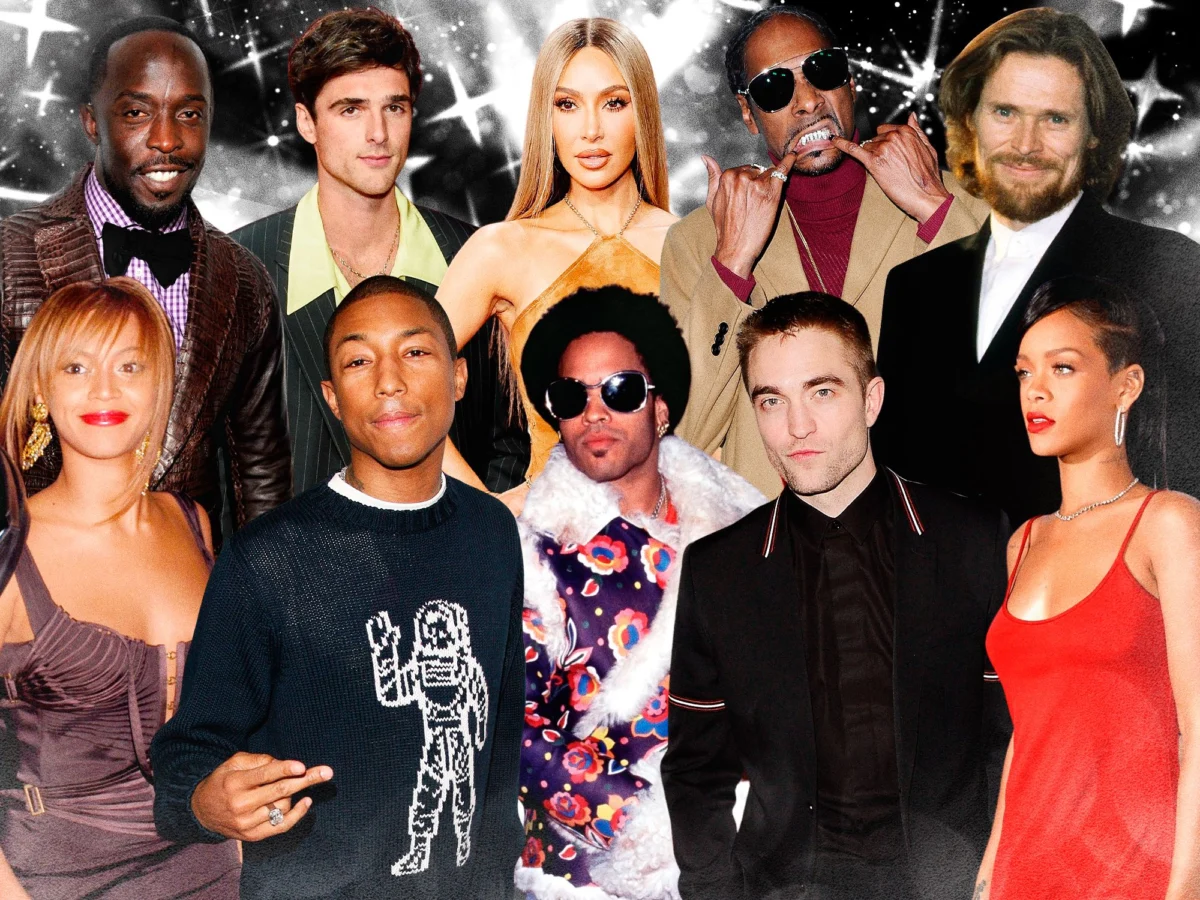
The longevity of the Men of the Year franchise is a testament to GQ’s ability to curate not just celebrities, but symbols of the eras they inhabit. To look back at the MOTY red carpet is to view a visual history of the late 20th and early 21st centuries. In the high-octane 1990s, the red carpet was a sea of power suits and minimalist luxury, reflecting a decade of economic boom and the rise of the "metrosexual" before the term had even fully entered the lexicon. This was an era of broad shoulders and classic silhouettes, where the leading man was defined by a certain stoic, polished elegance. However, as the millennium turned, the aesthetic landscape underwent a radical transformation into what many fashion historians and GQ editors affectionately refer to as the "freaky-deaky" early aughts. This period, roughly spanning from 2000 to 2008, saw the total dissolution of traditional formalwear boundaries. It was a time of experimental textures, the fusion of streetwear with high fashion, and a fearless approach to accessorizing that had never been seen on a mainstream red carpet before.

Nowhere was this experimental spirit more evident than in the 2002 appearance of OutKast. André 3000 and Big Boi arrived in what can only be described as galactic-level fits, challenging the very notion of what a "Man of the Year" should look like. Their presence signaled a shift in the cultural center of gravity, moving away from the traditional Hollywood establishment toward the innovative, genre-bending world of hip-hop. André 3000’s penchant for avant-garde tailoring and eccentric patterns paved the way for the sartorial freedom we see today, proving that masculinity and creative expression were not mutually exclusive, but rather, deeply intertwined.

As the 2010s arrived, the pendulum swung back toward a more "buttoned-up" aesthetic, though with a modern, razor-sharp edge. This was the decade of the slim-fit suit, influenced heavily by designers like Thom Browne and Hedi Slimane. The "Don Draper" effect took hold of the red carpet, emphasizing heritage, craftsmanship, and a return to the "gentleman" archetype, albeit with more contemporary proportions. It was a decade of precision, where the width of a lapel or the break of a trouser was scrutinized with forensic intensity. This era brought a sense of formal rigor back to the MOTY celebrations, providing a sophisticated backdrop for a new generation of actors and entrepreneurs who were reclaiming the suit as a weapon of professional and personal branding.

However, the 2020s have ushered in what is perhaps the most exciting chapter in the history of the event: the "no-rules" era. In the current landscape, the traditional tuxedo is merely a suggestion rather than a requirement. We are living in a time where gender-fluidity, archival fashion, and bold, subversive silhouettes dominate the carpet. The modern style icon is just as likely to wear a sheer lace shirt or a floor-length coat as they are a double-breasted blazer. This shift reflects a broader societal movement toward authenticity and the breaking down of rigid binary structures. The GQ Men of the Year red carpet has become a laboratory for this new masculinity, where stars are encouraged to take risks that would have been unthinkable twenty years ago.

A prime example of this contemporary evolution is Dwayne "The Rock" Johnson’s 2024 appearance, which offered a masterclass in the "post-WWE modern cowboy" aesthetic. Johnson, a perennial favorite of the magazine, managed to blend rugged, traditional Americana with high-fashion sensibilities. His look—often featuring rich suedes, custom-tooled leather, and a silhouette that emphasizes his monumental physique—demonstrates how a global superstar can honor their roots while pushing their personal brand into new, sophisticated territory. It is a far cry from the spandex and sequins of his wrestling origins, illustrating a trajectory of growth and refinement that mirrors the magazine’s own evolution.

Beyond the fashion, the GQ Men of the Year event serves a vital role in the media ecosystem as a curator of influence. To be named a "Man of the Year" is to receive a stamp of cultural relevance that extends beyond mere popularity. The magazine looks for individuals who have moved the needle in their respective fields—be it through a transformative performance on screen, a groundbreaking album, a social justice initiative, or a dominant season on the field. The inclusion of figures like Denzel Washington in 2002 highlighted the enduring power of the prestige actor, while the inclusion of designers like Ralph Lauren acknowledged the architects of the American dream.

The logistics of the event itself are a feat of organizational brilliance. Typically held at iconic Los Angeles venues like the Chateau Marmont or the Sunset Tower Hotel, the party is designed to be an intimate yet high-visibility gathering. The "red carpet" is less of a walkway and more of a global stage, broadcast to millions via social media and digital platforms. In the digital age, the MOTY party has found a second life online. High-resolution photography and "get ready with me" videos provide fans with unprecedented access to the preparation and the prestige of the night. This transparency has only deepened the public’s fascination with the event, turning it into a viral phenomenon that trends for days after the final guest has departed.

Expert perspectives on the event often highlight its role in the "red carpet economy." Stylists, publicists, and luxury brands view the GQ Men of the Year party as one of the most important marketing opportunities of the year. A single well-placed photograph of an actor in a specific brand’s suit can result in millions of dollars in earned media value. For designers, seeing their work on the MOTY carpet is a validation of their vision and a direct line to the affluent, style-conscious consumer. This commercial undercurrent, however, does not detract from the event’s artistic merit; rather, it underscores the symbiotic relationship between the fashion industry and the stars who serve as its most visible ambassadors.

As we look toward the latest iteration of the Men of the Year bash, the anticipation is palpable. Every year, the question arises: who will be the next burgeoning style icon to earn their place in this hallowed hall of fame? Will it be a breakout star from a hit streaming series, a trailblazing athlete who has used their platform for change, or a veteran actor experiencing a career renaissance? The beauty of the MOTY event lies in its unpredictability. While the invitation list is exclusive, the influence it exerts is universal, shaping the trends and conversations that will define the coming year.

In conclusion, the GQ Men of the Year party is not merely a night of champagne and flashbulbs. It is a living archive of our collective cultural journey. From the bicoastal prestige of the early 2000s to the lawless creativity of the mid-2020s, the event has remained the gold standard for celebrating excellence and elegance. As the world changes, so too does the definition of what it means to be a "Man of the Year," but the core mission of GQ remains the same: to shine a light on the individuals who are leading the way with style, substance, and soul. Keep a close eye on GQ.com this month; the next chapter of fashion history is about to be written on the red carpet.
