
 By Titik Puspa
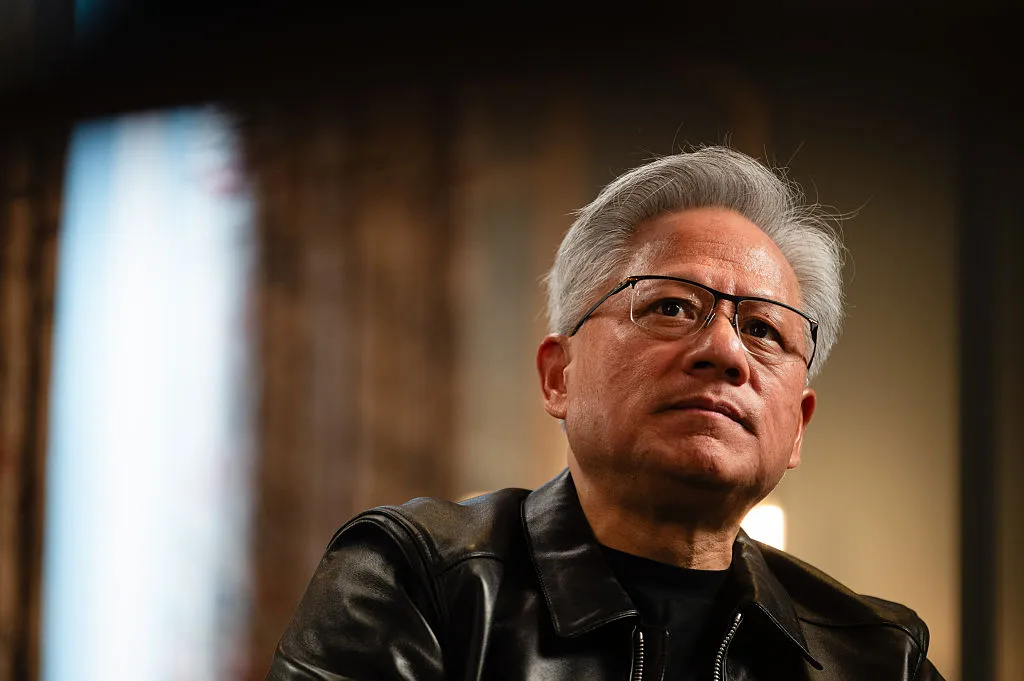
In a development that casts a longer shadow over the recent revelations concerning Nvidia CEO Jensen Huang, it has emerged that the tech titan engaged the services of Heller Inc., a crisis communications firm with a notable specialization in managing high-profile personal scandals, particularly those involving sexual misconduct allegations. This strategic move by Huang occurred at least a year prior to the public acknowledgment of an extramarital affair with a woman now suspected of espionage for China, as reported by Wired. The timing of this engagement with Heller Inc., a firm founded by Risa Heller, suggests a proactive, albeit concerning, approach to potential reputational damage.
Risa Heller herself has cultivated a formidable reputation in the often-turbulent world of crisis management. A 2023 profile in New York Magazine detailed her extensive experience advising prominent male figures who have navigated the treacherous waters of personal scandals and serious accusations of sexual misconduct. Her client roster reportedly includes a constellation of well-known individuals whose careers have been threatened by public outcry and legal scrutiny. Among those named are former congressman Anthony Weiner, whose political career imploded due to sexting scandals; celebrity chef Mario Batali, who faced multiple accusations of sexual assault; and Jeffrey Toobin, a former prominent writer for The New Yorker who was suspended after an incident of public indecency. The association of Huang with such a firm, particularly given the nature of Heller’s past clientele, raises significant questions about the foresight and the potential scope of concerns that prompted this engagement.
Further details unearthed by Wired indicate a deliberate integration of Heller Inc. into Nvidia’s internal communications strategy. Nvidia’s internal communications team was reportedly instructed to copy Heller Inc. on all press inquiries directed at Huang. This directive was issued shortly after a New York Times report in October 2025, which raised critical questions about Nvidia’s role in potentially enabling Chinese companies to circumvent U.S. export restrictions on advanced semiconductor technology. This timing is particularly striking, as it places the crisis PR firm’s involvement in the communication flow surrounding Huang’s activities well before the extramarital affair became a public issue.
The New York Times report that appears to have been a catalyst for this heightened communication protocol focused on Megaspeed, a then-obscure data center company based in Singapore with alleged ties to China. The Times article detailed how Megaspeed had acquired approximately $2 billion worth of Nvidia chips, a substantial sum that drew scrutiny. The report also highlighted the presence of Alice Huang, the CEO of Megaspeed and the woman subsequently linked to Jensen Huang, standing alongside him at an Nvidia customer event in Taipei. This visual association, coupled with the substantial chip acquisitions by a Chinese-linked entity, would have undoubtedly raised red flags within Nvidia’s executive and legal teams, prompting a need for careful communication management.
When approached for comment regarding these developments, both Heller Inc. and Nvidia did not immediately respond, a typical response from parties involved in sensitive public relations matters.
The revelations about the crisis PR firm’s engagement come on the heels of a statement released by Nvidia on Sunday, in which Jensen Huang himself acknowledged an affair with a former executive from Megaspeed. While Huang’s statement did not explicitly name Alice Huang, the connection to Megaspeed has been firmly established. This public admission followed a period of intense speculation and reporting, including a TechCrunch article on November 8, 2026, detailing Nvidia’s investigation into CEO Jensen Huang’s relationship with an individual suspected of being a Chinese spy.
In parallel with Huang’s personal statement, Nvidia’s board of directors also issued their own announcement. They confirmed the initiation of an independent investigation into the matter, citing reports that Huang has allegedly been "the target of a foreign intelligence effort." This independent investigation, led by the board, signifies a serious response from the company’s governance structure to the multifaceted allegations that have emerged. The board’s involvement underscores the gravity of the situation, which extends beyond a personal indiscretion to potential national security implications.

The strategic engagement of Heller Inc. by Jensen Huang, predating public acknowledgment of the affair and occurring in the wake of critical reporting on Nvidia’s business dealings with China, paints a complex picture. It suggests a calculated effort to preemptively manage reputational fallout from a situation that was either known internally or strongly suspected to be developing. The firm’s expertise in handling sensitive personal scandals, including those involving sexual misconduct, indicates that the potential ramifications were viewed through a broad lens, encompassing not only personal impropriety but also the potential for blackmail, reputational damage, and even national security concerns.
The timeline of events is crucial here. The New York Times report in October 2025 brought the Megaspeed-Nvidia connection and Alice Huang’s presence into the public domain. Shortly thereafter, Heller Inc. was integrated into Nvidia’s press inquiry protocols for Jensen Huang. This suggests that the concerns surrounding the relationship and its potential implications were escalating within Nvidia’s leadership during this period. The subsequent public acknowledgment of the affair by Huang on November 5, 2026 (as per the date of the TechCrunch article referenced), and the board’s announcement of an independent investigation on November 7, 2026, mark the culmination of a situation that has clearly been brewing behind the scenes for some time.
The involvement of a crisis communications firm specializing in sex scandals, when the primary public concern has been espionage and foreign influence, might seem incongruous at first glance. However, in the realm of high-stakes corporate and personal reputation management, these issues often become intertwined. A personal relationship, especially one involving an alleged foreign agent, can be leveraged for blackmail, thereby creating a vulnerability that could be exploited to influence corporate decisions or extract sensitive information. Heller Inc.’s track record with clients facing sexual misconduct allegations demonstrates their capability in navigating intense public scrutiny, managing media narratives, and advising on damage control strategies that often involve personal disclosures and strategic communication of personal failings.
The allegations of espionage add a critical layer of complexity. The possibility that Alice Huang, the former Megaspeed executive, is acting as an agent for Chinese intelligence raises profound questions about the security of Nvidia’s intellectual property and its compliance with U.S. export controls. Nvidia is at the forefront of developing advanced AI chips, technology that is considered strategically vital by nations worldwide, including China. Any compromise of this technology or the data it processes could have significant geopolitical and economic ramifications.
The independent investigation by Nvidia’s board is a critical step in understanding the full scope of the situation. It will need to determine the nature and extent of Huang’s relationship with Alice Huang, the extent to which Nvidia’s business dealings with Megaspeed were influenced by this relationship, and whether any sensitive information or technology was compromised. The board’s mandate to investigate the claims of a "foreign intelligence effort" indicates a serious concern about national security and the integrity of Nvidia’s operations.
The hiring of Heller Inc. can be interpreted in several ways. It could indicate that Huang, or those advising him, anticipated that the extramarital affair would inevitably become public and sought to prepare for the ensuing scandal. It could also suggest a broader concern that the relationship with Alice Huang, regardless of its nature, presented a reputational risk that needed to be managed, perhaps in anticipation of potential scrutiny from regulators, competitors, or foreign intelligence agencies. The firm’s expertise in handling personal scandals would be relevant if the affair itself was viewed as a vulnerability that could be exploited, even if the primary threat was perceived as espionage.
The narrative unfolding around Jensen Huang and Nvidia is a stark reminder of the interconnectedness of personal conduct, corporate governance, and national security in the modern era. As the independent investigation progresses, the public will be looking for transparency and accountability. The role of Heller Inc. in this unfolding drama, while focused on managing reputational damage, also highlights the sophisticated strategies employed by high-profile individuals and corporations to navigate crises that threaten to engulf their leadership and their organizations. The coming weeks and months are likely to bring further revelations as the investigation seeks to untangle the complex web of personal relationships, business dealings, and alleged foreign influence surrounding one of the world’s most influential technology leaders. The implications for Nvidia, the semiconductor industry, and even international relations could be substantial.
