
 By admin
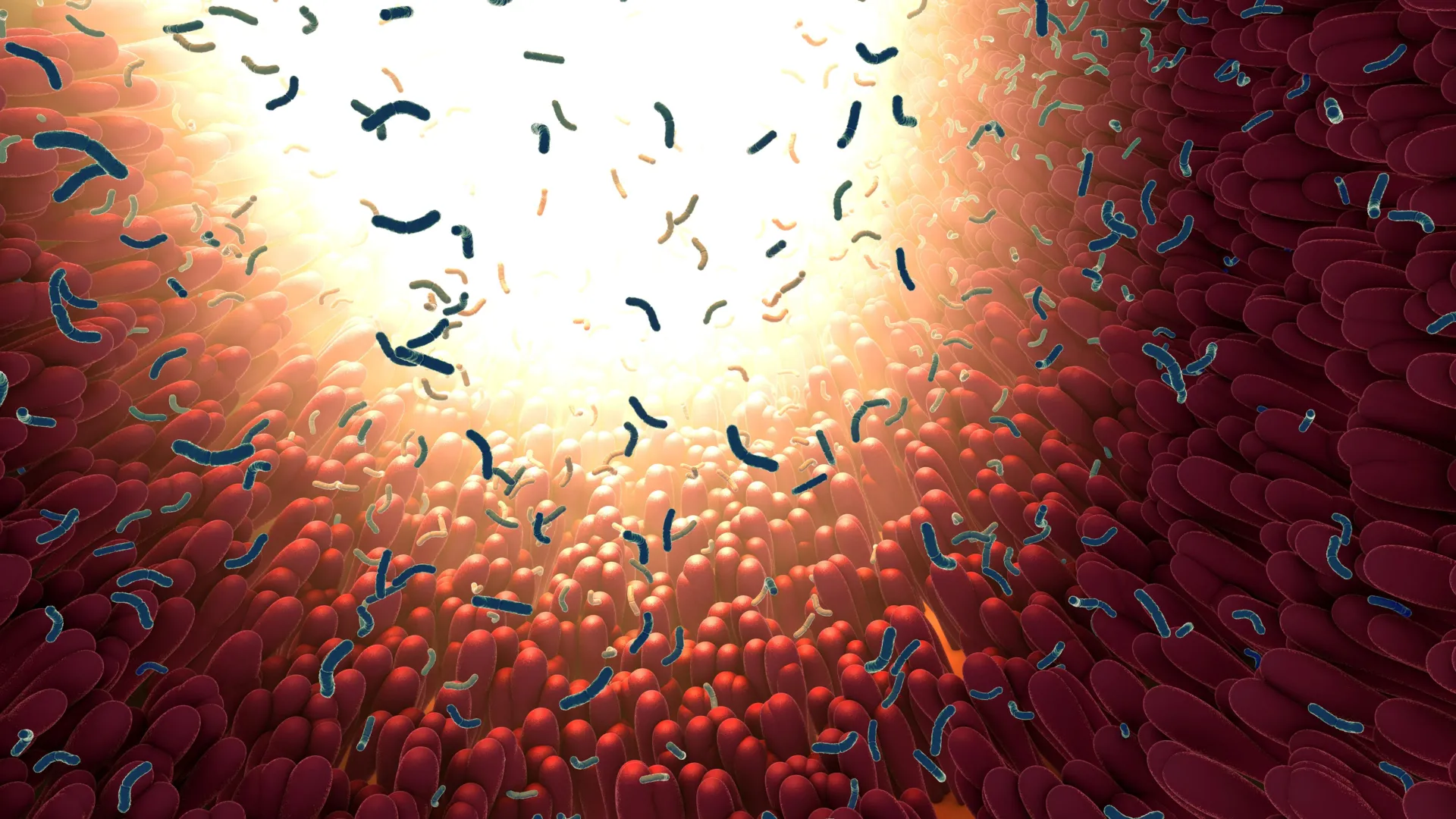
The profound benefits of a plant-based diet extend far beyond basic nutrition, underpinning robust digestive health, bolstering immune function, optimizing metabolism, and fortifying cardiovascular well-being. A cornerstone of these wide-ranging advantages lies in the diet’s capacity to foster and maintain a thriving, diverse ecosystem of microorganisms within the intestines, collectively known as the gut microbiome. This intricate community, comprising trillions of bacteria, viruses, fungi, and other microbes, acts as a second metabolic organ, performing essential functions that the human body cannot execute independently. Many of these microbes are beneficial symbionts, crucial for breaking down complex food components, synthesizing vital vitamins, and educating the immune system. While the role of dietary fiber in nourishing these beneficial microbes has been extensively studied, groundbreaking new research indicates that the narrative is more complex, introducing a previously underappreciated player: certain plant proteins that evade digestion, henceforth referred to as "Prif" (proteins imitating fiber). These novel findings suggest that Prif may work in concert with fiber to profoundly influence the gut microbiome, dictating the production of either health-promoting or potentially deleterious substances.
For decades, dietary fiber has been celebrated as the primary dietary component fueling gut microbes. As a non-digestible carbohydrate, fiber reaches the large intestine largely intact, where it serves as a crucial food source, or "prebiotic," for a variety of beneficial bacteria. The fermentation of fiber by these microbes yields a spectrum of beneficial compounds, most notably short-chain fatty acids (SCFAs) like butyrate, acetate, and propionate. Butyrate, for instance, is a primary energy source for colonocytes (cells lining the colon) and plays a key role in maintaining gut barrier integrity and exerting anti-inflammatory effects. Beyond fiber, plants are rich in phytochemicals—bioactive compounds that give fruits and vegetables their vibrant colors, distinctive flavors, and inherent protection against environmental stressors like UV radiation and pests. These natural substances, including polyphenols, carotenoids, and flavonoids, also confer significant health benefits to humans, acting as powerful antioxidants and anti-inflammatory agents. However, the exact mechanisms by which gut bacteria process these diverse plant compounds and the intricate chemical interactions that unfold within the gut lumen have only recently begun to yield their secrets to scientific inquiry.
Providing significant new insights into these complex interactions are two pioneering studies led by Jenna AbuSalim and Joshua Rabinowitz, director of the Princeton Branch of the Ludwig Institute for Cancer Research. Their collaborative work sheds light on the multifaceted ways in which plant-derived components influence gut microbial activity and host metabolism. One study, published in the prestigious Proceedings of the National Academy of Sciences (PNAS), meticulously details how both plant fiber and these newly recognized indigestible proteins (Prif) collaboratively steer gut bacteria towards the production of beneficial compounds, while simultaneously discouraging the formation of potentially harmful ones. The companion study, published in Nature Metabolism in June, challenges a long-held scientific dogma, suggesting that many important chemical compounds circulating throughout the body, traditionally attributed solely to intestinal microbes, may also originate from the body’s own metabolic processes.
Rabinowitz underscores the broader significance of these discoveries, noting, "There’s growing interest across medical disciplines in manipulating the human microbiome or using its metabolic products themselves for therapy." He emphasizes the therapeutic potential of dietary interventions: "Diet holds great promise for controlling the microbiome and its outputs. But to devise effective therapeutic interventions, we need to understand what aspects of the diet control which microbial outputs." This sentiment highlights a critical need for a deeper, more granular understanding of diet-microbiome interactions to translate scientific findings into actionable clinical strategies.
How Plant Foods Change the Chemicals Your Gut Produces
The PNAS study specifically delved into a group of substances known as phenol metabolites. Metabolites are the intermediate or end products of metabolism, the chemical processes that occur within cells to break down and process nutrients. While some metabolites are indispensable for normal biological functions, others can become detrimental, contributing to various health problems if they accumulate to excessive levels.
The team’s investigation focused on phenol metabolites generated when gut bacteria process two specific amino acids: tyrosine and phenylalanine. Amino acids are the fundamental building blocks of proteins, but the downstream compounds they produce through microbial or host metabolism can exert vastly different and often opposing effects on human health.
Of particular interest were the contrasting effects of derivatives from these amino acids. Two metabolites derived from phenylalanine—phenylpropionate and hippuric acid—have been consistently associated with positive health markers, including a healthy body weight, improved insulin sensitivity, and better overall gut health, indicative of a well-functioning gut ecosystem. Conversely, two compounds originating from tyrosine—p-cresol sulfate and phenol sulfate—have been linked to adverse health outcomes. These include poorer prognoses in cancer patients and widespread harmful effects, particularly in individuals suffering from kidney disease, where they accumulate as uremic toxins, contributing to oxidative stress and cardiovascular complications.
The central question guiding the researchers was whether different components of plant foods could selectively influence gut microbes to favor the production of these beneficial substances over the harmful ones. AbuSalim articulates their key finding: "Our studies showed that both the fiber and indigestible proteins from plants — which we call ‘proteins imitating fiber,’ or Prif — shift the balance of phenol metabolites from the harmful kind made from tyrosine to the healthful variety derived from phenylalanine." This discovery reveals a synergistic mechanism where both established and novel dietary factors work in concert to modulate the gut’s chemical output.
An Overlooked Plant Protein Works Alongside Fiber
While the health benefits of dietary fiber have been the subject of extensive scientific inquiry and public health campaigns for decades, far less attention has been paid to plant proteins that traverse the human digestive system without being fully broken down by host enzymes. These "indigestible" proteins were often considered merely inefficiently digested or nutritionally insignificant.
However, the researchers’ groundbreaking work highlights that these indigestible proteins, termed Prif, are far from insignificant. They successfully reach the gut microbiome, where they are not simply inert passengers but serve as a crucial source of nitrogen and carbon for bacterial metabolism. By doing so, Prif directly influences the competitive landscape of the gut, shaping which microbial species thrive and, consequently, which chemical compounds are ultimately produced.
Crucially, Prif does not operate in isolation. The studies demonstrated that these proteins actively cooperate with plant fiber. This partnership leads to a fundamental shift in how gut bacteria process available nutrients, re-directing their metabolic activity towards the generation of beneficial phenol metabolites while reducing the precursors for harmful ones. This cooperative mechanism suggests a more sophisticated interplay between dietary components than previously understood.
This discovery carries profound implications for our understanding of the nutritional value of plant foods. It suggests that assessing plant foods based solely on their familiar concentrations of fiber, vitamins, and minerals may be an incomplete picture. The quantity and specific types of protein that resist host digestion – the Prif content – could be a critical, yet previously unquantified, determinant of how a particular food influences the gut microbiome and, by extension, human health. This could pave the way for a more nuanced approach to food composition and dietary recommendations.
When Gut Bacteria Run Low on Fiber, They May Feed on Your Gut’s Protective Mucus
One of the most compelling and indeed alarming findings from the PNAS study concerns the source from which gut bacteria obtain the raw materials necessary to produce harmful metabolites. To meticulously trace these metabolic pathways, the researchers employed an advanced technique involving stable (non-radioactive) isotope labeling. By incorporating these detectable chemical signatures into proteins, they could precisely track the journey of these molecules through the digestive systems of mice and observe their subsequent processing.
These intricate experiments unveiled a critical difference in the origin of beneficial versus harmful phenols. The potentially harmful phenols, such as p-cresol sulfate and phenol sulfate, were found to originate from gut bacteria breaking down host proteins. Shockingly, a significant portion of these host proteins came from the gut’s own protective mucus layer. This mucus layer, a complex gel-like barrier composed primarily of mucin glycoproteins, is the body’s primary defense, physically separating the trillions of intestinal microbes from the delicate epithelial cells lining the gut. Its integrity is paramount for preventing inflammation, pathogen invasion, and maintaining overall gut health. When bacteria resort to consuming this mucus layer, it compromises the gut barrier, potentially leading to increased gut permeability ("leaky gut") and systemic inflammation.
In stark contrast, the beneficial phenols, like phenylpropionate and hippuric acid, were produced almost entirely from the indigestible proteins supplied by the diet—the Prif. This distinction highlights a crucial nutritional lever.
The researchers elucidated two complementary ways in which plant foods exert their positive influence. Firstly, dietary fiber played a vital role in suppressing the bacterial breakdown of the gut’s protective mucus, thereby directly reducing the production of harmful phenols that rely on host-derived substrates. Essentially, fiber keeps the bacteria well-fed with exogenous material, diverting them from attacking the host. Secondly, the indigestible plant proteins (Prif) provided an alternative, abundant source of dietary protein to the gut bacteria. This encouraged them to metabolize these plant-derived substrates into beneficial compounds instead of resorting to the destructive consumption of host mucus.
"We think Prifs represent an emerging class of dietary nutrients that shape the composition of the gut microbiome and could have a far-reaching influence on metabolic health," states AbuSalim, emphasizing the potential paradigm shift this discovery represents. The implications of these findings could eventually extend to a complete rethinking of nutrition labels and dietary recommendations. Rabinowitz envisions a future where "Food packaging may eventually list Prif right below fiber," underscoring the potential for Prif to become a recognized and valued nutritional component, guiding consumer choices and therapeutic dietary interventions.
A Second Discovery Challenges What Scientists Thought About Gut Bacteria
The companion study, published in Nature Metabolism, tackled another fundamental question that challenges existing assumptions in microbiome research: are gut bacteria truly the sole architects responsible for producing all the metabolites traditionally attributed to them? This inquiry probed the very origins of specific bioactive compounds within the body.
Beyond the phenol metabolites, the researchers also meticulously examined indole metabolites, a distinct class of compounds formed from tryptophan, another essential amino acid abundant in many dietary proteins. Indole metabolites have garnered considerable scientific interest due to their multifaceted involvement in critical biological processes, including the modulation of inflammation, immune activity, and their association with various disease states. Researchers have investigated their complex roles in inflammatory bowel disease, neurodegenerative disorders like Parkinson’s and Alzheimer’s, and particularly in cancer, where some indole metabolites have been found to influence tumor growth, metastasis, and even the immune system’s capacity to recognize and eliminate cancer cells.
For a long time, the scientific community has generally assumed that gut bacteria are the exclusive or predominant source of these indole compounds. This prevailing belief has fueled extensive research and therapeutic development efforts, including the development of probiotics, prebiotics, and specific dietary interventions aimed at increasing the production of potentially beneficial indole metabolites within the gut.
However, this therapeutic approach hinges entirely on a critical assumption: that intestinal microbes are indeed responsible for producing the vast majority, if not all, of the compounds researchers aim to influence. If, contrary to this assumption, the body’s own cells possess the intrinsic capacity to synthesize substantial amounts of these metabolites, then simply altering the microbiome through diet or probiotics may not be the most effective, or even a fully effective, way to control their circulating levels. This would necessitate a re-evaluation of current research strategies and therapeutic targets.
Your Body Can Make Compounds Once Attributed to Gut Microbes
To rigorously investigate this crucial question, the research team once again employed sophisticated isotope tracing techniques. This time, they applied the method across a range of biological systems, including mice, rats, and critically, human cells in vitro, to meticulously track the production pathways of various metabolites.
The results were a significant challenge to conventional scientific wisdom. The findings unequivocally demonstrated that mammalian cells—meaning the body’s own cells, independent of any microbial activity—were fully capable of generating numerous phenol and indole metabolites. This included compounds previously considered exclusive products of microbial metabolism.
Among these were indole-3-lactate and indole-3-acetate, two biologically important compounds that play roles in immune regulation, gut barrier function, and even neurotransmission. Their mammalian origin was a surprising revelation.
Further reinforcing these findings, the researchers conducted experiments involving antibiotics to disrupt the intestinal microbiome. The logic was straightforward: if certain metabolites were entirely dependent on gut bacteria for their production, their concentrations in the body would be expected to decline sharply, or even disappear, when those bacteria were depleted by antibiotic treatment.
While some compounds, such as indole-3-propionate and p-cresol sulfate, which are indeed produced exclusively by microbes, showed a significant decline following antibiotic treatment, many other metabolites exhibited a different pattern. Levels of numerous compounds, including indole-3-lactate and indole-3-acetate, remained at substantial concentrations in the blood of antibiotic-treated mice. A strikingly similar pattern was observed in samples from human patients receiving antibiotics, including individuals undergoing cancer treatment, further validating the in vivo findings.
These results provided compelling evidence for a dual origin for many metabolites: some are undeniably microbe-dependent, while others can also be manufactured by the body’s own intrinsic metabolic processes. This distinction is not merely an academic curiosity; it holds immense practical implications. It fundamentally alters how researchers approach the development of treatments aimed at either increasing beneficial metabolites or reducing harmful ones. A more holistic view, integrating both microbial and host metabolic contributions, is clearly necessary for effective therapeutic design.
What These Discoveries Mean for Nutrition and Future Treatments
Taken together, these two groundbreaking studies offer a significantly more detailed and nuanced understanding of the intricate interplay between dietary components, the gut microbiome, and the body’s own metabolic machinery.
The PNAS study identified an overlooked yet crucial category of plant proteins—Prif—that works synergistically with dietary fiber to influence bacterial activity within the gut. This collaboration helps to shift the balance of metabolite production away from potentially harmful byproducts and towards beneficial compounds, safeguarding gut health and overall systemic well-being. The Nature Metabolism study, on the other hand, provided a paradigm-shifting revelation: the body itself possesses the capability to produce many compounds once believed to originate exclusively from gut bacteria, challenging a long-held scientific assumption.
Both findings carry profound implications for a wide array of research fields, including metabolic disease, digestive health, cancer biology, immunology, and the broader study of the microbiome. They suggest that future attempts to manipulate gut chemistry—whether through targeted dietary interventions, probiotic supplementation, or other therapeutic strategies—will need to adopt a more integrated approach. This approach must account for both the dynamic activity of the gut microbial community and the inherent metabolic capabilities of the host body.
It is important to acknowledge that much of the experimental evidence presented in these studies derives from animal models and laboratory cell cultures. Therefore, extensive additional research will be necessary to fully elucidate how these intricate mechanisms translate to and influence long-term health outcomes in human populations. Clinical trials and observational studies will be crucial to validate these findings and establish their relevance for human health and disease prevention.
Nevertheless, the path forward is clearer. A more precise and comprehensive understanding of the complex relationship between different food components, microbial metabolism, and host physiology holds immense promise. This enhanced knowledge could eventually enable nutritionists and medical professionals to provide far more precise, personalized, and effective dietary advice. Furthermore, it could empower researchers to identify entirely new therapeutic strategies for a multitude of conditions where the gut microbiome and metabolism play a pivotal role.
As Rabinowitz concludes, "Beyond that, a clearer picture of how different foods interact with the microbiome to modulate the production of bacterial metabolites will help sharpen the guidance nutritionists and doctors can give to people for disease prevention and therapy." This vision underscores the potential for these discoveries to fundamentally transform our approach to health, nutrition, and disease management in the coming years.
These studies were funded by the Ludwig Institute for Cancer Research, the National Institutes of Health, the National Institute of Diabetes and Digestive and Kidney Diseases, the Princeton Alliance for Collaborative Research and Innovation, and Princeton University. Aside from his post as Director of the Princeton Branch of the Ludwig Institute for Cancer Research, Joshua Rabinowitz is Professor in the Department of Chemistry & Lewis-Sigler Institute for Integrative Genomics and a member of the Rutgers Cancer Institute.
