
 By admin
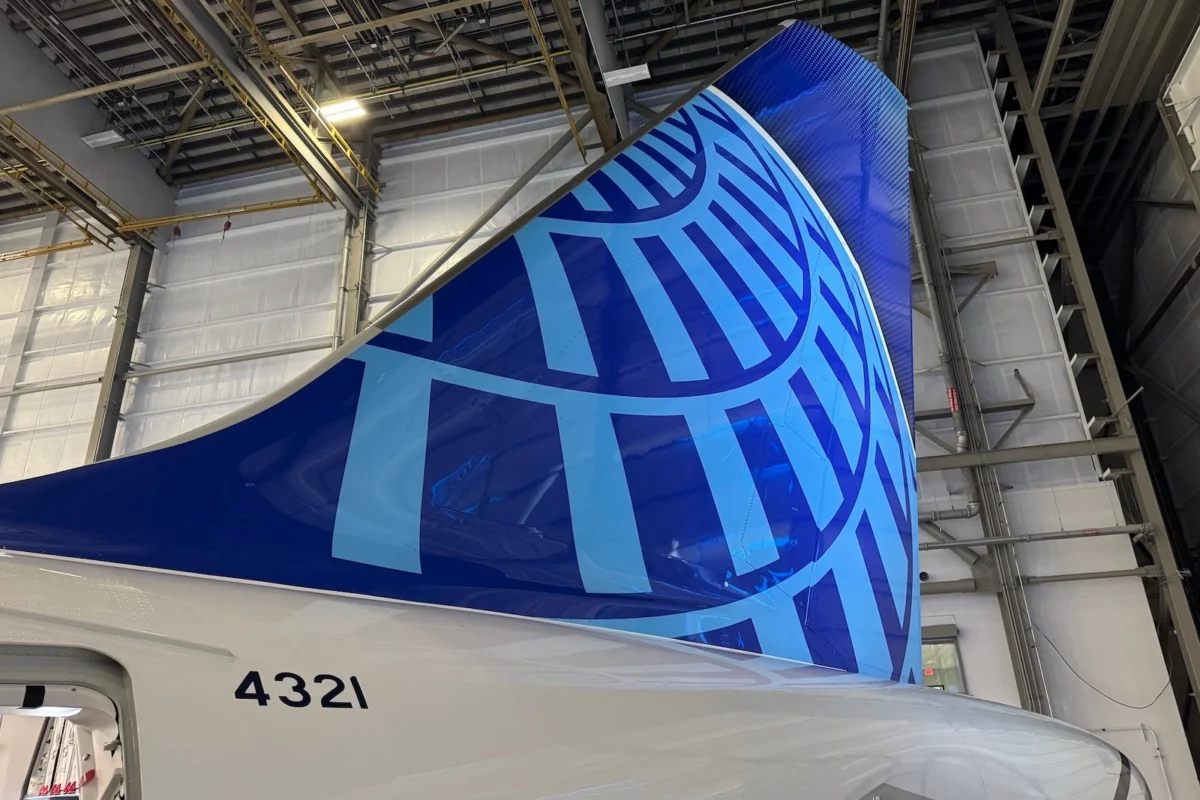
The official delivery of United Airlines’ first Airbus A321XLR marks a pivotal transformation in the carrier’s long-term fleet strategy, signaling the beginning of the end for the aging Boeing 757 era and the dawn of a highly efficient, long-range narrowbody future. On November 16, 2026, the aviation world turned its attention to United’s technical operations center as the first airframe, sporting the iconic blue-and-white "Evo-Blue" livery on its towering tail, was formally inducted into the fleet. This milestone is not merely a routine aircraft delivery; it represents a fundamental shift in how major network carriers approach secondary international markets and hub-to-point-to-point connectivity. As the A321XLR (Extra Long Range) begins its service life with United, it brings with it the promise of reaching destinations previously unreachable by single-aisle aircraft, all while maintaining the operational economics that modern sustainability mandates require.
The Airbus A321XLR is the final evolution of the A320neo family, specifically engineered to push the boundaries of narrowbody range. With a maximum range of approximately 4,700 nautical miles, the aircraft bridges the gap between traditional short-haul narrowbodies and heavy widebodies like the Boeing 787 Dreamliner or the Airbus A350. For United Airlines, this capability is the linchpin of their "United Next" growth plan. By utilizing the A321XLR, United can now profitably serve "long and thin" routes—destinations that have enough demand to fill a 180-to-200-seat aircraft but lack the volume to justify a 250-to-300-seat widebody. This includes secondary European cities from Newark Liberty International Airport (EWR) and Washington Dulles International Airport (IAD), such as Porto, Portugal; Reykjavik, Iceland; and potentially even deeper reaches into Central Europe and North Africa.
Technologically, the A321XLR is a marvel of modern aerospace engineering. The defining feature of the XLR is its permanent Rear Center Tank (RCT), which is integrated directly into the fuselage structure rather than being a removable auxiliary tank. This design allows for significantly more fuel capacity without sacrificing as much cargo space as previous iterations. However, the path to this November 2026 delivery was not without its challenges. Airbus faced rigorous scrutiny from the European Union Aviation Safety Agency (EASA) and the Federal Aviation Administration (FAA) regarding the fire safety and structural integrity of the RCT. The final design, which United has now received, incorporates a robust specialized thermal insulation and structural reinforcement package that ensures the highest safety standards while maintaining the aircraft’s weight efficiency.
The economic argument for the A321XLR is undeniable. Compared to the Boeing 757-200, which has been the workhorse of United’s transatlantic narrowbody fleet for decades, the A321XLR offers a nearly 30% reduction in fuel burn per seat. This efficiency is driven by the CFM International LEAP-1A engines, which provide superior thrust-to-weight ratios and lower noise profiles. For United, reducing fuel consumption is not just a matter of padding the bottom line; it is a critical component of the airline’s pledge to be 100% green by 2050 without relying on traditional carbon offsets. The introduction of the XLR allows United to retire its oldest 757s, which are increasingly expensive to maintain and operate in an era of fluctuating energy prices and tightening emissions regulations.
From a passenger perspective, the A321XLR promises a revolutionized "United Signature Interior" experience. Historically, flying across the Atlantic on a narrowbody was often viewed as a downgrade compared to the spaciousness of a twin-aisle jet. United has countered this perception by outfitting the A321XLR with a premium-heavy configuration that rivals its widebody fleet. The aircraft features a dedicated United Polaris business class cabin, utilizing a customized version of the Stelia Opera or similar lie-flat seats designed specifically for narrowbody dimensions. These seats offer direct aisle access, a feat previously difficult to achieve in a single-aisle layout. Furthermore, the aircraft is equipped with United Premium Plus (premium economy), Economy Plus, and standard Economy. Every seat features high-definition 4K touchscreens with Bluetooth connectivity, high-speed Wi-Fi, and larger "Airspace" overhead bins that can accommodate a carry-on bag for every passenger, significantly reducing boarding friction.
Industry analysts suggest that United’s aggressive adoption of the A321XLR puts it at a competitive advantage over its domestic rivals. While American Airlines and JetBlue have also integrated variations of the A321neo and LR into their fleets, United’s massive order book for the XLR variant positions it to dominate the mid-market segment. Aviation consultant Robert Mann notes that "United is playing a sophisticated game of network chess. They are using the XLR to bypass traditional European hubs like London Heathrow or Frankfurt, taking passengers directly to where they want to go. This builds immense brand loyalty and allows for premium pricing on non-stop routes that were previously only accessible via a connection."
The impact on United’s hub strategy is profound. Newark (EWR) and Washington Dulles (IAD) are expected to be the primary bases for the XLR, but Chicago O’Hare (ORD) is also slated to see XLR service to Western Europe. The aircraft’s range even opens up possibilities for "deep" South American routes from Houston (IAH) or Newark that were previously on the edge of narrowbody capability. This flexibility allows United’s network planners to be more nimble. If a route shows seasonal demand, the XLR can be swapped in or out with much less financial risk than a Boeing 767 or 787.
The arrival of the A321XLR also highlights the ongoing struggle for Boeing in the "Middle of the Market" (MoM) segment. For years, Boeing debated the development of a New Midmarket Airplane (NMA), often referred to by enthusiasts as the 797. However, the delays associated with the 737 MAX crisis and the 777X certification pushed those plans to the back burner. This left a vacuum that Airbus successfully filled with the A321neo family. United, traditionally one of Boeing’s most loyal customers, was forced to look toward Toulouse to meet its fleet renewal needs. This shift underscores a broader trend in the industry where the lines between narrowbody and widebody missions are blurring, and Airbus currently holds the technological edge in the high-capacity, long-range single-aisle market.
Expert perspectives also highlight the logistical benefits of fleet commonality. Because United already operates a growing fleet of A321neo aircraft, the transition to the XLR is relatively seamless for flight crews and maintenance teams. The cockpits are nearly identical, requiring minimal "differences training" for pilots. This commonality reduces operational complexity and costs, allowing United to maintain high aircraft utilization rates. The maintenance infrastructure for the LEAP engines and Airbus airframes is already well-established within United’s global network, ensuring that the XLR can hit the ground running with high reliability from day one.
Sustainability remains a core theme of this delivery. Beyond fuel efficiency, the A321XLR is capable of operating on high blends of Sustainable Aviation Fuel (SAF). United has been a leader in SAF investment, and the XLR will be a primary candidate for SAF-powered "green corridors" between the U.S. and Europe. By pairing the most efficient airframe in its class with lower-carbon fuels, United is making a visible statement about the future of long-haul travel. The reduction in noise footprint is also a significant benefit for airports with strict noise abatement procedures, such as those in the New York metro area and major European cities, allowing for more flexible scheduling and potentially lower landing fees.
As the first United A321XLR prepares for its inaugural commercial flight, the excitement within the company is palpable. Internal memos suggest that the airline plans to use the aircraft to "disrupt" established markets. We are likely to see United announce a slew of new, niche international destinations throughout 2027 as more XLRs are delivered. This "narrowbody revolution" is changing the geography of aviation, making the world feel a bit smaller while making the business of flying a bit more sustainable and profitable.
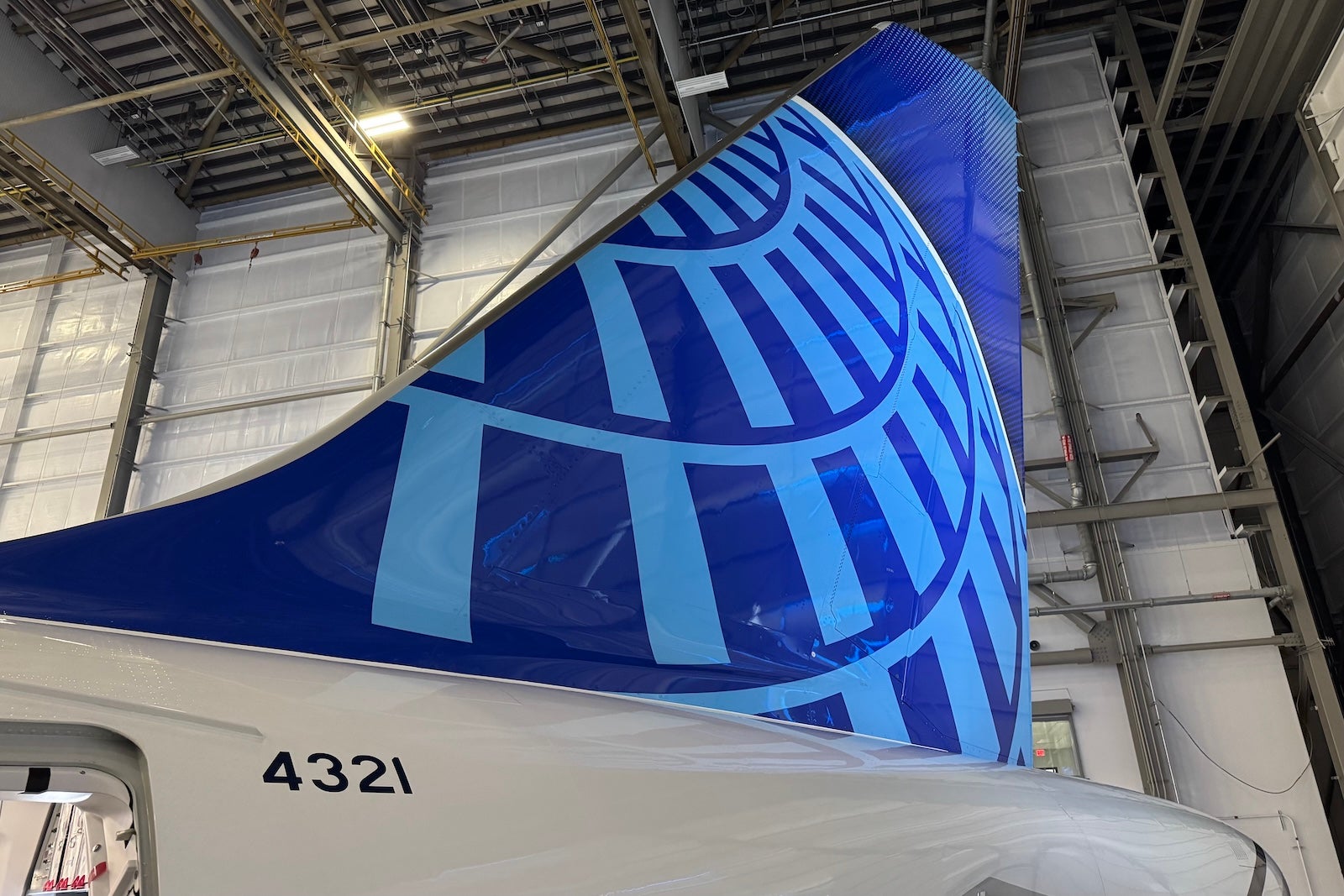
The tail of the United A321XLR, captured in the featured image, is more than just a piece of painted aluminum; it is a symbol of a strategic pivot. It represents a move away from the high-capacity, high-risk hub-to-hub model toward a more surgical, efficient, and passenger-centric approach to global connectivity. With 50 of these aircraft on order, United is not just testing the waters; they are diving headfirst into a future where the size of the plane no longer dictates the length of the journey. As the aviation industry watches closely, United’s A321XLR is set to redefine the standards of the transatlantic experience, proving that in the modern era of flight, less can indeed be much more. This delivery on November 16, 2026, will be remembered as the moment the narrowbody truly went global, forever altering the competitive landscape of the skies.
