
 By admin
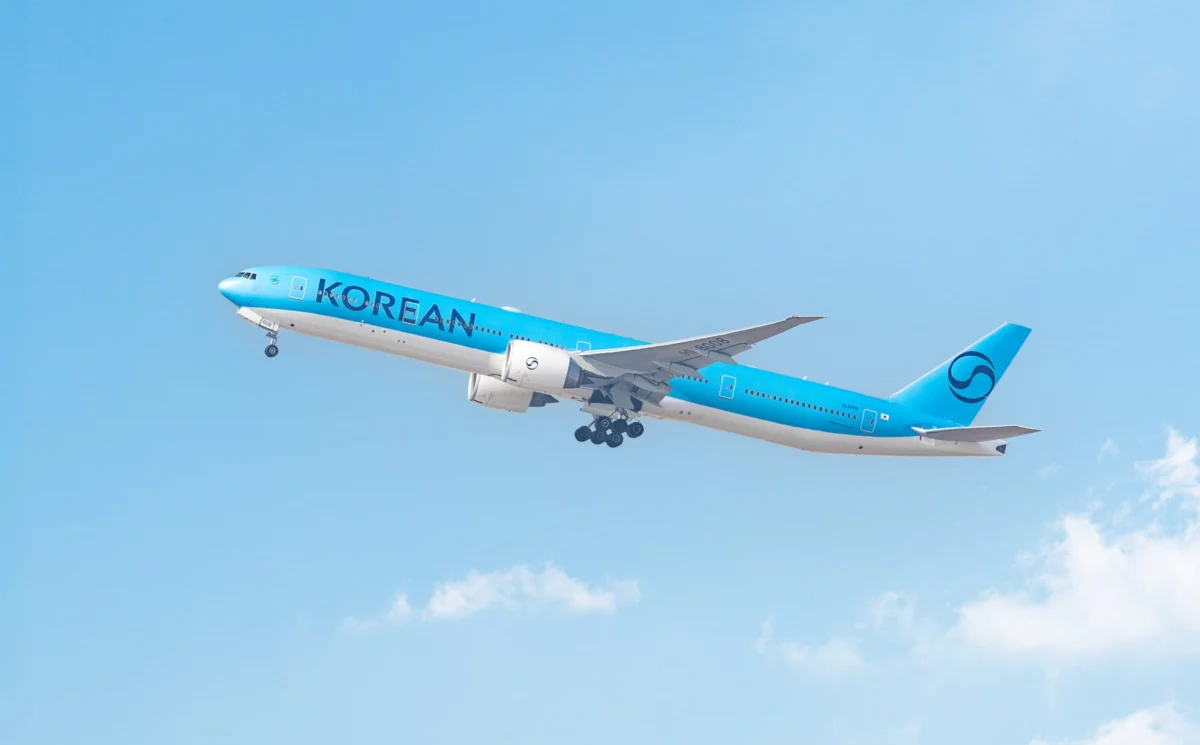
The landscape of international aviation reached a definitive turning point on November 12, 2026, as Korean Air officially announced the final operational consolidation of its merger with Asiana Airlines, marking the birth of a "Mega Carrier" that ranks among the top ten largest airlines in the world. This milestone, which has been nearly six years in the making since the initial acquisition announcement in late 2020, represents a seismic shift in the Northeast Asian travel market and establishes Seoul’s Incheon International Airport as the undisputed premier transit hub for the transpacific corridor. The integration, valued at approximately 1.8 trillion won ($1.37 billion), concludes a complex journey through international regulatory scrutiny, labor negotiations, and fleet synchronization, ultimately creating a unified national champion for South Korea.
The successful finalization of this merger follows a grueling multi-year approval process involving competition authorities in 14 different jurisdictions, including the European Union, the United States, and China. To satisfy antitrust concerns, Korean Air navigated a series of strategic divestments, most notably the sale of Asiana Airlines’ cargo business to Air Incheon and the transfer of several key European routes to T’way Air. These concessions, while initially viewed as significant sacrifices, have ultimately paved the way for a more streamlined and competitive entity capable of leveraging economies of scale that neither airline could achieve independently. As of today, the combined entity boasts a fleet of over 230 aircraft, a workforce exceeding 30,000 employees, and a route network that connects South Korea to nearly 130 destinations across five continents.
Central to this new era for Korean Air is a massive multi-billion-dollar fleet modernization program designed to optimize fuel efficiency and enhance the passenger experience. In the months leading up to this final integration, Korean Air has accelerated the delivery of its Airbus A350-900 and A350-1000 orders, alongside a steady influx of Boeing 787-10 Dreamliners. These next-generation widebody aircraft are replacing older, less efficient models such as the Boeing 777-200ER and the remaining Airbus A330 fleet inherited from Asiana. By 2026, the airline has successfully reduced its average fleet age to under 10 years, a move that aligns with its ambitious environmental, social, and governance (ESG) goals and provides a 25% improvement in fuel burn per seat compared to the outgoing aircraft.
The integration of the two airlines’ loyalty programs has been perhaps the most anticipated development for the traveling public. The newly unified SKYPASS program now incorporates former Asiana Club members, offering a seamless transition of miles and elite status levels. Industry analysts note that the scale of the new SKYPASS ecosystem is unprecedented in the region, offering members significantly more redemption opportunities across the combined network and its SkyTeam partners. Furthermore, the airline has strengthened its joint venture with Delta Air Lines, creating a formidable "Pacific Fortress" that offers more than 20 daily departures between South Korea and North America. This partnership allows for coordinated scheduling and pricing, providing passengers with unparalleled connectivity to mid-sized American cities through Delta’s hubs in Atlanta, Detroit, and Minneapolis.
From a passenger perspective, the 2026 Korean Air experience has been redefined by the "One Brand" philosophy. While the Asiana name has been retired from commercial operations, Korean Air has incorporated the best elements of Asiana’s renowned service culture into its new standard operating procedures. The airline has unveiled a new "Prestige Suites 3.0" business class product across its long-haul fleet, featuring sliding privacy doors, wireless charging, and 4K entertainment screens—features that were previously inconsistent across the two separate carriers. In the premium cabin, the airline has also expanded its farm-to-table catering program, sourcing ingredients from the airline’s own organic farm on Jeju Island, reflecting a growing consumer demand for sustainable and high-quality inflight dining.
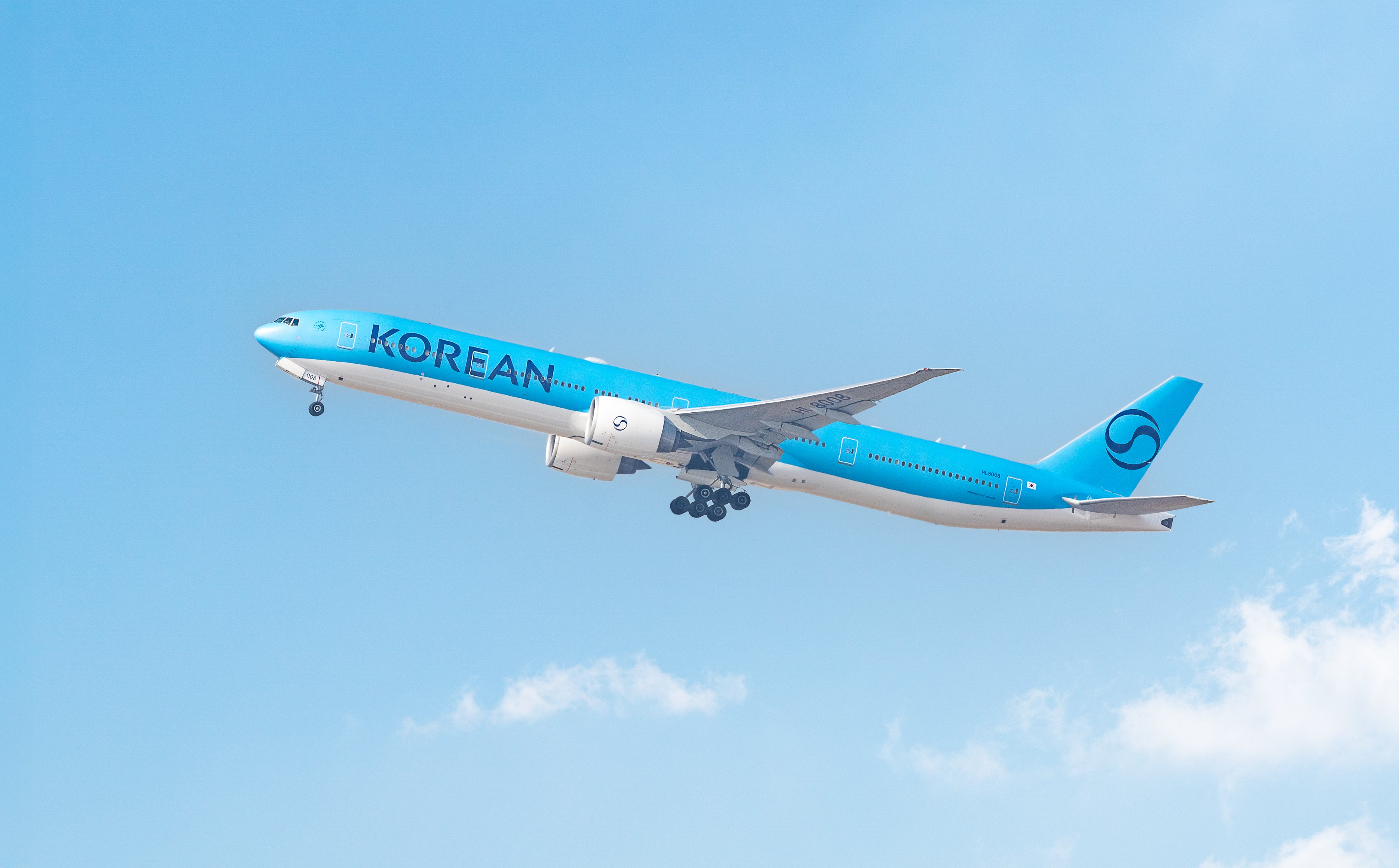
The role of Incheon International Airport (ICN) cannot be overstated in this narrative of expansion. Coinciding with the merger’s completion, the airport has finalized its Phase 4 expansion project, which includes the completion of a fourth runway and the significant expansion of Terminal 2. This allows Korean Air to centralize its operations under one roof, eliminating the logistical challenges of transferring passengers between terminals. The "Mega-Hub" strategy aims to capture a larger share of the sixth-freedom traffic—passengers traveling between Southeast Asia and North America or Europe via Seoul. With the combined frequencies of the two former rivals, Korean Air now offers "shuttle-like" service on high-demand routes to cities like Tokyo, Shanghai, and Bangkok, making ICN the most efficient transfer point in Asia.
Sustainability has emerged as a core pillar of the restructured airline. In 2026, Korean Air has become one of the world’s leading consumers of Sustainable Aviation Fuel (SAF), having signed long-term procurement agreements with global energy providers and local Korean refineries. The airline is currently on track to meet its goal of using 5% SAF across its entire network by 2030, a target that is supported by the South Korean government’s "Green Aviation" subsidies. Additionally, the merger has allowed for the optimization of flight paths and the elimination of redundant flights on overlapping routes, which has immediately resulted in a 12% reduction in total carbon emissions for the combined group compared to their separate operations in 2019.
The financial implications of the merger are equally profound. By consolidating administrative functions, maintenance facilities, and ground handling services, Korean Air expects to realize annual synergies of over 400 billion won ($300 million). These savings are being reinvested into digital transformation initiatives, including AI-driven predictive maintenance and a new "Smart Cargo" system that uses blockchain technology to track high-value shipments in real-time. The cargo division, which served as a lifeline for the airline during the global pandemic years, remains a critical revenue driver. Even after divesting Asiana’s cargo arm, Korean Air’s dedicated freighter fleet remains one of the largest in the world, positioning it to capitalize on the continued growth of cross-border e-commerce between Asia and the West.
Expert perspectives on the merger suggest that while the operational hurdle is cleared, the cultural integration of the two workforces remains a work in progress. "Merging two corporate cultures as distinct as Korean Air and Asiana is a generational task," says Dr. Lee Sang-hoon, a senior aviation analyst at the Seoul Economic Institute. "Korean Air has historically been seen as the more traditional, hierarchical carrier, while Asiana was often viewed as more flexible and service-oriented. Success in 2027 and beyond will depend on management’s ability to foster a unified identity that respects both legacies while looking forward to a digital-first future." To address this, the airline has implemented a comprehensive "Cultural Harmony" program, involving cross-training and joint social initiatives for flight crews and ground staff.
Looking ahead, the competitive landscape remains fierce. While Korean Air has solidified its dominance at home, it faces renewed pressure from the rapid expansion of low-cost carriers (LCCs) in the regional market. The merger also resulted in the consolidation of the airlines’ respective LCC subsidiaries—Jin Air, Air Busan, and Air Seoul—into a single, massive budget carrier. This subsidiary is now the largest LCC in Northeast Asia, providing a strategic buffer for Korean Air by defending the short-haul market against aggressive competition from Chinese and Japanese low-cost rivals.
As the global aviation industry watches closely, the 2026 iteration of Korean Air stands as a testament to strategic resilience. The airline has transitioned from a period of existential uncertainty during the COVID-19 pandemic to a position of unprecedented regional dominance. The integration finalized today is more than just a change in livery or a merger of balance sheets; it is a fundamental reimagining of what a national flag carrier can be in the mid-21st century. With a modernized fleet, a world-class hub, and a unified brand, Korean Air is now poised to compete on equal footing with the industry’s elite, carrying the aspirations of South Korea’s aviation sector into a new era of global connectivity. The coming years will determine if this "Mega Carrier" can maintain the delicate balance between domestic dominance and global competitiveness, but for now, the successful integration marks a historic victory for the "Wings of South Korea."
