
 By Rifan Muazin
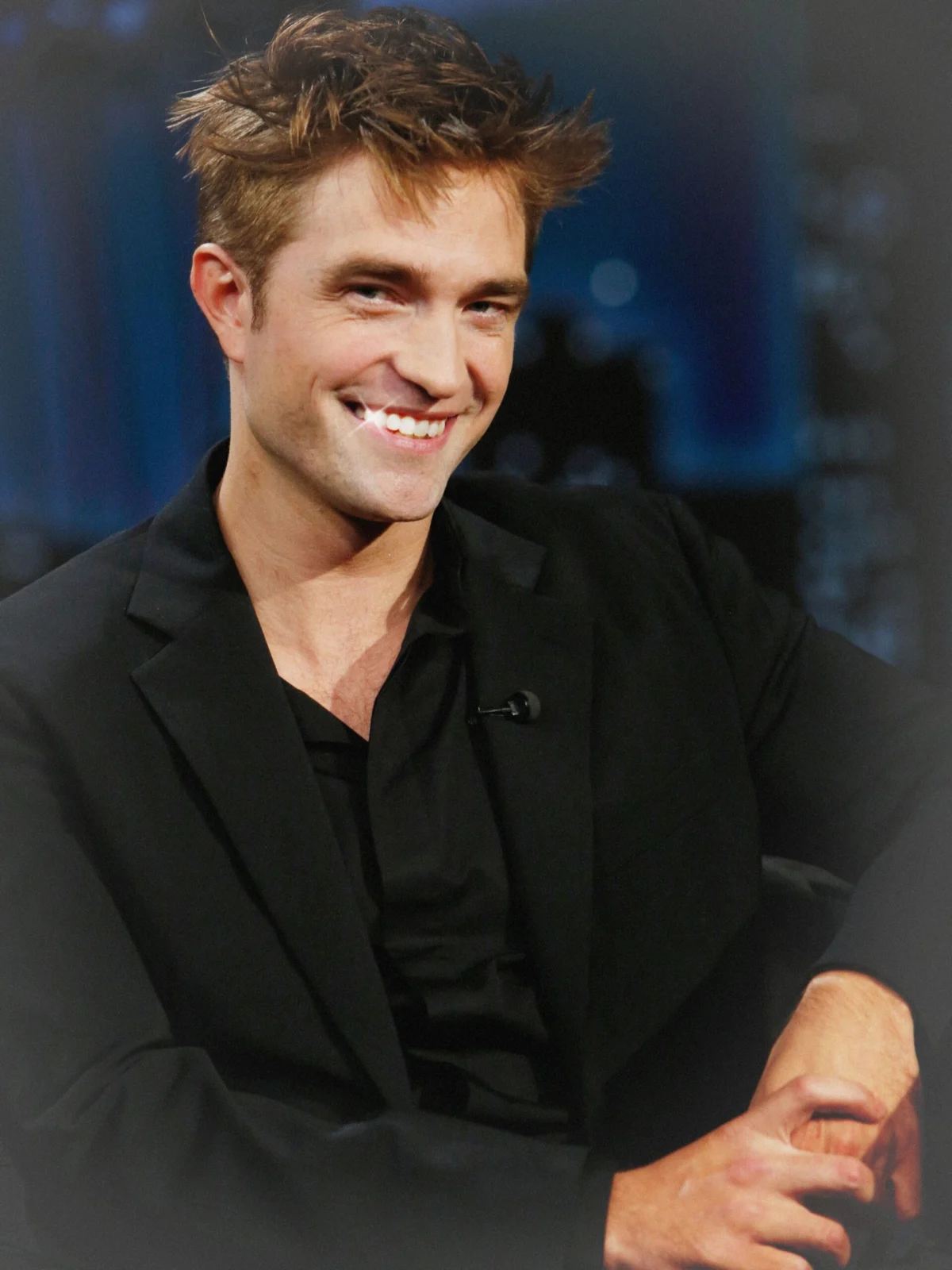
The casting of Pattinson is more than just a headline; it is a seismic shift in the DNA of the James Bond character. Since Daniel Craig’s swan song in No Time to Die, the vacuum left by his departure was filled with names ranging from the hyper-masculine to the traditionally safe. However, the selection of Pattinson signals a desire for something more complex. While the internet, in its typical fashion, immediately pivoted from celebrating the news to aggressively casting the rest of the ensemble—dreaming up potential Bond Girls and scenery-chewing Villains—the real conversation lies in what kind of Bond we are about to receive. The pairing of Pattinson’s chameleonic acting style with Villeneuve’s penchant for atmospheric, high-concept storytelling suggests a departure from the "gritty realism" that defined the last two decades of the franchise.
To understand why Pattinson is the right choice for this moment, one must look at his trajectory over the last fifteen years. Following the global phenomenon of Twilight, Pattinson could have easily coasted on a career of big-budget romantic leads. Instead, he chose a path of "Full Freak" intensity, collaborating with auteurs like David Cronenberg, Claire Denis, and the Safdie Brothers. In Good Time, he displayed a frantic, scumbag energy that was as repulsive as it was magnetic. In The Lighthouse, he descended into a sea-shanty-fueled madness. Even his foray back into blockbusters with Christopher Nolan’s Tenet felt like a sophisticated Bond audition; as the suave, martini-drinking Neil, he proved he could wear a suit and navigate a high-stakes heist with an effortless, almost mischievous grace. It is this specific "Neil energy"—a cocktail of charm, intelligence, and a hint of a secret joke—that makes his casting so tantalizing.
The involvement of Denis Villeneuve adds a layer of prestige that the franchise hasn’t seen since Sam Mendes directed Skyfall. Villeneuve has spent the last decade proving that he can handle massive intellectual properties—Blade Runner 2049 and Dune—without sacrificing his distinct, somber visual language. However, the challenge for Villeneuve will be navigating the tonal expectations of a post-Craig world. Since 2006’s Casino Royale, the Bond franchise has been defined by a "gritty reboot" aesthetic that was a necessary corrective to the campy, gadget-heavy excesses of the late Pierce Brosnan era. Casino Royale stripped Bond of his puns and his invisible cars, replacing them with heartbreak and physical trauma. It was a formula that worked brilliantly for the cultural climate of the 2000s and 2010s, but twenty years later, that "grittiness" has become the industry’s stock-in-trade. Every hero is now brooding; every franchise is now an origin story about pain.
This leads to the most provocative question currently facing the 007 fandom: Can we make James Bond silly again? Not the "shark with a laser beam" silliness of the Roger Moore years, perhaps, but a Bond who is at least fifteen percent "goofball." Pattinson is uniquely qualified to deliver this. He is an actor who thrives on the "weird," often approaching archetypal roles with a "silly, goofy mood" that keeps the audience off-balance. Whether it’s his bizarre, high-pitched "voice" in the upcoming Mickey 17 or his eccentric, conniving suitor in The Odyssey, Pattinson understands that true charisma often comes from a place of slight unpredictability. A Bond who is a seductive cad, who smiles with a hint of genuine playfulness rather than just a grimace of stoicism, would be the most radical thing the franchise could do right now.
The historical context of Bond’s tone is a pendulum that has swung back and forth for sixty years. Sean Connery established the baseline of cool; Roger Moore leaned into the droll, eyebrow-raising humor of the 1970s; Timothy Dalton brought a proto-Craig intensity; and Pierce Brosnan attempted to bridge the gap before the series drifted into the parodic territory of Die Another Day. When Daniel Craig took over, the mission was to ground Bond in a world influenced by Jason Bourne and post-9/11 cynicism. But after five films of Craig’s Bond suffering through personal vendettas and existential dread, there is a palpable hunger for a Bond who actually enjoys being Bond.
The risk for Amazon and MGM is that they might default to the "safe" choice. There is no doubt that Jeff Bezos and the Amazon executive suite are looking for a return on their multi-billion-dollar investment. In the high-stakes world of modern franchise filmmaking, "safe" usually means replicating what worked before. One can imagine the boardroom discussions, with executives pointing to Skyfall or The Batman as the blueprint for success. Pattinson’s own turn as the Caped Crusader was a dark, brooding, David Fincher-esque detective story that was a massive hit. However, replicating that same "dark and gritty" tone for Bond would be a missed opportunity. The most exciting thing Villeneuve and Pattinson can do to set their Bond apart would be to loosen the tie and let the character breathe.
Furthermore, the "Bond Girl" and "Bond Villain" archetypes are due for a Villeneuve-style reimagining. In recent years, the franchise has made strides in modernizing these roles—moving away from "damsels in distress" and toward characters like Ana de Armas’s Paloma or Lashana Lynch’s Nomi. With Pattinson at the center, the dynamic shifts. He is an actor who plays well off others, often bringing out a frantic or flirtatious energy in his co-stars. The internet’s "dream picks" for these roles have already begun to flood social media, ranging from the high-brow (Tilda Swinton as a cold, calculating villain) to the contemporary (Ayo Edebiri as a tech-savvy Q). Regardless of who is cast, the focus will remain on how they interact with Pattinson’s specific brand of leading man.
The technical aspects of a Villeneuve Bond film are also a source of great anticipation. With his frequent collaborators, such as cinematographer Greig Fraser or composer Hans Zimmer (who already scored No Time to Die), Villeneuve is likely to produce the most visually stunning Bond film to date. His ability to capture scale—the vastness of a desert, the oppressive height of a futuristic city—could translate beautifully to the globe-trotting nature of 007. We could see a Bond film that feels more like a "techno-thriller" or a "gothic spy drama" rather than just a standard action flick.
Ultimately, the casting of Robert Pattinson represents a victory for those who want cinema to remain interesting. He is an actor who refuses to be boring, and in a landscape of "sauceless" blockbusters, that is a rare and valuable commodity. He has the range to play the stoic gentleman for the "Tenet truthers," but he also has the "scumbag grime" and the "hapless screwball" energy to make the character feel fresh. By moving away from the relentless seriousness of the last two decades and embracing a touch of camp—or at least a touch of Pattinson’s inherent eccentricity—the franchise can avoid becoming a museum piece.
The nightmare of the search is over, but the work of reinvention has just begun. As we wait for the first glimpses of Pattinson in the tuxedo, the hope is that he and Villeneuve aren’t just making another "gritty reboot." Instead, they have the opportunity to give us a Bond for the 2020s: a character who is as stylish and dangerous as ever, but who isn’t afraid to have a little bit of fun along the way. If they can find that balance—that elusive fifteen percent goofball—they might just create the most definitive version of the character yet. The internet has had its say; now, it’s time to let the artists work. Bond is back, and for the first time in a long time, he might actually be smiling.
