
 By admin
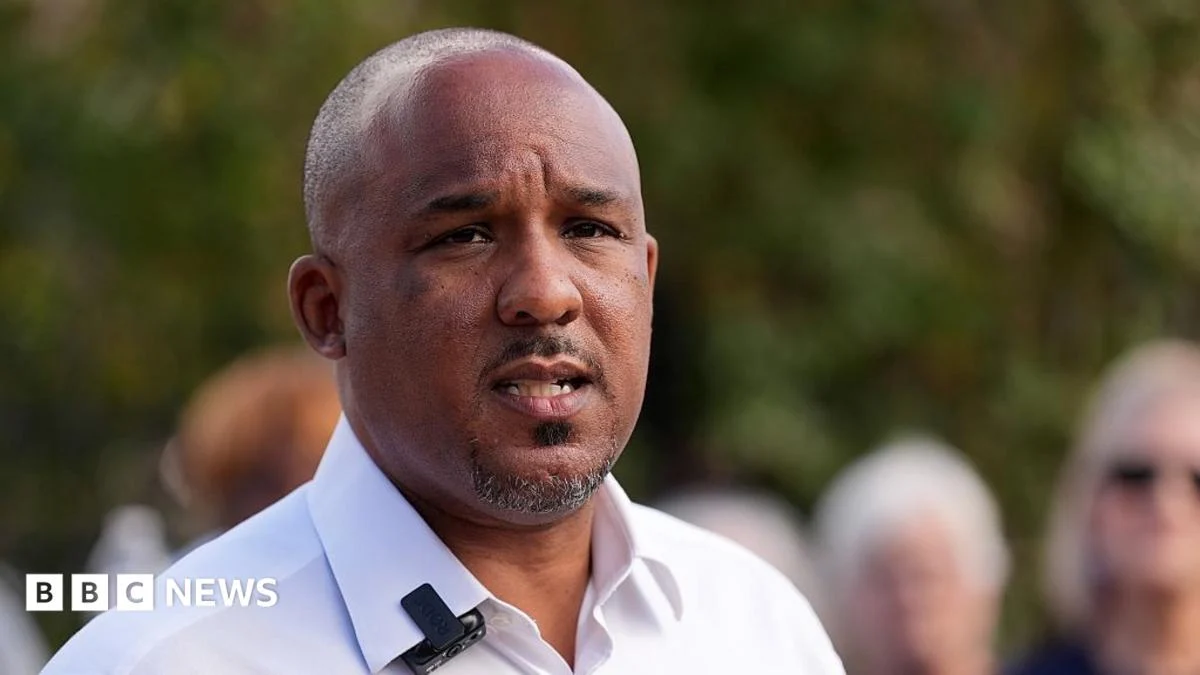
In a stunning upset that has sent reverberations across the American political landscape, Democrat Scott Colom has triumphed in the United States Senate race in Mississippi. This landmark victory marks a monumental shift for the Democratic Party in a state long considered a bedrock of Republican conservatism, ending a decades-long streak of GOP control in its Senate delegation. Colom’s win is not only a testament to a hard-fought campaign but also a deeply significant moment in American history, as he becomes the first African American from Mississippi to be elected to the U.S. Senate in over 140 years, a profound step forward in representation for the Magnolia State.
The race was an exceptionally tight affair, with only a razor-thin margin of votes separating Colom from the incumbent Republican, Cindy Hyde-Smith. The closeness of the contest meant that the outcome remained uncertain for more than a week after Election Day, as election officials meticulously counted every single ballot that arrived by the stipulated deadline. This prolonged period of suspense underscored the extraordinary nature of the election and the intense voter engagement it inspired.
According to the latest figures released by CBS, Scott Colom secured 49.2% of the vote, narrowly edging out Hyde-Smith, who garnered 48.7%. An independent candidate garnered a modest 2.1% of the vote, playing a marginal role in the final tally. In a gracious concession, Hyde-Smith posted a video on X on Wednesday evening, congratulating Colom and extending her best wishes for his tenure in the Senate. "While this was not the outcome we worked for or hoped for, I respect the decision of Mississippi voters," she stated, acknowledging the will of the electorate.
This dramatic victory has immediate implications for the balance of power in the U.S. Senate. With Colom’s win, the Democratic majority is now solidified at 55 seats. However, the overall composition of the Senate remains subject to further clarification, as a fiercely contested race in Alaska is still awaiting a definitive call. The significance of Colom’s win is further amplified by its impact on Mississippi’s political history. It effectively brings to an end a Republican winning streak in the state’s Senate elections that has spanned an unbroken period since 1982, a remarkable 42-year run.
The Mississippi Senate contest was, by all conventional political analyses, not anticipated to be this competitive. Hyde-Smith, as the incumbent, was running in a state that had overwhelmingly supported former President Donald Trump in the 2024 election, with Trump winning by a margin exceeding 22 percentage points. This stark contrast between the presidential election results and the Senate outcome highlights a complex and evolving electorate in Mississippi, one that appears willing to defy traditional party allegiances.
This unexpected Democratic success in Mississippi is part of a broader trend observed in the recent midterm elections, where the Democratic Party has achieved a series of significant victories, securing control of both the House of Representatives and the Senate. The party has demonstrated an impressive ability to flip seats in numerous traditionally Republican strongholds. Beyond Mississippi, notable Democratic victories have occurred in states such as Texas, South Carolina, and Kansas, demonstrating a nationwide surge in Democratic support that has reshaped the political map.
Political analysts and pollsters suggest that this widespread Democratic momentum can be largely attributed to a confluence of voter frustrations, particularly concerning the economy and the ongoing foreign policy challenges, including the Iran war, during President Trump’s administration. Economic anxieties, including inflation and concerns about job security, have been a persistent theme in voter sentiment. Furthermore, public opinion on foreign policy, particularly the prolonged engagement in the Middle East, has also played a crucial role in shaping electoral outcomes. Voters appear to be signaling a desire for new approaches and a repudiation of policies perceived as ineffective or detrimental.
Scott Colom’s campaign strategy, often described as focusing on grassroots engagement and addressing the everyday concerns of Mississippians, appears to have resonated deeply with a diverse coalition of voters. His message of economic opportunity, improved healthcare access, and investment in education likely struck a chord in a state that has historically faced significant socioeconomic challenges. The campaign’s emphasis on unity and common ground, rather than divisive rhetoric, may have been a critical factor in appealing to a broader spectrum of the electorate, including those who may not have traditionally voted Democratic.
The historical context of Colom’s victory cannot be overstated. The election of an African American to the U.S. Senate from Mississippi, a state with a deeply entrenched history of racial segregation and discrimination, represents a profound symbolic and political achievement. It speaks to the progress made in civil rights and the ongoing struggle for full equality and representation in American democracy. The absence of a Black senator from Mississippi for over a century underscores the systemic barriers that have historically prevented full participation and representation for African Americans in the state’s political institutions. Colom’s triumph is a powerful repudiation of that history and a beacon of hope for a more inclusive future.
The implications of this shift in Mississippi extend beyond the immediate balance of power in Washington. It suggests a potential realignment of political forces within the state itself. For years, Mississippi has been characterized by a Republican dominance that has often gone unchallenged. Colom’s victory signals that this dominance is not immutable and that a strong, well-organized Democratic movement can indeed achieve electoral success, even in the most challenging environments. This could inspire and galvanize Democratic activism and voter turnout in future elections, potentially leading to a more competitive political landscape in Mississippi.
Furthermore, the close margin of victory highlights the importance of every vote and the critical role of election administration. The meticulous counting of every ballot, even in the face of intense pressure and scrutiny, underscores the commitment to democratic principles and the integrity of the electoral process. The delay in calling the race, while frustrating for some, ultimately ensured that the outcome accurately reflected the will of the voters.
The national media’s attention to this race has been intense, recognizing its outsized significance. Pundits and political analysts have been dissecting the factors contributing to this unexpected result, pointing to a variety of contributing elements. These include a potential overconfidence on the part of the Republican campaign, a highly energized Democratic base, and a segment of the electorate that is increasingly willing to split its ticket and vote for candidates based on their individual merits rather than strict party affiliation.
The Democratic Party’s success in flipping Senate seats in traditionally Republican states can be interpreted as a sign of growing dissatisfaction with the direction of the Republican Party under its current leadership. Issues such as abortion rights, environmental policy, and the ongoing challenges to democratic norms have likely motivated voters to seek alternatives. The Democratic platform, which often emphasizes social justice, economic equality, and a more inclusive vision of America, may be gaining traction with voters who feel left behind or unrepresented by the prevailing political discourse.
As Scott Colom prepares to take his seat in the U.S. Senate, he faces the immense responsibility of representing the diverse interests of Mississippi while also contributing to the broader legislative agenda of his party. His victory is a powerful reminder that political landscapes are dynamic and that even the most entrenched political strongholds can be challenged and transformed through dedicated effort, strategic campaigning, and a compelling message that resonates with the electorate. The historic nature of his election will undoubtedly inspire future generations of Mississippians and serve as a potent symbol of progress and possibility in American democracy. The ripple effects of this election will likely be felt for years to come, shaping political strategies and voter behavior across the nation.
