
 By admin
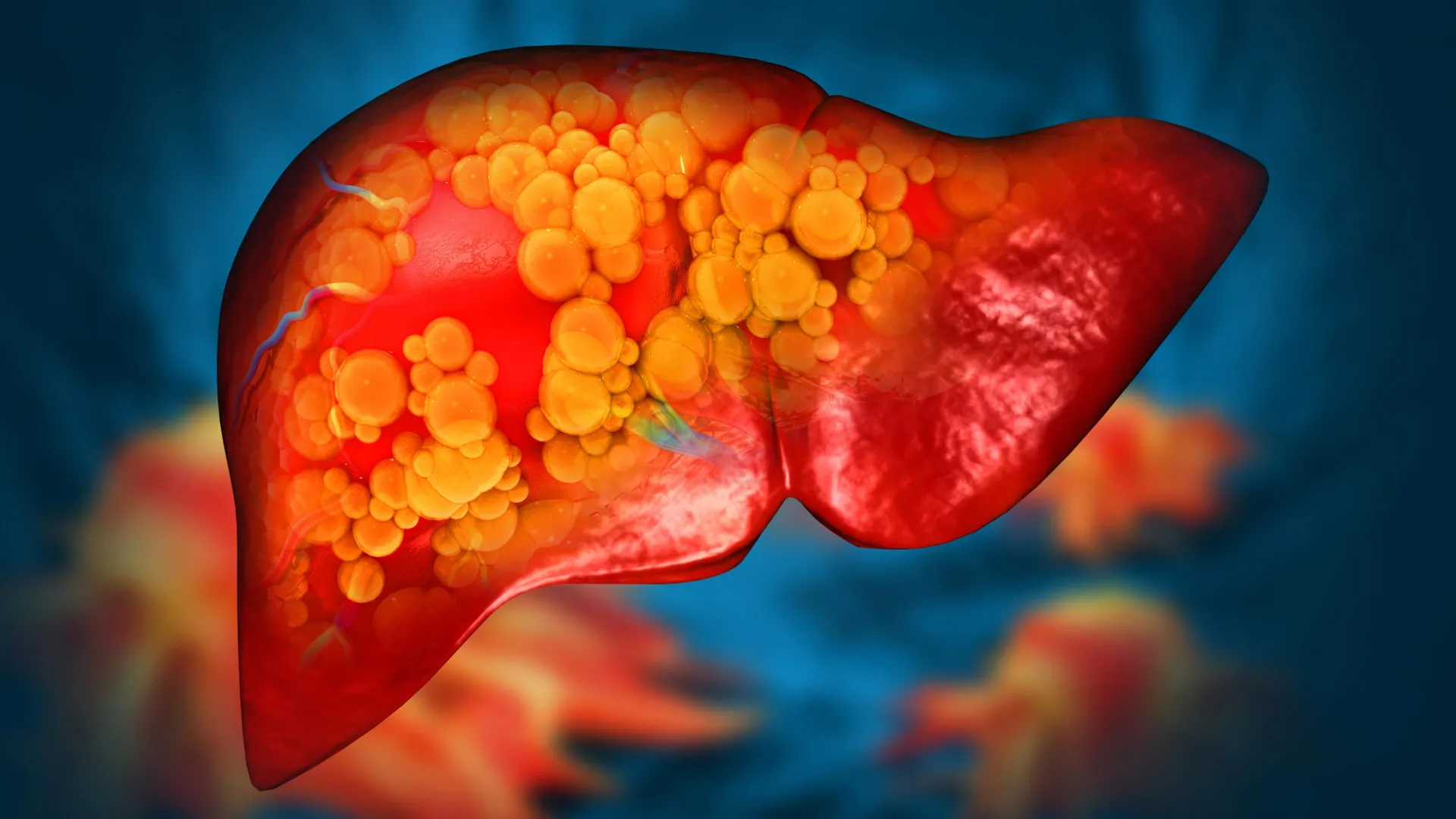
The findings were especially striking for individuals diagnosed with prediabetes. After a remarkably short period of just four to five months on a ketogenic (often referred to as "Keto") diet, approximately half of the participants no longer met the clinical diagnostic criteria for the condition. This significant reversal rate underscores the power of dietary intervention, suggesting that the specific types of foods people consume can profoundly influence metabolic health in ways that extend well beyond the simple metric of pounds shed. It challenges the conventional wisdom that all calories are equal, or that weight loss alone is the sole driver of metabolic improvement.
"We know weight loss can improve metabolic health in people who are obese," says Samuel Klein, MD, the study’s corresponding author and a highly respected professor of medicine and nutritional science at Washington University School of Medicine in St. Louis, Missouri. "Our data suggest that if you have high liver fat content and prediabetes, reducing carbohydrate intake can have important therapeutic effects on metabolism beyond just weight loss alone. This is a critical distinction that clinicians and patients should consider."
The Global Challenge of Metabolic Dysfunction
The backdrop to this research is a global health crisis. An estimated 40% of American adults alone struggle with obesity, a complex chronic disease associated with a heightened risk of numerous severe health complications, including type 2 diabetes, cardiovascular disease, various cancers, and non-alcoholic fatty liver disease (NAFLD). Metabolic health, referring to how efficiently the body processes and utilizes energy, manages blood sugar, and regulates fats, is often compromised in individuals with obesity. Healthcare professionals frequently recommend dietary modifications as a cornerstone strategy to help patients achieve weight loss and, by extension, improve their metabolic profiles.
For decades, the medical and scientific communities have debated the optimal dietary strategy for weight management and metabolic health. Three commonly recommended approaches have emerged as popular choices: low-carbohydrate diets (including ketogenic), low-fat diets, and Mediterranean diets. While each of these dietary patterns has demonstrated efficacy in supporting weight loss when calories are controlled, researchers have long been uncertain whether one offers distinct or additional metabolic advantages when the amount of weight lost is roughly equivalent across different approaches. This study directly addressed that crucial question through a meticulously controlled clinical trial.
These eating patterns differ substantially in their macronutrient makeup and food choices, leading to varied physiological responses. Low-carbohydrate approaches, encompassing diets like Atkins and ketogenic regimens, severely restrict carbohydrate consumption, often to less than 50 grams per day, forcing the body into a state of ketosis where it primarily burns fat for fuel. In stark contrast, traditional low-fat diets may obtain as much as 70% of their total daily calories from carbohydrates, emphasizing grains, fruits, and vegetables while limiting dietary fats. The Mediterranean diet, revered for its robust evidence supporting cardiovascular health and longevity, emphasizes plant-based foods such as vegetables, fruits, nuts, seeds, legumes, and olive oil as the primary fat source, along with moderate amounts of fish, poultry, and dairy, and limited red meat. Ketogenic diets, meanwhile, can include considerable amounts of fat from diverse sources, including animal products and often saturated fat, which has historically raised concerns among some health professionals.
To precisely compare their effects, Dr. Klein and his colleagues meticulously recruited 42 adult participants who shared a common set of metabolic challenges: obesity, prediabetes, and fatty liver disease. Prediabetes, a condition affecting millions worldwide, occurs when blood sugar levels are elevated above the normal range but have not yet reached the threshold for a diagnosis of full-blown type 2 diabetes. It serves as a critical warning sign, indicating increased risk for progression to type 2 diabetes and associated cardiovascular complications. Fatty liver disease, or non-alcoholic fatty liver disease (NAFLD), is characterized by the excessive accumulation of fat inside liver cells, which can impair the liver’s vital functions, interfere with the body’s ability to regulate metabolism, and potentially progress to more severe forms like non-alcoholic steatohepatitis (NASH), cirrhosis, and even liver cancer.
A Controlled Clinical Trial With Matched Weight Loss
The rigorous design of this study was paramount to its robust findings. Participants were randomly assigned to follow one of three distinct diets: a strict ketogenic diet, a Mediterranean diet, or a low-fat diet emphasizing plant-based foods. To eliminate the common confounding variable of dietary adherence—a major challenge in real-world nutrition studies—the research team took extraordinary measures. They supplied all meals to the participants for the duration of the study, ensuring strict adherence to the assigned eating plans. Furthermore, participants received weekly consultations with a registered dietitian, providing personalized guidance, support, and education, further enhancing compliance and understanding.
The diets were meticulously formulated to have sharply different proportions of carbohydrates and fat. In the ketogenic group, carbohydrates accounted for a mere 4% of daily calories, while fat supplied a substantial 73%, with protein making up the remainder. The Mediterranean group received 50% of its calories from carbohydrates and 35% from fat, reflecting its balanced approach. The plant-forward low-fat group consumed the highest proportion of carbohydrates at 70% of its calories, with fat limited to just 15%. This precise control over macronutrient distribution allowed researchers to isolate the effects of these distinct dietary patterns.
A critical aspect of the study design was the individualized adjustment of calorie intake for each participant. This was done to ensure that participants across all three groups lost approximately 10% of their starting body weight. Achieving this target typically took about four to five months, providing a standardized weight loss outcome against which to compare the specific metabolic effects of each diet. This design is crucial because it allows researchers to disentangle the benefits derived from weight loss per se from those attributable to the unique metabolic effects of the dietary composition itself.
By the end of the intervention period, every group had experienced meaningful reductions in overall body fat, as measured by advanced body composition analysis, and demonstrated significant improvements in insulin sensitivity. Insulin, the hormone produced by the pancreas, plays a central role in helping move glucose (sugar) from the bloodstream into cells, where it can be used for energy. Greater insulin sensitivity means the body’s cells respond more effectively to insulin, making it easier for the body to maintain healthy blood sugar levels and preventing the excessive production of insulin, which can contribute to fat storage.
However, despite these initial similarities in weight loss and general insulin sensitivity improvements, the profound differences between the groups largely began to emerge when researchers delved deeper into specific metabolic markers.
Keto Diet Slashes Liver Fat by a Remarkable 67%
The ketogenic diet produced the most substantial and clinically significant improvements in several important indicators of liver function and overall metabolic health. This was particularly evident in the reduction of liver fat, a key marker for NAFLD severity.
Participants strictly adhering to the ketogenic diet experienced an astonishing average 67% reduction in liver fat. This figure stands in stark contrast to the 45% reduction observed in both the Mediterranean and low-fat groups. Because all three groups achieved comparable amounts of weight loss, this significant divergence strongly suggests that the restrictive nature of carbohydrate intake in the ketogenic diet may influence liver fat through specific metabolic mechanisms that operate independently of, or in addition to, the benefits derived from weight loss alone. This is a groundbreaking finding that shifts the focus from merely losing weight to how that weight is lost.
To meticulously investigate these underlying mechanisms, the researchers went beyond simple blood tests. They collected blood samples repeatedly over a continuous 24-hour period, allowing them to precisely observe dynamic changes in key hormones involved in energy metabolism and fat regulation.
The detailed hormonal analysis revealed that the ketogenic group showed the greatest increase in glucagon, a crucial hormone produced by the pancreas that acts in opposition to insulin. Glucagon plays a vital role in helping regulate the body’s energy supply, particularly by stimulating the liver to release stored glucose and, importantly, by promoting the reduction of fat stored within the liver. This hormonal shift towards increased glucagon activity in a ketogenic state likely contributes significantly to the accelerated liver fat clearance. Simultaneously, participants on the keto diet experienced the largest and most sustained decrease in insulin levels. Lower circulating insulin levels are highly beneficial for reducing liver fat accumulation because insulin is a potent hormone that promotes lipogenesis (fat creation) and inhibits lipolysis (fat breakdown) in the liver. A reduction in insulin signaling, therefore, directly contributes to the liver’s ability to shed excess fat.
One result from the lipid profile analysis was particularly unexpected and noteworthy. Despite deriving nearly three-quarters of their calories from fat, participants in the ketogenic group did not show an increase in adverse blood fat or cholesterol levels during the study period. This finding directly challenges a common concern and historical apprehension surrounding high-fat diets, suggesting that the overall metabolic state induced by carbohydrate restriction can modulate lipid metabolism in a potentially beneficial way. "The most surprising finding was that participants in the ketogenic diet group didn’t experience an increase in blood fat or cholesterol levels despite consuming the most fat," says Max Petersen, MD, PhD, the study’s first author and an assistant professor of medicine at Washington University School of Medicine. This suggests that the body’s metabolic adaptation to burning fat for fuel may lead to a healthier lipid profile, even with a higher dietary fat intake.
Half of Keto Participants No Longer Met Prediabetes Criteria
The profound benefits of the ketogenic diet extended far beyond improvements in liver fat, making a tangible impact on the participants’ prediabetes status. After the four-to-five-month weight-loss intervention, approximately 50% of participants assigned to the ketogenic diet no longer met the clinical criteria for prediabetes. This is a remarkable achievement, signifying a significant reversal of a condition that typically progresses towards type 2 diabetes. By comparison, that important milestone was reached by 29% of those on the Mediterranean diet and a notably lower 7% of those following the low-fat, plant-forward diet.
These stark differences in prediabetes reversal rates are highly notable because prediabetes signals an elevated and imminent risk of developing full-blown type 2 diabetes, with all its associated complications. Bringing blood sugar levels below the prediabetes threshold represents a critically important improvement in metabolic health, offering a window of opportunity to prevent or significantly delay the onset of a chronic disease. While it does not necessarily mean the condition has been permanently reversed for life, it indicates a profound and immediate positive shift in glucose regulation.
The findings from this study also highlight a potentially important distinction in the broader field of weight management: losing weight and improving metabolic health, while closely connected, are not necessarily synonymous. The specific composition of a diet, particularly its macronutrient ratios, appears to profoundly affect how the body handles blood sugar, stores fat, and responds to crucial hormones, even when the overall amount of weight loss achieved is similar across different dietary approaches. This emphasizes that "how" you lose weight can be as important as "that" you lose weight.
Researchers further emphasize the growing importance of understanding these specific dietary effects, especially as powerful new obesity treatments become more widely available. GLP-1 receptor agonist medications, which act on incretin hormone pathways involved in appetite regulation, satiety, and blood sugar control, have truly revolutionized the therapeutic landscape for obesity. These medications, such as semaglutide and tirzepatide, have enabled many patients to achieve unprecedented and substantial weight loss, often exceeding 15-20% of their body weight.
"GLP-1-based medications have revolutionized the therapy of obesity. We now have a very effective pharmacotherapy for achieving significant weight loss," Dr. Petersen explains. "But in addition, our study shows that the specific composition of the diet can give you added benefits. This suggests that combining powerful pharmacotherapy with a metabolically optimized diet could offer an even more potent strategy for improving patient outcomes." This synergy could represent the future of comprehensive metabolic health management.
While the clinical trial was relatively small, involving 42 participants, and lasted only four to five months, its meticulously controlled design, including the provision of all meals, offers compelling and robust evidence that dietary composition can play a uniquely important and distinct role in enhancing metabolic health, particularly in the context of liver fat reduction and prediabetes reversal. The controlled nature minimizes confounding variables inherent in observational studies, lending significant weight to the causal inferences drawn. Nevertheless, the authors prudently acknowledge the need for longer-term studies involving larger and more diverse participant cohorts. Such future research will be crucial to determine whether these impressive benefits persist over extended periods, how different diets compare in terms of sustainability and adherence in real-world settings, and to investigate any potential long-term side effects or nutrient deficiencies associated with very low-carbohydrate approaches.
This groundbreaking research was generously supported by grants from the National Institutes of Health, a leading medical research agency, and the Foundation for Barnes-Jewish Hospital, underscoring its significance and the rigorous scientific standards applied throughout its execution. The findings provide invaluable insights that could reshape dietary recommendations for individuals with obesity, prediabetes, and fatty liver disease, pointing towards personalized nutritional strategies that go beyond mere weight loss to achieve optimal metabolic wellness.
