
 By admin
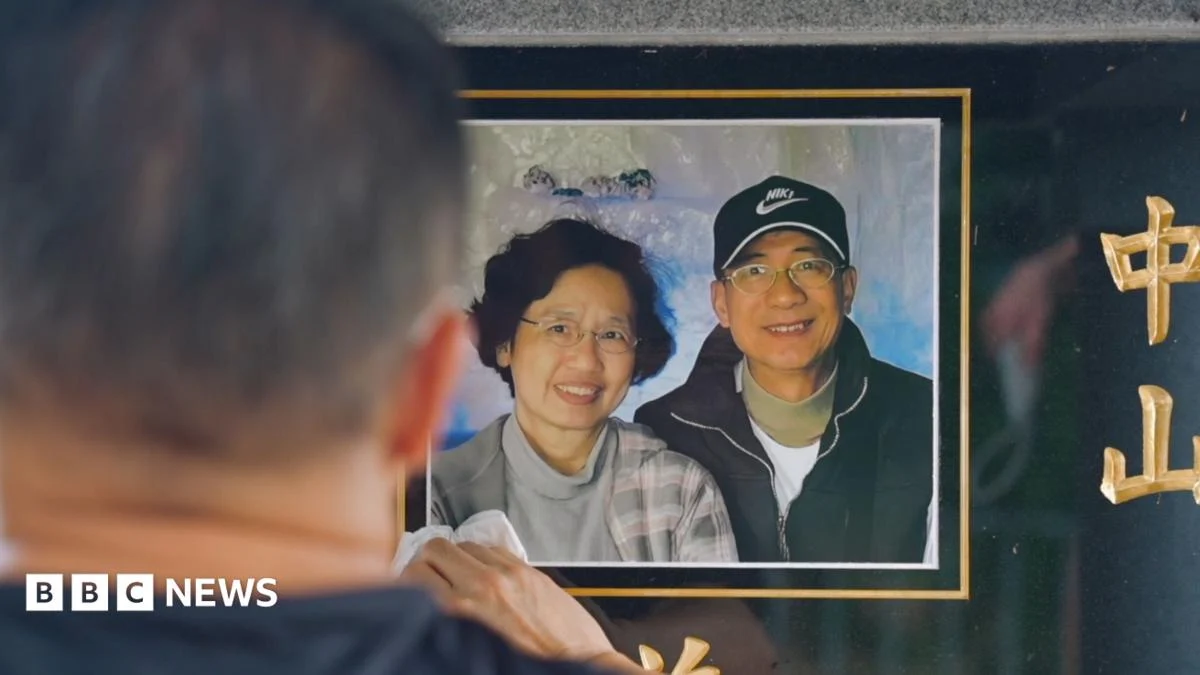
The stark reality of loss hangs heavy in the air, a palpable weight that Mr. So, a man in his prime, carries with a quiet fortitude that belies the profound devastation he has endured. Last year, Hong Kong was plunged into mourning by a catastrophic tower-block blaze, an inferno that claimed the lives of 168 souls, making it the deadliest conflagration the city had witnessed in generations. Among those lost were Mr. So’s parents, a devoted couple who had navigated the ebb and flow of eight decades together, only to meet their tragic end within the inferno’s unforgiving embrace. Their building, the first to succumb to the flames within the Wang Fuk Court complex, became a tomb, its structure a monument to unimaginable destruction. The sheer intensity of the fire was so brutal, so absolute, that the remains of Mr. So’s parents were burned beyond recognition, leaving behind only the chilling absence of their physical presence and the agonizing void of their final moments.
In a poignant and deeply personal video shared with the BBC Chinese service, Mr. So, who has chosen to withhold his full name to protect his privacy amidst the lingering trauma, takes viewers on a somber pilgrimage to his parents’ final resting place. The footage captures his silent vigil at their grave, a space that now serves as the sole tangible connection to the individuals who shaped his life. This act of remembrance extends beyond the solemnity of the cemetery; Mr. So also unveils what little remains of his parents’ worldly possessions, fragments of a life abruptly extinguished. These salvaged items, perhaps a worn photograph, a tattered piece of fabric, or a cherished trinket, are more than just objects; they are potent symbols of a life lived, a love shared, and a future cruelly denied. Each artifact carries the weight of countless memories, of shared laughter, whispered confidences, and the comforting routine of a life that was, until the inferno.
The Wang Fuk Court complex, a sprawling residential development that was once a symbol of urban living and community, has now become inextricably linked with tragedy. The fire, which erupted in the early hours of a fateful day, spread with terrifying rapidity, trapping residents and turning apartments into deathtraps. The speed and ferocity of the blaze have been a subject of intense scrutiny, with investigations focusing on potential causes, including the possibility of faulty wiring, combustible materials used in renovations, or even arson. The sheer scale of the disaster underscored systemic vulnerabilities within the city’s aging housing infrastructure and raised critical questions about fire safety regulations and enforcement. Experts have pointed to the dense population of Hong Kong, coupled with the often-cramped living conditions in older buildings, as factors that can exacerbate the impact of such emergencies. The tragic loss of life at Wang Fuk Court has served as a stark wake-up call, prompting a re-evaluation of the city’s preparedness for large-scale fires and a renewed commitment to ensuring the safety of its residents.
Mr. So’s personal narrative, as conveyed through the video, offers a deeply human perspective on the abstract statistics of disaster. The loss of parents, particularly at an advanced age, is a profound sorrow under any circumstance. However, the manner of their passing, engulfed in flames and leaving behind unrecognizable remains, amplifies the trauma exponentially. The inability to even identify their bodies, to perform traditional rites of mourning with a recognizable form, adds a layer of profound psychological burden. The video, therefore, becomes a testament to the enduring power of love and memory in the face of unimaginable loss. It is a raw and unfiltered glimpse into the aftermath of a tragedy that has left indelible scars on countless families.
The items Mr. So displays, though not explicitly detailed in the provided snippet, are likely to evoke a powerful emotional response from viewers. They represent the tangible remnants of a life, the everyday objects that once held significance and meaning for his parents. A simple teacup, a pair of spectacles, a well-worn book – each item, in its own way, speaks volumes about the individuals they belonged to. For Mr. So, these possessions are not merely inanimate objects; they are vessels of memory, holding within them the echoes of his parents’ lives, their personalities, and their shared history. His act of sharing these remnants with the public, while undoubtedly painful, also serves as a way to honor their memory and to ensure that their lives are not forgotten in the shadow of the tragedy.
The wider implications of the Wang Fuk Court fire extend far beyond the immediate grief of the victims’ families. It has ignited a public debate about urban planning, housing policies, and the responsibility of developers and authorities to ensure the safety of residential buildings. The Hong Kong government has since pledged to review and strengthen fire safety regulations, particularly for older buildings, and to implement measures to prevent similar disasters in the future. This includes increased inspections, stricter enforcement of building codes, and the promotion of fire safety awareness among residents. However, for families like Mr. So’s, these policy changes, while necessary, offer little solace for the irreplaceable loss they have suffered.
The video, produced by Phoebe Kong and Yik Lam of BBC Chinese, with editing by Brigitte Pu, is a testament to the power of visual storytelling in conveying complex human emotions. By focusing on Mr. So’s personal journey, the creators have managed to transform a news event into a deeply moving human drama. The accompanying link to read more on the story suggests that the BBC has provided comprehensive coverage, likely delving into the official investigations, the accounts of other survivors, and the broader societal impact of the blaze. This multi-faceted approach is crucial in understanding the full scope of such a tragedy and in ensuring that the lessons learned are not forgotten.
The story of Mr. So and his parents is a stark reminder of the fragility of life and the devastating consequences of preventable disasters. It underscores the importance of not only robust safety measures but also of community support and empathy in the aftermath of such events. The ashes of memory, as represented by the salvaged possessions, are a poignant symbol of what remains when lives are tragically cut short. Mr. So’s courage in sharing his grief and his parents’ story serves as a powerful testament to the enduring strength of the human spirit and the unyielding power of love in the face of profound sorrow. His visit to his parents’ grave, and his quiet display of their remaining possessions, is more than just a news report; it is a deeply human elegy, a testament to the lives that were lost and the enduring impact of their absence. The echoes of the Wang Fuk Court fire will undoubtedly continue to resonate within Hong Kong for years to come, a somber reminder of the devastating cost of negligence and the profound importance of remembrance.
