
 By admin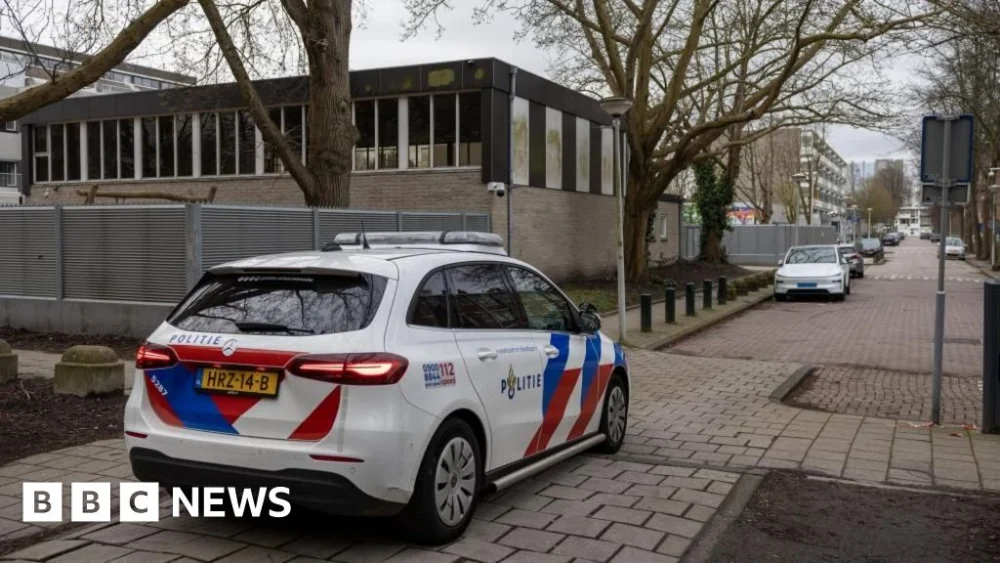
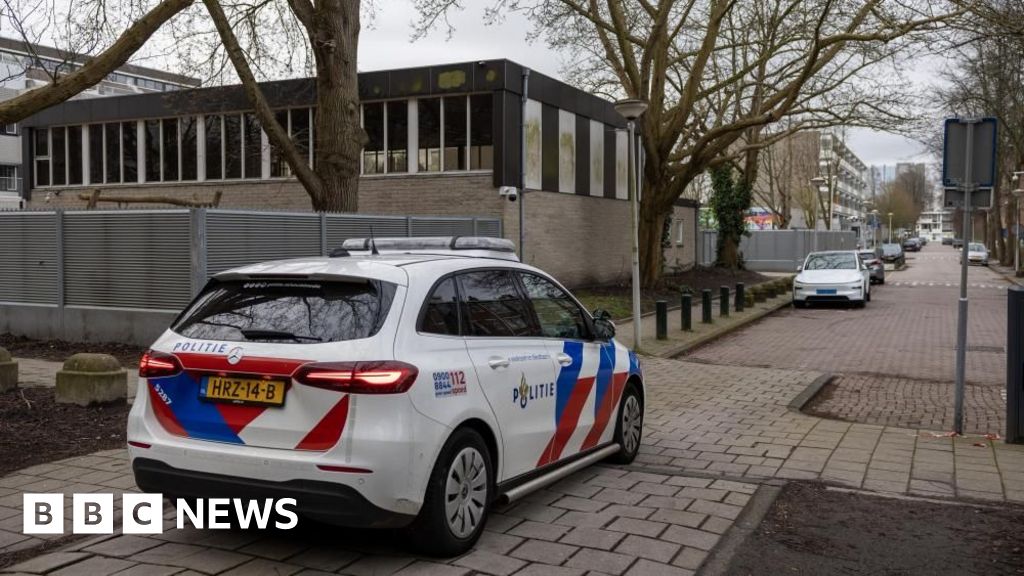
An explosion tore through the outer wall of a Jewish school in Amsterdam’s Buitenveldert district in the early hours of Saturday, March 14, 2026, an incident that has been vehemently condemned by the city’s mayor as a "deliberate attack against the Jewish community." While no injuries were reported from the blast, the act of aggression has sent shockwaves through the Dutch capital, raising serious concerns about rising antisemitism and the safety of its Jewish residents. Mayor Femke Halsema, in a powerful statement, did not mince words, describing the act as "cowardly" and emphasizing that Amsterdam "must be a place where Jews can live safely." The incident occurred just days after a suspected arson attack on a synagogue in the port city of Rotterdam on Friday, fueling fears of a coordinated wave of anti-Jewish violence.
The explosive device detonated overnight, causing visible damage to the school’s exterior. Local media reports indicate that Dutch firefighters and police were rapidly dispatched to the scene, securing the area and launching an immediate investigation. Authorities are reportedly examining CCTV footage that may have captured an individual placing the explosives, a crucial piece of evidence in identifying the perpetrator. The psychological impact of such an attack on a place of learning, particularly one associated with a minority community already experiencing heightened security concerns, is significant. Children attending the school, their families, and the wider Jewish community in Amsterdam are undoubtedly grappling with fear and a sense of vulnerability.
Mayor Halsema articulated this sentiment directly, stating, "I understand the fear and anger of Jewish Amsterdammers. They are increasingly confronted with antisemitism, and that is unacceptable." This acknowledgment from the city’s highest official underscores the gravity of the situation and the need for a robust response. The Dutch government has a historical commitment to protecting its citizens, and incidents like these test that commitment. The targeting of a Jewish school is not merely an attack on a building; it is a direct assault on the fabric of a diverse and inclusive society. It aims to instill fear and sow division, attempting to erode the sense of belonging and security for a specific group.
The timing of this explosion, following the Rotterdam synagogue incident, suggests a potential escalation in antisemitic activities within the Netherlands. The proximity of these events raises the chilling possibility that they are not isolated incidents but rather part of a broader pattern or a coordinated effort. The Rotterdam synagogue fire, which occurred on Friday, March 13, 2026, was treated as a suspected arson attack, further intensifying the anxiety within the Jewish community. While investigations into both incidents are ongoing, the lack of immediate public commentary from the police regarding specific motives for the Amsterdam attack leaves room for speculation, but the context of rising global antisemitism cannot be ignored.
The geopolitical landscape often plays a role in domestic security. The statement by Dutch authorities hinting at concerns about potential targeting of Jewish and US communities following joint Israeli-US strikes against Iran is a significant piece of context. The complex and often volatile dynamics of the Middle East can unfortunately spill over into other regions, leading to retaliatory actions or heightened tensions that manifest in acts of violence against perceived adversaries or their allies. This suggests that the motivations behind the Amsterdam explosion could be linked to broader international conflicts, a disturbing trend that necessitates a multi-faceted approach to security, encompassing both domestic counter-terrorism efforts and careful monitoring of international relations.
The increase in antisemitic incidents globally has been a growing concern for years, exacerbated by online propaganda, far-right extremism, and the resurgence of conspiracy theories. The Anti-Defamation League (ADL), a prominent international Jewish advocacy organization, has consistently reported alarming statistics on antisemitic incidents, including harassment, vandalism, and violence. In Europe, a continent with a deeply troubled history of antisemitism, these trends are particularly worrying. The Netherlands, while often lauded for its tolerance and diversity, is not immune to these challenges. The Buitenveldert district in Amsterdam, where the school is located, is known for its significant Jewish population, making it a visible and potentially symbolic target.
The response from law enforcement and government officials is crucial in reassuring the affected community and deterring future attacks. Beyond immediate security measures, long-term strategies are needed to combat the root causes of antisemitism. These include robust educational initiatives to promote understanding and tolerance, effective prosecution of hate crimes, and proactive engagement with community leaders to address concerns and build resilience. The Dutch government’s commitment to freedom of religion and belief, enshrined in its constitution, must be actively upheld through concrete actions.
The international dimension of this attack cannot be overstated. The interconnectedness of the modern world means that events in one part of the globe can have repercussions elsewhere. The ongoing conflict in the Middle East and the broader geopolitical tensions surrounding it have unfortunately provided fertile ground for extremist ideologies to flourish and manifest in violence. Intelligence agencies worldwide are likely to be closely monitoring any potential links between the Amsterdam incident and international terrorist groups or state-sponsored activities. The statement from Dutch officials about concerns following Israeli-US strikes against Iran suggests a recognition of this international dimension.
The nature of the attack – an explosion at a school – is particularly heinous. It targets not just the adult members of the Jewish community but also its future generation. The psychological impact on the children who attend this school will be profound, potentially leading to long-term anxiety and a sense of insecurity. Schools are meant to be safe havens for learning and growth, and the violation of this sanctuary by an act of violence is deeply disturbing. The swift response from the authorities and the clear condemnation from the mayor are vital first steps in demonstrating solidarity and a commitment to justice.
The investigation into the incident will likely involve a complex interplay of forensic analysis, intelligence gathering, and witness interviews. The examination of CCTV footage is a critical component, as it may provide direct evidence of the perpetrator’s identity or modus operandi. The police will also be looking for any potential accomplices or wider networks involved in planning and executing the attack. The Dutch intelligence services, both domestic and international, will be collaborating to assess any potential links to broader extremist movements or foreign interference.
The historical context of antisemitism in Europe, including the Netherlands, adds another layer of concern. While the country has made significant strides in promoting equality and tolerance, the scars of the past remain, and the resurgence of hateful ideologies is a stark reminder of the fragility of peace and coexistence. The Jewish community in the Netherlands has a long and rich history, contributing significantly to Dutch society. Attacks like these threaten to undermine this legacy and create an atmosphere of fear and isolation.
The call for Amsterdam to be a place where Jews can live safely, articulated by Mayor Halsema, is a powerful plea that resonates far beyond the city limits. It is a call for a societal commitment to combating all forms of discrimination and hatred. The Dutch government has a responsibility to ensure that all its citizens, regardless of their faith or background, can live without fear. This requires not only robust security measures but also a sustained effort to foster a culture of inclusivity and respect.
The coming days and weeks will be crucial in determining the direction of the investigation and the subsequent response. The Dutch authorities face the challenging task of not only apprehending those responsible but also of reassuring the Jewish community and the wider public that such acts of terror will not be tolerated. The international implications of this attack also necessitate a coordinated global effort to counter the rising tide of antisemitism and extremism. The Netherlands, through its decisive action and unwavering commitment to its values, has an opportunity to demonstrate to the world that it stands firm against hatred and violence. The continued reporting of factual developments, coupled with expert analysis of the underlying causes and potential consequences, will be essential in informing the public and fostering a constructive dialogue about how to address this deeply troubling issue. The resilience of the Jewish community and the broader Dutch society will be tested, but the commitment to shared values and a secure future must prevail.
