
 By Isnaini Azizah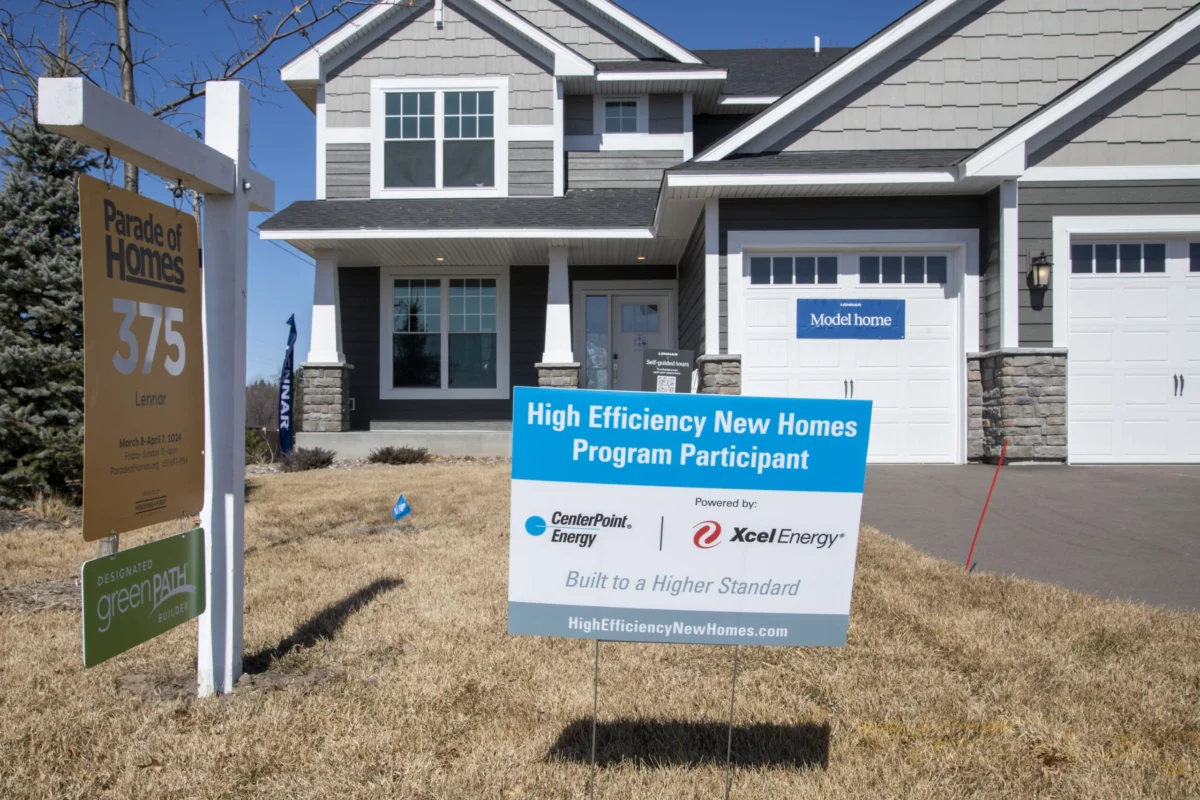
The United States housing market faced a significant cooling period at the start of the year as sales of newly built single-family homes in January dropped 17.6% month-over-month to a seasonally adjusted, annualized pace of 587,000 units, according to the latest data released by the U.S. Census Bureau. This sharp decline represents the slowest pace of sales since 2022, signaling a potential shift in momentum for a sector that had previously shown resilience in the face of fluctuating economic conditions. Housing analysts and market observers, who had been bracing for a cooling period, were caught off guard by the magnitude of the slide, having predicted a much more modest contraction.
The January figures were further dampened by year-over-year comparisons, showing an 11.3% decrease from January 2025. It is important to note that the U.S. Census Bureau’s reporting remains somewhat delayed and subject to revision due to the ripple effects of last year’s government shutdown, which disrupted data collection and processing across multiple federal agencies. Compounding the downward trend, December’s sales figures were also revised lower, suggesting that the weakness in the new-home market began to take root earlier than previously estimated.
The primary catalyst for this slowdown appears to be the persistent volatility of mortgage interest rates. Because the Census Bureau’s count is based on signed contracts rather than closed loans, the January data reflects the behavior of shoppers who were active in the market when the average rate on a 30-year fixed-rate mortgage hovered between 6% and 6.2%, according to Mortgage News Daily. While these rates were lower than the peaks seen in late 2024, they remained high enough to strain affordability for the average buyer. As of late March, those rates have climbed again, currently sitting at approximately 6.36%, creating a "lock-in" effect where potential buyers are hesitant to commit to high monthly payments, and builders are finding it increasingly difficult to move finished inventory.
As sales volume retreated, the inventory of new homes available for sale surged. The supply of new homes rose to a 9.7-month supply in January, a substantial jump from the eight-month supply recorded in December. This represents a 7.8% increase compared to January 2025. In a balanced housing market, a six-month supply is generally considered the benchmark for stability between buyers and sellers. A near ten-month supply suggests a significant tilt toward a buyer’s market, putting immense pressure on homebuilders to offload units that are sitting empty or are nearing completion.
This shift in the supply-demand dynamic has forced a correction in pricing strategies. The median price of a new home sold in January fell to $400,500, marking a 6.8% decline year-over-year. While prices for existing homes have remained relatively flat on a national scale due to a chronic lack of resale inventory, the new-home sector is behaving differently. Builders, unlike individual homeowners, cannot afford to let inventory sit idle on their balance sheets. Consequently, they have become increasingly aggressive with pricing and incentives.
In markets like Blaine, Minnesota, the reality of this shifting landscape is visible on the ground. Development projects such as Lexington Waters, which features high-efficiency, HOA-maintained homes starting in the $500,000 range, exemplify the type of premium product that dominated the market during the recent boom. However, even these high-end, energy-efficient builds are facing a tougher sell as the pool of qualified buyers shrinks. To combat this, builders are not just cutting list prices; they are offering substantial "hidden" discounts, such as mortgage rate buy-downs, where the builder pays a lump sum to the lender to lower the buyer’s interest rate for the first few years of the loan. Other incentives include covering closing costs or providing free upgrades to interior finishes and landscaping.
The outlook for the remainder of the first quarter remains bleak. Early data from March suggests that the downward trend is continuing. According to the National Association of Home Builders (NAHB), an estimated 37% of builders reported cutting prices in March, up from 36% in February. This indicates that the initial price cuts in January were not enough to stimulate the desired level of demand, forcing builders to dig deeper into their profit margins to entice wary consumers.
Geographically, the decline in sales was felt across the entire nation, though the impact was uneven. The Northeast and Midwest regions saw the most dramatic drops in contract signings. While analysts point to particularly harsh winter weather in these regions as a contributing factor—deterring foot traffic at model homes and slowing construction timelines—weather does not explain the full scope of the downturn. In the West, a region known for its high-cost tech hubs and typically milder winter climates, sales plummeted nearly 22% from December levels. The West’s decline suggests that the issue is fundamentally one of affordability and economic sentiment rather than seasonal climate disruptions. In high-priced markets like California, Washington, and Arizona, the combination of high mortgage rates and elevated home prices has reached a breaking point for many middle-income families.
The broader macroeconomic environment continues to weigh heavily on the housing sector. The Federal Reserve’s "higher for longer" stance on interest rates, intended to curb persistent inflation, has kept borrowing costs elevated. Furthermore, the administrative delays caused by the previous year’s government shutdown have created a "data fog," making it difficult for both builders and policymakers to react in real-time to market shifts. By the time the Census Bureau confirms a trend, the market has often already moved on, leaving builders to play a game of catch-up.
Industry experts, including Diana Olick of CNBC, have noted that the divergence between the new-home market and the existing-home market is becoming more pronounced. While the existing-home market is stifled by a lack of listings—as homeowners cling to their 3% or 4% mortgage rates—the new-home market is where the actual price discovery is happening. Builders are the "canary in the coal mine" for the broader real estate economy. If they are forced to continue cutting prices to move a ten-month supply of inventory, it could eventually put downward pressure on the valuations of existing homes as well.
The rise in HOA-maintained and high-efficiency homes, such as those in the Lexington Waters development, reflects a long-term trend toward "lifestyle" housing, where buyers are willing to pay a premium for lower maintenance and lower utility bills. However, in an environment where the median price is falling and the cost of debt is rising, even these desirable features are being scrutinized. Buyers are increasingly prioritizing the monthly payment over long-term energy savings, a shift that may force builders to reconsider the scale and luxury level of future developments.
Looking ahead, the housing market faces a pivotal spring season. Traditionally the busiest time for real estate, the "spring bounce" will be a litmus test for whether the current price corrections are enough to offset the burden of 6% plus mortgage rates. If sales do not rebound as the weather warms, the industry may see a further increase in the inventory-to-sales ratio, potentially pushing the market into a more protracted downturn. For now, the message from the January data is clear: the post-pandemic housing frenzy has officially transitioned into a period of stagnation and correction, characterized by cautious buyers, aggressive builder incentives, and a growing backlog of unsold properties.
As the market navigates these headwinds, investors and prospective homeowners are keeping a close eye on the Federal Reserve’s next moves and the stability of the labor market. While the 17.6% drop in sales is a jarring figure, some analysts argue that a correction is a necessary step toward long-term market health, bringing prices back in line with historical norms and consumer purchasing power. However, for the builders currently sitting on a 9.7-month supply of homes, the transition is proving to be a costly and challenging endeavor. The coming months will determine if the January slump was a temporary setback or the beginning of a deeper recalibration for the American dream of homeownership.
