
 By admin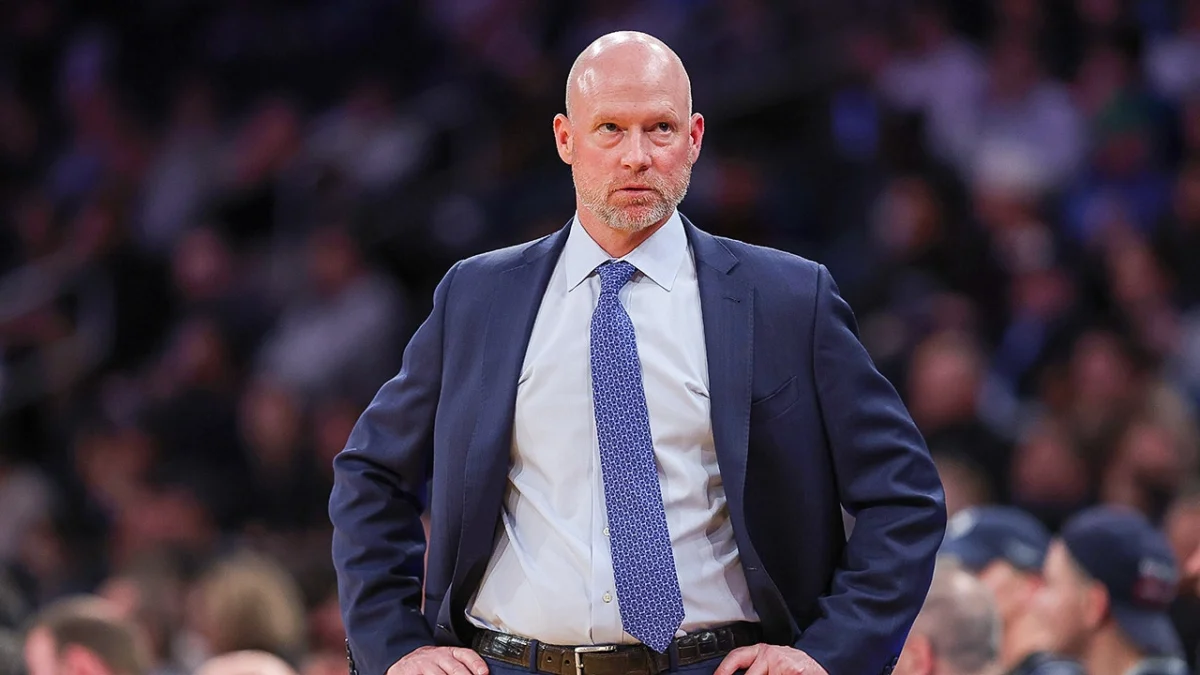
In the high-stakes environment of the NCAA Tournament, emotions often run high, and coaching strategies can become a public spectacle. This was certainly the case for Villanova men’s basketball head coach Kevin Willard during his team’s first-round matchup against Utah State. As the Wildcats struggled, Willard’s in-game comments to CBS Sports’ Lauren Shehadi, expressing his intention to "fire my staff" due to defensive lapses, quickly went viral. While the remark was intended as a joke, its deadpan delivery left many questioning its sincerity, and Willard, despite the eventual clarification, did not shy away from expressing his frustration after the Wildcats’ 86-76 loss.
The incident occurred during a critical timeout as Villanova was grappling with Utah State’s offensive execution, particularly their effectiveness on out-of-bounds plays. Willard, visibly exasperated by the defensive breakdowns, declared to Shehadi, "I’m going to fire my staff. Because we’ve given up eight points on underneath, out-of-bounds defense. The only thing I’m going do is fire them and get a new staff." This stark declaration, delivered with an uncharacteristic lack of levity, immediately captured the attention of viewers and ignited discussions across social media platforms. The pressure cooker atmosphere of March Madness often amplifies such moments, turning them into talking points that can overshadow the game itself.
Following the season-ending defeat, Willard faced a barrage of questions regarding his on-air comments. In a post-game interview, when pressed about his remarks about his coaching staff, he appeared to double down, initially fueling the perception that his joke might have had a kernel of truth. "We gave up a big three-pointer late," Willard stated to reporters, as quoted by CBS Sports. "I’m probably going to have to make some changes to my staff because of how bad we were." This statement, coming after the disappointing loss, seemed to confirm the severity of his frustration.
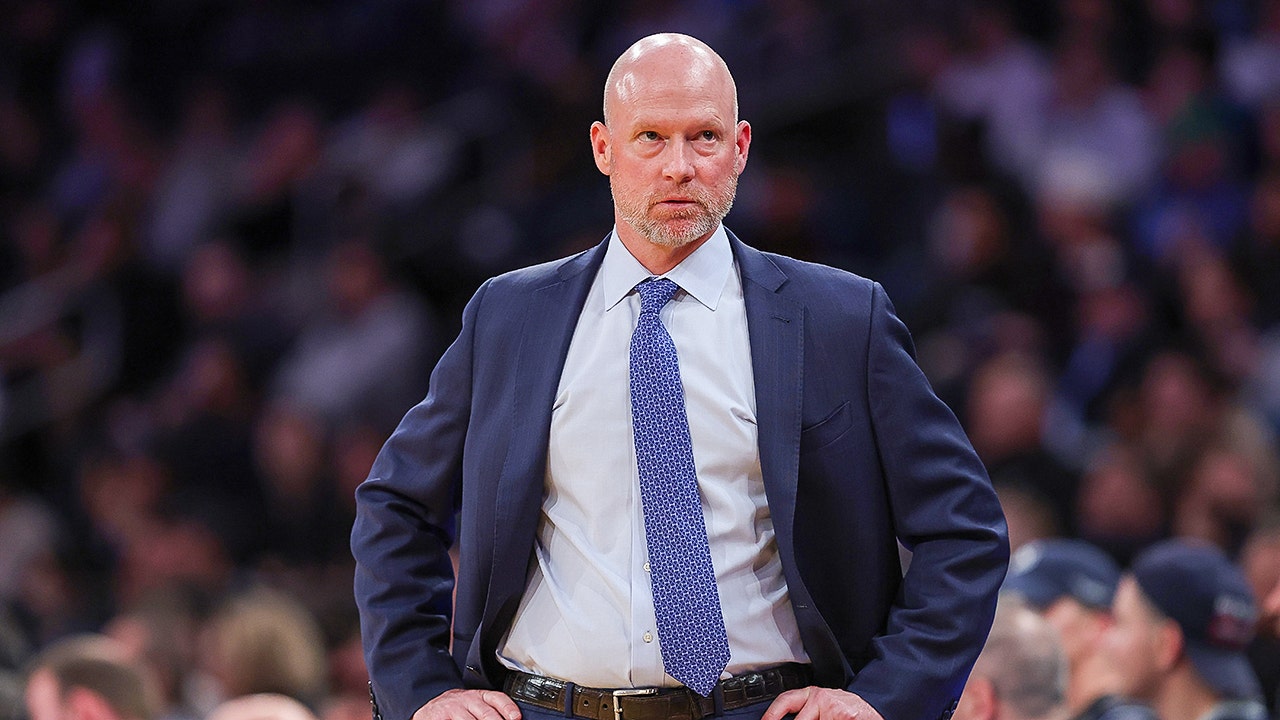
However, as the interview continued and the questioning persisted, Willard eventually clarified his earlier statements, albeit with a touch of exasperation that suggested the entire situation had become tiresome. "It’s a joke," he declared, emphatically. "God bless it. I don’t care. Welcome to my life. It’s a joke." This final clarification aimed to put an end to the speculation, emphasizing that his outburst was a momentary expression of frustration, not a genuine threat to his coaching staff’s employment.
Beyond the viral moment, Willard acknowledged that his team’s performance was indeed disappointing, and the defensive execution was a significant factor in their demise. The Wildcats, who held a 10-point lead in the second half, saw their advantage evaporate under Utah State’s persistent pressure. Willard attributed this collapse to the Aggies’ veteran experience and their ability to exploit opportunities. "You know, we got up by 10, and then we gave up three offensive rebounds. Give them credit. They’re a veteran team, older guards. They did a great job of getting in late, but we had our opportunities," he explained. "Then, we were up 73-71, and we missed two layups that kind of really hurt us. Give them credit. They capitalized on it." This admission highlighted the multifaceted reasons for the loss, extending beyond the specific defensive issues that sparked his in-game comment.
Utah State’s head coach, Jerrod Calhoun, expressed a different perspective on his team’s seeding, suggesting that their lower seed provided added motivation. "We did not like our seed," Calhoun stated after his No. 10-seeded Aggies upset the No. 7 Wildcats. Their victory propelled them into a second-round matchup against top-seeded Arizona, a game where they would once again be cast as the underdog. Calhoun emphasized his team’s resilience and their ability to rise to the occasion when playing with confidence and toughness. "We won 28 games. We won the regular season title, we won the tournament title," he remarked, underscoring the Aggies’ strong season. "So when this team has an edge, and they play with a little bit of swagger and a little bit of toughness and resilience, we can cause a lot of problems."
Willard’s tenure at Villanova has been marked by high expectations, following the program’s storied history of success under Jay Wright. Taking over the reins after a successful stint at Maryland, Willard inherited a program looking to maintain its competitive edge in the Big East and on the national stage. His previous season with the Terrapins saw them reach the second round of the NCAA Tournament, demonstrating his ability to guide teams through the pressures of March Madness. The early exit in his first NCAA Tournament with Villanova, however, undoubtedly added to the frustration that fueled his in-game outburst.
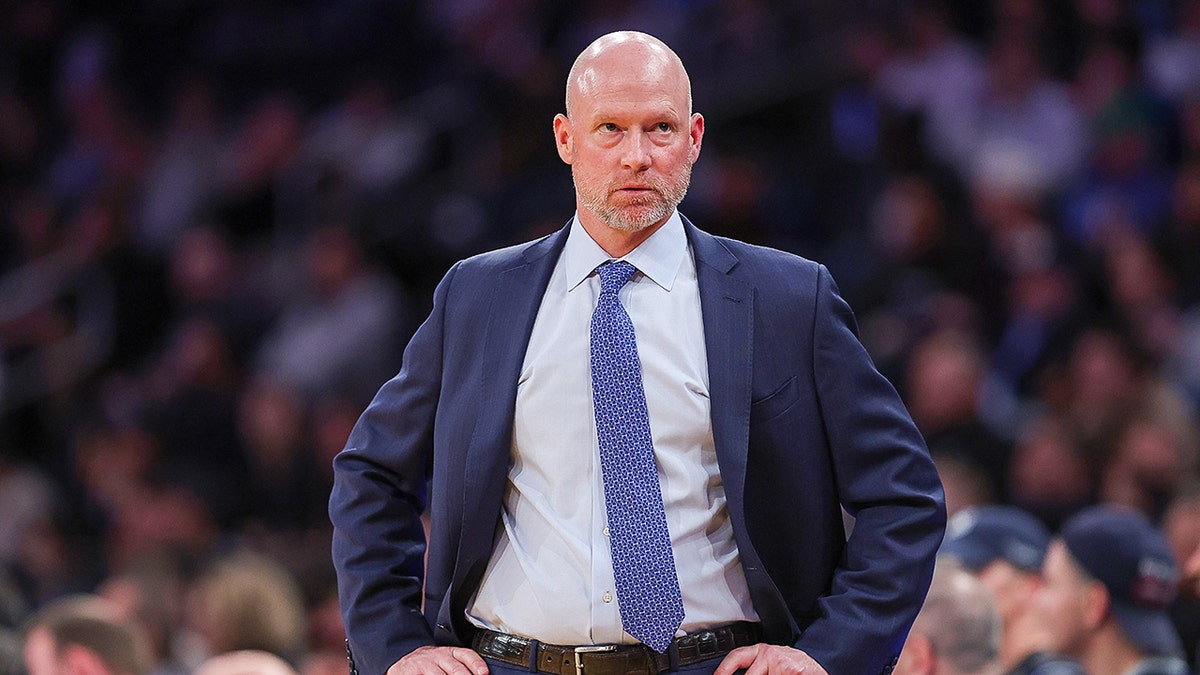
The incident serves as a stark reminder of the intense scrutiny faced by coaches in major college sports. Every decision, every interaction, and every emotional reaction can be amplified and dissected by media, fans, and analysts alike. While Willard’s intention may have been to inject some humor or to release pent-up frustration in a moment of pressure, the viral nature of the clip underscored the delicate balance coaches must strike between displaying passion and maintaining professionalism under the watchful eyes of the public.
The Wildcats’ performance against Utah State, characterized by a blown double-digit lead and critical missed opportunities in the closing minutes, painted a picture of a team struggling to close out a tight contest. The defensive miscues on out-of-bounds plays, while perhaps not the sole reason for the loss, represented a tangible area of concern that Willard highlighted in the heat of the moment. The ability to execute in these crucial, often overlooked, situations can be the difference between advancing in the tournament and heading home early.
The story also highlights the often-unseen dynamics within a coaching staff. While Willard ultimately clarified that his comments were a joke, the fact that he felt compelled to express such strong dissatisfaction, even humorously, suggests underlying issues or areas for improvement that the team was facing. Coaching staffs are intricate units, and the performance of individual coaches and their respective areas of responsibility are under constant evaluation, especially during the intense crucible of a tournament.
Looking ahead, Villanova will need to regroup and address the shortcomings that led to their early exit. For Willard, the experience serves as a learning moment, both in managing his own emotions during games and in how his public statements are perceived. The viral nature of sports commentary in the digital age means that even seemingly minor incidents can gain significant traction, and coaches must be mindful of the potential impact of their words and actions.
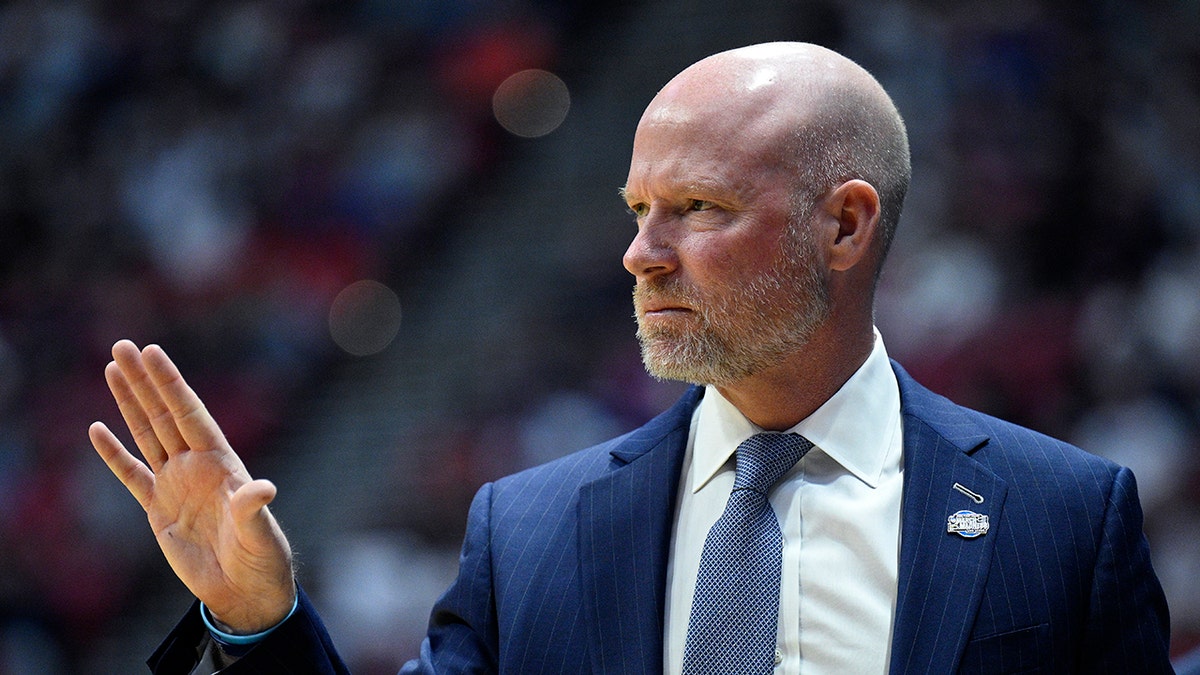
Utah State’s improbable run, fueled by a chip on their shoulder regarding their seeding, adds another layer to the narrative. Their ability to overcome a more highly touted opponent like Villanova speaks to the unpredictable nature of March Madness. Coach Calhoun’s emphasis on his team’s grit and determination suggests that they will be a formidable opponent for Arizona, proving that seedings are not always indicative of a team’s potential to make noise in the tournament. The Aggies’ success serves as a testament to the power of belief and execution, even when facing significant odds.
In conclusion, Kevin Willard’s viral in-game joke during Villanova’s NCAA Tournament loss to Utah State provided a moment of levity, albeit a controversial one, amidst the intense pressure of March Madness. While the coach ultimately clarified his intentions, the incident underscored the emotional toll of coaching at the highest level and the constant scrutiny faced by individuals in the spotlight. The Wildcats’ season ended prematurely, leaving Willard and his staff with much to ponder as they look to rebuild and re-establish the program’s winning tradition in the seasons to come. The Aggies, meanwhile, continued their unexpected tournament journey, carrying a renewed sense of purpose and a determination to prove their doubters wrong.
