
 By admin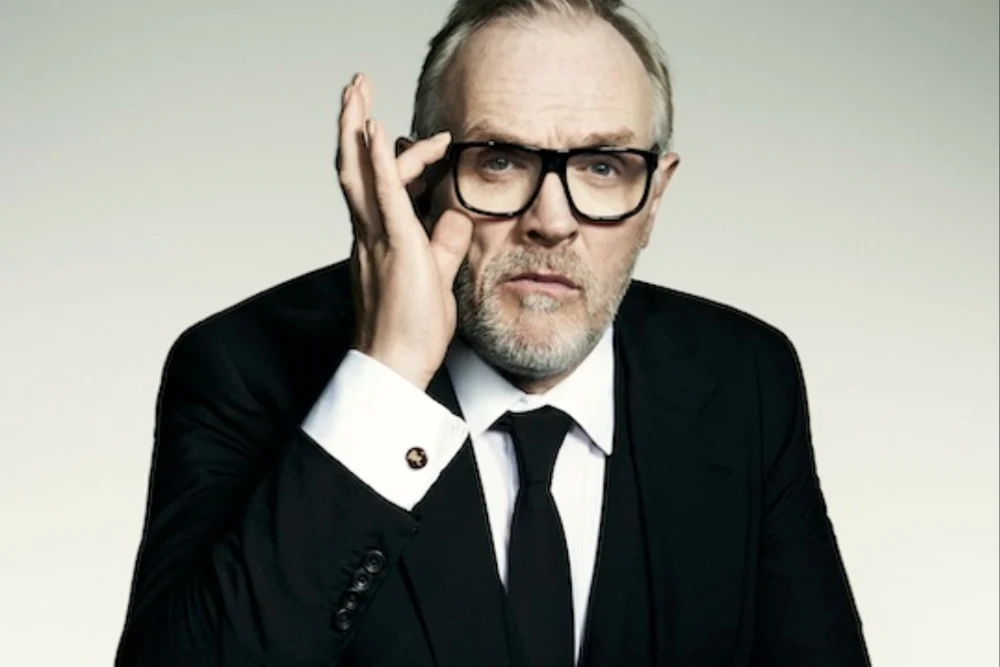
The glittering world of British television will be under the spotlight once again as acclaimed comedian Greg Davies gears up to host the prestigious BAFTA TV Awards in 2026. Davies, a household name synonymous with sharp wit and commanding stage presence, steps into the hosting role previously held by Alan Cumming, who helmed the ceremony for the past two years. This transition marks a significant moment for the awards, which are invariably a barometer of the year’s finest television achievements, and this year, will undoubtedly face heightened scrutiny following recent controversies that have cast a shadow over the broader BAFTA brand.
Davies, widely recognized for his iconic portrayal of Mr. Gilbert in the beloved sitcom "The Inbetweeners" and currently captivating audiences as the unflinching taskmaster on Channel 4’s immensely popular quiz show "Taskmaster," is scheduled to preside over the 2026 ceremony on Sunday, May 10th. The esteemed event will unfold within the grand confines of the Southbank Centre’s Royal Festival Hall, a venue that has played host to countless cultural milestones. While the awards ceremony itself will be a live spectacle for attendees, viewers at home will be able to tune in later that evening for a broadcast on BBC One, with a time-delayed transmission also available on BBC iPlayer, ensuring broad accessibility to this celebration of British television excellence.
Expressing his enthusiasm for the upcoming role, Davies stated, "I’m thrilled to be presenting." His characteristic blend of humor and sincerity was evident in his subsequent remarks, which offered a glimpse into his unique approach to hosting such a high-profile event. "I see the whole event as an opportunity to wave a flag for this beloved medium and, with the exception of one commissioner, two execs and a co-star that I have personal beef with, I will do everything I can to ensure it’s a night of warm celebration for all." This lighthearted jab at potential industry figures, while undoubtedly humorous, also subtly underscores the complex relationships and dynamics that exist within the television landscape, hinting at the potential for genuine, albeit perhaps playfully delivered, commentary throughout the evening.
The choice of Davies as host comes at a particularly sensitive time for the British Academy of Film and Television Arts (BAFTA). The organization has recently been embroiled in controversy following an incident at the BAFTA Film Awards. During the broadcast of the film awards, racial slur was inadvertently uttered by Tourette’s campaigner John Davidson. The subsequent decision not to edit out the offensive language from the broadcast drew widespread criticism, prompting a re-evaluation of broadcast standards and editorial oversight within the organization. This lapse in judgment has placed the BAFTA TV Awards under a microscope, with the expectation that such an oversight will not be repeated.
Alan Cumming, who hosted the BAFTA Film Awards and was thus directly associated with the controversy, found himself in the unenviable position of being asked to issue an apology for Davidson’s "strong language" during the ceremony. Cumming, who had also served as the host for the previous year’s BAFTA TV Awards, addressed the fallout from the film awards incident in a heartfelt post on Instagram earlier this month. His statement conveyed deep regret and empathy: "I’m so sorry for all the pain Black people have felt hearing the word echoed around the world. I’m so sorry the Tourettes community has been reminded of the lack of understanding and tolerance that abounds regarding their condition." Cumming’s candid reflection highlighted the dual nature of the problem, acknowledging the harm caused by the slur and the societal lack of understanding surrounding Tourette’s syndrome. He further articulated a broader concern, stating, "We were all let down by decisions made to both broadcast slurs and censor free speech." This statement, while offering a measure of personal accountability, also pointed to systemic issues within the broadcast and editorial processes, suggesting that the incident was not an isolated error but rather a symptom of larger decision-making challenges.
The implications of the film awards controversy are significant for the upcoming BAFTA TV Awards. The incident has undoubtedly raised the stakes for the 2026 ceremony, placing a greater emphasis on meticulous planning, robust editorial control, and a heightened awareness of social sensitivities. The BAFTA board and production teams will be under immense pressure to ensure that the 2026 TV Awards are a flawless celebration, free from any such missteps. This will likely involve more stringent review processes for all content, including any pre-recorded segments or live commentary, and a clear protocol for handling unforeseen incidents. The public’s trust in BAFTA’s ability to uphold its esteemed reputation and provide a platform for respectful and celebratory engagement with the arts is paramount.
Greg Davies’s appointment as host, therefore, is not just a casting decision; it is a strategic move. His established persona as a comedian known for his intelligence, observational humor, and ability to command attention makes him a strong candidate to navigate the potential complexities of the evening. His "Taskmaster" persona, in particular, showcases his aptitude for managing a diverse cast of personalities and maintaining control over a live or semi-live environment, skills that will be invaluable at the BAFTA TV Awards. His ability to inject humor without resorting to gratuitous offense, coupled with his evident respect for the television medium, suggests he is well-equipped to lead a night that aims to honor excellence while adhering to the highest standards of inclusivity and respect.
The BAFTA TV Awards themselves represent a crucial benchmark in the UK’s television calendar. They celebrate a vast array of genres and productions, from gripping dramas and insightful documentaries to laugh-out-loud comedies and innovative factual programming. The nominations for the 2026 awards, which are set to be announced in due course, will undoubtedly reflect the diverse and dynamic landscape of British television over the past year. Viewers and industry professionals alike will be eagerly anticipating which programs and individuals will be recognized for their outstanding contributions. The awards provide a vital platform for both established stars and emerging talent, fostering a sense of community and shared passion for the art of storytelling on screen.
Beyond the immediate impact of the film awards controversy, the BAFTA TV Awards have a long-standing tradition of recognizing groundbreaking work. Past ceremonies have celebrated series that have not only entertained but also challenged societal norms, sparked important conversations, and pushed the boundaries of creative expression. The 2026 awards will likely continue this tradition, highlighting programs that have resonated with audiences and critics alike for their quality, originality, and impact. The selection of nominees will offer a compelling snapshot of the current state of television production in the UK, reflecting trends in storytelling, technological advancements, and the evolving tastes of viewers.
The involvement of BBC One and BBC iPlayer in broadcasting the awards further solidifies their importance. The BBC’s commitment to public service broadcasting means that the BAFTA TV Awards will reach a wide audience, reinforcing their cultural significance. The time-delayed broadcast also allows for a more polished presentation, enabling editors to refine the program for maximum impact. This partnership underscores the symbiotic relationship between the awards ceremony and the broadcasters that bring it into homes across the nation.
As the industry collectively moves forward, the 2026 BAFTA TV Awards will serve as a critical juncture. Greg Davies’s role as host is more than just that of an entertainer; he will be a key figure in guiding the narrative of the evening and, by extension, in shaping public perception of BAFTA’s commitment to responsible and celebratory broadcasting. His humor, intelligence, and inherent respect for the craft of television will be invaluable assets as the organization navigates this period of heightened scrutiny. The nominees, the presenters, and the host himself will all contribute to a night that, with any luck, will be a triumphant celebration of British television, marked by both artistic excellence and unwavering integrity. The anticipation for the announcement of nominees and the subsequent ceremony is palpable, promising a night that will be keenly watched for its tributes, its surprises, and its adherence to the highest standards of broadcast integrity. The industry will be looking to the 2026 BAFTA TV Awards not only to celebrate the best of television but also to demonstrate a renewed commitment to responsible and inclusive programming, with Greg Davies at the helm to guide the proceedings with his characteristic wit and gravitas.
