
 By Isnaini Azizah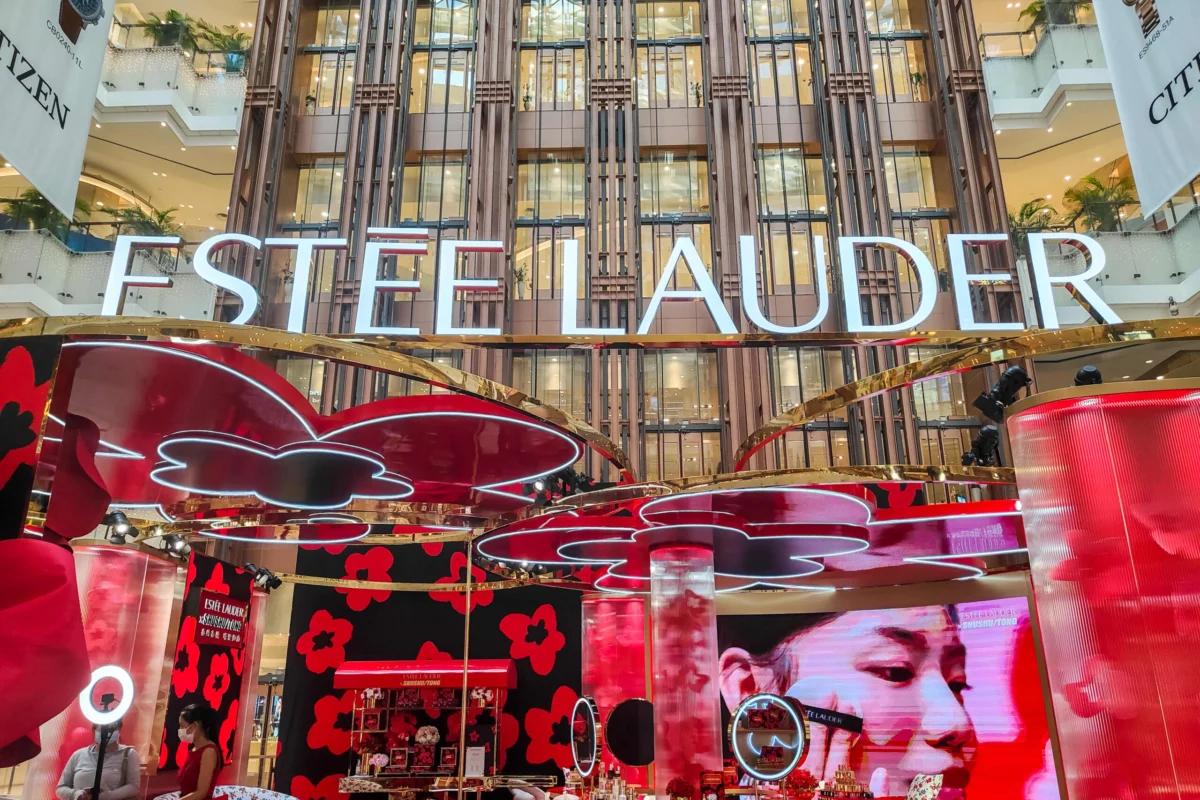
The global beauty landscape was sent into a state of high-voltage speculation on Monday as the Estée Lauder Companies confirmed it is in preliminary talks with the Spanish fashion and fragrance giant Puig regarding a potential merger of the two iconic entities. While Estée Lauder was quick to clarify in an official statement that "no final decision has been made, and no agreement has been reached," the mere acknowledgment of such high-level discussions has sent ripples through the financial markets and the luxury goods sector. The news, which was first broken by the Financial Times, highlights a pivotal moment for the American beauty behemoth as it seeks to navigate one of the most turbulent periods in its storied 78-year history.
The market reaction was immediate and telling of the current investor sentiment regarding both companies. Shares of Estée Lauder (EL) plummeted nearly 8% in the wake of the announcement, reflecting a cautious or perhaps skeptical stance from Wall Street concerning the complexities of such a massive consolidation. Conversely, Puig’s stock saw a lift of approximately 3%, signaling investor confidence in the Spanish firm’s aggressive expansion strategy and its ability to integrate high-value prestige brands into its growing portfolio. For Estée Lauder, the potential deal comes at a time when the company is grappling with a series of systemic challenges that have eroded its market capitalization by roughly 25% since the beginning of the year.
The strategic rationale behind a potential union between Estée Lauder and Puig is multifaceted. Estée Lauder, a titan of the American prestige beauty market, boasts an extensive portfolio that includes its namesake brand, Clinique, M·A·C, La Mer, and Bobbi Brown. However, the company has recently found itself on its back foot. In its most recent second-quarter earnings report, the company signaled significant distress, forecasting a $100 million hit to its full-year profitability specifically due to the impact of escalating tariffs. These geopolitical headwinds, coupled with a slower-than-expected recovery in the Chinese travel retail market—a traditional engine of growth for the firm—have forced the company into a defensive posture.
In response to these pressures, Estée Lauder has been aggressively implementing its "Beauty Reimagined" turnaround plan. This initiative is designed to modernize the company’s operations, streamline its supply chain, and pivot more decisively toward digital-first consumer engagement. The plan also involves a leadership transition, with longtime CEO Fabrizio Freda preparing to hand over the reins to Stéphane de La Faverie. A merger with Puig could represent a "grand reset" for Estée Lauder, providing it with the structural support and geographic diversification necessary to offset its current vulnerabilities in the U.S. and Asian markets.
Puig, on the other hand, represents a different trajectory. Based in Barcelona and controlled by the third generation of the Puig family, the company has transformed itself from a regional fragrance house into a global powerhouse through a series of shrewd acquisitions and a successful initial public offering (IPO) earlier this year. Puig’s portfolio is characterized by high-growth, "cool-factor" brands that resonate deeply with younger, affluent consumers. Their roster includes Charlotte Tilbury—a brand that has dominated the prestige makeup category in recent years—alongside established luxury names like Jean Paul Gaultier, Rabanne, Dries Van Noten, and the niche fragrance house Byredo.
The synergy between the two companies is logically sound on paper. Estée Lauder provides a massive global infrastructure, a dominant presence in department stores, and a sophisticated skincare R&D engine. Puig brings a modern, agile approach to marketing, a strong foothold in the European luxury fragrance market, and a proven track record of revitalizing fashion-house beauty licenses. Analysts suggest that a combined entity would be a formidable rival to L’Oréal, the undisputed global leader in beauty, and would create a powerhouse capable of dictating trends across skincare, makeup, and fragrance on every continent.
However, the path to a merger is fraught with significant hurdles. One of the primary concerns for analysts is the cultural and structural integration of two legacy organizations. Estée Lauder is deeply rooted in the American corporate tradition, though still heavily influenced by the founding Lauder family, who retain significant voting power. Puig remains a quintessentially European, family-led enterprise, even after its public listing. Reconciling these two corporate cultures, while simultaneously managing the "Beauty Reimagined" restructuring at Estée Lauder, would be a monumental task for management.
Furthermore, the financial details of the potential deal remain shrouded in mystery. Neither company has disclosed a valuation or a proposed structure—whether it would be a merger of equals, a strategic partnership, or a tiered acquisition. Given Estée Lauder’s current stock performance, some investors fear the company might be negotiating from a position of weakness, potentially leading to terms that favor Puig. The $100 million tariff impact mentioned in the earnings report is not just a one-time line item; it represents a broader shift in global trade dynamics that affects Estée Lauder’s high-margin products more severely than Puig’s European-centric manufacturing base.
Industry experts also point to the "Lipstick Effect"—the historical trend where consumers continue to buy small luxuries like cosmetics even during economic downturns. While this has traditionally protected companies like Estée Lauder, the modern consumer is more fickle. The rise of "dupe" culture on social media platforms like TikTok and the emergence of agile, direct-to-consumer brands have challenged the dominance of legacy prestige players. Puig has navigated this shift effectively through Charlotte Tilbury’s social-media-savvy marketing, whereas Estée Lauder has been criticized for being slower to adapt to the influencer-driven economy.
The potential merger also takes place against a backdrop of broader consolidation within the luxury sector. LVMH has been expanding its beauty footprint through Sephora and its own brand developments, while Coty has undergone a successful multi-year turnaround to stabilize its prestige fragrance business. In this environment, scale is no longer just an advantage; it is a necessity for survival. A combined Estée Lauder-Puig entity would possess the negotiating leverage to secure better placement with retailers and more favorable terms with suppliers, providing a buffer against the inflationary pressures and supply chain disruptions that have plagued the industry since 2020.
From a geographic perspective, the merger would allow Estée Lauder to hedge its bets. Currently, Estée Lauder is heavily reliant on the Chinese market, where a softening economy and shifting consumer preferences toward domestic Chinese brands (C-beauty) have dented sales. Puig’s strength in Europe and its growing influence in the Americas through brands like Rabanne could provide the diversification Estée Lauder desperately needs. Conversely, Puig would gain immediate, deep-rooted access to the Asian skincare market, a segment where it currently lacks a flagship powerhouse brand on the scale of La Mer or Clinique.
The regulatory environment will also be a key factor. Antitrust regulators in both the United States and the European Union have become increasingly scrutinizing of large-scale mergers in the consumer goods space. While the beauty market remains highly fragmented, a union of this size would undoubtedly trigger intense reviews. Regulators would likely examine whether such a merger would stifle competition in specific sub-sectors, such as high-end fragrances or prestige anti-aging skincare.
As the talks continue, the beauty world remains on edge. For Estée Lauder, this could be the ultimate move to secure its legacy and return to growth after a punishing year. For Puig, it represents the opportunity to ascend to the very top tier of the global luxury hierarchy. Whether the discussions lead to a definitive agreement or remain a tantalizing "what-if" in corporate history, the news has already redefined the expectations for the beauty industry in 2024 and beyond. For now, the "Beauty Reimagined" plan continues, but the vision of what that reimagined future looks like may have just expanded to include a distinctly Spanish flair.
The coming months will be critical as due diligence proceeds and the boards of both companies weigh the risks of integration against the rewards of global dominance. With Estée Lauder’s stock hovering at multi-year lows, the pressure from shareholders to deliver a transformative catalyst is higher than ever. If the deal moves forward, it will not just be a merger of two companies, but a merger of two different eras of beauty—the classic American prestige of the 20th century meeting the edgy, fashion-forward European luxury of the 21st. The outcome will determine the leadership of the $500 billion global beauty market for decades to come.
