
 By admin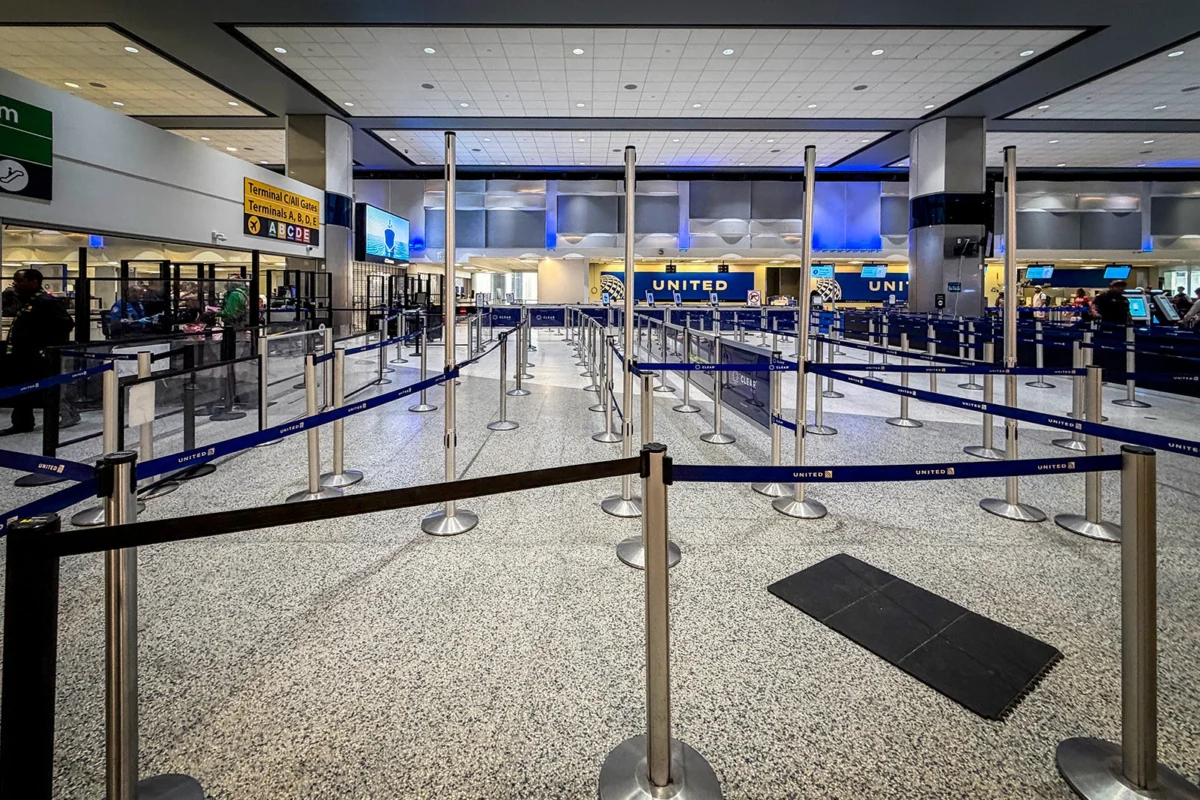
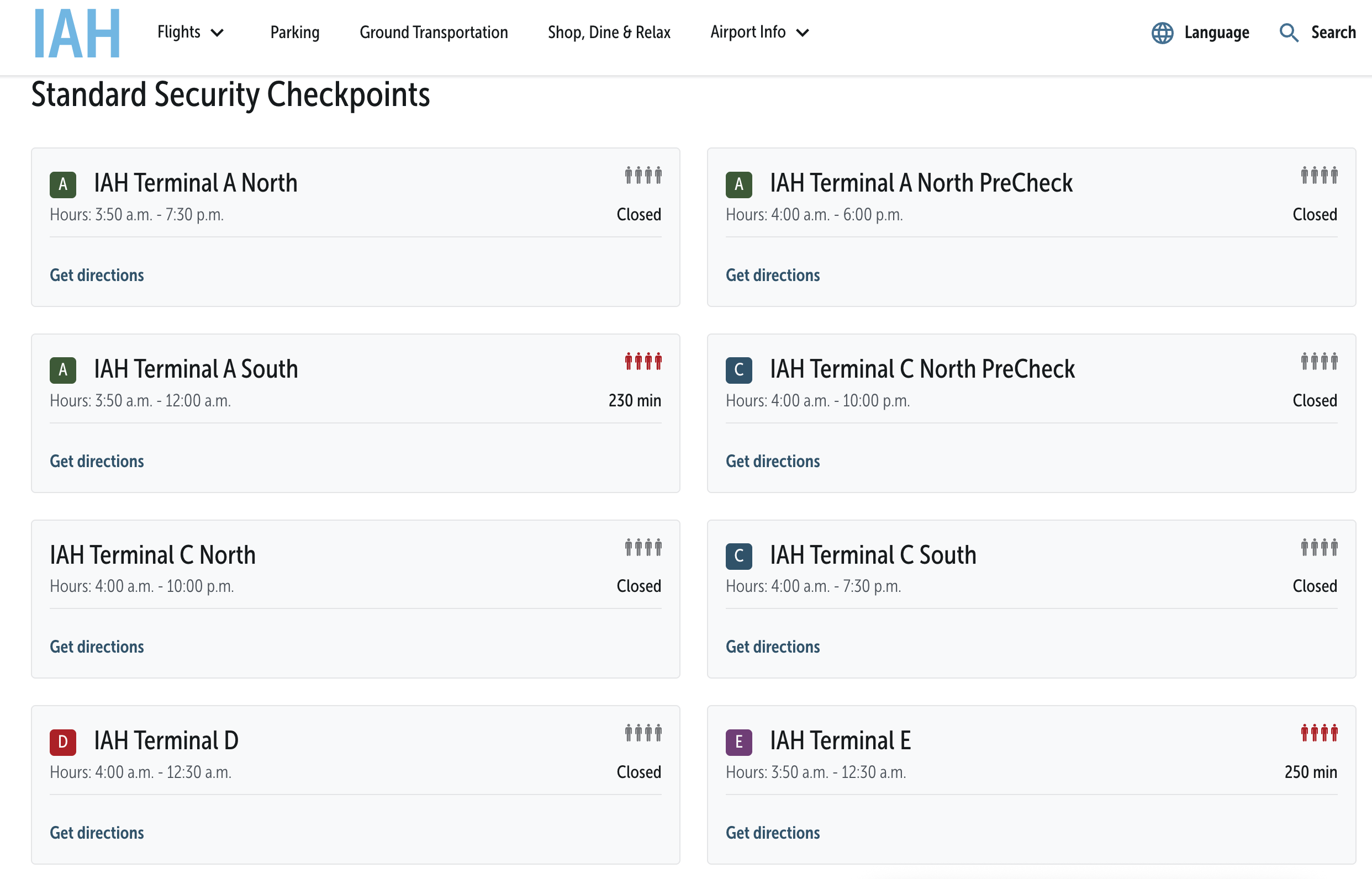
The current state of aviation infrastructure in the United States is facing an unprecedented stress test as a prolonged partial government shutdown continues to erode the operational capacity of the Transportation Security Administration (TSA). Across the nation’s major hubs, travelers are encountering a grim reality: staffing shortages have led to a cascading failure of security checkpoints, leaving thousands of passengers stranded in terminal lobbies. At Houston’s George Bush Intercontinental Airport (IAH), one of the busiest international gateways in the country, the situation reached a breaking point this week. Wait times for standard security screening skyrocketed to a staggering 270 minutes—over four and a half hours—forcing many to abandon their travel plans or risk missing transcontinental connections.
In this environment of logistical chaos, even the traditional "fast lanes" of travel have buckled. For years, frequent flyers have relied on a "trusted traveler" toolkit consisting of TSA PreCheck, Global Entry, and Clear+ to navigate the friction of airport security. However, as the shutdown deepens, these services are no longer a guarantee of efficiency. At IAH, both TSA PreCheck and Clear lanes were abruptly shuttered during peak afternoon hours due to staffing constraints and municipal directives. For the average traveler, this meant being funneled into general boarding lines that stretched through the baggage claim and out onto the sidewalk. Yet, amidst this systemic failure, a specialized, often-overlooked service known as Clear Concierge emerged as a miraculous workaround, allowing savvy travelers to bypass a four-hour ordeal for a flat fee of $99.

The Mechanics of Clear Concierge
Clear Concierge is a premium, reservation-based add-on service offered by Clear, the biometric identity company. While the standard Clear+ membership (which currently costs $199 annually) allows users to verify their identity via iris or fingerprint scans before being escorted to the front of the TSA line, Clear Concierge takes the "white glove" experience several steps further. Currently available at approximately 30 major airports across the United States, the service is designed for travelers who require a higher degree of certainty and personalized assistance.
The service is divided into two primary tiers. The first, Clear Concierge Express, provides a dedicated Clear Ambassador who meets the traveler at a pre-arranged time and provides an immediate escort to the very front of the security queue, effectively "jumping" even the standard Clear+ line. The second, more comprehensive tier—often referred to as the full Concierge service—includes baggage assistance and a personal escort that stays with the traveler from the curb all the way to their departure gate. For many, the $99-per-adult entry price for the Express service (children can join for free) is a steep ask on top of an existing membership. However, when the alternative is a four-hour wait in a congested terminal, the value proposition shifts from a luxury to a logistical necessity.
A Case Study in Crisis Management: The IAH Experience
The efficacy of Clear Concierge was put to the ultimate test this Monday at Houston IAH. The airport, a primary hub for United Airlines, struggled to manage the surge of spring travelers amid the TSA’s reduced workforce. Social media was flooded with images of "snake-like" queues and frustrated passengers. Local authorities had issued warnings that the dedicated Clear+ and PreCheck lanes might close without notice—a warning that became a reality by mid-afternoon.
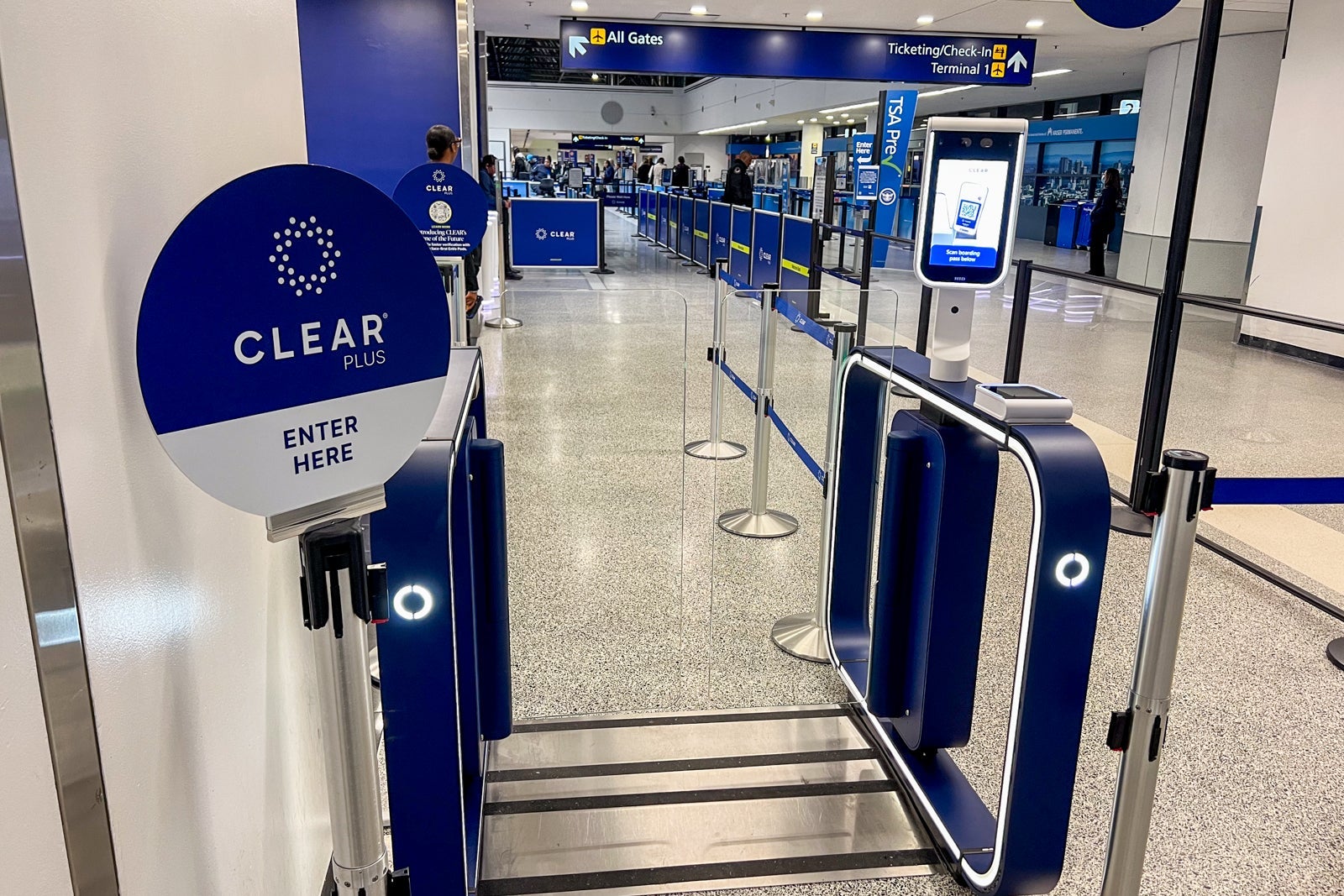
Despite the official closure of the standard Clear lanes, those who had booked a Clear Concierge Express appointment days in advance found themselves in a different reality. At 4:30 a.m. on the day of travel, Clear Ambassadors began proactive outreach, texting clients with meeting instructions. While the general public faced a wall of closed signs at the Clear kiosks, Concierge staff remained on-site specifically to honor confirmed reservations. In a striking display of "pay-to-play" efficiency, travelers with these appointments were met by Ambassadors at the edge of the security zone and walked directly to the TSA document checker. The result was a transition from the terminal curb to the airside gate in just two minutes, while thousands of others remained trapped in a line that showed no signs of moving.
The Role of Premium Credit Cards in Offsetting Costs
The proliferation of high-end travel credit cards has made services like Clear+ and Clear Concierge more accessible to the general public. For instance, the American Express Platinum Card® offers an annual statement credit of up to $209 specifically for Clear+ memberships. Other cards, such as the Delta SkyMiles® Reserve American Express Card and the United Club℠ Infinite Card, also offer various pathways to subsidized or discounted memberships.
While these credits typically cover the base annual fee for Clear+, they do not directly cover the $99 per-use Concierge fee. However, by effectively eliminating the "entry cost" of the membership itself, these cards allow travelers to reallocate their travel budget toward these emergency "skip-the-line" fees during times of crisis. For the business traveler whose time is billed at hundreds of dollars an hour, or the family trying to avoid a missed international flight, the $99 fee is easily justified when the base membership is already "free" via credit card benefits.
The Broader Implications: A Two-Tiered Travel System?
The success of Clear Concierge during a government shutdown raises significant questions about the future of equitable travel. Critics argue that the aviation industry is increasingly moving toward a "pay-walled" infrastructure where the ability to move through public space is dictated by one’s financial capacity to access private services. As TSA staffing remains a perennial issue, the reliance on private biometric companies like Clear to manage "priority" flow has become a cornerstone of the American airport experience.
From a technological standpoint, Clear is also expanding its "e-gate" footprint. These automated gates use facial recognition to further streamline the process, reducing the need for human Ambassadors. However, the IAH crisis proved that in moments of total system failure, the human element—the "Ambassador"—is what makes the difference. The Concierge service relies on these staff members to navigate the physical barriers of a crowded airport, providing a level of maneuverability that automated gates simply cannot match.
Expert Analysis: Is Clear Concierge Worth It?
Travel industry analysts suggest that the "Concierge" model is the next frontier in travel loyalty. As TSA PreCheck becomes more crowded—with over 15 million members—the "expedited" experience is no longer as fast as it once was. This has created a market for a "priority-plus" tier. Clear Concierge fills this gap by offering a guaranteed time slot, which is particularly valuable for those traveling during holidays, shutdowns, or at airports known for logistical bottlenecks like Atlanta (ATL), Newark (EWR), or Houston (IAH).

For travelers considering this service, experts recommend booking at least 24 to 48 hours in advance. While Clear allows bookings up to 30 minutes before arrival, these slots are finite and often sell out during peak travel windows or periods of known disruption. Furthermore, the service requires an active Clear+ membership, meaning travelers cannot simply show up and pay $99 without first being enrolled in the biometric database.
Conclusion: Navigating the New Normal of Travel
The events at Houston’s George Bush Intercontinental Airport serve as a stark reminder that the modern travel experience is fragile. When public infrastructure fails, private solutions often step in to fill the void, albeit at a price. The $99 Clear Concierge fee represents more than just a shortcut; it is a form of "travel insurance" against the unpredictability of government operations and staffing shortages.
As the partial shutdown continues, the disparity between the "haves" and "have-nots" in the security line will likely widen. For those who can afford it—or those who have leveraged credit card benefits to make it affordable—Clear Concierge is currently the only reliable way to ensure a flight is made when wait times exceed four hours. While it may not be a sustainable solution for the masses, for the individual traveler caught in the middle of a national crisis, it is a lifeline that transforms a day of absolute stress into a seamless two-minute stroll to the gate. For as long as the shutdown persists, the "Ambassadors" in their bright blue vests may well be the most important people in the airport.
