
 By admin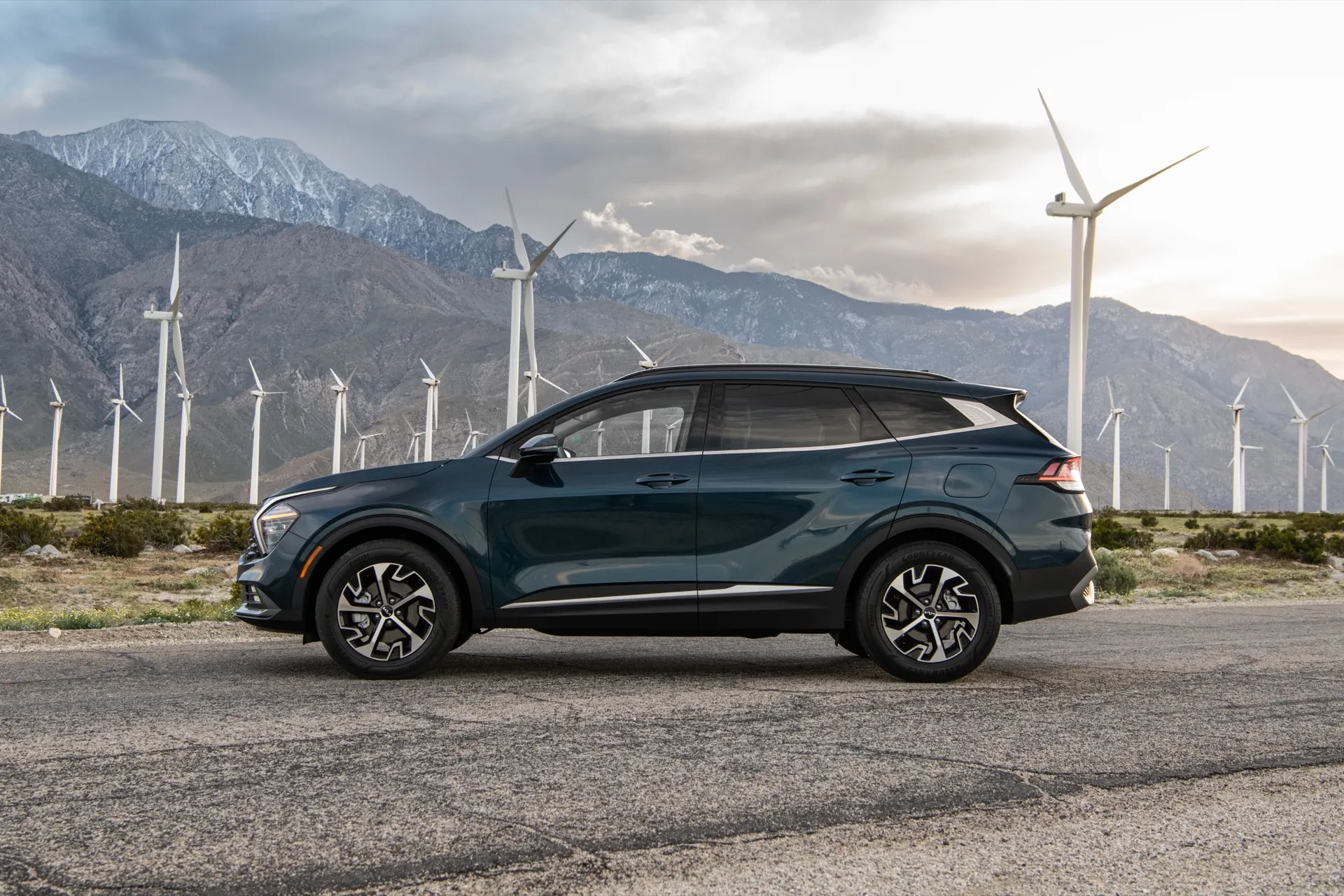
While Toyota has long been the undisputed pioneer and leader in hybrid technology, boasting over a quarter-century of experience selling these innovative powertrains in North America, the market has matured significantly. Other automakers have aggressively expanded their hybrid offerings, moving beyond compact sedans to encompass a diverse range of body styles, including spacious hatchbacks, versatile crossovers, and even utilitarian pickup trucks. The common thread among these selections is their "inexpensive" nature, defined in this context as models costing less than $30,000, including the mandatory destination fee, making them accessible to a broad spectrum of buyers.
The fundamental appeal of a hybrid lies in its cost of ownership. Take, for instance, the ever-popular Toyota Corolla Hybrid. With an impressive EPA-estimated 50 mpg combined, it offers substantial fuel savings. Over five years, the EPA projects that owners could save approximately $3,250 in fuel costs compared to a similarly equipped non-hybrid Corolla, which, while still efficient, achieves a 35-mpg combined rating. This stark difference highlights the inherent economic advantage of hybrid powertrains. Furthermore, many of these budget-friendly hybrids come equipped with a suite of standard safety features, including automatic emergency braking with pedestrian detection and active lane control, ensuring that affordability does not come at the expense of safety.
It’s a challenging time for truly "cheap" new cars. For 2025, only a handful of vehicles remain under the $20,000 mark, with the Nissan Versa leading the pack at $18,330. While a warm baker’s dozen of new cars can still be found for under $25,000, the Toyota Corolla Hybrid is one of the rare gems that manages to appear on both lists of overall cheapest cars and cheapest hybrids, cementing its position as a value champion.

This comprehensive guide delves into the most affordable hybrid vehicles available for 2025, examining how they stack up in terms of size, fuel economy, features, and overall value. All prices listed below include the mandatory destination charge, providing a clear and direct comparison for prospective buyers.
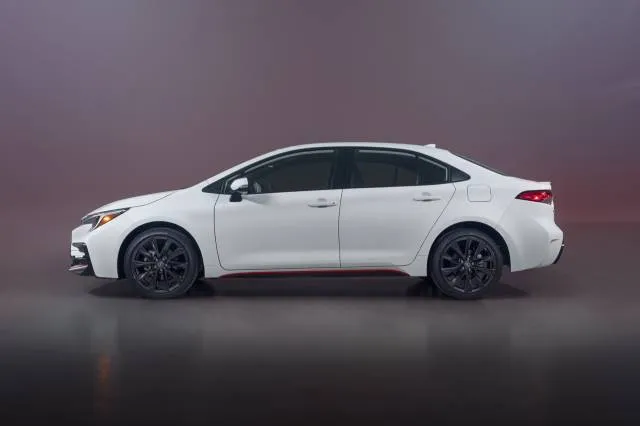
2025 Toyota Corolla Sedan Hybrid ($24,760)
The 2025 Toyota Corolla Sedan Hybrid remains the benchmark for entry-level hybrid efficiency and value. Building on decades of Corolla’s reputation for reliability and practicality, the hybrid variant adds exceptional fuel economy to its resume. Powered by a 1.8-liter four-cylinder engine paired with two electric motor-generators, it delivers a combined 138 horsepower through an electronically controlled continuously variable transmission (eCVT). The system consistently achieves an impressive EPA-estimated 50 mpg combined (53 city, 46 highway) for front-wheel-drive models, making it a stellar choice for daily commutes and long-distance travel alike.
Beyond its powertrain, the Corolla Hybrid offers a surprisingly refined interior for its price point. Standard features include an 8.0-inch touchscreen infotainment system with wireless Apple CarPlay and Android Auto, ensuring seamless connectivity. Toyota Safety Sense 3.0 is standard, encompassing automatic emergency braking with pedestrian detection, adaptive cruise control, lane-keeping assist, and automatic high beams. Its compact size makes it nimble in urban environments, while a respectable trunk capacity offers practical storage. The Corolla Hybrid’s blend of Toyota’s legendary reliability, modern safety tech, and outstanding fuel efficiency positions it as an undeniable leader in the affordable hybrid segment, justifying its slightly higher cost over its non-hybrid counterpart with significant long-term savings.

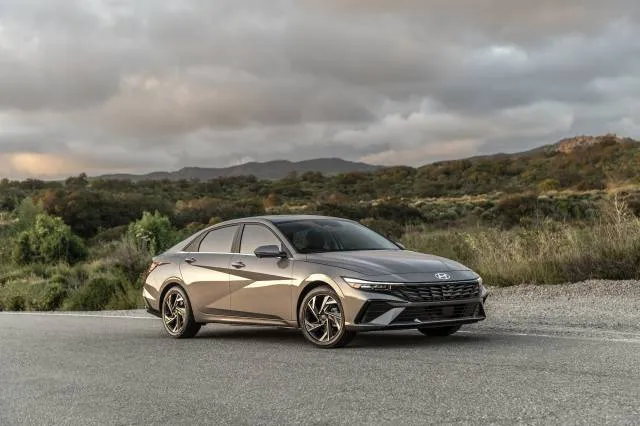
2025 Hyundai Elantra Hybrid ($26,250)
Hyundai’s 2025 Elantra Hybrid presents a compelling alternative, marrying a distinctive, angular design with efficient hybrid performance. It stands out in the compact sedan segment with its bold styling and a cabin that feels more upscale than its price suggests. Under the hood, the Elantra Hybrid employs a 1.6-liter four-cylinder engine combined with an electric motor, producing a total of 139 horsepower. This setup delivers an impressive EPA-estimated 50 mpg combined (50 city, 52 highway), closely matching the Corolla Hybrid’s efficiency. Unlike some competitors that use an eCVT, the Elantra Hybrid features a more engaging 6-speed dual-clutch automatic transmission, which often provides a more traditional driving feel.
The interior is a strong point for the Elantra, offering generous passenger space for its class and an intuitive infotainment system, typically featuring an 8.0-inch touchscreen as standard, with available larger screens and a digital instrument cluster on higher trims. Standard safety equipment includes forward collision-avoidance assist with pedestrian detection, lane keeping assist, and a driver attention warning system. Hyundai also offers a class-leading warranty, providing additional peace of mind for buyers. The Elantra Hybrid is an excellent choice for those seeking a stylish, well-equipped, and efficient sedan that offers a distinctive flair compared to its more conservative rivals.
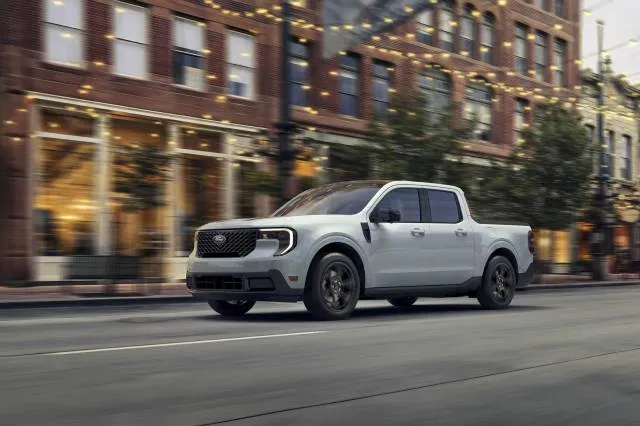
2025 Ford Maverick Pickup Truck ($27,890)
Breaking the mold of traditional hybrids is the 2025 Ford Maverick Pickup Truck, which has carved out a unique niche as the only hybrid pickup available in this price bracket. The Maverick has been a runaway success, appealing to urban dwellers and those needing light utility without the bulk or expense of a full-size truck. Its standard hybrid powertrain features a 2.5-liter four-cylinder engine paired with an electric motor, generating a combined 191 horsepower and exclusively driving the front wheels through a CVT. This setup achieves an excellent EPA-estimated 37 mpg combined (40 city, 33 highway), an unprecedented figure for a pickup truck.
The Maverick’s compact size belies its practicality. It features a versatile 4.5-foot bed with Ford’s innovative "Flexbed" system, allowing for DIY customization and smart storage solutions. The interior is functional and cleverly designed, with ample storage cubbies and robust materials. An 8.0-inch touchscreen with Apple CarPlay and Android Auto is standard. Ford Co-Pilot360, including pre-collision assist with automatic emergency braking, is standard, with other driver-assist features available. The Maverick Hybrid is ideal for buyers who appreciate the utility of a truck but prioritize fuel efficiency, urban maneuverability, and a lower entry price point, making it a segment-defining offering.
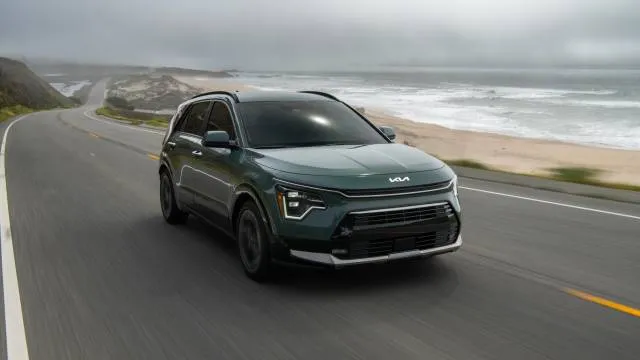
2025 Kia Niro Hatchback ($28,365)
The 2025 Kia Niro Hatchback offers a compelling blend of crossover-like utility, sleek design, and exceptional fuel economy. Positioned as a stylish and practical urban commuter, the Niro comes in various electrified forms, with the standard hybrid model providing the most accessible entry point. It is powered by a 1.6-liter four-cylinder engine and an electric motor, delivering a combined 139 horsepower through a 6-speed dual-clutch automatic transmission. This powertrain achieves an impressive EPA-estimated 49-53 mpg combined, depending on the trim, making it one of the most fuel-efficient vehicles on this list.
The Niro distinguishes itself with a distinctive and modern exterior design, featuring unique "Aero Blade" side panels that can be optionally contrasted in color. Inside, the cabin is surprisingly spacious and modern, with quality materials and an intuitive layout. Standard features typically include an 8.0-inch touchscreen infotainment system, with larger screens and a digital instrument cluster available. Kia Drive Wise, Kia’s comprehensive suite of advanced driver-assistance systems, is standard, including forward collision-avoidance assist, lane keeping assist, and blind-spot collision warning. The Niro’s combination of hatchback versatility, eye-catching design, and excellent efficiency makes it a strong contender for those seeking a stylish and economical hybrid.
2025 Toyota Prius Hatchback ($29,485)
The 2025 Toyota Prius Hatchback continues its legacy as the icon of hybrid efficiency, but with a dramatic and welcome transformation in its latest generation. Shedding its previously polarizing design, the new Prius boasts a sleek, sporty, and genuinely attractive aesthetic that defies its reputation. Beneath its stylish skin lies a more powerful and efficient hybrid powertrain. It features a 2.0-liter four-cylinder engine paired with an electric motor, delivering a robust 194 horsepower for front-wheel-drive models (196 hp with available AWD). This increased power significantly improves acceleration, addressing a common past criticism. Despite the power boost, the FWD Prius still achieves an outstanding EPA-estimated 57 mpg combined (57 city, 56 highway) in its most efficient form, making it a fuel economy leader.
The interior has also been modernized, offering a driver-focused cockpit with a digital instrument cluster and an 8.0-inch or optional 12.3-inch touchscreen infotainment system. Passenger space is adequate, though the sloping roofline slightly impacts rear headroom. Toyota Safety Sense 3.0 is standard, providing a comprehensive suite of active safety features. The Prius is no longer just a sensible choice; it’s a desirable one, offering a compelling blend of cutting-edge efficiency, improved driving dynamics, and a strikingly modern design, making it an excellent value for those prioritizing ultimate fuel savings and a unique style statement.
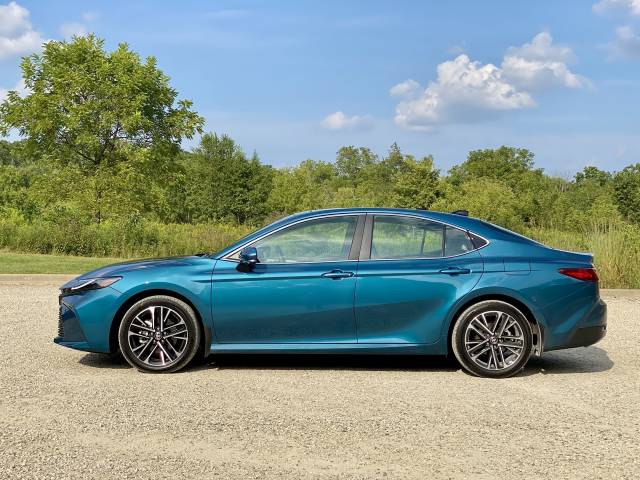
2025 Toyota Camry Hybrid ($29,495)
For 2025, the Toyota Camry Hybrid receives a significant overhaul, making it an even more attractive proposition in the mid-size sedan segment. The new generation features updated styling, an enhanced interior, and a refined hybrid powertrain that now comes standard across all trims, marking a bold shift for the popular sedan. Power comes from a 2.5-liter four-cylinder engine combined with electric motors, producing a combined 225 horsepower in front-wheel-drive configurations (232 hp with available AWD). This robust powertrain delivers an impressive EPA-estimated 47 mpg combined (51 city, 46 highway) for the base LE FWD trim, offering a rare combination of mid-size comfort and exceptional efficiency.
The updated interior boasts improved materials, a more modern design, and standard features like an 8.0-inch touchscreen with wireless Apple CarPlay and Android Auto, with a 12.3-inch screen available on higher trims. Rear passenger space remains a strong suit, providing ample legroom for adults. Toyota Safety Sense 3.0 is standard, ensuring a high level of driver assistance and protection. The Camry Hybrid stands out as an outstanding value for buyers who need the practicality and comfort of a mid-size sedan but refuse to compromise on fuel economy. Its proven reliability and strong resale value further solidify its position as a top choice.
2025 Toyota Corolla Cross Crossover Hybrid ($29,745)
Expanding Toyota’s hybrid dominance into the booming compact crossover segment, the 2025 Corolla Cross Crossover Hybrid offers the popular Corolla’s efficiency and reliability in a more versatile, SUV-like package. This model caters to buyers who desire a higher driving position, increased cargo capacity, and the utility of a crossover without sacrificing fuel economy or breaking the bank. The hybrid powertrain combines a 2.0-liter four-cylinder engine with electric motors, generating a healthy 196 horsepower and standard electronic all-wheel drive (eAWD). This system achieves an impressive EPA-estimated 42 mpg combined (45 city, 38 highway).
The Corolla Cross Hybrid provides a comfortable and practical interior, with easy entry and exit and a generous cargo area for its class. Standard features typically include an 8.0-inch touchscreen infotainment system with wireless smartphone integration. Toyota Safety Sense 3.0 is included across the lineup, offering comprehensive driver assistance technologies. Its compact footprint makes it easy to maneuver in urban settings, while the available eAWD provides added confidence in adverse weather conditions. For those seeking an affordable, efficient, and capable hybrid crossover, the Corolla Cross Hybrid represents a compelling and well-rounded option.
2025 Honda Civic Hybrid Sedan ($29,845) and Hatchback ($31,045)
Honda reintroduces the Civic Hybrid for 2025, bringing its renowned efficiency and engaging driving dynamics to one of the most beloved compact cars. The Civic Hybrid is available in both sedan and hatchback body styles, offering buyers flexibility based on their practical needs. Both variants are powered by a 2.0-liter four-cylinder engine paired with two electric motors, delivering a robust 200 horsepower and 232 lb-ft of torque, making it the most powerful Civic Hybrid to date. The sedan is expected to achieve an impressive EPA-estimated 50 mpg combined (49 city, 49 highway), while the hatchback’s figures will be similar.

The Civic’s interior is celebrated for its clean design, high-quality materials, and excellent ergonomics. Standard features include a 7.0-inch touchscreen (9.0-inch available) with Apple CarPlay and Android Auto. Honda Sensing, Honda’s suite of safety and driver-assistive technologies, is standard, encompassing features like collision mitigation braking, road departure mitigation, and adaptive cruise control. The Civic Hybrid maintains the non-hybrid model’s reputation for a refined ride and nimble handling, making it a joy to drive. While the hatchback pushes just over the $30,000 threshold, its added versatility and sporty appeal make it a worthy consideration for those seeking a premium compact hybrid experience, while the sedan offers an exceptional value under the limit.
2025 Kia Sportage Hybrid ($29,965)
The 2025 Kia Sportage Hybrid concludes our list of top affordable hybrids, offering a stylish, spacious, and efficient compact SUV package. The Sportage Hybrid has quickly become a standout in its segment, combining Kia’s bold design language with a practical and refined interior. It is powered by a 1.6-liter turbocharged four-cylinder engine paired with an electric motor, generating a combined 227 horsepower. This robust powertrain is mated to a 6-speed automatic transmission and delivers an EPA-estimated 39 mpg combined (42 city, 38 highway) for front-wheel-drive models, with all-wheel drive also available.
The Sportage Hybrid’s interior is a major draw, featuring a modern, driver-centric cockpit with high-quality materials and impressive technology. Standard features include an 8.0-inch touchscreen infotainment system with wireless Apple CarPlay and Android Auto, with larger dual-screen setups available on higher trims. Rear passenger legroom and cargo space are among the best in the compact SUV class, making it an excellent choice for families or those needing extra utility. Kia’s Drive Wise suite of advanced driver-assistance systems, including forward collision-avoidance assist and lane keeping assist, is standard. The Sportage Hybrid offers an incredibly strong value proposition, combining SUV versatility, a powerful and efficient hybrid powertrain, and a feature-rich interior just under the $30,000 mark.
The 2025 model year underscores a pivotal moment for hybrid vehicles. No longer a niche offering, hybrids have firmly established themselves as a mainstream solution for drivers seeking to balance environmental consciousness with economic practicality. The diverse range of models available under $30,000—from compact sedans and versatile hatchbacks to utilitarian pickups and spacious crossovers—demonstrates that automakers are committed to making efficient driving accessible to a wider audience.
These vehicles not only promise significant savings at the pump and reduced long-term ownership costs but also come equipped with advanced safety features and modern technology that enhance the driving experience. As the automotive industry continues its journey towards full electrification, these affordable hybrids serve as a crucial bridge, offering a compelling blend of proven technology, everyday usability, and undeniable value. For consumers navigating the complexities of rising car prices and fluctuating fuel costs, the choice of an inexpensive hybrid for 2025 represents a smart, forward-thinking investment in both personal finances and a sustainable future.
