
 By admin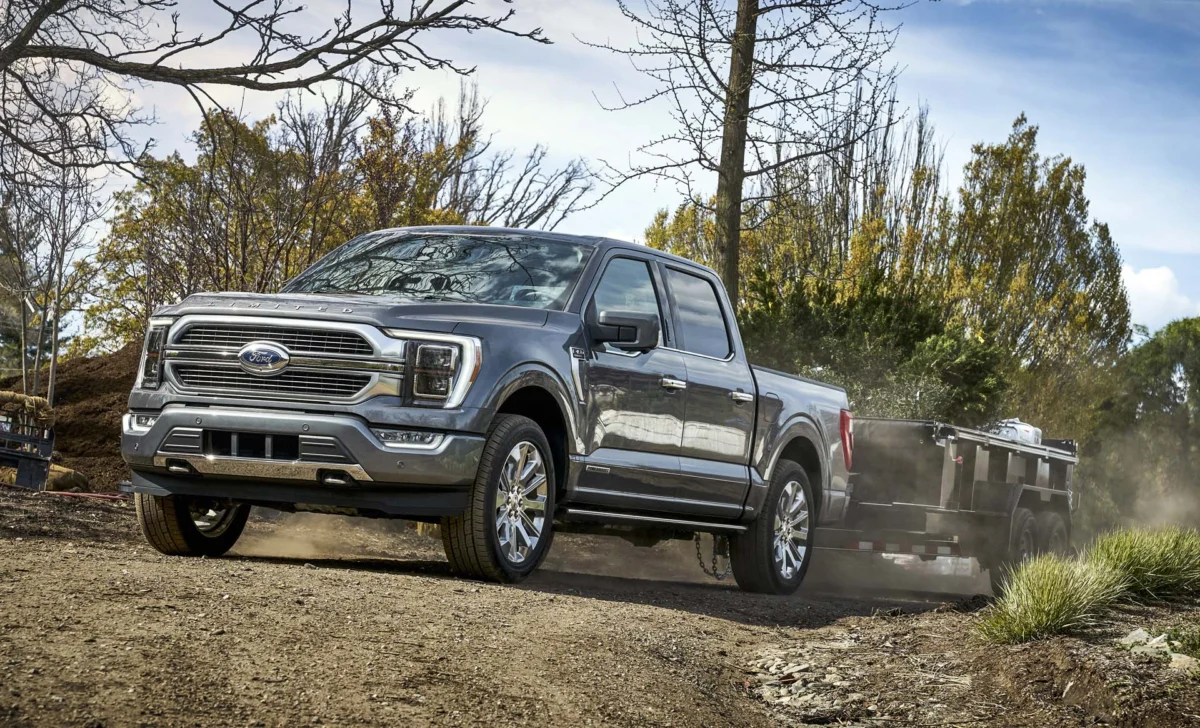
The latest recall, identified by Ford as reference number 25S18, underscores a growing challenge for modern automakers grappling with increasingly complex vehicle software. The affected models, which are understood to include popular towing vehicles such as the F-150 series, Expedition, and potentially some Super Duty variants and Navigator SUVs, are at risk because their trailer brake controllers may fail to properly engage trailer brakes. This critical malfunction can severely compromise a driver’s ability to stop a combined vehicle and trailer safely, especially during sudden braking maneuvers or on downhill grades. The National Highway Traffic Safety Administration (NHTSA) has highlighted that such a defect significantly elevates the risk of a crash.
The crux of the problem lies not in a newly discovered defect, but in the failure of the initial recall remedy. Under the previous recall campaign, dealers were instructed to install updated software designed to correct the trailer brake controller issue. However, Ford has now informed the NHTSA that the software tool utilized by dealerships during that period may not have successfully uploaded the correct software to the affected vehicles. This means a substantial number of potentially unsafe vehicles continued to operate on roads, despite owners having brought their vehicles in for the "fix."
While Ford asserts it is unaware of any crashes or injuries directly linked to this underlying issue, the re-issuance of the recall casts a shadow over the effectiveness of its initial corrective actions and the robustness of its software deployment processes. For owners, this translates into an unwelcome second trip to the dealership for a repair they believed was already completed. Ford has committed to installing the correct software free of charge and will reimburse owners for any related out-of-pocket expenses incurred, acknowledging the inconvenience and potential financial burden.
Owner notification letters are slated to be mailed out on April 14, 2025. In the interim, concerned owners can contact Ford’s customer service department at 1-866-436-7332 or visit the company’s dedicated recall website for more detailed information. It is crucial for owners of potentially affected vehicles to promptly heed these notifications and schedule the necessary service, even if they previously had their vehicle serviced under the prior recall. The safety implications of compromised trailer braking are profound, particularly given the significant kinetic energy involved when decelerating a heavy truck and trailer combination. A slight increase in stopping distance can mean the difference between a safe stop and a severe collision.
This incident is far from an isolated event in Ford’s recent history. The automaker has faced a series of software-related recalls, signaling a broader pattern of challenges in its quality control and software integration efforts. Just last month, Ford initiated two new recalls for its Maverick pickup truck, specifically to address issues that were supposed to have been fixed under previous recall campaigns. These included problems related to airbag deployment and powertrain control. Prior to that, in January, Ford recalled approximately 272,000 Maverick and Bronco Sport crossovers for a 12-volt battery issue, again after a previous recall remedy proved ineffective. These repeated failures to adequately address defects on the first attempt are eroding consumer confidence and adding to the operational costs for the company.

The increasing prevalence of software in modern vehicles, often termed the "software-defined vehicle" era, brings with it a new frontier of engineering and quality control challenges. Automotive systems today rely on millions of lines of code to manage everything from engine performance and infotainment to critical safety features like braking, steering, and advanced driver-assistance systems (ADAS). While software enables incredible innovation and functionality, it also introduces complex vulnerabilities. A single line of faulty code or an improperly executed update can have widespread safety implications.
Automotive safety experts emphasize the critical nature of braking systems. "When you’re towing a heavy load, your vehicle’s braking performance is already under increased strain," explains Dr. Evelyn Thorne, a mechanical engineering professor specializing in vehicle dynamics. "Any impairment to the trailer brake controller’s function means the trailer isn’t contributing its share to the deceleration effort, effectively making the tow vehicle do all the work. This dramatically extends stopping distances, puts excessive stress on the tow vehicle’s brakes, and can lead to a loss of control, especially on wet roads or during emergency maneuvers. A few extra feet can be the difference between avoiding an accident and a catastrophic pile-up."
Industry analysts are also weighing in on the implications for Ford. "Repeated recalls, especially for the same issue, are a significant red flag for consumers and investors alike," states Marcus Chen, an automotive sector analyst at Capital Markets Group. "It suggests systemic issues within Ford’s software development, validation, or deployment processes. Each recall carries not only direct financial costs in terms of repairs, parts, and logistics but also significant intangible costs in terms of brand reputation and customer loyalty. In an increasingly competitive market, consumers have many choices, and a history of quality issues can quickly drive them to competitors."
The specific failure of the dealership software tool to upload the correct update highlights a critical point of vulnerability in the recall process. It suggests a potential breakdown in the validation chain: Was the tool itself faulty? Was the dealership staff adequately trained on its use? Were there insufficient checks to confirm the successful installation of the correct software version post-update? These questions point to the need for more rigorous internal testing and verification protocols, not just for the software itself, but for the entire ecosystem of tools and procedures used to implement fixes.
Looking ahead, Ford, like other automakers, must invest heavily in bolstering its software quality assurance from end-to-end. This includes enhanced development processes, more comprehensive simulation and real-world testing, and robust validation of all service tools. The move towards Over-the-Air (OTA) software updates, while offering its own set of challenges, could potentially streamline the recall process for software-related issues, allowing fixes to be deployed directly to vehicles without requiring a dealership visit. However, for critical safety functions like braking, many regulators and manufacturers still prefer in-person verification.
For now, the onus is on Ford to demonstrate that it can effectively diagnose and permanently rectify these recurring software glitches. For vehicle owners, the message is clear: prioritize safety by responding promptly to recall notices. Even if you believe a previous fix was applied, the potential risks associated with compromised trailer braking demand immediate attention. Checking your vehicle’s VIN on Ford’s recall website or the NHTSA’s safety recall website (www.nhtsa.gov) is a simple but vital step to ensure your vehicle is operating safely and in compliance with all necessary updates. The safety of drivers, passengers, and other road users hinges on the reliability of these complex automotive systems, and the industry, led by companies like Ford, has a profound responsibility to get it right the first time – and every time thereafter.
