
 By admin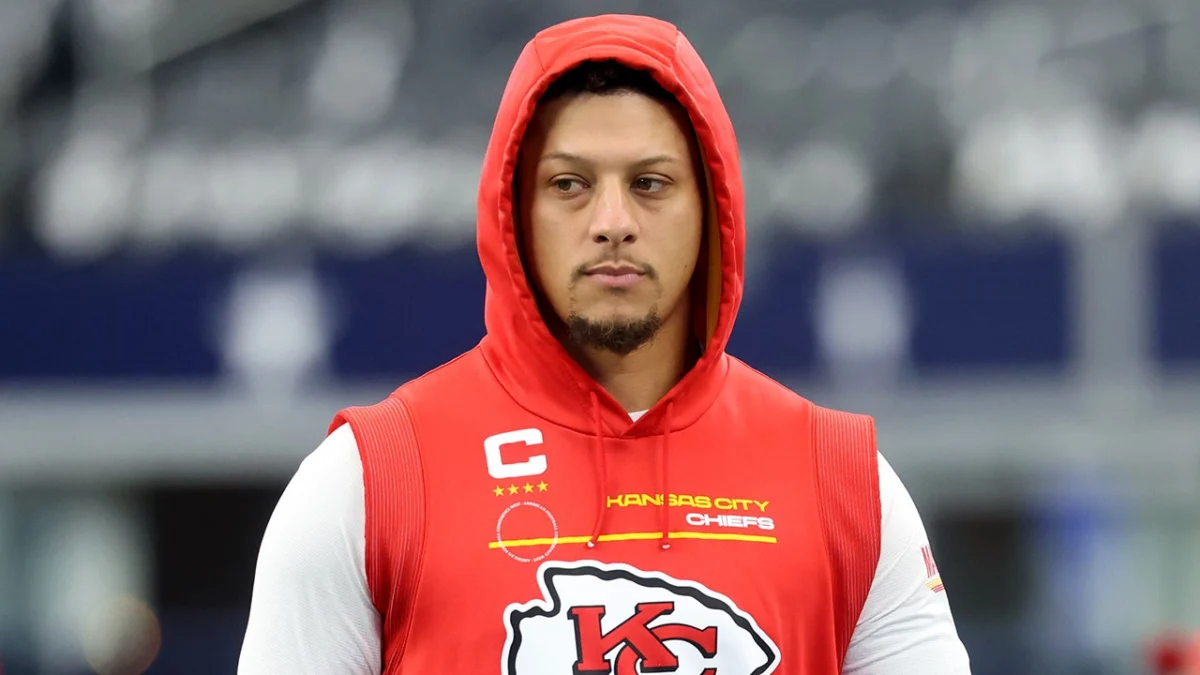
The jubilant cheers of Kansas City Chiefs fans were abruptly silenced on December 14, 2025, when their star quarterback, Patrick Mahomes, suffered a season-ending torn ACL. The devastating injury, sustained during a Week 15 matchup against the Los Angeles Chargers, not only extinguished the Chiefs’ playoff aspirations for the 2025 season but also cast a shadow of uncertainty over the team’s immediate future. Recovery from such a significant knee injury typically requires an arduous nine-month rehabilitation period, placing Mahomes’ potential return to the field at the earliest around the Week 1 of the 2026 NFL season. This setback marked a profound disappointment for a team that had grown accustomed to Mahomes’ electrifying play and championship pedigree.
The image of Mahomes clutching his knee after the fateful play is seared into the memories of Chiefs faithful and NFL observers alike. The incident occurred in a crucial late-season game, amplifying the stakes and the emotional impact of the injury. The torn ACL, a common yet severe ailment in professional football, necessitates a rigorous and often painful recovery process. For a player like Mahomes, whose game is characterized by exceptional athleticism, elusive mobility, and pinpoint accuracy, the prospect of returning to his previous elite form after such an injury presents a significant challenge. Medical experts generally advise a conservative approach to returning athletes from ACL tears, emphasizing the importance of regaining full strength, stability, and range of motion before reintroducing them to the high-impact demands of the sport. This cautious outlook suggests that while Mahomes might be medically cleared for the start of the 2026 season, his optimal performance level could take additional time to manifest.
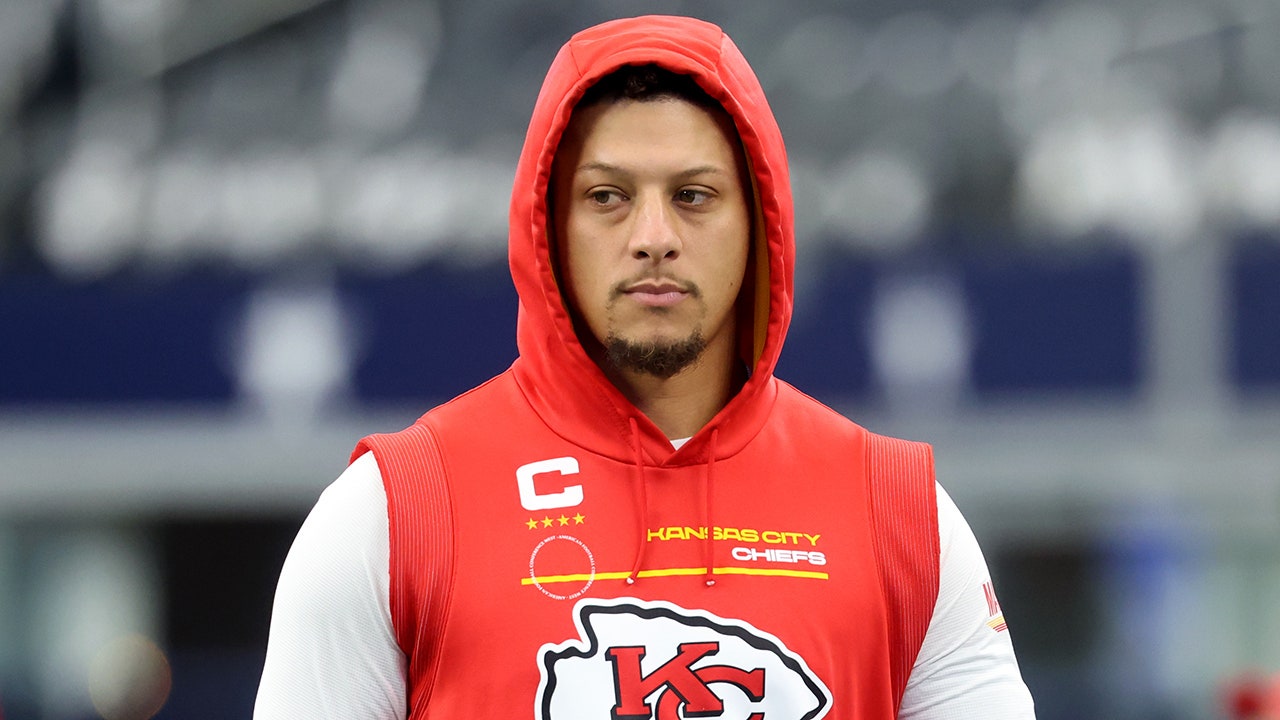
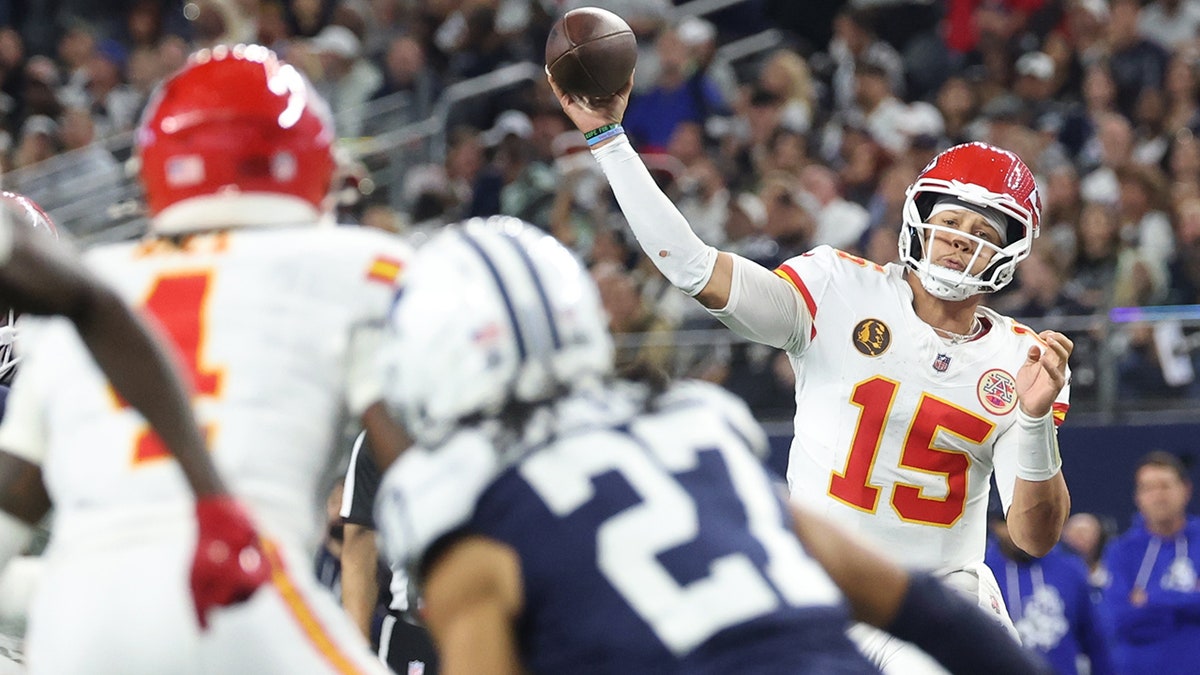
Despite the grim prognosis for the remainder of the 2025 season, a beacon of hope emerged in the form of a short, yet incredibly significant, video clip posted by the Kansas City Chiefs on X. Titled "QB1 back in the lab," the six-second footage offered a tantalizing glimpse into Mahomes’ rehabilitation journey. The video depicted the superstar quarterback dropping back and uncorking a football, a familiar and reassuring sight for fans. While he was seen wearing a black compression sleeve on his injured leg, his throwing motion appeared fluid, and his overall demeanor suggested a determined focus on his recovery. This brief visual provided tangible evidence of his commitment to returning to the field and fueled optimism that he was making substantial progress in his arduous rehabilitation process. The Chiefs’ decision to share this clip was a strategic move, aimed at maintaining fan engagement and morale during a challenging period.
Mahomes himself addressed his recovery in January, offering a more detailed account of his progress. Speaking with a characteristic blend of optimism and realistic assessment, he expressed confidence in his rehabilitation. "Rehab is going great so far," Mahomes stated. "I’ve been hitting all the checkpoints that the doctor wants you to do and getting the strength and the range of mobility back." He elaborated on the diligent work being done with the Chiefs’ athletic training staff, specifically mentioning Assistant Athletic Trainer Julie Frymyer, who he credited with pushing him effectively. "The doctor kind of gives you goals to get to, and I just try to maximize those, and they hold me back because I always want to go a little bit further," Mahomes explained, highlighting his relentless drive to return to full capacity.
His primary objective, as he articulated, is to be "ready for Week 1" of the 2026 season. While acknowledging the doctor’s assessment that this is a feasible timeline, Mahomes also tempered expectations by admitting the unpredictability of the recovery process. "I can’t predict what’s going to happen throughout the process, but that’s my goal, so I’ll try to prepare myself to be ready to play in that Week 1 and have no restrictions," he declared. This statement underscored his ambition to not only return but to do so at a level that allows him to contribute fully to the team’s success without limitations. The quarterback also expressed his eagerness to participate in offseason activities. "Obviously, I hope to be able to do some stuff in OTAs and get to training camp and hopefully be able to do a lot there," he added, signaling his intention to be actively involved in the team’s preparation for the upcoming season. "I’m excited for the process. It’s a long process, but I’m excited for it." This forward-looking perspective, coupled with his dedicated rehabilitation efforts, painted a promising picture of his eventual return to the gridiron.
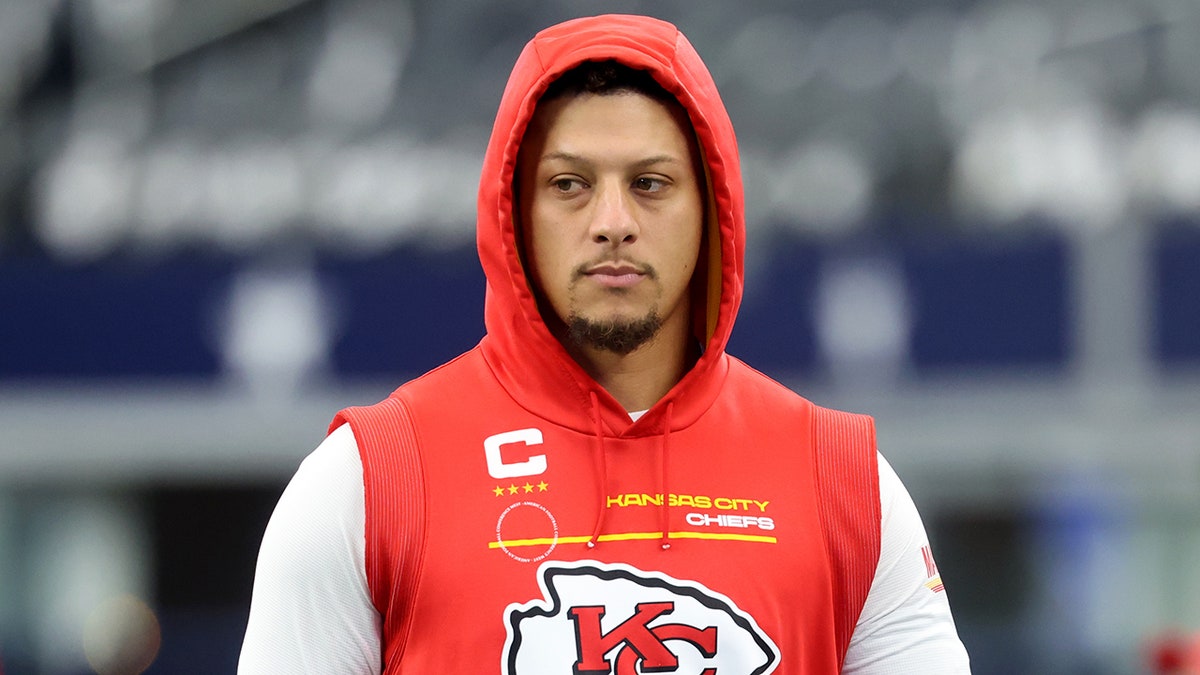
The Chiefs’ organizational response to Mahomes’ injury extended beyond mere hope and rehabilitation updates. Recognizing the void left by their franchise quarterback, the team made a significant proactive move to bolster their quarterback depth. Earlier in the month, the Chiefs orchestrated a trade to acquire quarterback Justin Fields. This acquisition of Fields, a dynamic and highly touted player in his own right, demonstrated the team’s commitment to maintaining competitiveness even in Mahomes’ absence. Fields, who possesses a strong arm and impressive rushing ability, offers a different but equally exciting dimension to the Chiefs’ offense. His presence provides a capable backup option and allows the team to continue running a potent offensive scheme, potentially mitigating the impact of Mahomes’ extended absence. The trade for Fields signals a strategic approach to navigating the challenges posed by Mahomes’ injury, ensuring that the team remains prepared for the rigors of the NFL season.
The context of Mahomes’ injury is crucial to understanding its profound impact. The 2025 NFL season was already shaping up to be a critical juncture for the Kansas City Chiefs. Coming off a successful run of seasons, the team was vying for continued dominance in a highly competitive AFC West division. Mahomes, a two-time MVP and Super Bowl champion, has redefined the quarterback position with his innovative playmaking and uncanny ability to elevate his teammates. His absence in the latter half of the 2025 season not only derailed their playoff hopes but also created a leadership vacuum that proved difficult to fill. The loss of his presence on the field extended beyond statistical production; it impacted the team’s overall morale, confidence, and strategic execution.
The recovery timeline for a torn ACL is not merely a matter of physical healing but also a complex process involving mental fortitude and gradual reintegration into the sport. Athletes often face the psychological challenge of regaining trust in their surgically repaired knee, especially when executing movements that carry a high risk of re-injury. This is where the expertise of sports psychologists and dedicated rehabilitation teams becomes paramount. Mahomes’ early statements suggest he is embracing this mental aspect of his recovery with the same intensity he applies to his physical training. His desire to participate in OTAs and training camp indicates a proactive approach to rebuilding that crucial trust and confidence in his body’s ability to withstand the demands of professional football.
Looking ahead to the 2026 season, the narrative surrounding the Kansas City Chiefs will undoubtedly be dominated by the return of Patrick Mahomes. The team’s success will hinge not only on his physical readiness but also on how effectively he can reintegrate into the team’s offensive system. The continuity provided by Justin Fields will be invaluable, allowing the Chiefs to maintain a level of offensive proficiency that might otherwise be unattainable. The strategic acquisition of Fields not only provides immediate depth but also offers a valuable asset that can be utilized in various offensive packages, even when Mahomes is fully healthy. This dual-quarterback strategy could prove to be a significant advantage for the Chiefs in the upcoming season, showcasing a forward-thinking approach to roster management and player development.
The injury to Patrick Mahomes serves as a stark reminder of the physical toll that professional football takes on its athletes. While the league has made strides in player safety and injury prevention, the inherent nature of the sport means that significant injuries will continue to occur. The resilience and dedication of athletes like Mahomes in overcoming these challenges are a testament to their commitment to their craft and their passion for the game. His journey back to the field will be closely watched by fans and analysts alike, serving as an inspiration to many and a compelling storyline for the 2026 NFL season. The ability of the Chiefs to adapt and remain competitive during his absence will also be a critical factor in their overall success, highlighting the importance of a strong supporting cast and effective coaching. The path ahead for Patrick Mahomes and the Kansas City Chiefs is one filled with anticipation, hope, and the unwavering pursuit of excellence.
