
 By admin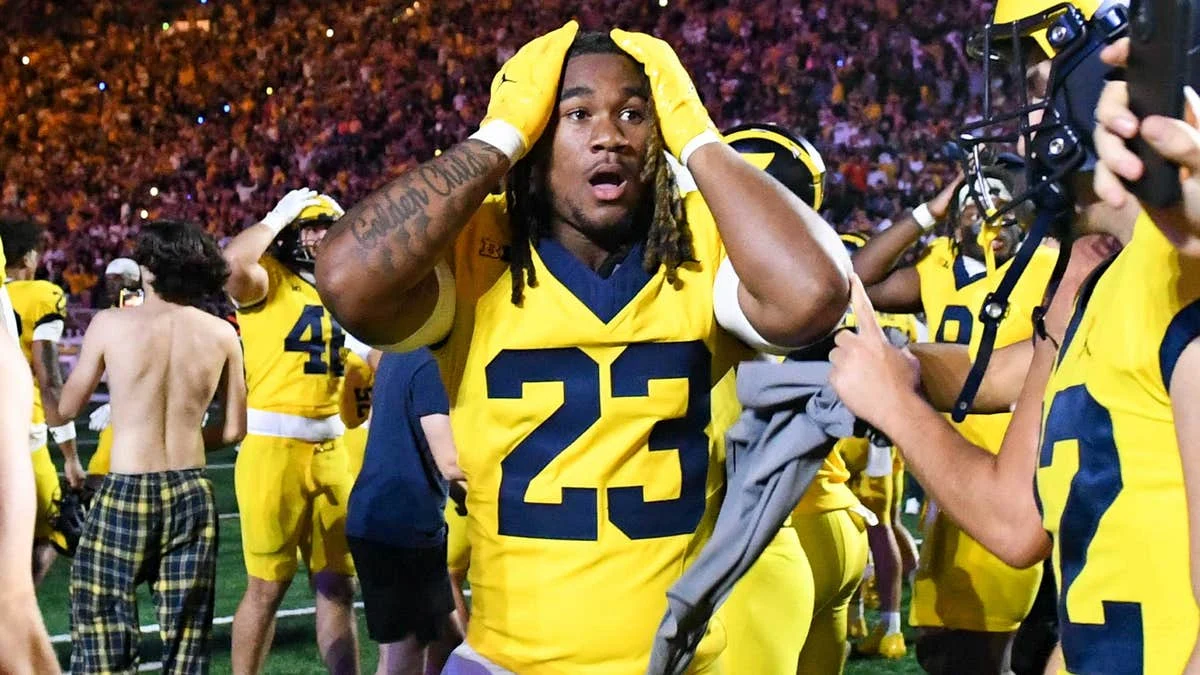
The dust has far from settled on the controversial finish to the Week 1 matchup between Western Michigan and Michigan. As Week 2 dawns, the debate surrounding the final seconds of the game, and the subsequent decisions made by officials and conferences, shows no sign of abating. Formal appeals have been lodged, statements have been issued, and the collective concern among fans and analysts alike continues to fuel a narrative of what-if that may forever overshadow the outcome. At the heart of the tempest lies a deceptively simple question: how much time was truly remaining on the clock when the game-deciding play unfolded? The definitive answer remains elusive, mired in a quagmire of conflicting clock displays, subjective interpretations, and the inherent limitations of instantaneous replay review. Despite the fervent appeals, the official verdict stands: no further action will be taken, and the league offices will not intervene to alter the game’s result.
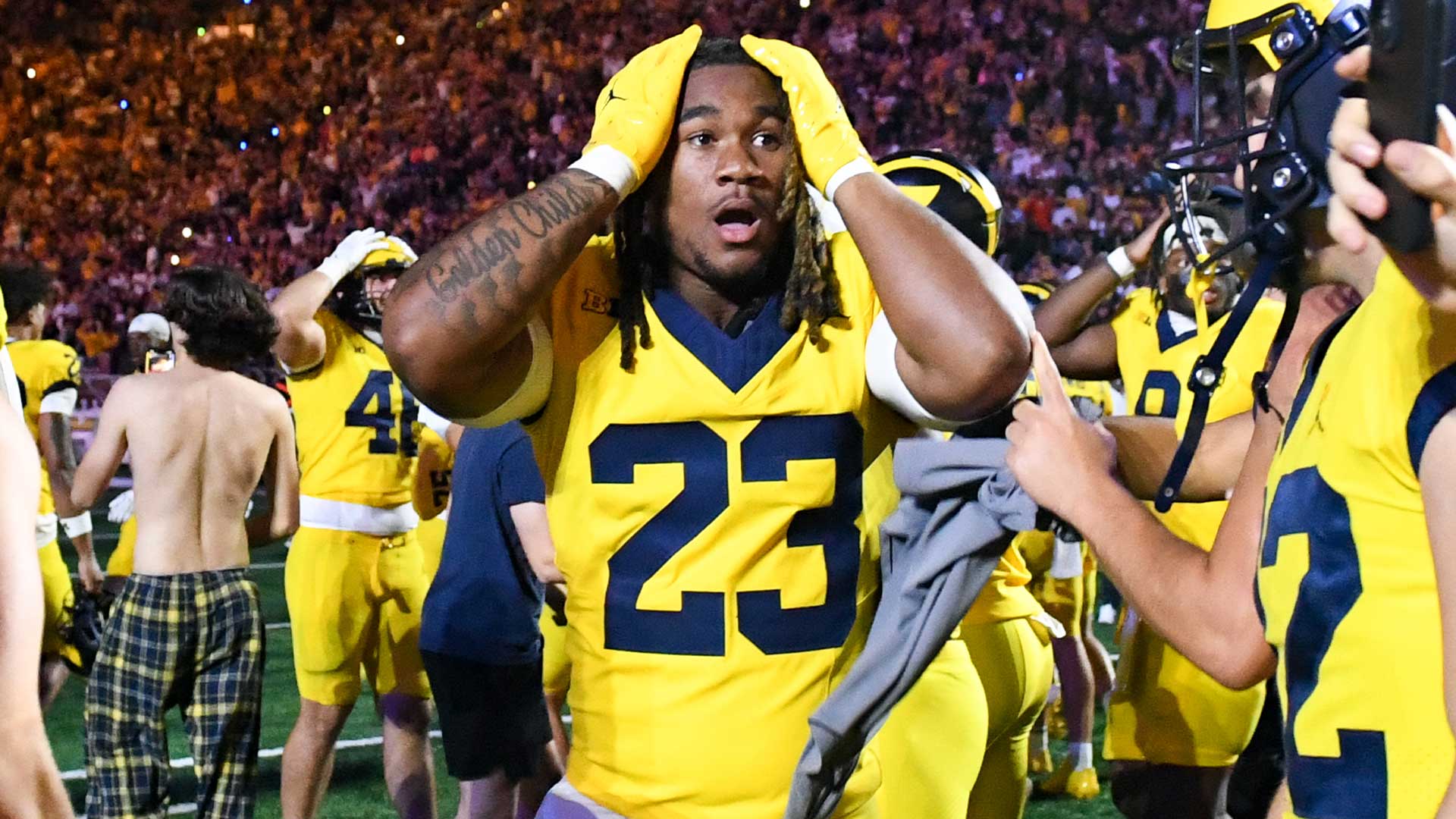
The saga began on a tension-filled Saturday night in Ann Arbor. Michigan, a powerhouse program and a formidable favorite entering the contest, found themselves in an uncomfortably tight battle against their in-state rivals, Western Michigan. The Broncos, embodying the spirit of an underdog, refused to be intimidated, at one point staging an impressive comeback to lead the Wolverines 12-6. The prospect of one of the biggest upsets in Western Michigan program history loomed large, the air thick with anticipation and the possibility of a seismic upset.
As the clock wound down, seemingly towards zero, Michigan quarterback Bryce Underwood, a highly touted prospect whose arm strength would become a focal point of the controversy, unleashed a desperation Hail Mary pass. The ball, a soaring spiral, arced towards the end zone, a chaotic scene unfolding beneath it as players from both teams vied for possession. The initial sight on the television broadcast was unequivocal: the clock had hit zero. The game, it appeared, was over.
However, in the hyper-scrutinized world of modern sports officiating, appearances can be deceiving. Replay officials, tasked with dissecting every millisecond, convened to review the preceding play. Their deliberation, aided by advanced replay technology, led to a pivotal determination: one second remained on the clock when the initial pass fell incomplete out of bounds. This controversial finding granted Michigan a final, albeit unexpected, opportunity. Underwood, seizing the reprieve, launched another audacious Hail Mary. This time, the ball found its intended target, JJ Buchanan, in the end zone as the clock officially expired, securing a dramatic and improbable victory for the Wolverines. This electrifying, yet contentious, final sequence immediately ignited a firestorm of debate that would reverberate throughout the college football landscape.
The fallout from the controversial call extended far beyond the immediate post-game reactions. On Saturday night itself, as the initial shockwaves of the game’s conclusion began to spread, coaches from both sides offered their perspectives. Michigan’s head coach, Kyle Whittingham, acknowledged the proximity of the clock’s expiration. "But as I looked, I knew it was close," Whittingham stated in his post-game press conference. "When the ball sailed back to the end zone, I glanced up at the clock, and it was just ticking to zero, and somebody had touched it. I didn’t know who had touched it, but apparently it was a defender that had already established an out-of-bounds position. I’m assuming they got it right. They looked at it and their technology that they have is very advanced, I guess." Despite emerging victorious, Whittingham’s measured response underscored the ambiguity of the situation, while also lending credence to the officials’ decision-making process.

Western Michigan coach Lance Taylor, on the other hand, focused on his team’s execution, or lack thereof, in the critical moments. "I know when I looked up at the clock, it was past zeros before we touched it," Taylor admitted. "I knew that they would review it. It was the last play of the game, and because we defended it so well, wasn’t worried or concerned about our guys going out and defending it the second time. Unfortunately, we did not defend it as well the second time." Taylor’s candid assessment highlighted the fine margins that often separate victory and defeat in football and implicitly acknowledged the subjective nature of the review.
The gravity of the situation prompted official statements from both the Mid-American Conference (MAC), Western Michigan’s league, and the Big Ten Conference, Michigan’s conference. While both statements aimed to validate the officiating crew’s decision, the mere fact that such pronouncements were deemed necessary underscored the controversy’s significance. Initially, both conferences, and seemingly both teams, appeared to accept the outcome, despite the lingering questions surrounding the clock. This acceptance, however, proved to be a temporary ceasefire in the unfolding controversy.

The narrative took a significant turn on Sunday when NBC Sports, broadcasting the Washington vs. Washington State game, addressed the controversy directly. During the broadcast, host John Fanta delivered a statement on behalf of the network, emphasizing a crucial distinction: television graphics are not the ultimate arbiters of official game time. "Now, the official time of the game is kept by the Big Ten," Fanta explained to viewers. "Our cameras are not the official arbiter of timekeeping within the game. That is the Big Ten and game officials’ responsibility. After the game last night, the Big Ten released a statement and raw video from its replay process that showed how and why the decision was made." This clarification aimed to reassert the authority of the conference and on-field officials in determining game time, while implicitly acknowledging the public’s reliance on broadcast clocks.
Monday brought further analysis from prominent voices in the sport. FOX Sports rules analyst Mike Pereira, a highly respected authority on football officiating, joined "The Joel Klatt Show" to dissect the controversial call. Pereira offered insight into the specific protocol followed, explaining why Big Ten officials may have relied on television footage despite potential discrepancies with their internal clocks. "The official replay officials have been told that if there is a discrepancy, use the television footage," Pereira stated. "Do not use your footage in the command center. Use the footage that 10 million people are watching, not the one that’s three." Pereira, while defending the officials’ decision-making in real-time given the available information, expressed reservations about the review process itself. He suggested that the replay officials might not have adhered to standard protocol by not reviewing the television copy that was accessible to the public. "When it’s all said and done, that’s what should have happened, and there shouldn’t have been another play," Pereira opined, implying that the decision to award the extra second may have been flawed.

The most significant development occurred on Tuesday when the MAC reversed its earlier stance and decided to appeal the ruling. MAC Commissioner Jon Steinbrecher released a statement asserting that the proper replay protocol had not been followed in the crucial final moments of the game. This appeal signaled a concerted effort by Western Michigan and its conference to have the game’s outcome overturned. However, the appeal faced a significant hurdle. The NCAA’s Football Bowl Subdivision Oversight Committee, after a thorough review, ultimately denied the MAC’s appeal. Their ruling was based on the fundamental principle that the committee does not possess the authority to alter the final score or outcome of a completed game.
Consequently, despite the ongoing controversy and the passionate arguments put forth by Western Michigan and the MAC, Michigan officially remains the victor of the Week 1 contest. The "what-if" game, as it has been dubbed, will likely serve as a cautionary tale and a point of contention for seasons to come. The incident highlights the complexities of officiating in high-stakes situations, the reliance on imperfect technology, and the sometimes-unyielding nature of official rulings, even when faced with widespread doubt and fervent appeals for reconsideration. As both Michigan and Western Michigan prepare for their Week 2 schedules, the shadow of that disputed final second will undoubtedly linger, a stark reminder of how a single tick of the clock can shape the narrative of an entire season. The debate also raises broader questions about the transparency and consistency of replay reviews in college football, and whether the current system adequately serves the integrity of the game. The reliance on television footage, while seemingly democratic, also introduces variables such as camera angles, frame rates, and potential editing, further complicating the pursuit of absolute certainty. The case of Western Michigan vs. Michigan serves as a compelling case study in the challenges of modern sports officiating, where technological advancements, while offering new tools, do not always provide definitive answers, leaving room for lingering questions and perpetual debate. The controversy also underscores the passionate engagement of college football fans, who dissect every detail and demand accountability from both teams and their governing bodies. The sheer volume of discussion and analysis generated by this single game’s ending is a testament to the sport’s cultural significance and the deep emotional investment it inspires.
