
 By Rifan Muazin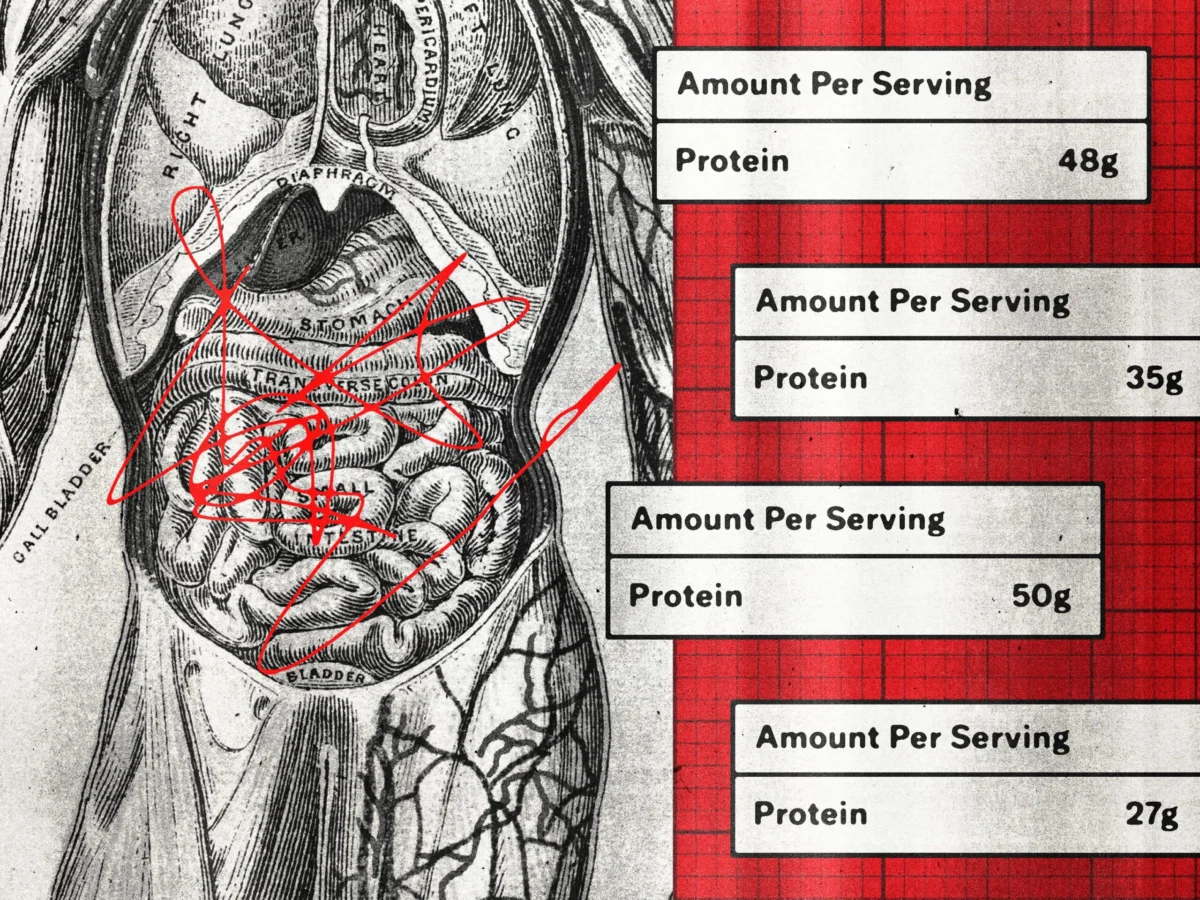
In the contemporary landscape of health and fitness, protein has ascended to a status of near-unassailable virtue. Often championed by social media influencers and wellness gurus under the banner of "proteinmaxxing," the macronutrient is celebrated for its ability to facilitate muscle hypertrophy, stabilize blood glucose levels by curbing cravings, and accelerate post-workout recovery. However, for a specific and growing segment of the population, this dietary obsession is fraught with biological complexity. For the approximately three million Americans living with inflammatory bowel disease (IBD)—a category primarily comprising Crohn’s disease and ulcerative colitis—the pursuit of a high-protein lifestyle is not merely a matter of hitting a daily gram target; it is a delicate balancing act between nutritional necessity and symptomatic catastrophe.
Inflammatory bowel disease represents a chronic, immune-mediated condition characterized by periods of intense inflammation within the gastrointestinal tract. In Crohn’s disease, this inflammation can occur anywhere from the mouth to the anus and often affects the entire thickness of the bowel wall. In ulcerative colitis, the inflammation is typically confined to the colon and the rectum, affecting the innermost lining. For these patients, the relationship with protein is inherently paradoxical. On one hand, the physiological toll of chronic inflammation, combined with the malabsorption issues common in Crohn’s, often necessitates a higher protein intake than the average sedentary adult. During active "flares," the body can enter a catabolic state where it breaks down muscle tissue for energy, leading to rapid weight loss and sarcopenia. On the other hand, the very sources and quantities of protein favored by the fitness industry can act as potent irritants to an already compromised gut lining.
The fundamental issue arises when the intake of protein exceeds the small intestine’s capacity for absorption. Under normal physiological conditions, proteins are broken down into amino acids by enzymes like pepsin in the stomach and proteases in the small intestine, where they are then absorbed into the bloodstream. "Most of the protein you eat is meant to be broken down and absorbed in the small intestine," explains Dr. Karan Rajan, a prominent gastrointestinal surgeon and the founder of LOAM. However, when an individual consumes an excessive amount of protein—particularly in the absence of sufficient dietary fiber—the surplus protein "spills" into the large intestine, or colon.
Once in the colon, this undigested protein undergoes a process known as proteolytic fermentation. Unlike the fermentation of fiber (saccharolytic fermentation), which produces beneficial short-chain fatty acids like butyrate that nourish the gut lining, proteolytic fermentation produces metabolic byproducts that can be toxic to the colonic environment. Adrian Hernandez, MS, RDN, a certified gastrointestinal dietitian nutritionist and owner of AEH Nutrition, notes that this process can overwhelm the body’s enzymatic resources. When the supply of pepsin and protease is exhausted, the resulting fermentation in the colon produces ammonia and hydrogen sulfide.
Hydrogen sulfide, in particular, is a double-edged sword. While produced in small amounts naturally, high concentrations are associated with the characteristic "sulfur" smell of flatulence and, more importantly, can cause direct damage to the colonocytes—the cells lining the colon. High levels of hydrogen sulfide can inhibit the oxidation of butyrate, effectively starving the colon cells of their primary energy source and weakening the mucosal barrier. For an IBD patient, whose mucosal barrier is already under siege by their own immune system, this additional chemical insult can trigger or exacerbate symptoms such as debilitating bloating, abdominal cramping, urgency, and diarrhea.
Given these risks, the question for the IBD community is not whether to consume protein, but how much and from what sources. Clinical consensus, as highlighted by Hernandez, suggests that those with IBD should generally target a range of 1.2 to 1.5 grams of protein per kilogram of body weight. This is significantly higher than the standard Recommended Dietary Allowance (RDA) of 0.8g/kg, reflecting the increased metabolic demands of tissue repair and the prevention of muscle wasting. However, exceeding this range without professional guidance can lead to the aforementioned "protein spillover" effect.
The source of the protein is perhaps even more critical than the quantity. Epidemiological data and clinical studies have consistently pointed to red meat—especially fatty cuts—as a significant "red flag" for those with Crohn’s or colitis. High consumption of red meat has been linked to an increased risk of IBD relapses and a higher baseline risk of developing the condition in the first place. The mechanism behind this is multi-faceted: the high saturated fat content can alter the gut microbiome and increase intestinal permeability, while the presence of heme iron may promote oxidative stress and inflammation in the gut. Furthermore, IBD patients already face a statistically higher risk of colorectal cancer due to chronic inflammation; adding a high intake of red meat, which is classified by the World Health Organization as a Group 2A carcinogen, creates a compounding risk profile.
Processed meats, such as deli cold cuts, bacon, and sausages, are even more problematic. These products are often laden with nitrates, sodium, and various preservatives that are inherently pro-inflammatory. For the IBD patient, these additives can act as "fuel on the fire," disrupting the delicate balance of the gut microbiota. Similarly, the "convenience" proteins that dominate the fitness market—bars, ready-to-drink shakes, and highly processed powders—are often Trojan horses for gut irritants. Many of these products contain emulsifiers (such as polysorbate 80 or carboxymethylcellulose), which have been shown in animal studies to thin the protective mucus layer of the gut. They also frequently utilize artificial sweeteners like sucralose or sugar alcohols like erythritol and xylitol, which can cause osmotic diarrhea and gas in sensitive individuals.
Conversely, "safe" protein sources for IBD management tend to be those that are easily digestible and anti-inflammatory. Dr. Rajan and other experts point toward lean animal proteins like skinless chicken, turkey, and eggs as the foundational elements of an IBD-friendly diet. Fish, particularly those high in omega-3 fatty acids like salmon, mackerel, and sardines, are highly recommended. Omega-3s possess natural anti-inflammatory properties that may help dampen the systemic inflammation characteristic of IBD.
The role of plant-based proteins presents another layer of complexity, often referred to as the "fiber paradox." Legumes, beans, and lentils are excellent sources of protein and beneficial fiber, but during an active flare, the high fiber content can be mechanically irritating to an inflamed bowel. Sophie Dolan, MS, RD, a dietitian specializing in IBD, suggests that patients experiment with "gentler" plant proteins like tofu or smooth nut butters, which provide the amino acid profile of plants without the roughage of whole beans. The strategy is to introduce these foods gradually during periods of remission to build microbial diversity without triggering a symptomatic episode.
Dairy remains a contentious topic in the IBD community. Historically, patients were often told to avoid dairy altogether, based on the assumption that lactose intolerance was universal among those with gut issues. However, modern research is painting a more nuanced picture. A 2024 meta-analysis of 37 studies found no definitive evidence that milk and dairy products worsen IBD outcomes for the majority of patients. In fact, some data suggests that fermented dairy products like yogurt and kefir might be protective, potentially due to their probiotic content which can help stabilize the gut microbiome. The consensus now is that dairy tolerance is highly individual; unless a patient has a confirmed lactose intolerance or a specific allergy, dairy can remain a valuable, high-quality protein source.
Ultimately, the management of protein intake in IBD is an exercise in "precision nutrition." Because the disease manifests differently in every individual—affected by the location of the disease, the current state of inflammation (flare vs. remission), and the presence of strictures or prior surgeries—there is no such thing as a universal "IBD diet." The end goal for any patient should be to move away from a fear-based relationship with food and toward a personalized framework.
Experts strongly recommend that IBD patients work with a registered dietitian nutritionist (RDN) who specializes in gastroenterology. Such a professional can help navigate the "reintroduction" phase of dieting, where common triggers are temporarily removed and then methodically reintroduced while tracking symptoms. Maintaining a detailed food and symptom log is perhaps the most powerful tool a patient has for identifying which protein sources are fueling their health and which are fueling their flares.
In a world that equates more protein with better health, the IBD community serves as a reminder that biological context is everything. While the "proteinmaxxing" trend may work for the metabolically healthy gym-goer, for those with Crohn’s or colitis, the path to strength is paved with moderation, high-quality lean sources, and a deep respect for the volatility of the human microbiome. By swapping the ribeye for salmon and the processed protein bar for a hard-boiled egg or a serving of Greek yogurt, patients can meet their nutritional needs without compromising their long-term remission.
