
 By Rifan Muazin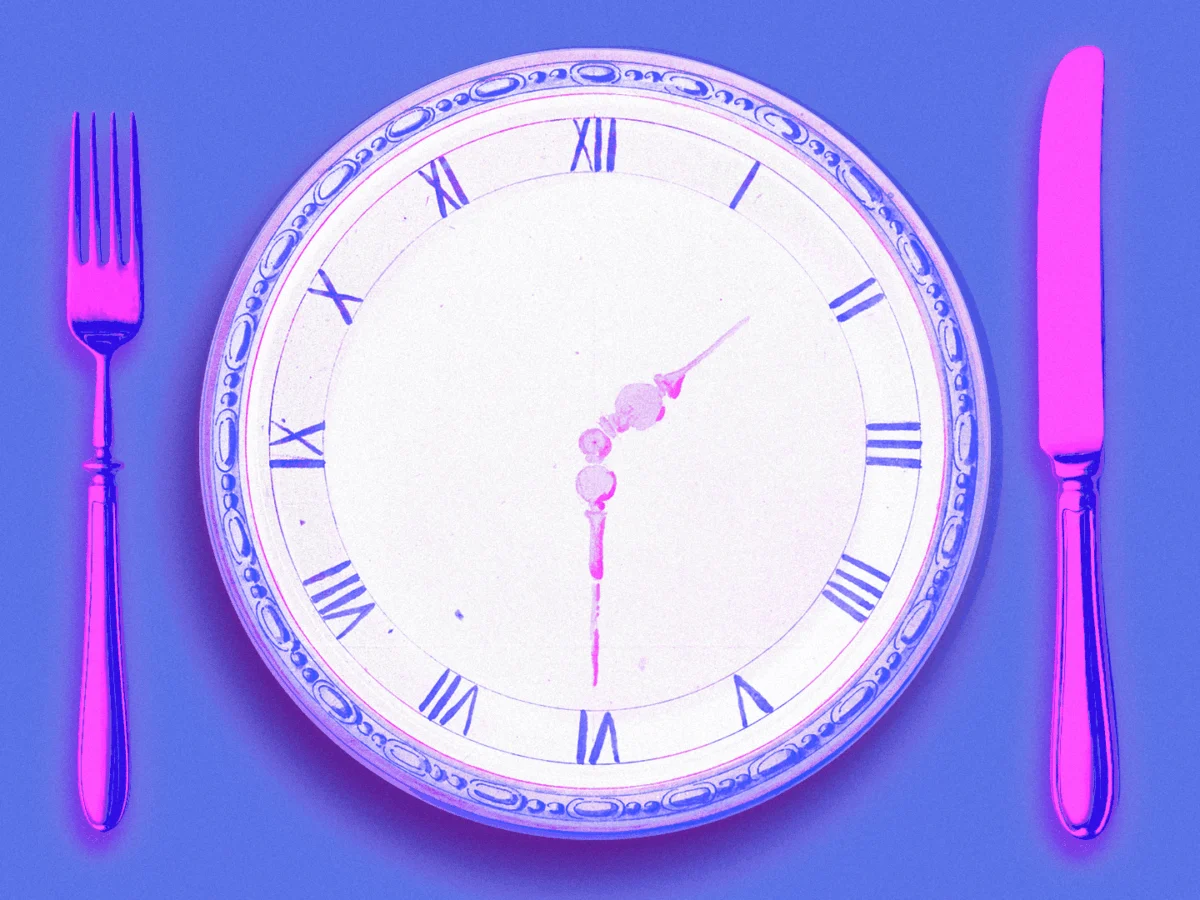
Every few years, with the predictable regularity of the seasons, intermittent fasting resurfaces in the public consciousness as the latest "must-try" dietary trend. It populates social media feeds, dominates health podcasts, and finds its way into the morning routines of tech moguls and fitness enthusiasts alike. Yet, for those within the scientific community, the fascination is somewhat perplexing. "It’s really interesting that it has held this kind of unusual fascination as a trend for so many years, as it isn’t anything new from a clinical nutrition perspective," observes Stacie Stephenson, DC, CNS, a prominent board member of the American Nutrition Association. While the marketing might feel modern, the practice of restricted eating is as old as humanity itself, rooted in both evolutionary necessity and ancient cultural traditions.
To understand why intermittent fasting (IF) remains a perennial topic of conversation, one must look past the flashy headlines. It is widely regarded by experts as one of the most beneficial and universally applicable nutrition strategies available to the modern human—but the caveat is that it is rarely useful for the reasons the general public assumes. "Do I consider intermittent fasting a weight loss diet? No, I don’t," Dr. Stephenson clarifies. "But I think it’s a really great tool." This distinction is critical. In an era where "dieting" is often synonymous with deprivation and short-term aesthetic goals, intermittent fasting offers a shift in perspective: it is not about what you eat, but when you eat, and more importantly, when you allow your body to stop processing fuel.
At its core, the mechanics of intermittent fasting are remarkably uncomplicated. "Intermittent fasting is as simple as not eating for half the day," says Dr. Stephenson. "For 12–14 hours of your day, you’re not consuming anything other than water. That is as simple as it is." In practice, this means designating a specific "window" for caloric intake and a corresponding "fasted" state. While popular variations like the 16:8 method (16 hours of fasting, 8 hours of eating) have gained traction, many nutritionists suggest that even a 12-hour break can provide significant benefits, provided the individual remains consistent.
The emergence of intermittent fasting as a formal concept was largely a response to the "grazing" culture of the late 20th and early 21st centuries. Ashley Koff, RD, a nutrition course director for UC Irvine’s Susan Samueli Integrative Health Institute, explains that the terminology was created to emphasize a fundamental biological truth that society had forgotten. "What became known as intermittent fasting was really the concept of a window in which you consume calories," Koff says. "It came about as a way to double down on explaining to people that you should not be consuming calories all the time."
The necessity for such "guardrails" is a direct byproduct of the industrialized era. For the vast majority of human history, food was scarce, and eating was restricted by the availability of daylight and resources. Today, we live in a world of 24-hour convenience stores and refrigerator-equipped homes, meaning the biological boundary between "feeding" and "fasting" has been almost entirely erased. This constant state of digestion prevents the body from entering its natural recovery mode. Koff notes that our bodies are not designed to process calories while they should be performing "cleanup work" and resting. By implementing a fasting window, individuals are essentially restoring law and order to their body’s core metabolic processes.
One of the most significant, though perhaps "boring," benefits of this practice is the rest it provides the digestive system. Dr. Stephenson explains that this "upstream intervention" has a cascading effect throughout the entire body, similar to a single domino setting off a complex Rube Goldberg machine. When the digestive tract is not constantly laboring to break down food, total body inflammation begins to subside. This reduction in inflammation is a cornerstone of "longevity"—a term Dr. Stephenson defines not as the pursuit of an impossibly long life, but as the pursuit of a more healthful one. This includes maintaining fitness, avoiding chronic illness, stabilizing energy levels, balancing hormones, and ensuring that insulin and blood glucose remain at optimal levels.
Despite these systemic benefits, the primary driver for the IF craze remains weight loss. This is where the gap between public perception and scientific reality is widest. "I’d say the biggest reason that people turn to intermittent fasting is for weight loss," Dr. Stephenson says. "It sounds like an easy fix. ‘Oh, I just don’t eat for 12 hours, and then I eat my normal diet—that’s led to the weight gain—in the other 12.’ That’s really faulty reasoning." The laws of thermodynamics still apply: weight loss is fundamentally a matter of calories consumed versus calories expended. Simply shifting the time of day those calories are consumed does not magically erase their caloric load.
Supporting this view is a landmark 2020 study published in JAMA Internal Medicine. Researchers tracked overweight adults who restricted their eating to an eight-hour window for 12 weeks. The results showed that these participants did not lose significantly more weight than a control group that ate throughout the day. The study concluded that time-restricted eating, in the absence of other dietary changes, is not a superior weight-loss strategy. However, IF can be an indirect aid to weight management by improving insulin sensitivity. Colin Robertson, PhD, a nutritionist and exercise physiologist at Zinzino, explains that by controlling the timing of food, you can "reignite" the body’s relationship with insulin, which helps regulate blood sugar and the hormones associated with fat storage and hunger.
The key takeaway for those seeking weight loss is that intermittent fasting is a supplement to, not a replacement for, a high-quality diet. "I’ve had a lot of people come in and be like, ‘I’m intermittent fasting, and I don’t know why I haven’t lost weight,’" says Koff. "You could do intermittent fasting and still drink too much, overeat, and not get enough fiber. If the quantity that you’re consuming, and the quality of what you’re consuming, isn’t also better for you, just addressing the timing is only one piece of the puzzle."
Beyond the physical metrics, many who adopt intermittent fasting report a surprising "side effect": heightened mental clarity. This is not merely a placebo effect. When the body is not diverted by the energy-intensive process of digestion, more resources are available for cognitive functions. Dr. Stephenson points out that the "brain fog" many people experience after a large meal is the result of glucose spikes followed by insulin surges. By extending the periods of stable blood glucose, IF can eliminate these cognitive dips, leaving the individual feeling sharper and more focused throughout the morning.
Furthermore, the timing of the fasting window can significantly impact sleep quality. By cutting off food intake several hours before bed, the body is able to focus on cellular repair and memory consolidation during sleep rather than digestion. Koff suggests that for those getting eight hours of sleep, adding a two-to-three-hour fasting buffer before bed ensures the body isn’t "working overtime" while it’s supposed to be recovering. This optimization of sleep efficiency has been shown to improve everything from decision-making to emotional regulation.
However, intermittent fasting is not a universal panacea. For certain populations, the restriction of food windows can be counterproductive or even dangerous. High-performance athletes, for instance, require precise nutritional timing to fuel intense workouts and facilitate rapid muscle recovery. "Whether you’re in training or actually competing, I think it’s really important to be more situational with your nutrition," Koff advises. For those training for marathons or trying to set personal records in the gym, food is functional fuel that often needs to be consumed in close proximity to physical exertion.
Similarly, intermittent fasting is generally discouraged for individuals in a state of active healing. This includes those recovering from surgery, managing a significant injury, or undergoing intensive medical treatments. In these scenarios, the body’s caloric and nutrient demands are often elevated and unpredictable. In such cases, Koff recommends working with a healthcare practitioner to develop a personalized nutrition plan that prioritizes the body’s immediate recovery needs over the long-term benefits of a fasting schedule.
Ultimately, the enduring popularity of intermittent fasting lies in its simplicity and its ability to act as a corrective force against the excesses of modern life. It is not a miracle cure for obesity, nor is it a shortcut to elite athleticism. Instead, it is a metabolic reset—a way to realign our biological clocks with a more natural rhythm. By respecting the "recovery window" and giving the digestive system the rest it deserves, individuals can unlock a suite of benefits that range from reduced inflammation to enhanced mental performance. As with any health strategy, the "trend" may fade, but the underlying science of intermittent fasting remains a foundational pillar of clinical nutrition.
