
 By admin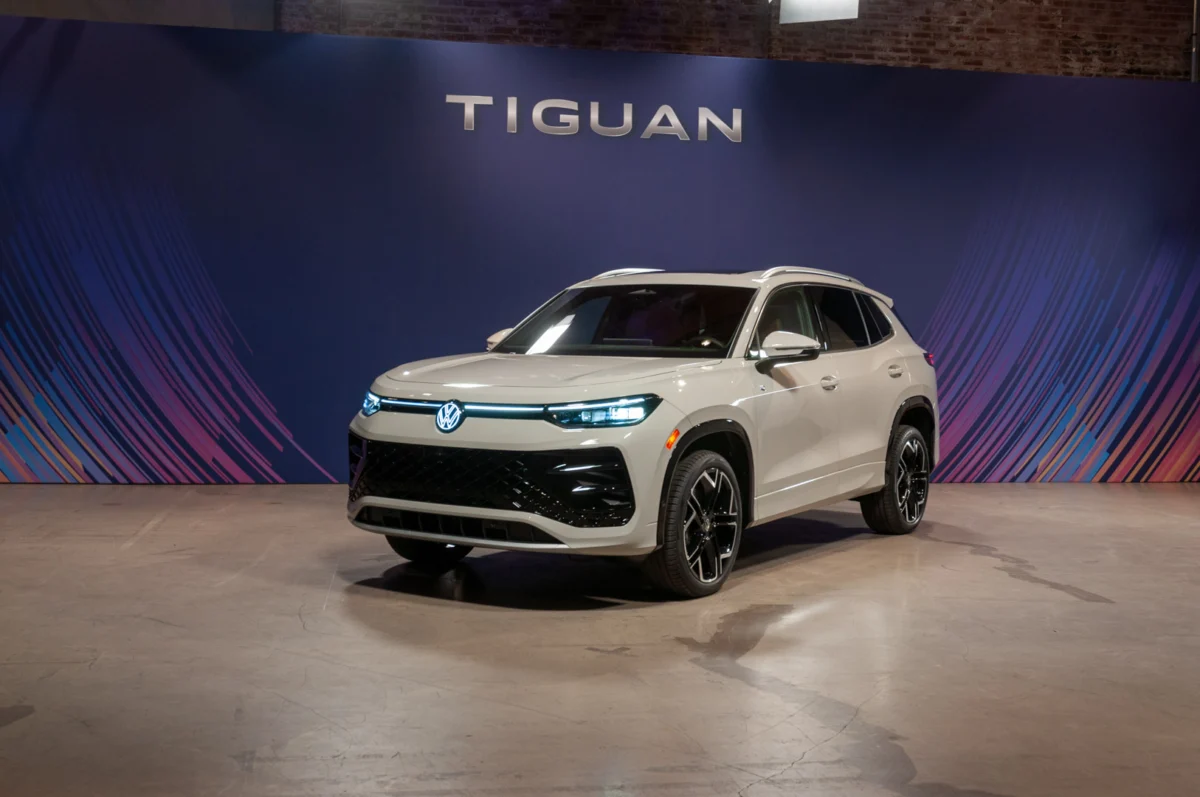
The starting price for the base Tiguan S grade with front-wheel drive is set at $30,920, which includes a mandatory $1,425 destination charge. This represents a modest increase of $615 over the outgoing model, a premium Volkswagen aims to justify through a blend of enhanced performance, a refreshed design, and a richer standard feature set. For this entry-level price, buyers will find the Tiguan S equipped with 17-inch alloy wheels, which contribute to both its aesthetic appeal and handling characteristics. Inside, the cabin introduces a modern digital experience with a 10.2-inch digital instrument cluster, effectively Volkswagen’s renowned Digital Cockpit, offering customizable displays for essential driving information. Complementing this is a larger 12.9-inch touchscreen infotainment system, now boasting wireless Apple CarPlay and Android Auto integration for seamless smartphone connectivity. Cloth upholstery, known for its durability and comfort, covers the seats, providing a practical and inviting interior. This strategic pricing and feature packaging aim to keep the Tiguan competitive in a fiercely contested segment, offering a compelling blend of German engineering and modern amenities right from the entry point.
Stepping up the ladder, the Tiguan SE, priced from $34,420 (including destination), builds upon the S trim with a suite of convenience and comfort upgrades designed to enhance the daily driving experience. Exterior enhancements include larger 19-inch wheels, which not only contribute to a more imposing stance but can also influence ride dynamics and road presence. Practical additions such as remote start and a power tailgate significantly improve user convenience, making loading and unloading cargo effortless and pre-conditioning the cabin from a distance a breeze. Inside, the ambiance is elevated with multi-color ambient lighting, allowing occupants to personalize the mood of the cabin, alongside an auto-dimming rearview mirror for improved night driving safety. Driver comfort is prioritized with a power-adjustable driver’s seat, enabling precise ergonomic positioning, while the shift to leatherette upholstery provides a more premium feel, offering the look and much of the tactile experience of leather with added durability and ease of cleaning. This trim level typically appeals to a broader range of buyers seeking a more refined and feature-rich package without reaching the pinnacle of luxury.
For those desiring a sportier aesthetic and a more distinctive presence, the SEL R-Line Black grade enters the lineup at $36,880. The R-Line designation in Volkswagen’s nomenclature signifies a focus on dynamic styling, drawing inspiration from the brand’s performance heritage. This trim features an aggressive body kit, enhancing the Tiguan’s exterior lines and aerodynamics, paired with striking 20-inch wheels that command attention. A carefully curated mix of dark and chrome exterior and interior trim elements further distinguishes this model, creating a sophisticated yet assertive visual identity. A standard panoramic sunroof, a highly sought-after feature, adds to the sense of spaciousness and allows for an open-air driving experience, appealing to customers who value both style and an elevated interior environment.
Crowning the range is the SEL R-Line grade, priced at $41,180. This top-tier model encompasses all the visual upgrades of the R-Line Black, ensuring a commanding presence on the road. However, its true distinction lies in its lavish interior appointments and advanced technology. The centerpiece of the cabin is a massive 15.0-inch touchscreen infotainment system, offering an expansive and intuitive interface for navigation, entertainment, and vehicle settings. This large display sets a benchmark in the segment, providing a truly immersive digital experience. Audiophiles will appreciate the inclusion of a 12-speaker Harman Kardon audio system, meticulously engineered to deliver a rich, clear, and powerful sound experience throughout the cabin. Comfort is paramount with a three-zone climate control system, allowing individualized temperature settings for the driver, front passenger, and rear occupants, ensuring optimal comfort for everyone on board. The front seats are elevated to a luxury standard, featuring memory functions for personalized settings and an integrated massage function, designed to reduce fatigue on long journeys. Power adjustment for the front passenger seat adds another layer of convenience and premium feel, while genuine leather upholstery completes the opulent interior, providing a luxurious tactile experience that solidifies the SEL R-Line’s position as a near-luxury contender in the compact SUV market.
Underneath the redesigned exterior, all 2025 Tiguan models share a common powertrain, building on a proven foundation while delivering enhanced performance. The heart of the new Tiguan remains Volkswagen’s ubiquitous 2.0-liter turbocharged inline-four engine, part of the venerable EA888 engine family. This engine has a long-standing reputation for its balance of power, efficiency, and reliability across numerous Volkswagen Group vehicles. While the engine architecture is familiar from the previous generation, Volkswagen engineers have coaxed an additional 17 horsepower from it, bringing the total output to a robust 201 hp. This increase is expected to translate into more confident acceleration, improved highway passing capabilities, and an overall more engaging driving experience. The engine is mated to an 8-speed automatic transmission, a refined unit known for its smooth shifts and efficient power delivery, contributing to both driving comfort and fuel economy.

Beyond the power bump, one of the most significant engineering achievements for the 2025 Tiguan is its substantial weight reduction. Volkswagen claims the new model is 170 pounds lighter than its predecessor. This reduction in curb weight is a multi-faceted benefit, positively impacting several key performance metrics. A lighter vehicle inherently boasts improved fuel efficiency, reducing running costs for owners. It also contributes to better handling dynamics, making the Tiguan feel more agile and responsive on twisty roads. Furthermore, reduced weight often leads to quicker acceleration and shorter braking distances, enhancing both performance and safety. While specific details on how this weight was shed are not fully disclosed, it likely involves optimizations in the MQB Evo platform, which underpins the new Tiguan, alongside the strategic use of lighter materials in its construction.
All-wheel drive, marketed as 4Motion by Volkswagen, remains a crucial option for Tiguan buyers, especially those in regions with inclement weather or who desire enhanced traction and stability. It is available as a $1,500 option on the base S and the SEL R-Line Black grades, although AWD for the latter will have late availability, suggesting a staggered rollout. On the SE grade, the 4Motion system is a more affordable $980 option, making it an attractive upgrade for many. As expected for a flagship trim, all-wheel drive comes standard on the top-tier SEL R-Line, reinforcing its premium positioning and capability. The 4Motion system intelligently distributes power between the front and rear wheels, optimizing grip in various driving conditions, from slippery roads to light off-road excursions.
Perhaps the most impactful change for the North American market is the complete removal of the third-row seat option. The previous generation Tiguan was unique in its segment for offering a cramped, albeit available, seven-seat configuration. Volkswagen’s decision to drop this option signals a strategic pivot, likely informed by market research indicating that few buyers truly utilized the third row effectively, or that those who did were ultimately underserved by its limited space. This move allows the 2025 Tiguan to fully embrace its role as a spacious and comfortable five-passenger compact SUV, optimizing second-row legroom and cargo capacity. For customers requiring three rows of seating, Volkswagen now directs them towards its larger SUV offerings, such as the mid-size Atlas and Atlas Cross Sport, which are purpose-built for family hauling with genuinely usable third-row accommodations. This simplification streamlines manufacturing and allows the Tiguan to compete more directly with five-seat rivals, avoiding the compromises inherent in shoehorning extra seats into a compact platform.
Beyond the core mechanicals and seating configuration, the 2025 Tiguan is poised to impress with its advanced technology and refined interior. The new MIB4 infotainment platform, underpinning the larger touchscreens, promises faster processing speeds, more intuitive user interfaces, and potentially over-the-air update capabilities, ensuring the system remains current. The digital instrument cluster offers extensive customization, allowing drivers to prioritize information like navigation, driving data, or media playback. Crucially, the new Tiguan is expected to feature a comprehensive suite of driver-assistance technologies, likely branded as IQ.DRIVE. While specific details for all trims were not explicitly outlined, standard features often include adaptive cruise control, lane-keeping assist, blind-spot monitoring, rear cross-traffic alert, and forward collision warning with automatic emergency braking. These systems enhance safety and reduce driver fatigue, aligning the Tiguan with modern expectations for connected and protected driving. The interior design ethos emphasizes clean lines, high-quality materials, and a driver-centric layout, reflecting Volkswagen’s commitment to ergonomic excellence and aesthetic appeal.
The compact SUV segment in North America is arguably the most competitive in the automotive industry, populated by formidable rivals such as the Subaru Forester, Toyota RAV4, Honda CR-V, Mazda CX-5/CX-50, Hyundai Tucson, Kia Sportage, and Nissan Rogue. To stand out amidst such a strong field, the 2025 Tiguan will need to leverage its strengths effectively. Its European driving dynamics, characterized by a refined ride and responsive handling, often differentiate it from some competitors. The enhanced powertrain and significant technology upgrades, particularly the large infotainment screens and available luxury features, position it strongly against contenders. However, it faces a challenge in shedding its previous identity as a seven-seater option for those who valued that flexibility.
With sales slated to begin early this summer, the 2025 Volkswagen Tiguan arrives at a pivotal moment for the brand. It represents a renewed commitment to the internal combustion engine (ICE) market, even as Volkswagen heavily invests in its electric vehicle (EV) lineup. The success of the new Tiguan is crucial for maintaining Volkswagen’s market share and profitability in the highly lucrative compact SUV segment. Its blend of increased power, reduced weight, modern technology, and a more focused five-passenger interior configuration aims to offer a compelling package. Whether these improvements and strategic changes will be enough for the Tiguan to truly "stand out" and capture a larger slice of the market remains to be seen, but Volkswagen has certainly equipped it with the tools to make a strong impression.
