
 By admin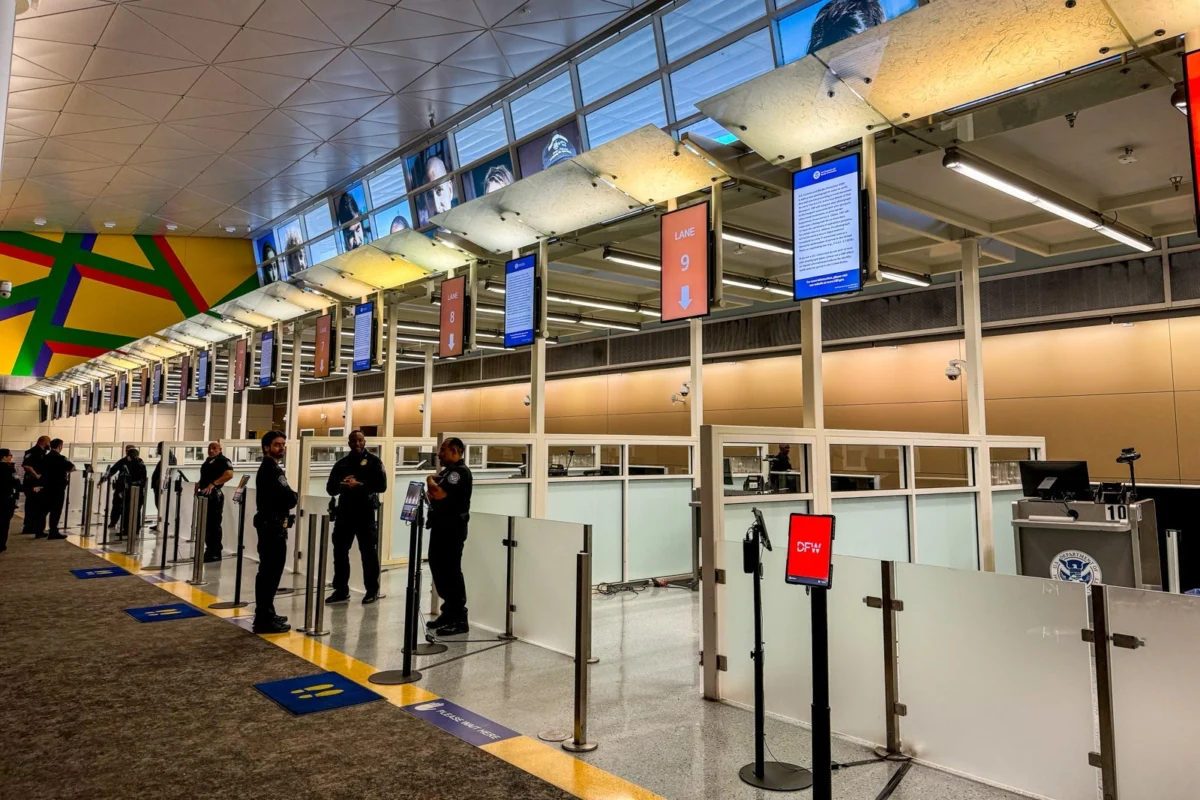
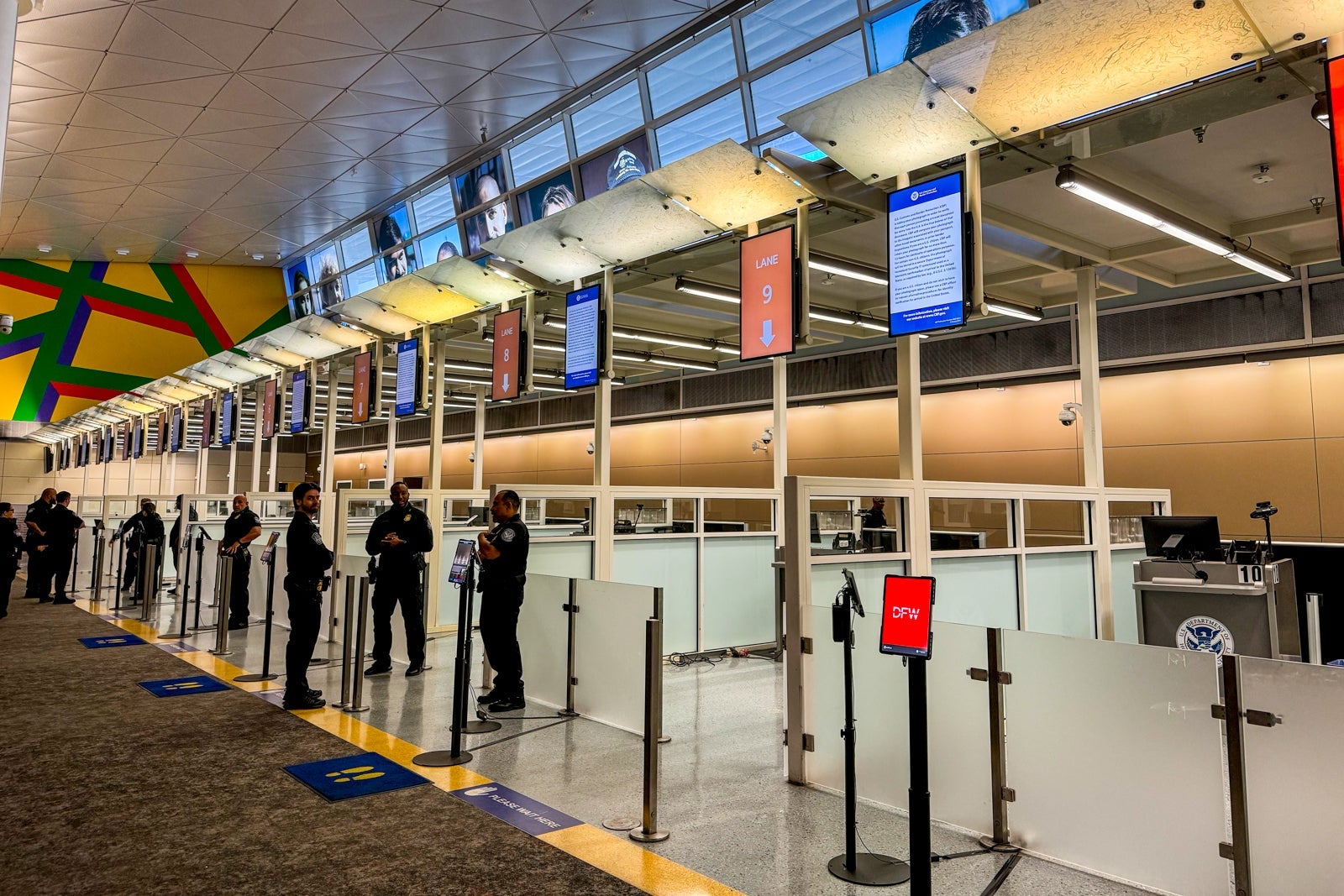
For decades, the standard operating procedure for international travelers arriving in the United States has been defined by a grueling, multi-step ritual often referred to by frequent flyers as the "re-check gauntlet." After enduring a long-haul flight across the Atlantic or Pacific, passengers landing at a U.S. gateway with a domestic connection are traditionally forced to disembark, clear passport control, wait at a carousel to reclaim their checked luggage, carry that luggage through a customs checkpoint, drop it off again at a transit counter, and then—perhaps most frustratingly—stand in a Transportation Security Administration (TSA) line to clear security for a second time. This process, even in the best of circumstances, typically consumes 45 to 90 minutes, creating a massive bottleneck that dictates minimum connection times and increases the risk of missed flights.
However, a paradigm shift is underway. Through a series of innovative pilot programs launched by the TSA and U.S. Customs and Border Protection (CBP), the federal government is beginning to dismantle these barriers. By leveraging international partnerships, advanced imaging technology, and a philosophy of "comparable security standards," the U.S. is testing two major initiatives: One Stop Security (OSS) and International Remote Baggage Screening (IRBS). These programs represent a significant evolution in aviation security, moving away from a redundant "trust but verify" model toward a more integrated, data-driven global network.
The genesis of these changes lies in the recognition that security protocols in many developed nations are now as stringent as, or even more advanced than, those in the United States. Under the authority granted by Congress in the TSA Modernization Act and subsequent appropriations, the TSA and CBP have been empowered to enter into agreements with foreign governments to recognize their screening procedures as equivalent to U.S. standards. This "one-stop" philosophy is not merely a convenience for travelers; it is a strategic move to optimize airport throughput and allow security personnel to focus their resources on higher-risk inbound flights from regions with less robust oversight.

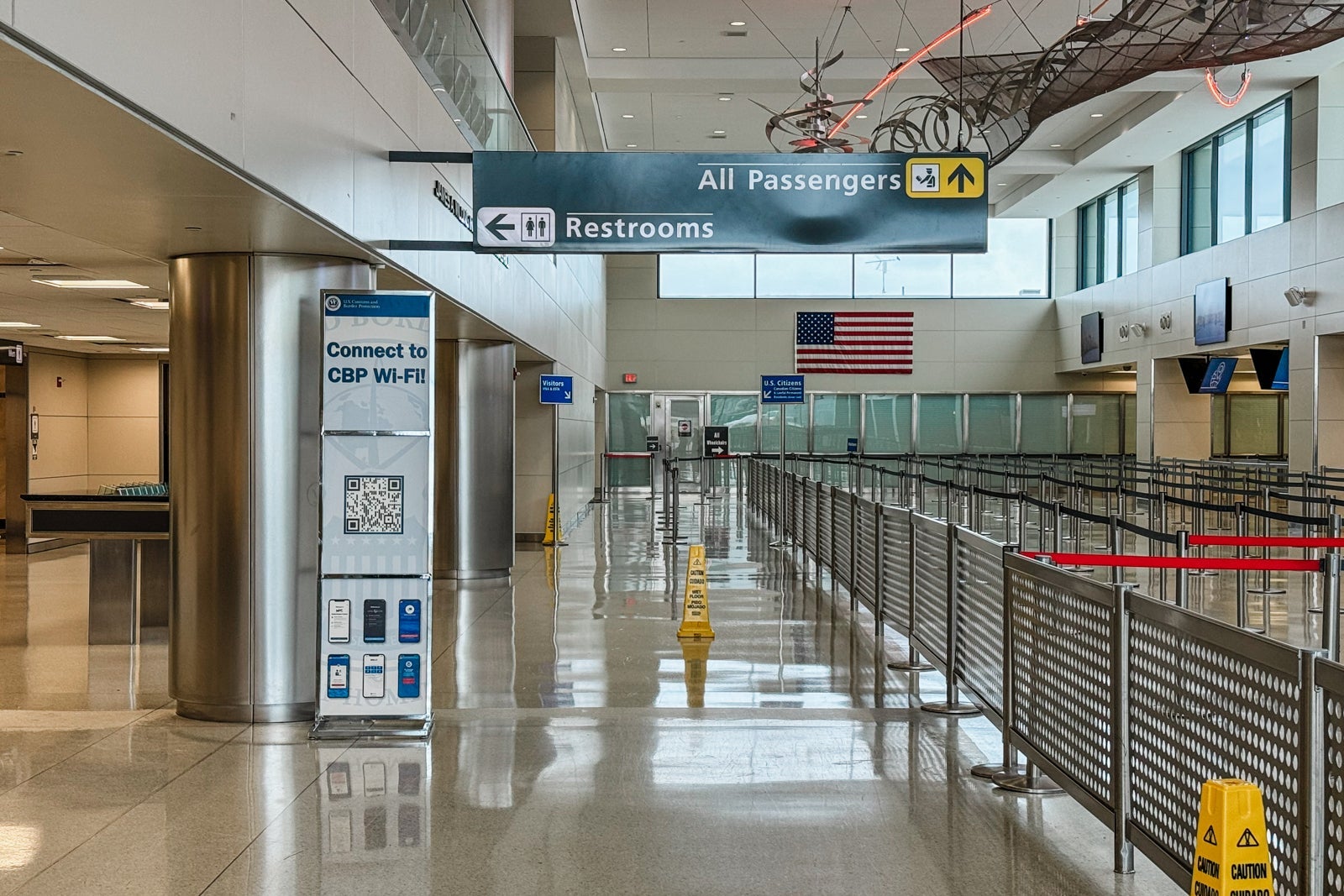
The One Stop Security program is perhaps the most visible of these improvements. Currently focused on the high-traffic corridor between the United Kingdom and the United States, OSS allows passengers to bypass the TSA re-screening process entirely when connecting to a domestic flight. Under this framework, the U.S. government has determined that the security screening conducted at London’s Heathrow Airport (LHR) meets all the requirements of a TSA checkpoint. When a passenger arrives at a participating U.S. hub from Heathrow, they clear passport control through an expedited "sterile" corridor and are funneled directly into the domestic departures terminal.
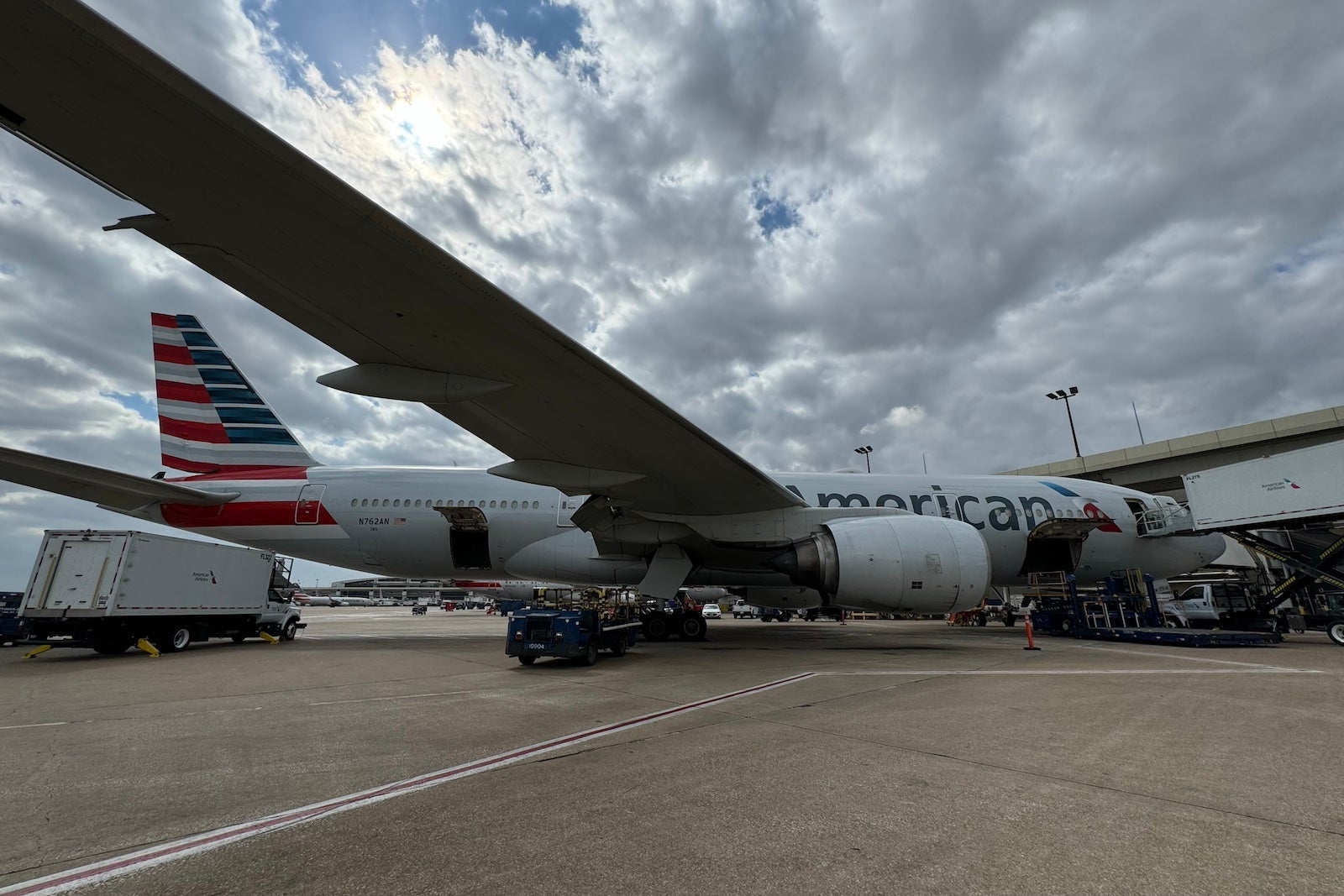
Currently, this program is operational for American Airlines and British Airways passengers flying from London Heathrow to Dallas Fort Worth International Airport (DFW), as well as Delta Air Lines and Virgin Atlantic passengers flying from London Heathrow to Hartsfield-Jackson Atlanta International Airport (ATL). The choice of DFW and ATL is no coincidence. As two of the world’s busiest airports and primary hubs for their respective "Big Three" airlines, these locations handle thousands of connecting international passengers daily. By eliminating the need for a second security screening, the TSA reduces the load on its domestic checkpoints, while airlines gain the ability to schedule tighter, more competitive connection windows.
The benefits are reciprocal. Passengers flying from ATL or DFW to London Heathrow can also skip the security re-check when connecting to a third destination in Europe or beyond. This bi-lateral trust reflects a deepening of the aviation security relationship between the U.S. and the U.K., potentially serving as a blueprint for future expansions into other major European hubs like Paris-Charles de Gaulle or Frankfurt.
Parallel to the efforts to streamline passenger movement is the International Remote Baggage Screening (IRBS) pilot program. While OSS focuses on the person, IRBS focuses on the suitcase. For many travelers, the most physically taxing part of an international arrival is the "luggage lug"—hauling heavy bags off a carousel only to hand them back to the airline ten minutes later. IRBS eliminates this step by allowing bags to be checked through to their final destination, much like a domestic connection.
The technical wizardry behind IRBS involves the digital transmission of X-ray and CT scan images. When a passenger checks a bag in a participating foreign city, such as Sydney or Seoul, the local security authorities scan the bag and immediately transmit those high-resolution images to TSA analysts in the United States. While the passenger is still over the ocean, TSA officers can review the contents of the luggage. If the bag is deemed "clear," it is automatically transferred from the international aircraft to the domestic connecting flight upon arrival in the U.S. If a bag requires a physical inspection, it is diverted to a secure area where CBP officers can perform a manual check without requiring the passenger to be present, provided the traveler has granted the necessary permissions during the check-in process.
As of mid-2024, the IRBS program has seen successful implementation on several key routes. United Airlines has pioneered the program for flights from Sydney Airport (SYD) to San Francisco International Airport (SFO), while American Airlines has launched similar protocols for its Sydney to Los Angeles (LAX) service. Across the Pacific, Delta Air Lines and its SkyTeam partner Korean Air have integrated IRBS for flights from Seoul’s Incheon International Airport (ICN) to Atlanta, Los Angeles, and Seattle-Tacoma International Airport (SEA).
The expansion into South Korea and Australia is particularly noteworthy. These nations are key strategic allies with highly sophisticated aviation sectors. Incheon International Airport, in particular, is frequently ranked among the best in the world for efficiency and technology. By integrating ICN into the U.S. security perimeter, the TSA is effectively extending its "borders" outward, creating a layered defense that begins thousands of miles away from American soil.
Industry analysts suggest that these pilot programs are a response to the growing competitive pressure from "Preclearance" airports. For years, cities like Dublin, Shannon, Nassau, and various Canadian hubs have offered U.S. Preclearance, where travelers clear all U.S. customs and immigration formalities before they ever leave the ground. While highly effective, Preclearance is expensive to maintain, requiring the permanent stationing of U.S. federal officers abroad. OSS and IRBS offer a more scalable, "light-touch" alternative that achieves similar efficiency gains without the massive infrastructure and personnel costs of a full Preclearance facility.
Furthermore, the data generated by these pilots provides the TSA with a wealth of information on "comparable" security. As more data is collected, the agency can refine its risk-assessment algorithms. For instance, if data shows that 99.9% of bags screened in Seoul are compliant with U.S. standards, the TSA may eventually move toward a "randomized" review process rather than a 100% image-review mandate, further accelerating the transit process.
However, the road to a global "one-stop" network is not without its challenges. The primary hurdle is the harmonization of prohibited items lists. While most global standards are aligned on explosives and weapons, there are often discrepancies regarding liquids, aerosols, and gels (LAGs) or certain types of electronic devices. For a country to join the OSS or IRBS programs, it must ensure its screening technology—such as Computed Tomography (CT) scanners that allow liquids and laptops to remain in bags—is compatible with U.S. software and regulatory requirements.
There is also the matter of geopolitical trust. The U.S. government must be confident that a partner nation’s airport employees are properly vetted and that their security protocols are not subject to political interference or corruption. This is why the initial rollouts have been limited to "Five Eyes" intelligence partners (UK and Australia) and key democratic allies like South Korea. Expanding these programs to hubs in the Middle East or Southeast Asia will likely require years of diplomatic negotiation and technical audits.
For the traveler, the advice is clear: when booking international travel with a U.S. connection, it is increasingly beneficial to look for routes that utilize these programs. A connection in Dallas from London is now objectively "faster" than a connection in New York or Chicago, simply due to the elimination of the security re-check. Similarly, flying from Sydney to San Francisco on United offers a more seamless experience than routes where one must still "claim and re-check" luggage.
As we look toward the future of aviation, the goal is "frictionless travel." The TSA and CBP’s pilot programs are the first major steps toward a world where an international flight feels no different than a domestic one. In the coming years, we can expect to see these programs expand to include more airlines—such as Qantas or British Airways’ partners—and more hubs, potentially including Tokyo-Haneda, Singapore-Changi, and major gateways in the European Union.
In conclusion, while the "re-check gauntlet" remains a reality for many, the walls are beginning to come down. The successful integration of One Stop Security and International Remote Baggage Screening marks a new era of international cooperation. By trusting the technology and personnel of our global partners, the U.S. is not just making travel easier; it is making the global aviation network smarter, more efficient, and ultimately more secure. The "worst part of international travel" is finally being engineered out of existence, one flight at a time.
