
 By admin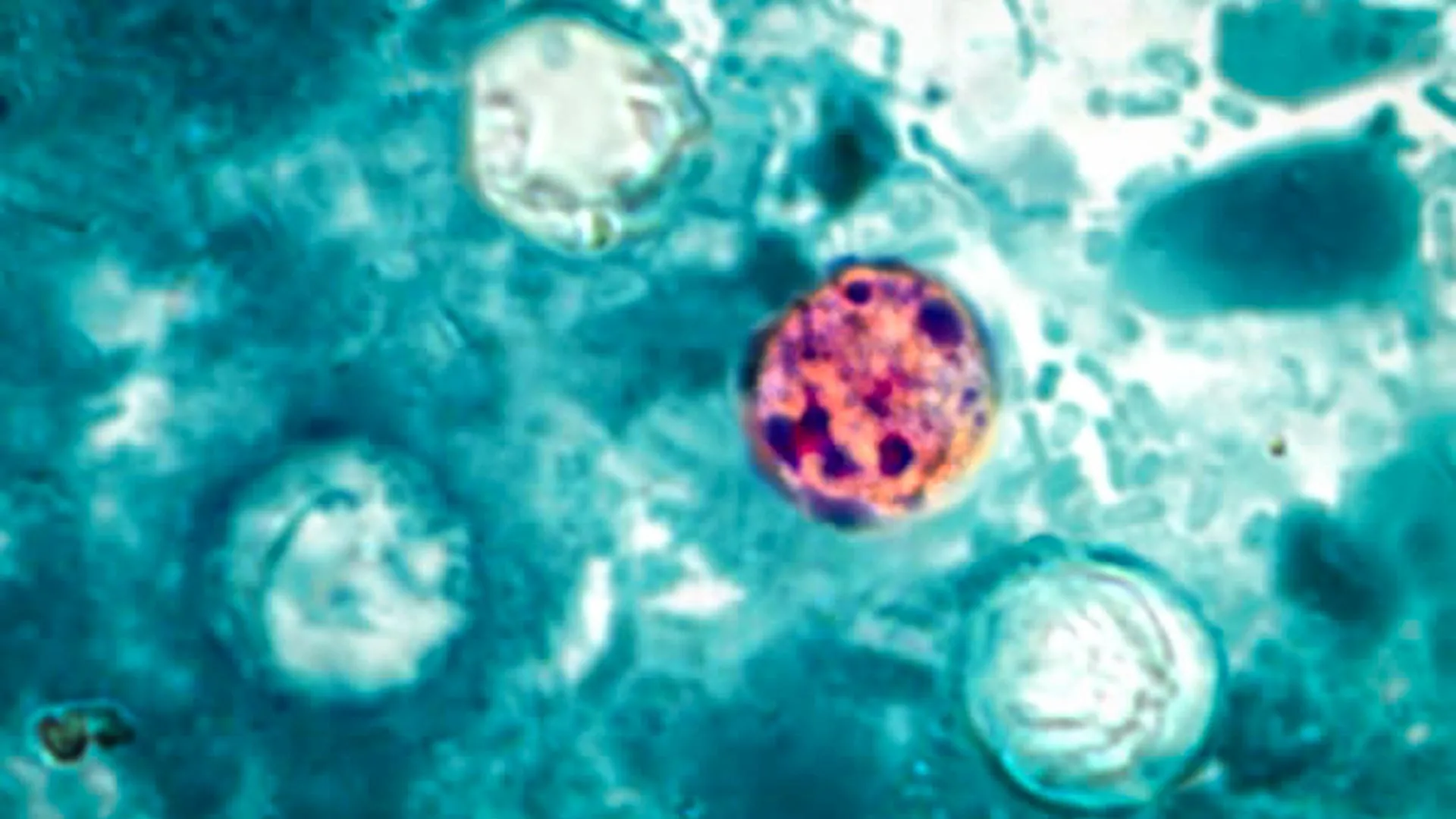
A significant public health challenge has emerged across the United States, with multiple outbreaks of cyclosporiasis currently under investigation by a collaborative network of state and federal health agencies. Among these, a particularly large outbreak has been reported, primarily impacting at least four Midwestern states. Public health officials are engaged in intensive efforts, conducting detailed interviews with affected individuals to meticulously reconstruct their dietary histories prior to symptom onset, a critical step in pinpointing the elusive source of contamination.
As of the latest reports, investigators have not yet confirmed a specific food item as the definitive source of this widespread illness. The complex nature of foodborne disease investigations, coupled with the unique characteristics of the Cyclospora cayetanensis parasite, means that health agencies are continuing to gather and analyze a broad spectrum of information in a concerted effort to identify what caused these clusters of illness. The challenge lies in the often-perishable nature of implicated foods, the sometimes lengthy incubation period of the parasite, and the intricate global food supply chain.
Cases Have Increased Since May: A Growing Concern
The CDC has voiced considerable concern regarding the notable rise in cyclosporiasis cases observed since the beginning of May. This increase is not confined to a single incident; in addition to the prominent multistate outbreak in the Midwest, federal and state officials are actively investigating several other distinct clusters of illness that have surfaced across various regions of the United States. This pattern suggests either a broader environmental contamination event, multiple unrelated sources, or a confluence of factors contributing to increased transmission.
Cyclosporiasis, while generally not life-threatening for most healthy individuals, can manifest as a debilitating illness. Symptoms can be severe, characterized by explosive diarrhea, abdominal cramps, nausea, fatigue, and weight loss, and in some cases, can persist for weeks or even months if left untreated. For vulnerable populations, such as young children, the elderly, or those with compromised immune systems, the infection can lead to profound dehydration and other complications requiring hospitalization. The CDC strongly advises anyone experiencing symptoms suggestive of cyclosporiasis to contact a healthcare provider promptly for diagnosis and appropriate management.
CDC and FDA Collecting Outbreak Data: A Multi-Agency Effort
The investigation into these cyclosporiasis outbreaks represents a significant collaborative undertaking involving the CDC, public health and regulatory agencies in numerous states, and the U.S. Food and Drug Administration (FDA). These entities are meticulously reviewing multiple types of information, ranging from epidemiological data gleaned from patient interviews to laboratory results and traceback information from the food supply chain. This multi-pronged approach is essential for piecing together the puzzle of foodborne outbreaks.
As of July 13, 2026, a concerning number of over 400 individuals infected with Cyclospora had been reported to the CDC in connection with the primary Midwestern outbreak. Cases have been specifically identified in Michigan, Ohio, West Virginia, and Kentucky. The CDC is also aware of additional illnesses that remain under rigorous investigation, underscoring the dynamic and evolving nature of the situation. Individuals linked to this particular outbreak reported becoming sick on or after June 22, 2026, providing a critical timeframe for investigators to focus their inquiries into potential exposure periods. The fact that the illness onset date is in 2026 indicates a forward-looking scenario, emphasizing ongoing vigilance for such outbreaks.
Actual Case Count May Be Higher: The "Iceberg Effect"
Health officials universally believe that the true number of illnesses associated with these outbreaks is likely significantly greater than the confirmed total. This phenomenon, often referred to as the "iceberg effect" in epidemiology, is common in foodborne disease outbreaks. Many infected people may experience mild symptoms, recover without seeking medical care, or are simply never tested for Cyclospora. Furthermore, there is an inherent lag in reporting and confirmation; recent illnesses may be missing from the official count because it can take several weeks for a case to be diagnosed, reported to public health authorities, and then epidemiologically linked to a specific outbreak. This delay can also mean the outbreak’s geographical reach may extend beyond the four states where cases have already been identified, as the parasite’s long incubation period allows for wider dissemination before symptoms even appear.
To aid in the crucial task of identifying the source of contamination, public health officials diligently collect comprehensive information from patients. This includes demographic details such as age, race, and ethnicity, alongside a detailed recall of the foods they consumed during the two weeks preceding their illness. These meticulous responses are instrumental in revealing common patterns or specific food exposures that can help investigators trace the contaminated food item back to its origin, whether it be a particular farm, distributor, or processing facility.
Understanding Cyclosporiasis: The Parasite and Its Impact
Cyclospora cayetanensis is a microscopic parasite that causes cyclosporiasis. Unlike bacterial or viral foodborne pathogens, Cyclospora is a protozoan. Humans become infected by ingesting food or water contaminated with sporulated oocysts of the parasite. These oocysts are not immediately infectious when shed in feces; they require several days to weeks to sporulate in the environment, particularly in warm, moist conditions, before they become capable of causing infection. This characteristic means direct person-to-person transmission is unlikely, and outbreaks are typically linked to contaminated produce or water sources.
Commonly implicated foods include fresh produce that is often eaten raw, such as various types of berries (raspberries, blackberries), leafy greens (lettuce, spinach), fresh herbs (basil, cilantro), and pre-packaged salads. The parasite is notoriously resistant to common disinfection methods, including chlorine-based washes often used in food processing, making its eradication particularly challenging once produce is contaminated. This resistance underscores the importance of stringent agricultural practices and robust international food safety standards, especially for imported produce.
Symptoms of cyclosporiasis typically include watery diarrhea, often explosive, accompanied by abdominal cramps, nausea, loss of appetite, weight loss, bloating, increased gas, and fatigue. Fever is uncommon. Symptoms usually appear about one week after infection, though the incubation period can range from 2 days to 2 weeks or even longer. Without appropriate treatment, symptoms can persist for several days, a month, or even longer, leading to chronic illness and significant discomfort. The standard treatment for cyclosporiasis is a course of antibiotics, specifically trimethoprim-sulfamethoxazole (TMP-SMX). For individuals allergic to sulfa drugs, alternative treatments may be considered, but options are limited.
Historical Perspective: Lessons from Past Outbreaks
Cyclosporiasis outbreaks have been a recurring public health concern in the United States and globally for decades. Notable past outbreaks have been linked to a variety of fresh produce. For instance, in the mid-1990s, large outbreaks were traced to imported Guatemalan raspberries. More recently, in the 2010s, multiple outbreaks were linked to various types of pre-packaged salads and fresh cilantro. These historical incidents highlight several critical points:
- Imported Produce: Many implicated foods are imported, complicating traceback efforts due to international supply chains and differing food safety regulations.
- Fresh Produce: The nature of Cyclospora transmission means that produce consumed raw is at highest risk.
- Seasonal Patterns: Cyclosporiasis cases often show a seasonal increase during spring and summer months, likely due to increased consumption of fresh produce and environmental conditions conducive to oocyst sporulation.
- Evolving Sources: While certain foods have been repeatedly implicated, the specific sources can vary, necessitating ongoing vigilance and investigation.
These past experiences inform current investigative strategies, emphasizing the need for comprehensive food history interviews, rapid laboratory testing, and robust inter-agency cooperation.
What To Do If You Have Symptoms: Prompt Action is Key
It is paramount that you contact your healthcare provider if you develop symptoms consistent with cyclosporiasis. As mentioned, symptoms can vary in intensity and usually appear about one week after infection, though the range can be from 2 days to 2 weeks or more. Early diagnosis and treatment are crucial to alleviate symptoms and prevent prolonged illness. Without treatment, symptoms may continue for several days, a month, or even longer, significantly impacting quality of life.
Help Investigators Find the Contaminated Food: Your Role in Public Health
Individuals who are diagnosed with cyclosporiasis play a vital role in the public health response. They may be contacted by local or state health officials who will conduct detailed interviews. Investigators will typically ask about the foods consumed during the two weeks before the onset of illness. Providing detailed and accurate information, no matter how insignificant it may seem, is incredibly helpful. Specifics about restaurant meals, grocery purchases, and even home garden produce can provide crucial clues that help health agencies identify the specific food item or source responsible for the outbreak. This patient-provided data, when aggregated, can reveal patterns that are otherwise impossible to discern.
How To Reduce Your Risk: Prevention Strategies
While investigations are ongoing, consumers can take proactive steps to reduce their risk of cyclosporiasis and other foodborne illnesses. Learning which foods are more likely to be associated with cyclosporiasis – particularly fresh, raw produce – is a good first step. However, it’s important to remember that Cyclospora is not easily removed by simple washing with water. While washing produce thoroughly under running water can help remove some contaminants, it may not eliminate all Cyclospora oocysts, which can adhere to surfaces. Therefore, consumers should:
- Wash hands thoroughly with soap and water before and after handling fresh fruits and vegetables.
- Wash all fruits and vegetables under running water, even if you plan to peel them. Scrub firm produce with a clean produce brush.
- Be aware that products labeled "pre-washed" may still carry risk.
- Avoid cross-contamination by keeping raw produce separate from raw meat, poultry, and seafood.
- Cook foods to their recommended internal temperatures, though many implicated foods for Cyclospora are eaten raw.
- Stay up to date on food recalls and outbreaks by regularly checking websites of the CDC and FDA. These alerts provide timely information on specific products that may be contaminated.
Guidance for Healthcare Providers: Enhancing Surveillance and Care
Healthcare providers are critical partners in the surveillance and control of cyclosporiasis outbreaks. It is imperative that healthcare providers report all confirmed cases of cyclosporiasis to their local health department. This reporting enables public health officials to monitor trends, identify potential outbreaks, and initiate investigations promptly.
Additional information about symptoms, diagnostic testing (which often requires specific laboratory methods for Cyclospora, such as acid-fast staining or molecular tests like PCR, as routine stool exams may miss it), treatment protocols, and patient management is readily available through resources such as the CDC’s "Clinical Care of Cyclosporiasis" guidelines. These resources emphasize the importance of considering cyclosporiasis in patients with prolonged diarrheal illness, especially during warmer months or following travel to endemic areas, and ensuring appropriate diagnostic testing and treatment. The collaborative effort between public health agencies, regulatory bodies, and healthcare providers is the cornerstone of effectively managing and mitigating the impact of these challenging foodborne outbreaks.
