
 By admin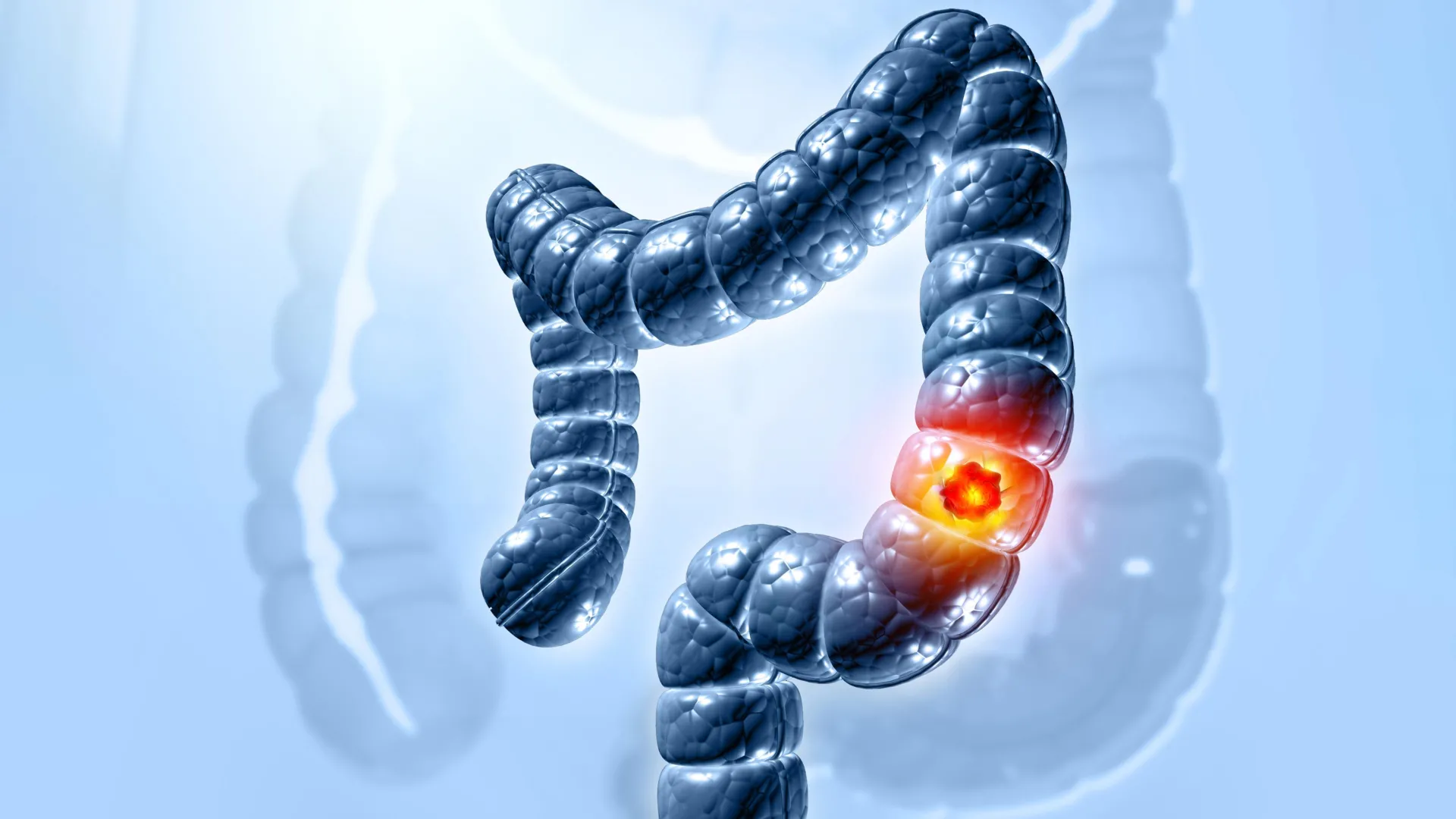
The pivotal findings emerge from the collaborative efforts of a distinguished multi-institutional team, prominently featuring researchers from the Johns Hopkins Kimmel Cancer Center Bloomberg~Kimmel Institute for Cancer Immunotherapy and the Johns Hopkins University School of Medicine. Their work, meticulously detailed and published in the prestigious journal Nature, pinpoints a crucial preliminary step: BFT must first establish a connection with a specific host protein, claudin-4, before it can inflict injury upon colon cells. This revelation represents a significant leap forward in understanding the intricate interplay between gut microbiota and host physiology, particularly in the context of disease pathogenesis. The foundational research was bolstered by substantial support from the National Institutes of Health, underscoring its recognized importance within the scientific community.
Dr. Cynthia Sears, a towering figure in the field and the senior author of the study, expressed profound satisfaction with the breakthrough. "We’ve made several attempts over time to identify the receptor, so this is an exciting moment," remarked Dr. Sears, who holds the esteemed position of Bloomberg~Kimmel Professor of Cancer Immunotherapy and professor of medicine at Johns Hopkins. Her sentiment underscores the persistence and dedication required to unravel such complex biological puzzles. "Understanding how bacterial toxins work can open doors to new approaches for detection and therapy for associated diseases, including diarrhea, colorectal cancer and bloodstream infections." This statement highlights the broad potential impact of the discovery, suggesting therapeutic avenues that could address a spectrum of microbial-related ailments.
The Enigmatic Role of Bacteroides fragilis and its Toxin
To fully appreciate the significance of this new discovery, it is essential to contextualize the bacterium at the heart of the research: Bacteroides fragilis. This bacterium is a common inhabitant of the human gut, found in the microbiota of up to 20% of healthy individuals. While many strains of B. fragilis are commensal, peacefully coexisting with their human hosts and even contributing to gut health, certain enterotoxigenic strains (ETBF) possess the capacity to produce BFT, a potent zinc-dependent metalloprotease toxin. It is these specific strains that have been increasingly implicated in various pathologies, particularly chronic inflammation of the colon and the promotion of tumor growth.
Earlier seminal research from Dr. Sears’ laboratory had already shed light on the destructive capabilities of BFT. Published in Nature Medicine, those studies conclusively demonstrated that BFT initiates a cascade of events leading to chronic inflammation by precisely cleaving E-cadherin. E-cadherin is a critical adhesion protein that acts as a molecular "glue," maintaining the integrity and protective barrier function of the colon’s epithelial lining. When E-cadherin is compromised, the tight junctions between colon cells are disrupted, leading to increased permeability, chronic inflammation, and a microenvironment conducive to tumorigenesis. Indeed, the previous work unequivocally linked BFT’s activity to the acceleration of colon tumor formation in experimental models.
However, a perplexing question persisted, forming the core of the 15-year mystery. While BFT’s destructive effect on E-cadherin was clear, direct binding between the toxin and E-cadherin could not be established. This suggested the existence of an intermediary, an unidentified "receptor" on the colon cell surface that BFT first engaged with to gain access and unleash its proteolytic activity. Without identifying this crucial initial point of contact, a complete understanding of the toxin’s mechanism, and more importantly, effective strategies to block its action, remained elusive.
CRISPR Screening: Unmasking the Hidden Receptor
The breakthrough came through the ingenious application of modern genetic engineering techniques. To identify that long-sought missing piece, Maxwell White, an M.D./Ph.D. candidate working diligently in the Sears lab, spearheaded a comprehensive genomewide CRISPR screening effort. This ambitious undertaking was conducted in close collaboration with the laboratory of Matthew Waldor at Harvard Medical School, pooling expertise and resources for a robust experimental design.
CRISPR-Cas9, often lauded as "molecular scissors," allows scientists to precisely edit genes within living cells. In this context, the researchers systematically disabled individual genes in human colon epithelial cells. The rationale was elegant: if a specific gene coded for the receptor that BFT required to function, then disabling that gene would render the cells resistant to the toxin’s effects. The team then meticulously monitored which genetic knockouts prevented BFT from damaging the cells.
Among the myriad genes screened, one protein emerged with striking clarity and consistency: claudin-4. The results were unequivocal: when the gene encoding claudin-4 was removed from the colon cells, BFT was no longer able to attach to the cell surface. Consequently, the critical E-cadherin protein remained unharmed, preventing the cascade of cellular damage and inflammation. This moment marked a pivotal turning point in the research. "It took a while to get the assay working and validate the approach, but once we were able to do the screen, claudin-4 was a clear, resounding top hit," recounted White, reflecting on the arduous but ultimately rewarding process. "That was an exciting moment."
The discovery of claudin-4 as the BFT receptor was not without its element of surprise for the research team. Dr. Sears noted that many scientists in the field had anticipated the receptor to be a signaling protein, such as a G-coupled protein receptor, which typically transduce extracellular signals into intracellular responses. However, claudin-4 belongs to a distinct class of proteins known as tight junction proteins, which are integral components of the cellular barriers that regulate paracellular permeability—the passage of substances between cells. Furthermore, a thorough review of existing scientific literature failed to uncover another bacterial toxin that operates in precisely the same manner. Most known protease toxins typically bind directly to the molecular targets they attack, rather than first attaching to a separate, distinct receptor like claudin-4. This unique mechanism highlights the novel nature of BFT’s mode of action and underscores the ingenuity of its evolutionary adaptation.
Confirming the Toxin’s Molecular Target: A Multidisciplinary Approach
To rigorously verify the interaction between BFT and claudin-4, the Johns Hopkins researchers forged a crucial collaboration with structural biologists F. Xavier Gomis-Rüth and Ulrich Eckhard at the Molecular Biology Institute of Barcelona. This partnership brought specialized expertise in unraveling the atomic-level details of protein interactions.
Utilizing sophisticated biophysical techniques in controlled laboratory experiments, Maxwell White and the Barcelona team provided compelling evidence. They demonstrated that BFT and claudin-4 form a tightly bound, one-to-one complex. This direct physical evidence was the first definitive proof that the toxin indeed attaches to this specific receptor before proceeding to damage colon cells. The precision and stability of this interaction further cemented claudin-4’s role as the primary gateway for BFT.
The next critical step involved validating these in vitro findings within living biological systems. For this, the researchers collaborated with the laboratory of Min Dong at Harvard Medical School. Working alongside Kang Wang and their colleagues, the team meticulously examined how the toxin behaved in carefully designed mouse models. These in vivo studies are crucial for translating laboratory observations into a physiologically relevant context, confirming that the identified mechanism operates similarly within a complex organism.
A Promising Therapeutic Strategy: The Molecular Decoy
With the receptor identified and its interaction confirmed, the researchers were poised to explore potential therapeutic interventions. The team ingeniously created a soluble version of claudin-4. This engineered protein was designed to act as a "decoy," presenting the specific portions of the claudin-4 receptor that BFT normally recognizes and binds to on colon cells. The strategy was elegantly simple: instead of binding to the vital claudin-4 on the surface of colon cells, the BFT toxin would preferentially attach to these circulating decoy proteins, effectively neutralizing its ability to reach and damage its cellular targets.
This innovative decoy strategy proved remarkably successful in the animal models. Mice treated with the soluble claudin-4 decoy were significantly protected from the BFT-induced colon damage that typically results in inflammation and barrier disruption. This proof-of-concept study provides a robust foundation for developing new therapeutic agents.
"This approach could be iterated upon with small molecules or other biologics that have better pharmacological properties," noted White, highlighting the potential for future drug development. The team is now actively investigating various types of therapies, including small molecules and more complex biological agents, to determine which may be most effective at blocking the toxin’s activity in a clinical setting. This could lead to targeted therapies that specifically disarm ETBF strains without broadly disrupting the beneficial gut microbiome.
Broader Implications and Future Horizons
The discovery of the BFT-claudin-4 interaction holds immense promise for understanding and combating colorectal cancer (CRC). CRC is a major global health burden, ranking as the third most common cancer and the second leading cause of cancer-related deaths worldwide. Chronic inflammation, as triggered by BFT, is a well-established risk factor for CRC. By identifying the initial molecular event in BFT’s pathogenic pathway, this research opens up unprecedented opportunities for early detection, prevention, and targeted therapies. Imagine a future where a simple diagnostic test could identify individuals colonized by ETBF strains, and a prophylactic treatment, perhaps even an oral therapeutic, could be administered to block BFT before it contributes to years of silent inflammation and cellular damage, ultimately reducing CRC incidence.
Beyond colorectal cancer, Dr. Sears’ insights suggest that understanding bacterial toxins like BFT could inform strategies for other diseases. Diarrhea, often caused by various bacterial toxins, could be better managed, and bloodstream infections, where gut bacteria sometimes translocate from a compromised barrier, might also see new preventative measures.
While this breakthrough represents a monumental achievement, the scientific journey continues. One important challenge remains unresolved: the precise experimental structure showing exactly how the BFT toxin and claudin-4 fit together at an atomic level has yet to be captured. Despite the advancements in artificial intelligence modeling tools, including the revolutionary AlphaFold, these computational methods were unable to fully resolve the intricate details of this specific interaction, underscoring the enduring need for traditional, high-resolution structural biology techniques such as X-ray crystallography or cryo-electron microscopy. Unlocking this structural detail would provide invaluable insights for designing even more precise and potent inhibitors.
The success of this complex research project stands as a testament to the power of multi-institutional and multi-disciplinary collaboration. The work was generously supported by a consortium of prominent funding bodies, including the Bloomberg~Kimmel Institute for Cancer Immunotherapy, Janssen Research and Development, Cancer Research UK, the National Institutes of Health (through multiple grants: R01 AI042347, R01 NS080833, R01 NS117626, R01 AI170835, and R01 AI189789), and the Howard Hughes Medical Institute. Such extensive backing highlights the perceived importance and potential impact of the research on human health.
The scientific community now stands at the precipice of a new era in understanding gut microbiome-host interactions. This discovery represents not just the solution to a 15-year-old mystery, but a crucial foundational step toward developing innovative interventions that could profoundly impact public health by preventing inflammation-driven diseases and, ultimately, reducing the burden of colorectal cancer. The future holds promise for targeted therapies that could selectively disarm pathogenic bacteria while preserving the delicate balance of our vital gut ecosystem.
