
 By admin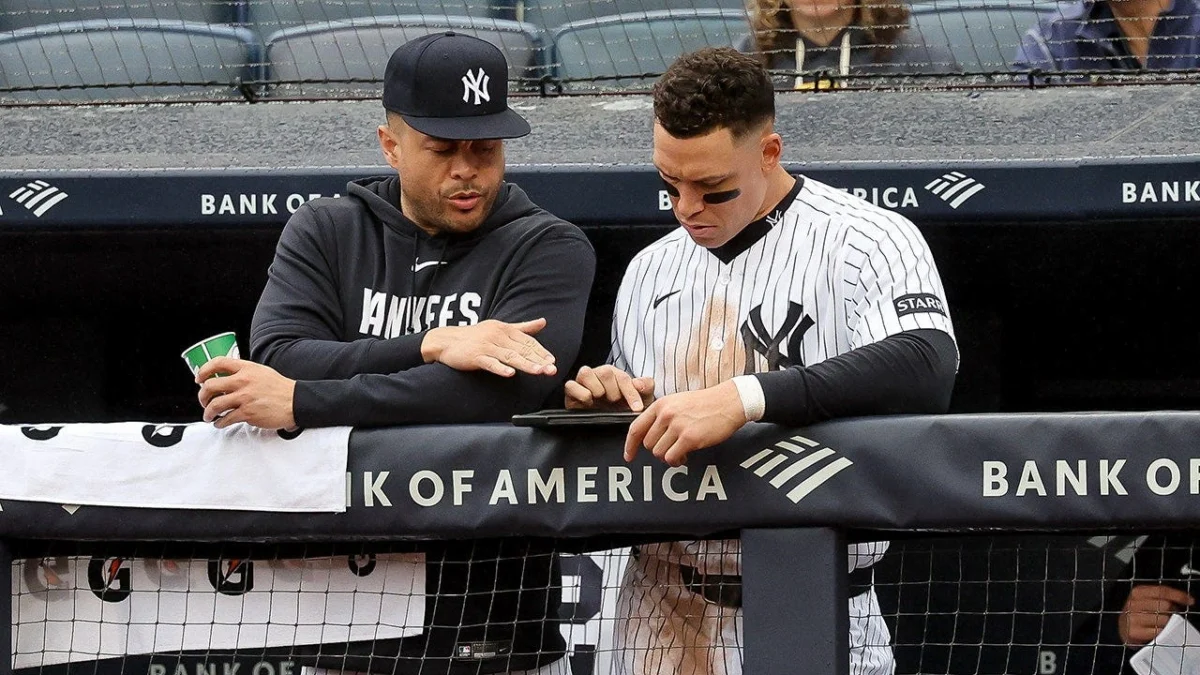
Major League Baseball (MLB) has effectively drawn a line in the sand, pulling the plug on the burgeoning use of artificial intelligence (AI) and iPads for in-game strategic decision-making. The league’s commissioner’s office issued a directive on June 11, with the ban officially taking effect on Wednesday, just as teams returned to play following the All-Star break. This move signals a significant shift in how technology will be integrated into the sport, prioritizing human judgment over algorithmic insights in the heat of competition.
The edict targets the installation of custom apps on MLB-issued iPads that, according to a memo obtained by Fox News Digital, were "pushing the boundaries of the technology guidelines" and being utilized "beyond their originally intended purpose." These advanced applications were reportedly feeding recommendations regarding crucial in-game decisions such as player substitutions, pitch calling, and other strategic maneuvers traditionally reserved for the intuition and experience of players and coaches. This proactive measure aims to prevent any potential for "cheating before there’s cheating now," as one anonymous front office executive candidly told The Athletic, the publication that first reported on the sweeping restrictions.
The league’s internal review, which preceded this ban, found no instances of teams violating existing rules concerning sign-stealing or the misuse of electronic devices. However, the sheer sophistication and scope of the AI-driven applications had evidently crossed an unspoken threshold, prompting MLB to act. Sources suggest that as many as one-third of MLB teams had begun leveraging these custom apps, indicating a growing trend towards data-intensive strategy that the league now deems problematic for the integrity of the game.
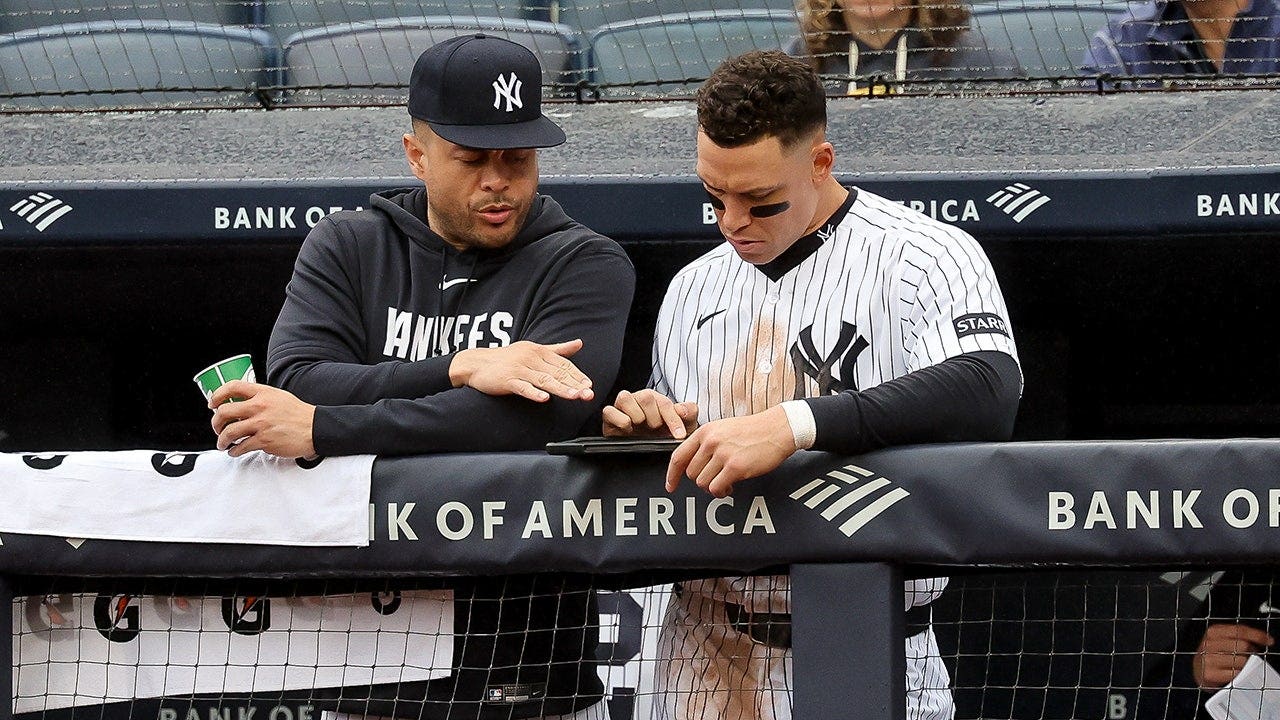
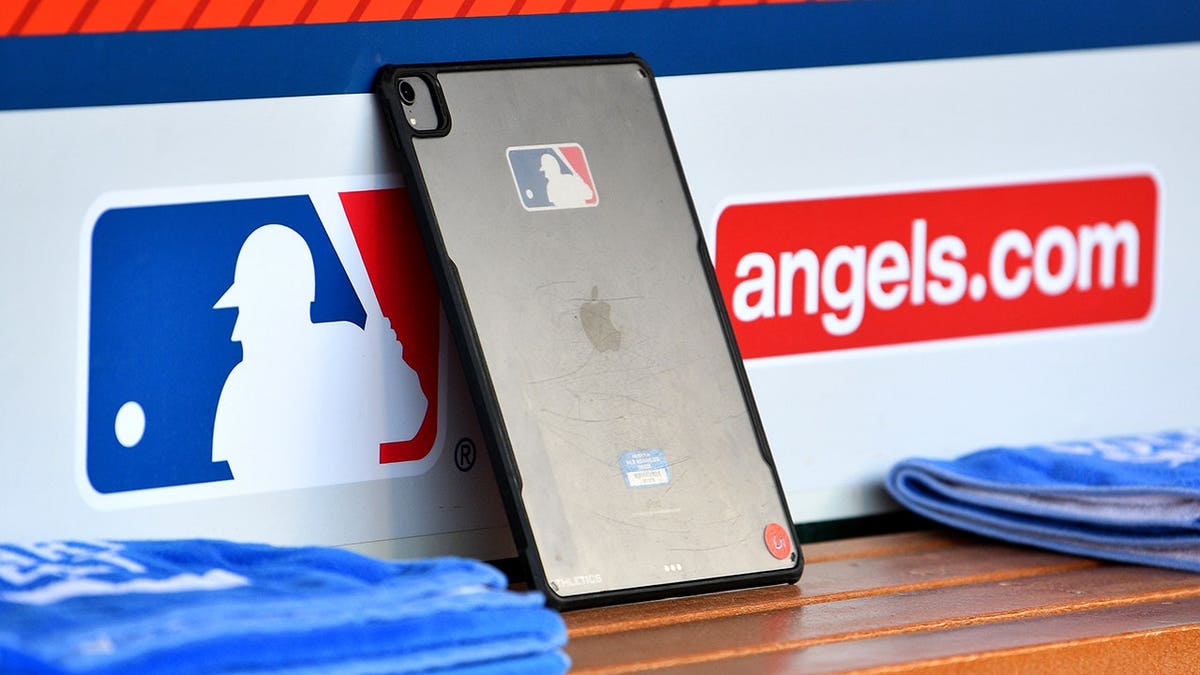
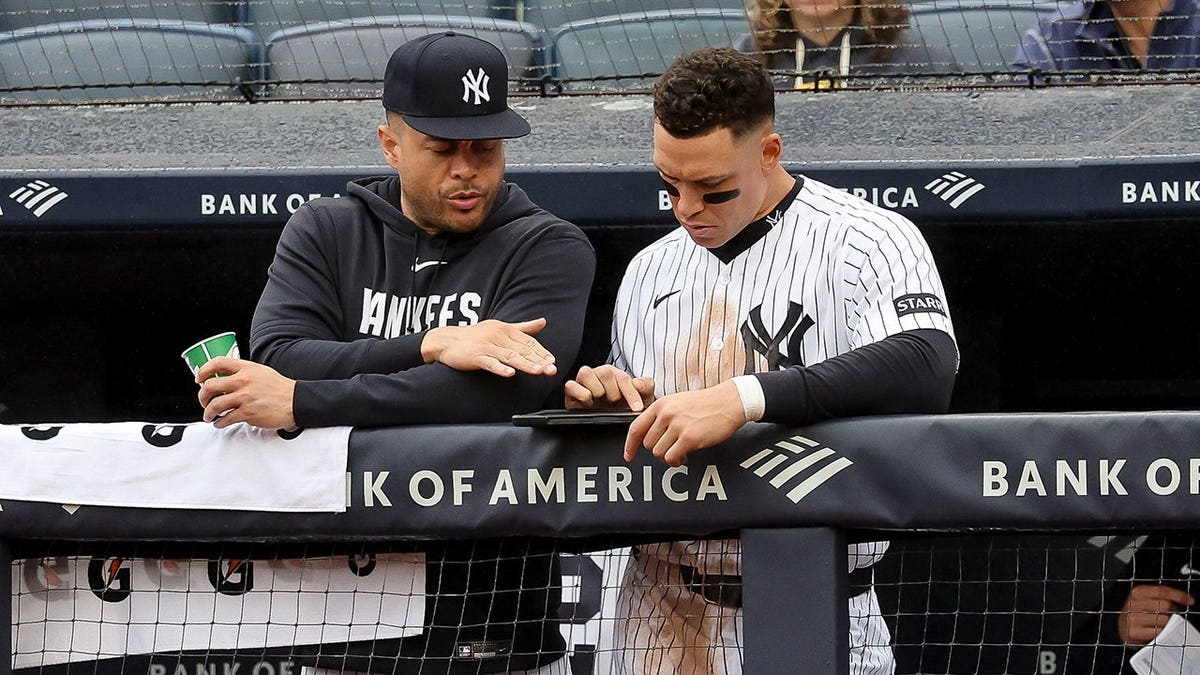
The MLB-issued iPads, designed to provide players and coaches with valuable resources, typically feature three distinct tabs. The first offers access to Statcast data and multiple video angles, providing a wealth of analytical information. The second tab is dedicated to data related to the automated ball-strike system, a technological advancement already reshaping the game. It was the third, custom tab, where teams were permitted to install their own applications, that became the focal point of the league’s concern. This is precisely where the AI-powered strategic tools were being deployed, leading to the current prohibition.
In response to the evolving technological landscape, MLB has implemented several new rules to curtail the flow of live, unfiltered information into the dugouts. In-game video feeds are now only accessible with a delay, a measure designed to prevent immediate tactical adjustments based on real-time visual analysis. Furthermore, stringent rules have been posted in all clubhouses, explicitly forbidding non-field personnel from entering the dugout during games. These collective actions underscore the league’s commitment to ensuring that the human element remains paramount in the strategic unfolding of baseball games.
The implications of this ban extend beyond mere technical regulations; they touch upon the fundamental philosophy of baseball strategy. For decades, baseball has prided itself on its blend of tradition and subtle intricacies, where experience, instinct, and interpersonal communication have played pivotal roles. The rapid integration of AI threatened to introduce a new paradigm, one where complex algorithms could potentially dictate player performance and game outcomes with unprecedented precision. While the allure of enhanced efficiency and predictive power is undeniable, MLB’s decision suggests a recognition that the essence of baseball might be diluted if these decisions are outsourced to machines.
The rise of advanced analytics in baseball has been a gradual but transformative force over the past two decades. Sabermetrics, the study of baseball statistics, has evolved from an academic pursuit into an indispensable tool for teams. Organizations have invested heavily in data scientists, analysts, and sophisticated software to dissect every facet of the game, from player efficiency metrics to opponent tendencies. The use of iPads in dugouts was initially conceived as a way to streamline access to this valuable data, allowing for quicker analysis of situations on the field. However, the transition from data access to AI-driven strategic recommendations marked a significant escalation.
The debate surrounding the role of AI in sports is not unique to baseball. Across various professional leagues and athletic disciplines, there is an ongoing discussion about the ethical boundaries and potential drawbacks of relying too heavily on artificial intelligence. Critics often point to the risk of homogenizing strategies, stifling creativity, and diminishing the value of human intuition and leadership. Proponents, on the other hand, highlight the potential for optimizing performance, reducing injuries through predictive modeling, and enhancing the overall fan experience through data-driven insights.
In the context of baseball, the concern is that AI could potentially reduce the game to a series of calculated probabilities, diminishing the spontaneous brilliance and human drama that have long captivated audiences. The strategic chess match between managers, the split-second decisions made by players under pressure, and the psychological battles that unfold are all elements that could be overshadowed by the cold, hard logic of algorithms. By curbing the use of AI in immediate strategic decision-making, MLB is signaling its desire to preserve these human elements.
The league’s decision also raises questions about the future of technological integration in sports. While AI for real-time strategic advice has been curtailed, it is unlikely that technology’s role will diminish entirely. Baseball will likely continue to explore ways to leverage data and analytics for player development, scouting, and long-term strategic planning. The challenge for MLB, and indeed for all sports organizations, will be to find a delicate balance that embraces innovation without sacrificing the core values and human essence of the game.
The memo’s emphasis on "recommendations regarding substitutions, pitch calling and other in-game decisions" suggests that the AI was not merely presenting raw data but actively suggesting specific actions. This level of algorithmic intervention is what appears to have triggered the league’s concern. For instance, an AI system could analyze a batter’s historical performance against a specific pitcher, factoring in pitch velocity, spin rate, and location data, to suggest the optimal pitch for the catcher to call. Similarly, it could analyze defensive positioning and opponent tendencies to recommend the most advantageous defensive alignment or the optimal time to bring in a relief pitcher.
The fact that the league’s review found no violations of existing rules regarding sign-stealing or electronic device usage is crucial. This indicates that the issue was not one of illegal activity but rather of pushing the boundaries of permissible technological application. MLB has a history of evolving its rules to address technological advancements, from the introduction of instant replay to the regulation of pitcher-altering substances. This latest move is part of that ongoing process of adapting to a rapidly changing landscape.
The directive also implies that the league is keen to maintain a level playing field. If some teams were developing and deploying more sophisticated AI tools than others, it could create an unfair competitive advantage. By standardizing the permitted uses of technology and prohibiting the most advanced forms of AI-driven strategy, MLB aims to ensure that success on the field is primarily determined by the skill, preparation, and strategic acumen of the human participants.
The future of AI in baseball, however, is not entirely bleak. The league has not banned data analysis or the use of Statcast data on iPads. Instead, it has drawn a line at AI’s direct involvement in real-time strategic decision-making. This suggests a nuanced approach, one that acknowledges the benefits of data while seeking to preserve the human element in critical game moments. Teams will likely continue to use AI for predictive modeling, scouting reports, and player development, but the ultimate decisions on the field will remain in the hands of humans.
The current situation highlights a broader societal conversation about the increasing influence of artificial intelligence. As AI becomes more pervasive, its impact on various sectors, including sports, will continue to be a subject of intense debate and evolving regulation. MLB’s decision to eject AI from direct in-game strategy is a bold statement about its priorities, prioritizing the human drama and strategic nuances that have defined baseball for over a century. Only time will tell how this new era of technologically-informed but human-led strategy will unfold on the diamond.
