
 By admin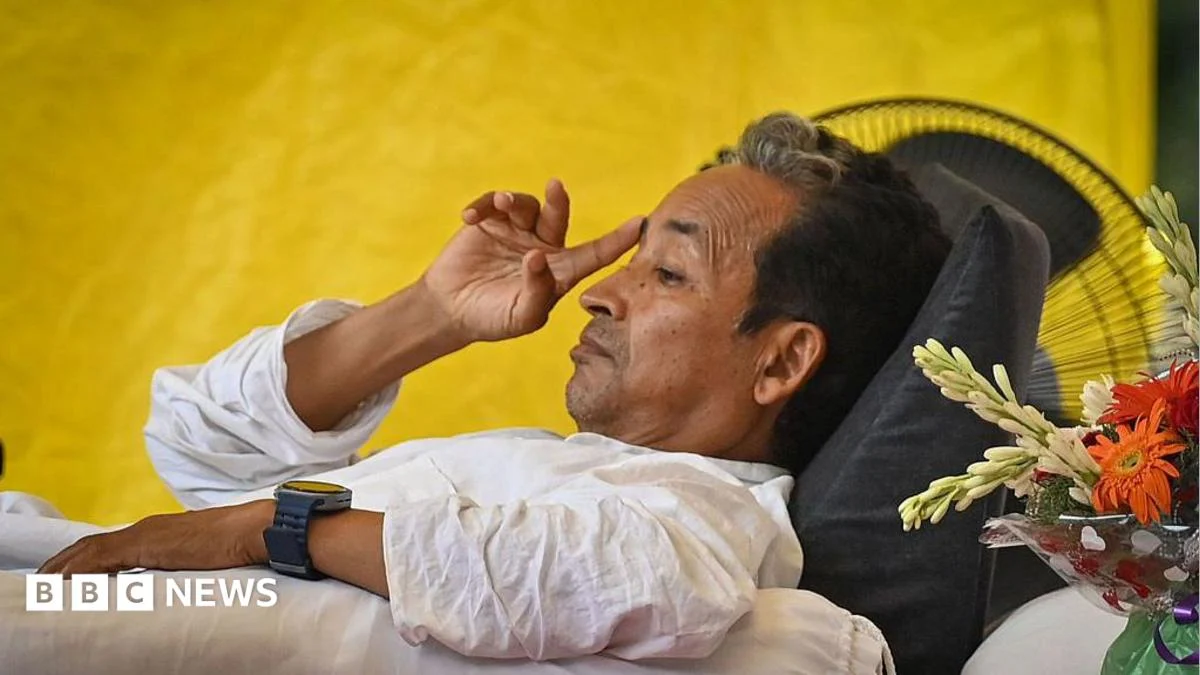
It took 58 agonizing days without food for Potti Sriramulu to fundamentally alter the geopolitical landscape of India. In October 1952, Sriramulu, a dedicated Gandhian and advocate for social causes, embarked on an indefinite hunger strike. His sole demand was the creation of a separate state for Telugu-speaking populations, a proposition that Prime Minister Jawaharlal Nehru had consistently resisted. Sriramulu, having previously undertaken numerous fasts for various social issues, believed that only the ultimate sacrifice of his own life could compel the central government in Delhi to acknowledge the fervent aspirations of his community. His conviction proved tragically prescient.
On the 58th day of his fast, Potti Sriramulu succumbed to his self-imposed ordeal. His death ignited a firestorm of protest across the Telugu-speaking regions. Streets erupted with angry crowds, government buildings became targets of vandalism, and vital railway lines were blockaded, leading to significant unrest in which several lives were reportedly lost. The sheer scale and intensity of the public outcry in the immediate aftermath of Sriramulu’s martyrdom could no longer be ignored. Just days later, Prime Minister Nehru announced the formation of Andhra state, a momentous decision that set in motion a cascade of further reorganizations. This pivotal event was instrumental in the subsequent establishment of the States Reorganisation Commission in 1956, which led to the comprehensive linguistic redrawing of India’s internal boundaries, a transformation that continues to shape the nation’s administrative and cultural fabric.
The profound impact of Potti Sriramulu’s protest on the republic is a testament to the extraordinary power of individual action. As historian Ramachandra Guha aptly observed, "Potti Sriramulu is a forgotten man today. This is a pity, for he had a more than minor impact on the history, as well as geography of his country." His solitary act of defiance, fueled by an empty stomach, had undeniably redrawn the map of the world’s largest democracy, underscoring a potent, albeit often overlooked, method of political expression.
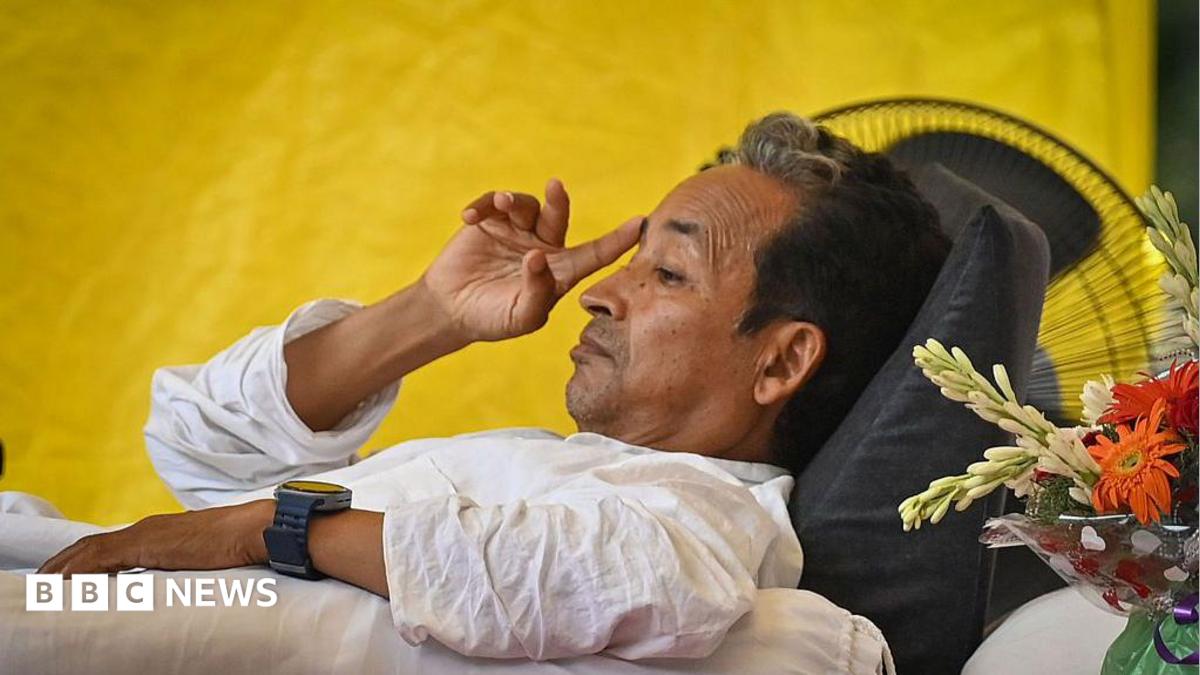
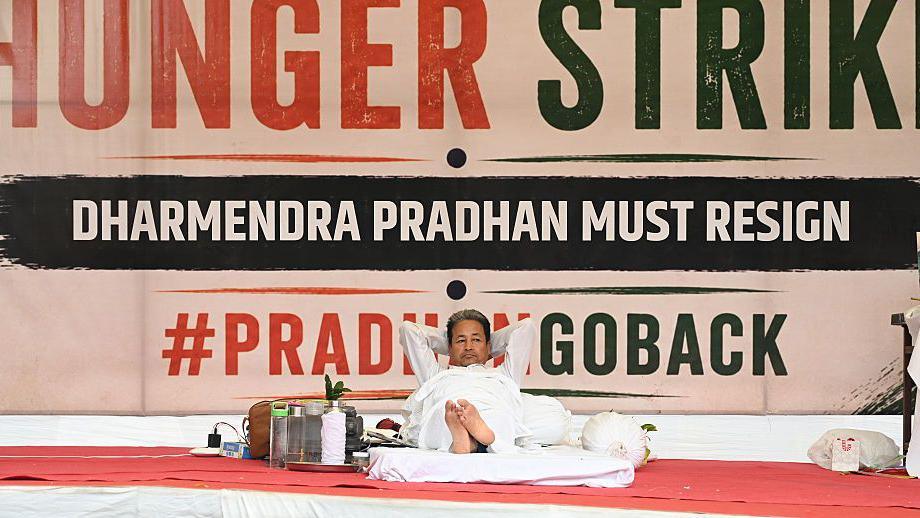
This historical precedent likely explains why, more than seven decades later, the hunger strike continues to be an instinctively adopted tool of protest in India. The latest prominent figure to employ this tactic is Sonam Wangchuk, an esteemed educationist and climate activist. His ongoing indefinite hunger strike has raised significant concerns regarding his rapidly deteriorating health. Wangchuk, a 59-year-old innovator and educator from Ladakh, has been subsisting solely on salt water for 19 days, during which he has lost over 9 kilograms. His protest is in solidarity with an online satirical movement known as the Cockroach Janta Party (CJP), which advocates for significant education reforms. As pressure mounts for him to end his fast, the Delhi High Court has intervened, ordering the government to monitor Wangchuk’s health and provide necessary medical treatment.
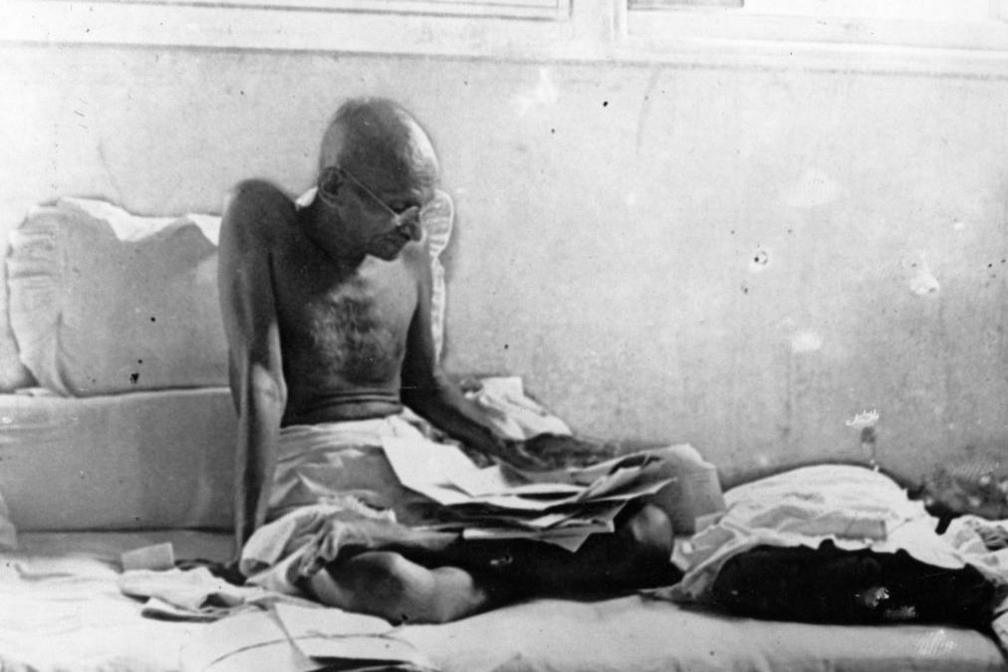
No other nation has so deeply integrated the act of fasting into its political discourse and practice as India. While protests like road blockades and marches are common globally, Indians have consistently turned to the hunger strike as a distinct and powerful form of dissent. This tradition is deeply rooted in India’s ancient spiritual and philosophical heritage. Hinduism, Buddhism, and Jainism all imbue voluntary self-denial with profound moral and spiritual significance. Mahatma Gandhi, the preeminent leader of India’s independence movement, masterfully harnessed this ancient practice, transforming it into a potent instrument of modern political resistance. He posited that a fast was not an act of coercion or blackmail, but rather a profound expression of suffering intended to awaken the conscience of the oppressor and the public alike.
Between 1918 and his assassination in 1948, Gandhi undertook numerous fasts, protesting against religious violence, the deeply entrenched caste system, and political discord. Through these acts, the simple act of abstaining from food became one of the most potent and recognizable symbols of India’s struggle for independence. By one estimation, Gandhi initiated at least 15 major fasts. His longest known fast lasted 21 days, undertaken to highlight the plight of the "untouchables." His final fast, in January 1948, a five-day ordeal, was instrumental in restoring communal harmony in Delhi amidst heightened tensions following the nation’s partition.
Reflecting on the power of this method, Gandhi wrote in 1948, on the eve of his final fast, "Fasting is his last resort in the place of the sword." His conviction in the moral efficacy of fasting as a political tool was widely acknowledged, even by those who initially questioned its ethics. When Gandhi embarked on a fast in Calcutta (now Kolkata) in 1947 to quell brutal religious riots, The Statesman, a British-owned newspaper, noted: "On the ethics of fasting as a political instrument we have over many years failed to concur with India’s most renowned practitioner of it… But never in a long career has Mahatma Gandhi, in our eyes, fasted in a simpler, worthier cause than this, not one calculated for immediate effective appeal to the public conscience." This sentiment highlights the moral authority Gandhi lent to the act, transcending mere political maneuvering.
The legacy of Gandhi’s fasting campaigns was deeply ingrained in the consciousness of independent India. The practice has since been adopted by a diverse array of movements and individuals fighting for various causes. Hunger strikes have been undertaken to champion farmers’ rights, advocate for affirmative action policies, demand environmental protections, push for anti-corruption legislation, and protest the repeal of controversial security laws. The specter of the hunger strike, imbued with the moral weight of Gandhi’s legacy, has remained a persistent feature of India’s socio-political landscape.
Prominent among these modern iterations is the 2011 protest by activist Anna Hazare, whose 13-day fast against corruption briefly galvanized the nation and captured the imagination of millions, injecting new momentum into the anti-graft movement. Even more remarkable was the protest by Irom Sharmila, often referred to as the "Iron Lady of Manipur." For an astonishing 16 years, she refused food to protest the draconian Armed Forces (Special Powers) Act in India’s northeastern region. Her survival depended entirely on authorities force-feeding her through a nasal tube, a harrowing testament to her unwavering resolve. Similarly, Medha Patkar, a leading social activist, has repeatedly undertaken prolonged hunger strikes to advocate for the rights and fair compensation of individuals displaced by large-scale dam projects, demonstrating the continued relevance of this protest method for marginalized communities.
While the hunger strike is a globally recognized form of protest, its prevalence and deep entrenchment in India are particularly noteworthy. Sayantan Saha Roy, an anthropologist at the University of Connecticut whose research focuses on the politics of fasting, observes, "Hunger strikes are a global form of protest, not uniquely Indian." Indeed, the hunger strike emerged as a shared language of democratic and anti-colonial resistance across the British Empire, adopted by suffragettes in Britain and nationalists in Ireland, alongside their Indian counterparts.
However, Saha Roy elaborates on the specific Indian context: "But in India, where governments can become deeply unresponsive, protesters often see fasting as the only way to force those in power to act." This perception arises from a historical narrative where entrenched bureaucratic structures and political inertia can render conventional forms of protest less effective. The unique contribution of India lies in how Gandhi elevated the hunger strike from a mere act of protest to an enduring moral and political statement. "In a world of self-interested politics, they stand out as acts of self-sacrifice," Saha Roy notes. "As the protester’s body weakens, the moral and political pressure on those in power grows." This ethical dimension, rooted in self-abnegation, imbues the hunger strike with a unique gravitas within the Indian context.
Crucially, the effectiveness of a hunger strike hinges on its ability to capture public attention and sympathy. "Hunger strikes have to be performative to be persuasive," Saha Roy explains. "They’re not just aimed at the state, but at the public, whose outrage can pressure those in power." He cites the example of the Irish hunger strikes in the 1970s and 1980s, where republican prisoners protesting their classification as criminals rather than political prisoners sought to mobilize the Irish public through a vivid display of their suffering and willingness to die. "The body of the hunger striker then becomes a demonstration of the cruelty of the state," Saha Roy adds. Yet, he cautions, "But there’s no guarantee the audience will respond, which is what makes hunger strikes such a precarious form of protest." The success of such a tactic is therefore contingent on media coverage, public engagement, and the perceived moral standing of the protester and their cause.
Despite its historical resonance and moral appeal, the hunger strike has not been without its critics. While Gandhi masterfully wielded it as a moral weapon, B.R. Ambedkar, a towering figure in Indian constitutionalism and social reform, expressed profound skepticism towards its use in an independent India. In a pivotal speech in 1949, Ambedkar argued that once constitutional avenues for redressal were established, methods like fasting and civil disobedience should gradually yield to democratic processes. He warned that their continued use in a constitutional framework could degenerate into "the grammar of anarchy," urging that "the sooner they are abandoned, the better for us."
This fundamental debate about the appropriateness of hunger strikes in a democratic republic has persisted through the decades. In contemporary India, critics continue to question the ethical implications of employing a tactic that involves risking one’s life in a constitutional democracy. Political philosopher Pratap Bhanu Mehta, writing during Anna Hazare’s anti-corruption fast in 2011, argued that such protests could become "deeply coercive." He posited that when a fast unto death is linked to "an unparalleled moral eminence," it can "amount to blackmail," placing an undue moral burden on the state and public to concede demands.
This growing public skepticism has manifested in various ways. Social media platforms are often rife with cynicism, featuring jokes about politicians surreptitiously breaking their fasts or engaging in carefully staged media spectacles. The authenticity of some protests has been called into question, with some fasts lasting only a few hours or being meticulously managed for maximum media impact, complete with banners, elevated platforms, and live television coverage. Consequently, not all instances of abstaining from food carry the same political weight, and historical outcomes appear to support this distinction.
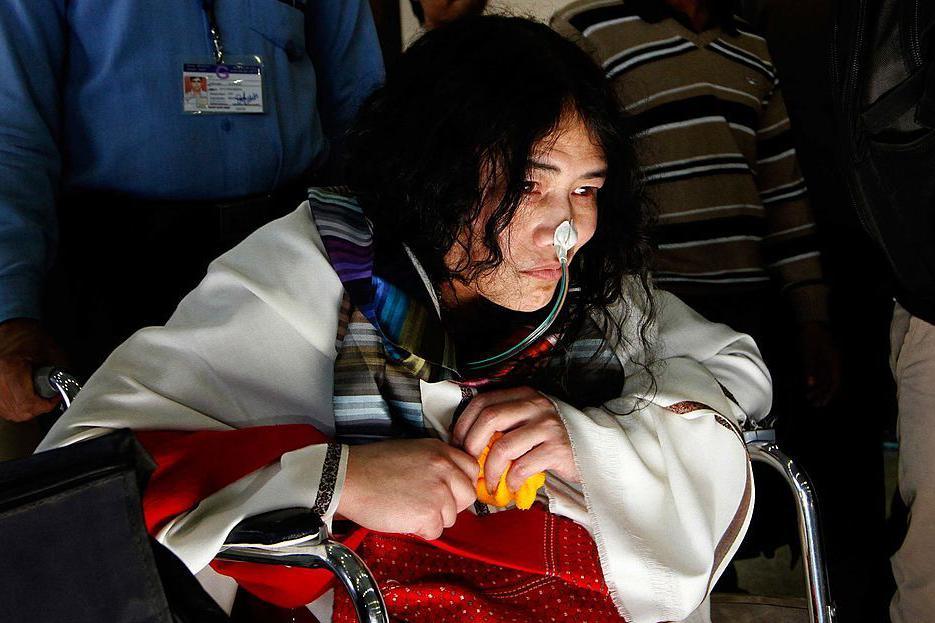
The outcomes of significant hunger strikes have varied considerably. Potti Sriramulu’s death led to a fundamental redrawing of India’s internal map. Anna Hazare’s protest, while initially galvanizing, saw its momentum wane relatively quickly, failing to bring about the sweeping systemic changes sought. Irom Sharmila became an international icon of resilience and resistance, but the oppressive law she fought against remained in place for many years. These disparate results underscore the unpredictable nature of hunger strikes as a political tool.
Medical professionals often find themselves in a precarious position, caught between the ethical imperative to preserve life and the complex dynamics of political protest. After two weeks without food, the human body begins to break down muscle and fat for energy. Electrolyte imbalances can lead to life-threatening cardiac arrhythmias. The reintroduction of food after prolonged starvation also carries significant medical risks. Consequently, every extended hunger strike unfolds simultaneously as a political demonstration and a medical emergency.
Governments are acutely aware of this medical vulnerability. Force-feeding hunger strikers, often after their admission to hospitals, has become a common tactic to sustain their lives while attempting to de-escalate the political crisis. As Wangchuk’s physical condition has visibly worsened, calls from opposition leaders, activists, artists, and musicians urging him to end his fast have intensified.
Despite the growing cynicism and the inherent risks, the fundamental idea that voluntary suffering can move politics in ways that mere rhetoric cannot, continues to hold sway in India. Wangchuk’s current fast appears to be following this well-trodden path. "In the public demonstration of his suffering, Wangchuk seems to be following Gandhi’s path," observes Saha Roy. "As his health deteriorates, his protest gains traction and raises the political stakes for the government. How this unfolds remains to be seen." The ultimate success of Wangchuk’s protest, whether it leads to tangible policy changes or becomes another solemn entry in India’s long history of sacrifices, may ultimately determine not only the fate of his personal campaign but also the enduring relevance of one of India’s most potent and poignant political rituals.
