
 By admin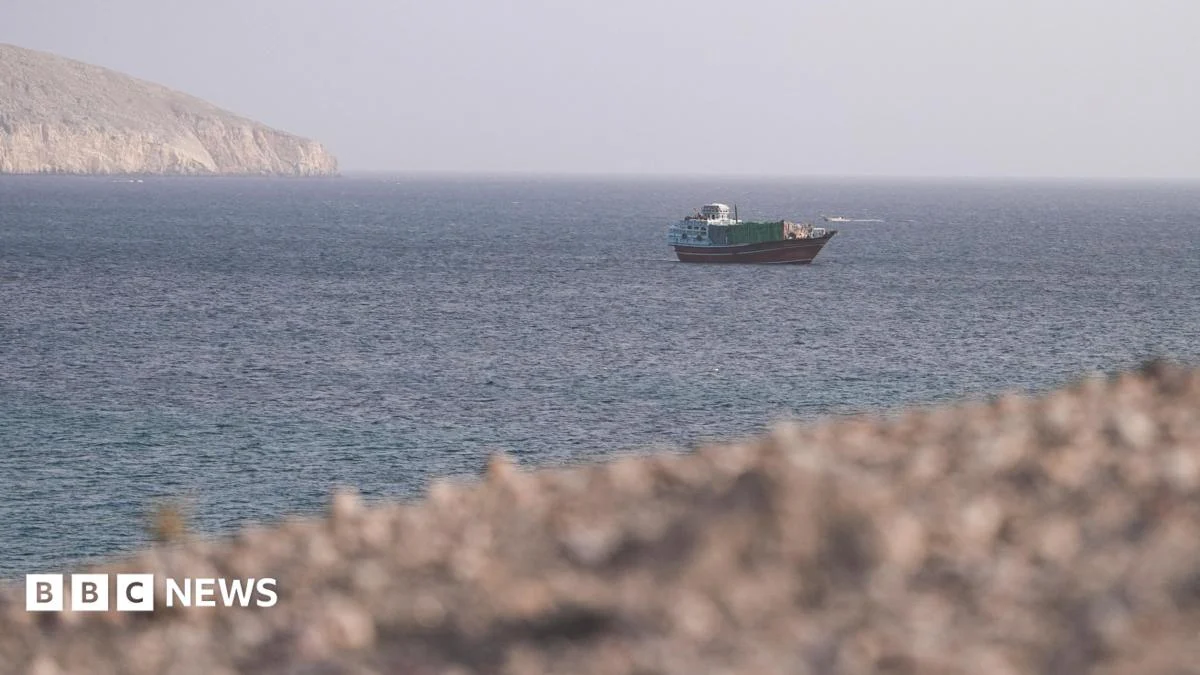
In a dramatic escalation of the ongoing conflict, the United States launched its sixth consecutive night of precision strikes against Iran, a move aimed at further degrading Iranian military capabilities and asserting control over the strategically vital Strait of Hormuz. US Central Command (Centcom) confirmed the sustained military action, highlighting its intention to disrupt Iran’s capacity to threaten international maritime traffic. The operation also involved a significant naval maneuver, with US forces boarding a vessel as part of a renewed blockade of the strait, a critical chokepoint for global oil supplies.
The Iranian state media reported that US missiles impacted areas in close proximity to the island of Qeshm, a key location near the Strait of Hormuz. Additional strikes were registered in Bandar Abbas, a major port city, and Bushehr, the site of Iran’s sole nuclear power plant. In a move that suggests a deliberate escalation and a direct challenge to Iran’s infrastructure, reports also emerged of two bridges in Hormozgan province being hit. The BBC has independently verified an attack on one of these bridges, located to the west of Bandar Abbas. This development echoes earlier threats made by US President Donald Trump, who had previously warned of striking Iranian bridges and power plants if the country refused to re-engage in diplomatic talks.
The targeting of civilian infrastructure, including bridges and power plants, raises serious international legal and ethical concerns. UN human rights chief Volker Türk has previously stated that "deliberately attacking civilians and civilian infrastructure is a war crime." This stance is firmly rooted in the 1949 Geneva Conventions, which unequivocally prohibit attacks on sites deemed essential for civilian populations. The potential for collateral damage and the humanitarian consequences of such strikes are significant, raising questions about the proportionality and legality of the US military’s actions under international law.
The naval component of the US operation, as detailed by Centcom, involved marines boarding an oil tanker in the Gulf of Oman. This boarding was conducted as part of a renewed blockade of Iran’s ports, which commenced on Tuesday night. Centcom further asserted that its forces had successfully "redirected three commercial vessels attempting to breach the blockade." This action underscores the US commitment to enforcing its maritime control and preventing Iranian vessels from accessing international waters or supplying its military operations. Previous US blockades of Iranian ports, conducted between April 13th and June 18th, resulted in the disabling of nine ships and the redirection of over 140 commercial vessels, according to Centcom figures. This historical context suggests a pattern of sustained pressure on Iran’s maritime access.
The ongoing hostilities have further strained the preliminary, albeit fragile, agreement aimed at de-escalating the conflict and potentially ending the war. Despite the military escalation, the White House indicated that President Trump remains open to diplomatic engagement with Iran. White House Press Secretary Karoline Leavitt stated on Thursday that while the President intends to hold Iran accountable for its actions, particularly its hostile posturing towards maritime traffic, he "is always open to diplomacy at the very same time." Leavitt emphasized that Iran has expressed a continued desire to reach a deal with the United States. However, she reiterated the President’s firm stance: "the president is not going to allow them to fire on ships in the strait without paying a consequence for that." This dual approach of military pressure and diplomatic openness reflects a complex and evolving US strategy.
The Strait of Hormuz, a narrow waterway connecting the Persian Gulf to the Gulf of Oman, has become a central theater of operations. This critical maritime passage, which Iran has effectively controlled and at times threatened to block in retaliation for perceived US-Israeli aggression, remains closed to significant commercial traffic. The current closure is a direct consequence of the escalating military exchanges, with both sides engaging in aggressive actions.
Earlier on Thursday, Tehran announced its own retaliatory strikes, claiming to have targeted US military bases in Jordan, Kuwait, and Bahrain. This assertion, if substantiated, represents a significant expansion of the conflict zone and a direct challenge to US military presence in the region. Concurrently, the US military reported inflicting a six-hour wave of strikes on multiple locations within the Strait of Hormuz, underscoring the intensity and scope of the ongoing aerial bombardment. These exchanges occurred in the immediate aftermath of President Trump’s stern warning to Iran, urging it to "behave" or face further military action should it continue to refuse to return to negotiations.
Iran’s top negotiator, Mohammad Bagher Ghalibaf, articulated Tehran’s position to state media, asserting that Iran has "no reason" to adhere to any agreement that does not serve the nation’s interests. He further emphasized that Iran’s national security is intrinsically linked to its ability to maintain what he termed "Iranian arrangements" within the Strait of Hormuz. This statement signals Iran’s determination to assert its control over this vital waterway and to prioritize its perceived security interests above international diplomatic overtures that do not align with its strategic objectives. The concept of "Iranian arrangements" likely refers to Iran’s asserted right to control passage through the strait and to deter any actions it deems a threat to its sovereignty or security.
The background to this escalating conflict is multifaceted, rooted in years of geopolitical tensions, including the US withdrawal from the Iran nuclear deal, the reimposition of stringent sanctions on Iran, and Iran’s alleged support for proxy militias in the region. The Strait of Hormuz, through which approximately 30% of the world’s seaborne oil passes, has repeatedly been a flashpoint. Iran’s threats to close the strait have historically been met with strong US resolve to keep it open, as the disruption of oil flow would have catastrophic global economic consequences.
The US rationale for the strikes is ostensibly to deter Iran from further aggressive actions, including attacks on shipping and US interests in the region. Centcom’s statements emphasize the defensive nature of these operations, aimed at safeguarding freedom of navigation and preventing Iran from achieving its strategic objectives in the Persian Gulf and beyond. However, the targeting of infrastructure raises concerns about a potential escalation into a wider conflict.
Expert analysis suggests that the current US strategy of applying maximum pressure through sanctions and military deterrence is aimed at forcing Iran back to the negotiating table on US terms. However, critics argue that such an approach risks further entrenching hardline factions within Iran and could lead to miscalculation and unintended escalation. The international community, particularly European allies, has largely advocated for a diplomatic solution and has expressed concerns about the potential for a protracted conflict.
The economic implications of a prolonged closure of the Strait of Hormuz are dire. Oil prices would likely skyrocket, impacting global markets and potentially triggering a recession. The stability of the entire Middle East region, already fraught with conflict, would be further jeopardized. The involvement of naval forces from various countries in patrolling and securing the strait highlights the international ramifications of any disruption.
The current situation represents a critical juncture. The US is demonstrating a willingness to use significant military force to achieve its objectives, while Iran is signaling its determination to resist perceived external pressure and to protect its national interests, even at the risk of further escalation. The rhetoric from both sides, coupled with the tangible military actions, points to a volatile and unpredictable future for the region. The international community’s role in de-escalating tensions and facilitating dialogue will be crucial in navigating this perilous period. The question remains whether diplomacy can prevail over the escalating cycle of aggression and retaliation, or if the region is on the precipice of a wider and more devastating conflict.
