
 By admin
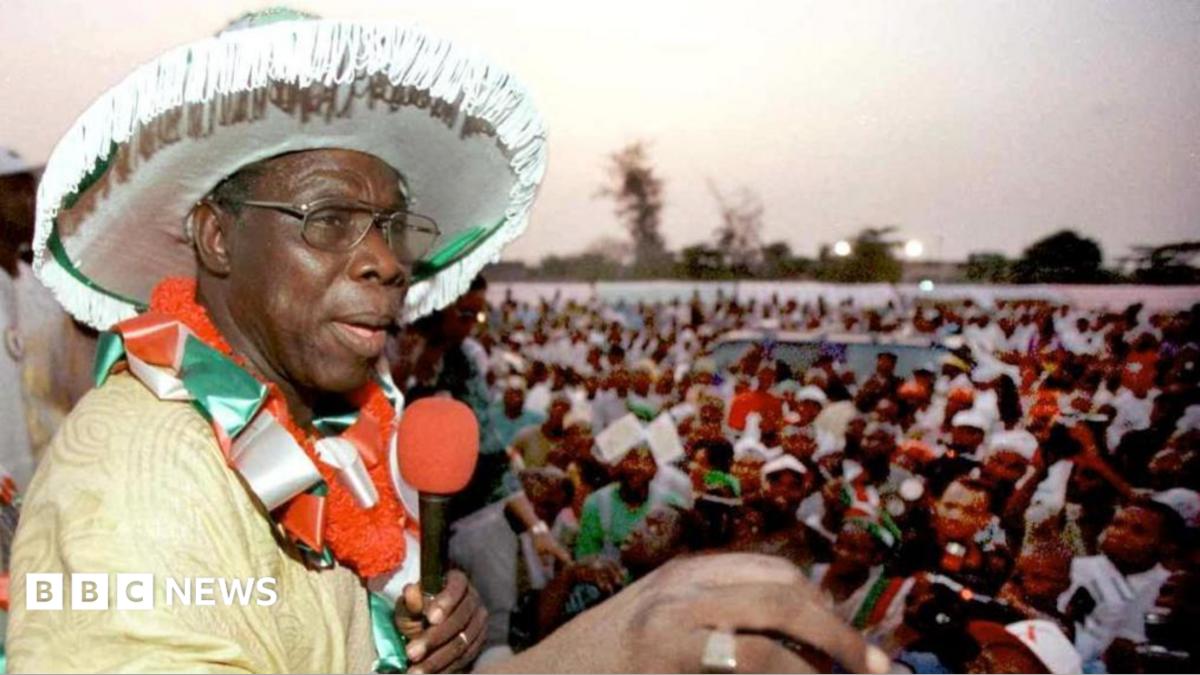
The Peoples Democratic Party (PDP), once the undisputed giant of Nigerian politics, now finds itself teetering on the precipice of political oblivion. As the nation gears up for the pivotal general election in January, a dark cloud of uncertainty hangs over the PDP’s very survival. The party is embroiled in a bitter, protracted factional struggle that has spilled into the courts, threatening to render it an irrelevant footnote in Nigeria’s democratic narrative by the time votes are cast. This marks a dramatic and precipitous fall for a political force that, since its inception in 1998, seemed invincible. For 16 years, the PDP held an unshakeable grip on the presidency, with Olusegun Obasanjo, Umaru Musa Yar’Adua, and Goodluck Jonathan serving successive terms, and dominated the legislative and sub-national spheres, controlling the vast majority of Nigeria’s 36 states. Its former chairman even optimistically declared in 2008 that the party was destined to govern for six decades, a boast that now rings hollow in the face of its current predicament.
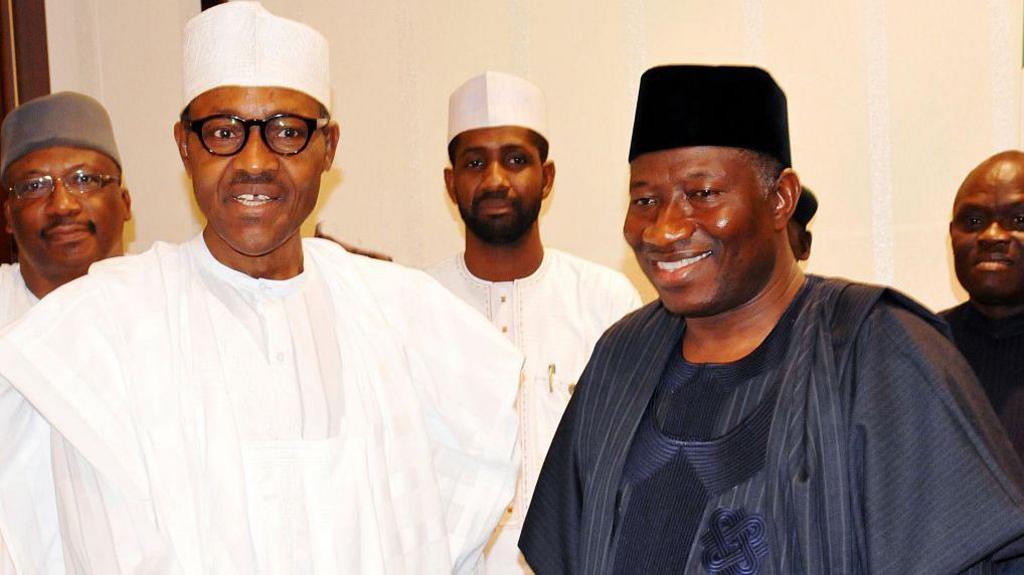
The first seismic tremor that shook the PDP’s foundations occurred in the 2015 federal election. This landmark poll saw the party lose the presidency to Muhammadu Buhari and the newly forged All Progressives Congress (APC), a formidable coalition comprising various opposition parties and disgruntled former PDP members. This defeat was not merely a change in leadership; it signaled a fundamental shift in Nigeria’s political landscape, pushing the PDP into uncharted territory as an opposition party.
According to political analyst Ishaq Buhari, the transition to opposition was a challenge the PDP struggled to navigate from the outset. "They were a party so accustomed to the levers of power, being in opposition was an entirely new and disorienting experience," he told the BBC. "This unfamiliarity led to a series of missteps and an inability to effectively rally and strategize outside of the corridors of federal power." The bewilderment among national leaders, accustomed to the privileges and influence of governance, was palpable. They had to fundamentally reorient their political machinery and public messaging, a task they proved ill-equipped to handle.
If 2015 represented a significant blow, the year 2025 proved to be the period when the PDP’s very structural integrity began to crumble. This year was characterized by a bewildering exodus of prominent figures and a series of acrimonious internal conflicts. The defection of several state governors, in particular, had a devastating impact on the party’s dwindling strength and influence. At the commencement of 2025, the PDP still held sway over eight states. However, by December of that year, a staggering five state governors – from Delta, Akwa Ibom, Enugu, Bayelsa, and Rivers – had switched their allegiance to the ruling APC. Their stated justifications for this mass departure included the PDP’s perceived declining viability and a desire for enhanced co-operation with the federal government, a move that effectively hobbled the opposition’s ability to present a united front. The erosion continued into the current electoral cycle; early in the year, the PDP managed to hold onto three states, but this number has now dwindled to zero, with the Oyo governorship slipping from the party’s grasp just last month.
Beyond the defections, the PDP’s internal landscape has been scarred by persistent power struggles, rampant factionalism, and a deeply divisive debate over the rotation of power between Nigeria’s diverse regions. Disciplinary actions, often perceived as heavy-handed, have further fueled a pervasive sense of disillusionment among the party’s rank and file. The cumulative effect has been a significant hemorrhaging of high-profile figures and valuable political talent. Notably, former Vice-President Atiku Abubakar, a prominent figure and a presidential aspirant, departed the party last year, further depleting its leadership pool and electoral appeal.
The internal crisis has been significantly exacerbated by a debilitating and protracted leadership tussle, creating a paralyzing standoff. In November 2025, a faction of the party, widely believed by observers to represent the majority of its membership, convened a national convention in Ibadan, Oyo State. This convention proceeded despite the existence of court orders ostensibly aimed at preventing it. A key outcome of this contentious gathering was the expulsion of Nyesom Wike, a highly influential PDP figure who had controversially joined President Bola Tinubu’s APC-led government. Wike, who was instrumental in the PDP’s founding, now leads a rival faction, creating a political schism that has effectively paralyzed the party’s operational capacity.
Wike’s controversial role in helping the APC secure victory in Rivers State during the last presidential election led to widespread accusations of betrayal against the PDP. However, in a twist of legal fate, the faction led by Wike has been recognized by the courts as the legitimate leadership of the PDP. This judicial pronouncement has empowered Wike’s faction to submit its slate of presidential and parliamentary candidates to the Independent National Electoral Commission (INEC), effectively disenfranchising the rival faction and leaving them without any representatives on the official ballot. This legal victory for Wike’s faction has plunged the PDP into an unprecedented state of disarray, casting a grim shadow over its prospects in the upcoming elections.
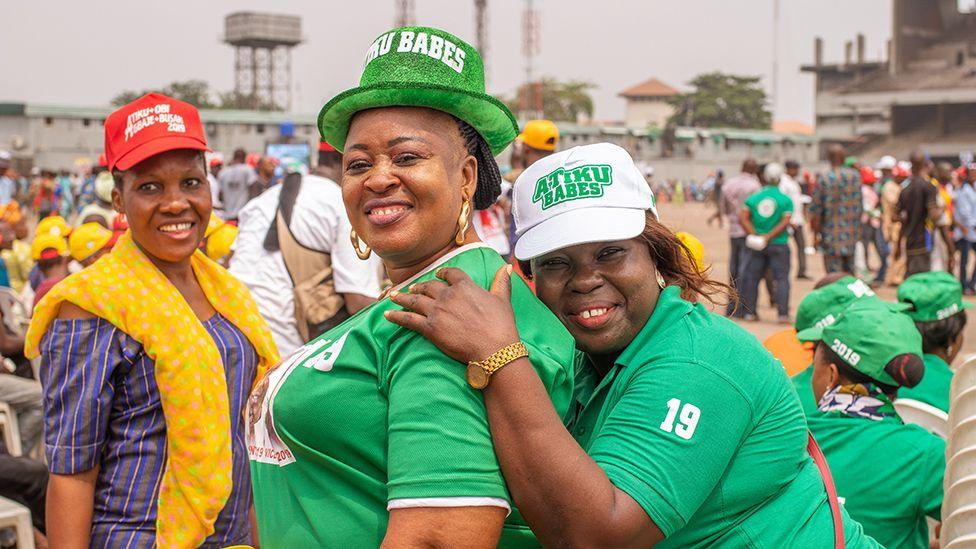
Despite the pervasive chaos and the seemingly insurmountable challenges, a cadre of steadfast loyalists remains cautiously optimistic about the PDP’s potential for resurgence. Aminu Adamu, a politician and a staunch member of the anti-Wike faction, believes that a return to the party’s former glory is not only possible but achievable. He draws parallels from international political history, citing examples from Thailand and Argentina where parties have experienced remarkable comebacks after extended periods in political wilderness. "We have witnessed such political comebacks before," Adamu stated to the BBC. "Our immediate task is to restore order within our own ranks and then embark on a systematic process of rebuilding. If we diligently implement all necessary reforms and corrections, I am confident that by 2032, the PDP can once again emerge as a formidable force in Nigerian politics."
Other party stalwarts emphasize the enduring strength of the PDP’s grassroots network. They argue that the party still possesses a vast army of offices, dedicated activists, loyal supporters, and influential local leaders across the country, all of which are essential for winning and sustaining political power. However, they acknowledge that by the 2032 election cycle, it might be too late to effect a meaningful recovery. The current disarray and the fact that candidates aligned with Nyesom Wike will be on the ballot under the PDP banner, raise serious doubts about voters’ willingness to entrust their mandates to a party perceived as internally fractured and lacking coherent leadership.
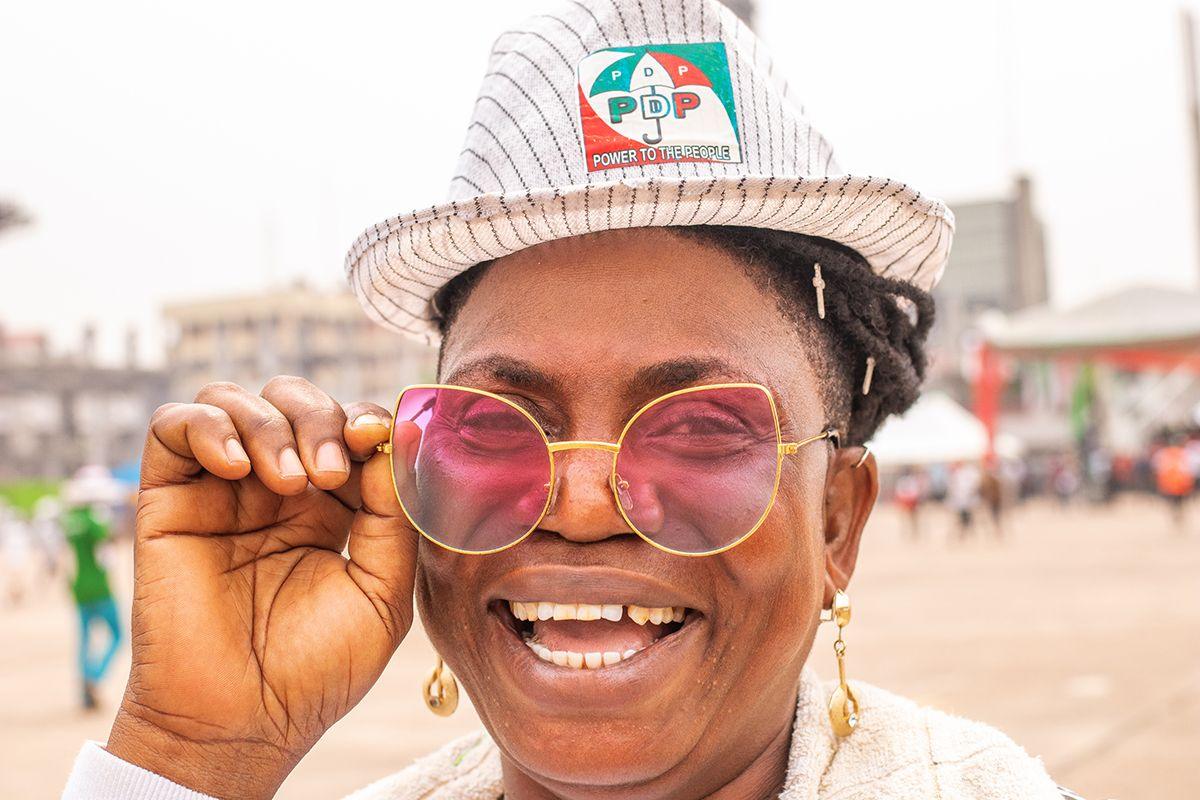
Political analyst Deji Olarenwaju suggests that the only viable path to salvation for the once-mighty PDP lies in forging an electoral alliance. He proposes a strategic partnership with either the African Democratic Congress (ADC), which is now considered the largest opposition bloc, or Peter Obi’s Nigeria Democratic Congress (NDC). "On their own, their prospects are extremely bleak; they are going nowhere," Olarenwaju asserts, underscoring the dire need for consolidation and collaboration to present a credible challenge. The current state of the PDP is a stark testament to the volatility of Nigerian politics, where even the most dominant parties can face existential threats if internal cohesion and strategic foresight falter. The coming January elections will undoubtedly be a defining moment, potentially marking either a final chapter for the PDP or the beginning of a hard-fought, uncertain renaissance.
