
 By admin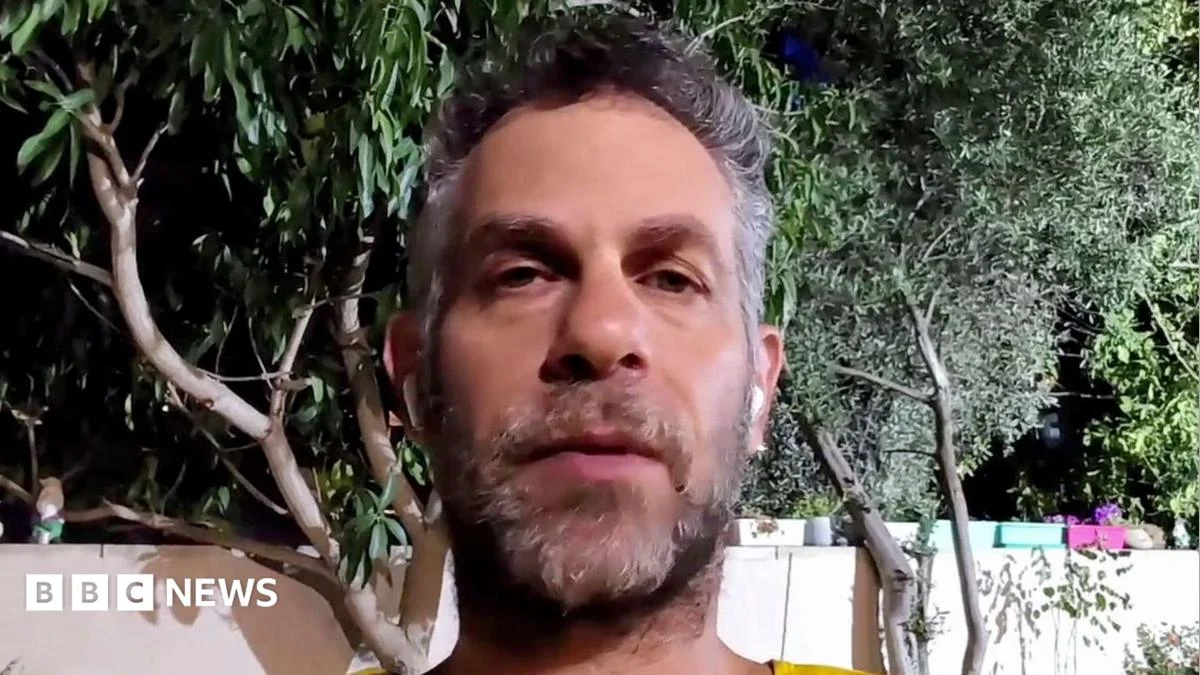
The chilling account of Almog Itali, a passenger aboard Flydubai Flight FZ1073, paints a harrowing picture of a near-catastrophe that saw the aircraft plummet an astonishing 17,000 feet in under two minutes. The incident, which unfolded during a routine flight to Israel, was reportedly triggered by a violent altercation between the cockpit crew, with one pilot allegedly stabbing his co-pilot. Itali’s description of the experience as akin to a "rollercoaster" barely scratches the surface of the terror that must have gripped the 166 souls on board as gravity asserted its terrifying dominance. The gravity of the situation necessitated an emergency diversion to Saudi Arabia, a testament to the severity of the unfolding crisis. While official investigations are ongoing, early reports suggest an extraordinary display of passenger and crew resourcefulness, with several passengers reportedly stepping in to assist in managing the aircraft before two other pilots, positioned in the rear of the plane, bravely took the controls to bring the crippled flight safely to the ground.
The incident on FZ1073, a Boeing 737-800 operating under flight number FZ1073, serving the Dubai to Tel Aviv route, has sent shockwaves through the aviation industry. The sheer speed of the descent – 17,000 feet in less than two minutes – is a stark indicator of the rapid loss of control that must have occurred. To put this into perspective, a typical descent rate for a commercial airliner is around 500 to 2,000 feet per minute. A rate exceeding 8,500 feet per minute, as suggested by the reported figures, is alarmingly steep and indicative of a severe loss of altitude, potentially entering into dangerous territory where structural integrity and passenger well-being are severely compromised. This rapid loss of altitude would have subjected passengers to intense G-forces, creating a disorienting and terrifying sensation of freefall, validating Itali’s apt, albeit understated, comparison to a rollercoaster ride. The suddenness of such a plunge would have been accompanied by extreme changes in cabin pressure, potentially causing ear pain, nausea, and widespread panic.
The reported motive behind this terrifying ordeal, a suspected violent attack by one pilot on his co-pilot, is deeply disturbing and raises critical questions about crew dynamics, mental health protocols within the aviation sector, and the robust safety nets designed to prevent such extreme scenarios. While details remain scarce and subject to official investigation, the mere suggestion of such an act within the confines of a cockpit, the most controlled and scrutinized environment in modern transport, is unprecedented. Aviation safety is built upon layers of redundancy and stringent protocols, including rigorous psychological evaluations and training for flight crew. The fact that an incident of this nature could allegedly transpire, leading to a catastrophic loss of control, points to a potential breakdown in these systems or an unforeseen, extreme event. Experts in aviation psychology emphasize the importance of maintaining a stable and cooperative working relationship between pilots, as effective communication and trust are paramount during all phases of flight, especially during critical maneuvers. The idea of a deliberate act of violence disrupting this delicate balance is a sobering prospect for all involved in air travel.
The immediate aftermath of the alleged attack and subsequent descent saw a remarkable, albeit desperate, intervention from those on board. Almog Itali’s account highlights the fact that "several passengers said they took control of the flight." While the precise nature of this "control" is not detailed, it is plausible that in the absence of immediate cockpit authority, passengers with aviation backgrounds, or even those with a strong presence of mind, attempted to communicate with the flight deck, offer assistance, or perhaps even try to access the cockpit to regain control. This scenario, while extraordinary, underscores the human instinct for survival and the potential for untrained individuals to rise to the occasion in the face of extreme adversity. Such actions, even if limited to communication or providing moral support, can be crucial in de-escalating a crisis and ensuring that necessary steps are taken.
The true heroes of this unfolding narrative, however, appear to be the two additional pilots who were reportedly in the rear of the aircraft. Their prompt and courageous intervention to land the plane in Saudi Arabia, after the flight was diverted, is a testament to their professionalism and skill. These pilots, likely off-duty or in a supervisory capacity, were able to step into an unprecedented and highly stressful situation, taking command of a severely compromised flight and guiding it to a safe landing. This act of bravery is particularly noteworthy given the immense pressure and the unknown circumstances they were facing. The ability of these pilots to quickly assess the situation, overcome the immediate crisis in the cockpit, and execute a safe landing demonstrates the deep reservoir of talent and dedication within the piloting profession. Their actions undoubtedly prevented a far greater tragedy.
The diversion to Saudi Arabia itself underscores the gravity of the situation. Airports in Saudi Arabia are equipped to handle a wide range of aviation emergencies, and their swift response would have been critical in providing a safe haven for the aircraft and its passengers. The decision to divert would have been made by the remaining competent crew members, weighing factors such as fuel, aircraft performance, and the availability of emergency services. The fact that the flight was able to land safely in Saudi Arabia is a testament to the skill of the pilots who took control and the preparedness of the ground crews at the diversion airport. The subsequent handling of the passengers, including their disembarkation and any necessary medical attention or debriefing, would have been managed by the Saudi authorities in coordination with Flydubai.
The investigation into the FZ1073 incident will undoubtedly focus on several key areas. Firstly, the actions of the pilot accused of the attack will be scrutinized to understand the timeline, the nature of the alleged stabbing, and any potential contributing factors such as mental health issues or external stressors. Secondly, the effectiveness of the aircraft’s safety systems and emergency procedures will be evaluated. This includes how quickly the situation was recognized, how communication was managed, and the protocols for handling in-flight incapacitation or violence. Thirdly, the role of the passengers and the off-duty pilots will be a significant point of analysis, potentially leading to a review of training and preparedness for extraordinary circumstances. The aviation industry is constantly evolving, and incidents like this, however rare, serve as crucial learning opportunities to further enhance safety measures.
The psychological impact on the passengers and crew of FZ1073 cannot be overstated. Almog Itali’s experience, though only partially detailed, suggests a profound trauma. The sudden and violent nature of the event, coupled with the terrifying descent, would have left indelible marks. Passengers would have experienced fear for their lives, uncertainty, and a loss of control that is antithetical to the perceived safety of air travel. The aftermath would involve extensive debriefing, counseling, and support services to help them cope with the trauma. The cabin crew, too, would have faced immense pressure, managing panic and ensuring passenger safety under extreme duress.
Looking ahead, the FZ1073 incident will likely prompt a renewed focus on pilot mental health and well-being programs within airlines. While the vast majority of pilots are highly trained professionals with impeccable mental and physical health, the potential for an isolated incident to have such catastrophic consequences necessitates a thorough review of existing screening and support mechanisms. This could involve enhanced psychological assessments, confidential reporting systems for crew members experiencing distress, and robust peer support programs. The aviation industry has a zero-tolerance policy for anything that compromises safety, and this incident will undoubtedly lead to a deep dive into how to prevent such extreme breaches of protocol.
Furthermore, the role of passengers in assisting during emergencies, while not a primary safety feature, could be re-examined. While direct intervention in cockpit operations is highly unlikely and potentially dangerous for untrained individuals, there might be scope for enhanced communication protocols or passenger awareness programs that empower individuals to assist in non-critical ways during emergencies, under the guidance of the flight crew. However, the primary responsibility for flight safety remains firmly with the trained professionals.
The story of FZ1073 is a stark reminder that even in an era of advanced technology and stringent safety regulations, human factors can play a critical and, in this case, potentially devastating role. The courage of the two pilots who landed the plane, the resilience of the passengers like Almog Itali, and the swift response of the Saudi authorities all contributed to averting a complete disaster. However, the underlying cause, the alleged violent act within the cockpit, remains a deeply troubling aspect that will be at the forefront of the ongoing investigation and will undoubtedly shape future safety protocols in the global aviation industry. The narrative of FZ1073 is not just about a terrifying flight; it is a story about the fragility of human systems, the strength of the human spirit in the face of adversity, and the relentless pursuit of safety in the skies. The full report of the investigation will be eagerly awaited, offering crucial insights into how such an event was allowed to unfold and what measures can be implemented to ensure it never happens again.
