
 By admin
In a strategic move designed to capture a broader segment of the travel market, Alaska Airlines has officially confirmed the upcoming launch of a no-annual-fee credit card, marking a significant expansion of its financial product ecosystem. This announcement, made on September 30, 2026, comes on the heels of the airline’s recent reveal of a points-earning debit card, signaling an aggressive push to diversify how consumers interact with the Atmos Rewards program. Atmos Rewards, the unified loyalty platform born from the landmark merger and integration of Alaska Airlines and Hawaiian Airlines, has rapidly ascended to become one of the most influential currencies in the travel industry. By introducing a credit card without a yearly cost, Alaska is positioning itself to attract casual flyers and younger consumers who are often deterred by the high annual fees associated with premium travel cards.
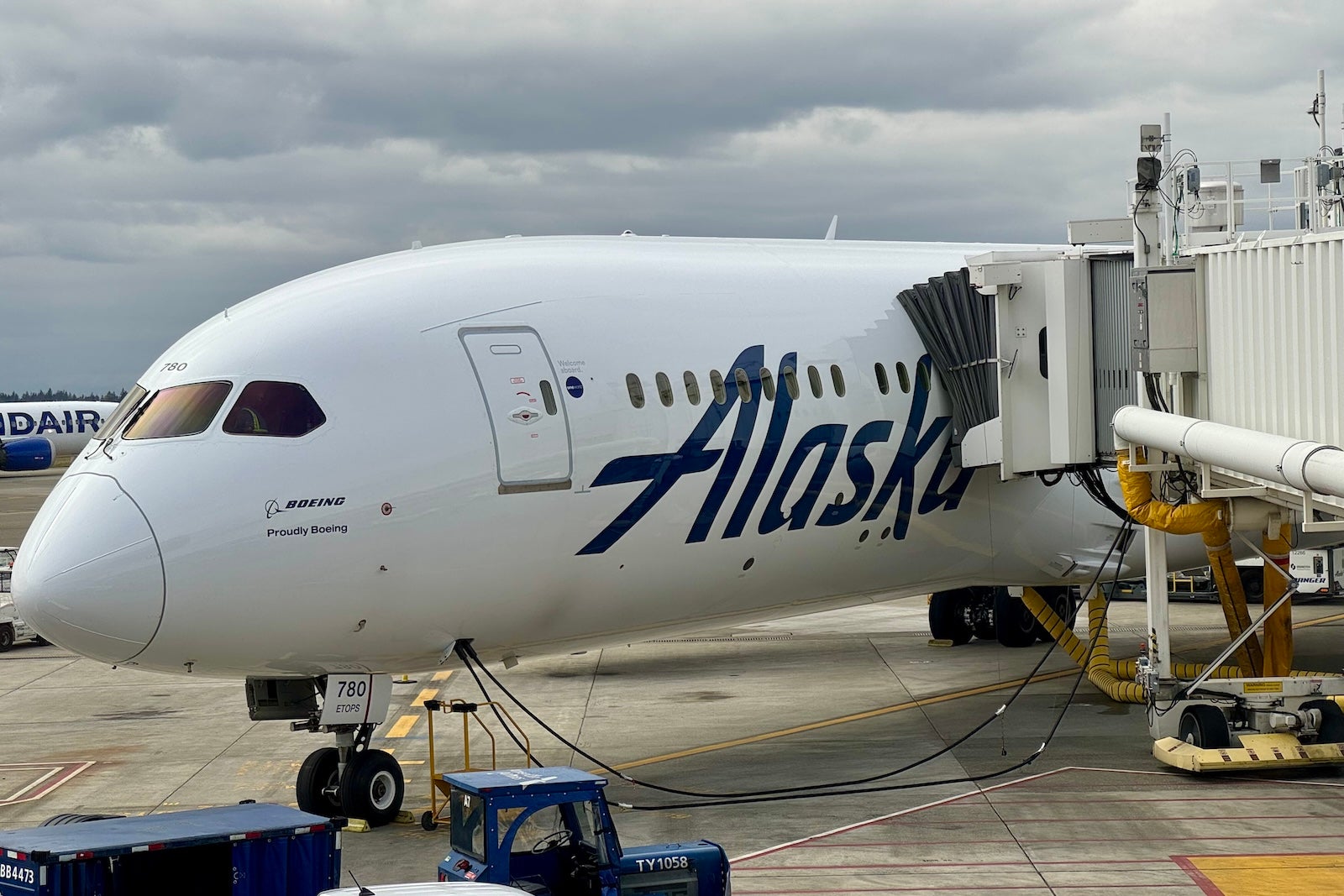
The decision to launch a no-annual-fee card reflects a broader trend within the aviation and hospitality sectors, where companies are increasingly "layering" their co-branded credit card portfolios to offer entry-level, mid-tier, and premium options. For Alaska Airlines and its partner Hawaiian Airlines, the new card will serve as the entry point into the Atmos ecosystem. While specific details regarding the card’s exact benefits and its formal release date remain under wraps, the airline has confirmed that the card will allow cardholders to earn both redeemable points and status points. The inclusion of status points—often referred to as Elite Leave Miles or qualifying segments in other programs—is a particularly notable feature for a no-fee card. Typically, the ability to earn progress toward elite status through credit card spending is reserved for cards with annual fees ranging from $95 to $550. By offering a path to status without a barrier to entry, Alaska is effectively democratizing its loyalty tiers.
Industry analysts suggest that this move is a direct response to the evolving "loyalty wars" in a post-consolidation US airline market. With the Atmos Rewards program consistently ranking as one of the most valuable in terms of cents-per-point valuation, providing a free way to accumulate this currency is a powerful acquisition tool. For the frequent traveler, Atmos points are a "holy grail" of sorts, known for their flexibility across a vast network of international partners and the unique "stopover" rules that Alaska has historically maintained. The new card is expected to offer a modest earning rate—likely 1 point per dollar on everyday purchases and a slightly higher multiplier for Alaska and Hawaiian flights—while omitting some of the more expensive perks like the famous "Companion Fare" or complimentary checked bags, which are reserved for the flagship Alaska Airlines Visa Signature card.
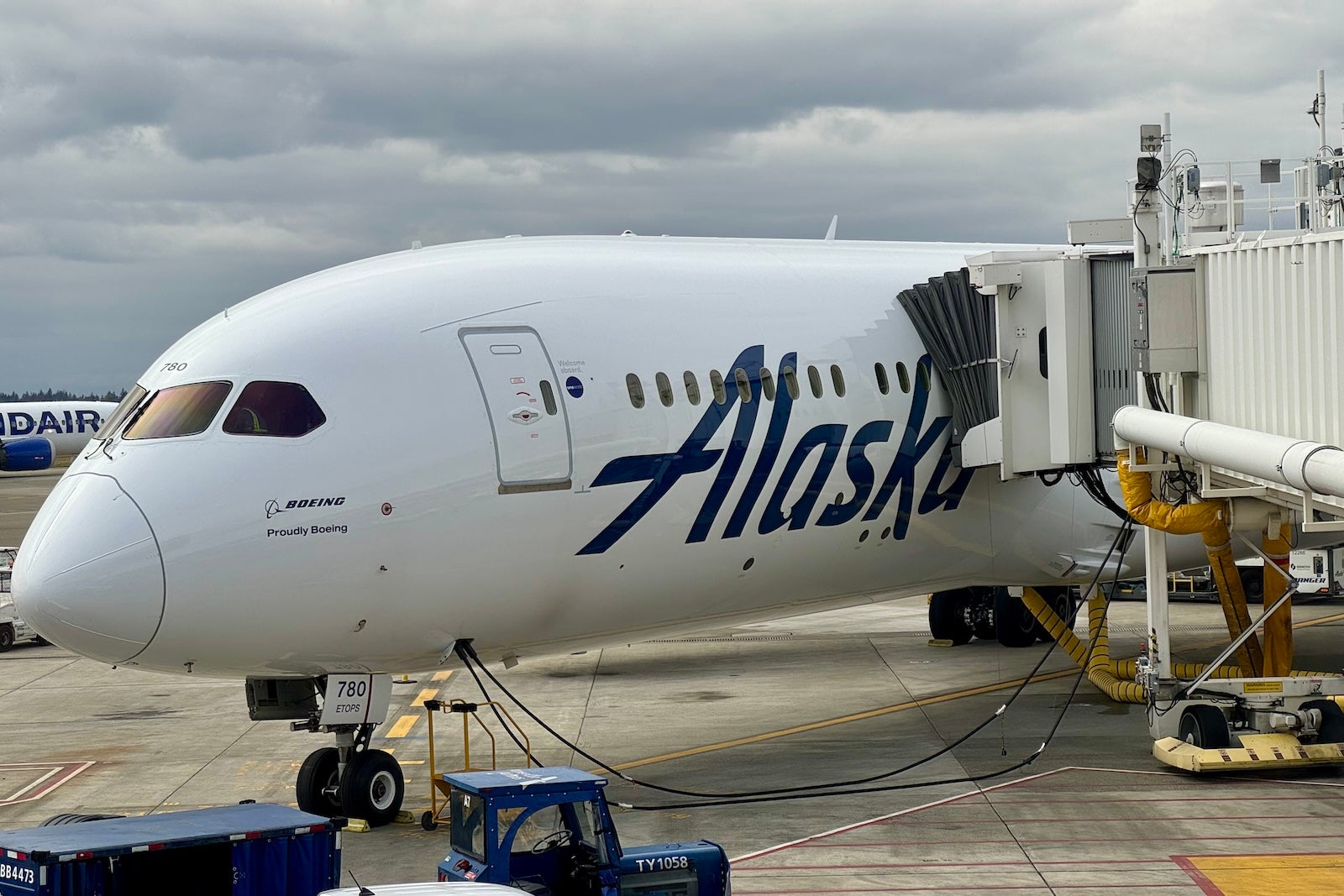
The expansion of the Atmos credit card lineup creates a "trifecta" of consumer options: the new no-annual-fee card for casual earners, the standard card for frequent travelers, and a high-tier or business-focused card for those seeking maximum perks. This tiered approach ensures that whether a customer flies once a year or once a week, there is a financial product tailored to their spending habits. Furthermore, the airline’s foray into the debit card space—revealed just a day prior—shows a commitment to capturing the "un-carded" or debt-averse demographic, particularly Gen Z and younger Millennials who prefer using liquid funds over credit.
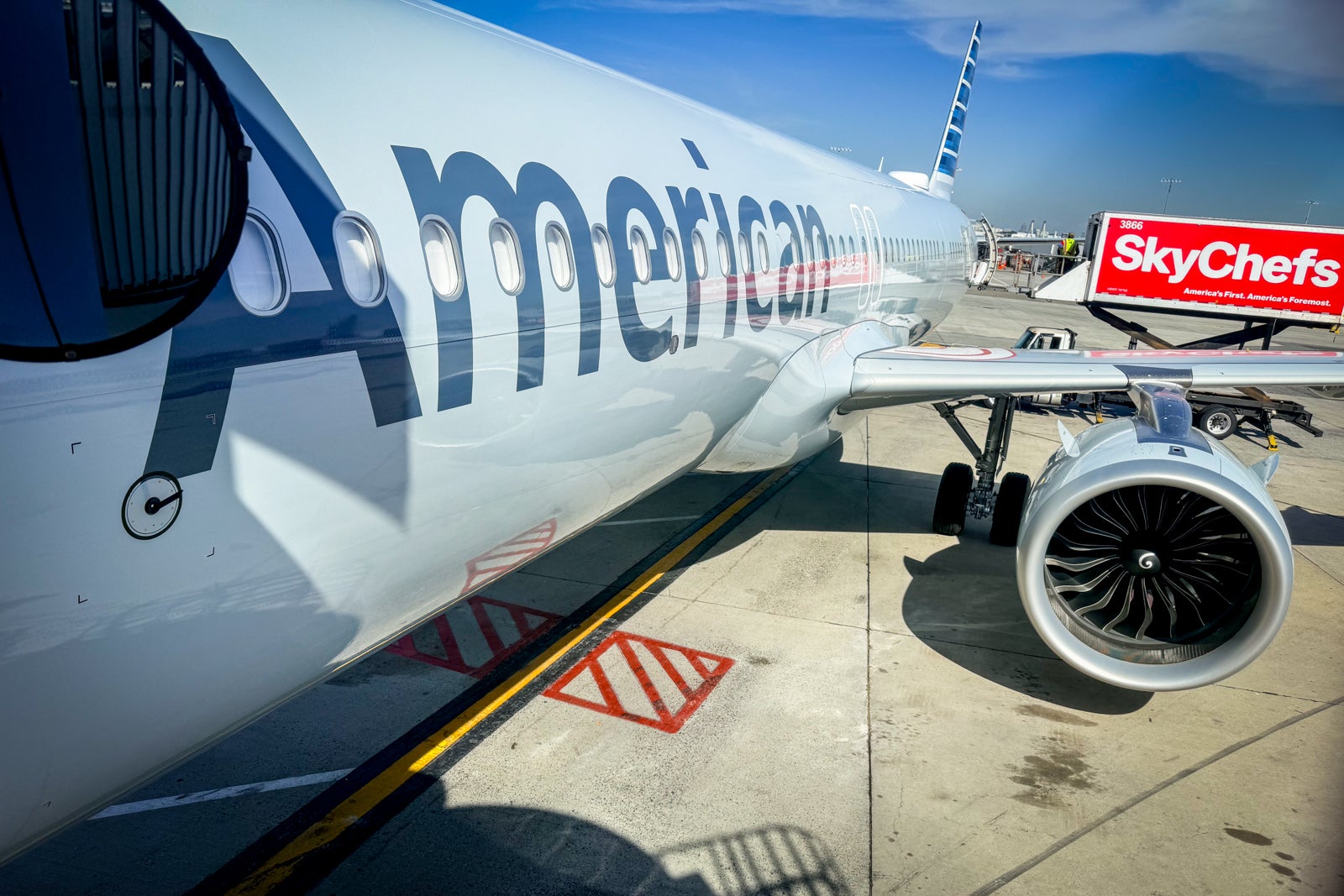
Beyond the hardware of plastic and metal cards, Alaska Airlines is also deepening its strategic relationship with American Airlines, a fellow Oneworld alliance member. Starting this week, Atmos Rewards members who frequently find themselves on American Airlines flights will benefit from a new level of flexibility. When flying with American, Atmos members can now choose how they wish to be rewarded. This "choice" mechanism allows travelers to prioritize either high-volume point accumulation for future award redemptions or a focus on earning status-qualifying metrics to climb the Atmos elite ranks. This integration is seamless; as long as a traveler attaches their Atmos number to an American Airlines reservation, the rewards will flow according to their preference. However, the airline cautioned that this is a "one or the other" scenario: travelers cannot double-dip by earning both American AAdvantage miles and Atmos Rewards points on the same flight.

This synergy with American Airlines is crucial for Alaska’s growth strategy, particularly in hubs like Los Angeles (LAX) and Seattle (SEA), where both carriers maintain a significant presence. By allowing Atmos members to treat American Airlines flights almost as if they were "on-metal" Alaska or Hawaiian flights for the purposes of loyalty, the airline is effectively expanding its network footprint without the capital expenditure of new aircraft. It provides a compelling reason for a traveler based in a city like Dallas or Chicago—traditionally American Airlines strongholds—to maintain an Atmos account and potentially carry an Alaska-branded credit card.
On the financial partnership front, Alaska Airlines made waves this week by announcing a new transfer partnership with Bank of America. This marks a pivotal shift in the Atmos Rewards strategy. For years, Alaska was one of the few major US carriers without a primary transfer link to a major "Big Three" bank (Chase, Amex, or Citi), relying instead on its co-branded cards and a niche partnership with Bilt Rewards. The new arrangement with Bank of America allows holders of certain BoA-branded cards to move their rewards directly into the Atmos program. While the exact transfer ratio has not been disclosed, Brett Catlin, Alaska’s Senior Vice President of Network, Partnerships, and Loyalty, suggested that the rate would be "competitive with what’s seen across the industry." A 1:1 transfer ratio would instantly make Bank of America’s proprietary cards some of the most sought-after tools for travel hackers, given the high value of Atmos points.
However, those hoping for a flurry of additional US-based transfer partners may be disappointed. Catlin clarified that the airline is not looking to add more domestic financial institutions to its roster in the near future. Instead, the focus is shifting toward a global stage. "Think about Australia, the U.K., or otherwise," Catlin noted in a recent interview. "It is more of a global play than additional U.S.-centric financial institutions." This international ambition suggests that Alaska is looking to leverage its Oneworld connections—specifically with carriers like Qantas and British Airways—to establish Atmos as a global currency. By partnering with banks in London or Sydney, Alaska can attract international travelers who may never live in the United States but frequently use the carrier to connect through West Coast gateways to Hawaii or the South Pacific.
The timing of these announcements coincides with a period of high visibility for the airline. The recent debut of an Embraer 175 featuring a "Toy Story 5" livery at San Diego International Airport (SAN) serves as a colorful reminder of the airline’s marketing prowess and its deep ties to West Coast culture and entertainment. As the airline continues to integrate the Hawaiian Airlines brand, the Atmos program serves as the connective tissue that holds these two distinct identities together. The name "Atmos" itself evokes a sense of the vast Pacific sky and the atmosphere that connects the rugged landscapes of Alaska to the tropical shores of Hawaii.
For the consumer, the takeaway is clear: the Atmos Rewards program is no longer just a niche favorite for West Coast residents. It is evolving into a comprehensive financial ecosystem. The introduction of a no-annual-fee card removes the final barrier for millions of potential members. As travel costs continue to fluctuate, the ability to earn high-value points on everyday spending without an upfront investment provides a safety net for future vacations. Whether it is through a Bank of America transfer, a flight on American Airlines, or a simple grocery run with a no-fee credit card, Alaska Airlines is ensuring that Atmos points are easier to earn—and harder to ignore—than ever before.
As the industry looks toward 2027, the success of this "everything-for-everyone" strategy will depend on the airline’s ability to maintain the high valuation of its points despite the increased supply. Critics of loyalty program expansions often point to "devaluation" as a natural consequence of making points easier to earn. However, by restricting transfer partners to specific international banks and a single major US partner, Alaska appears to be carefully managing the "minting" of its currency to prevent inflation. For now, the launch of the no-annual-fee card stands as a bold invitation to travelers: the sky is open, and the entry fee has just been waived.
