
 By admin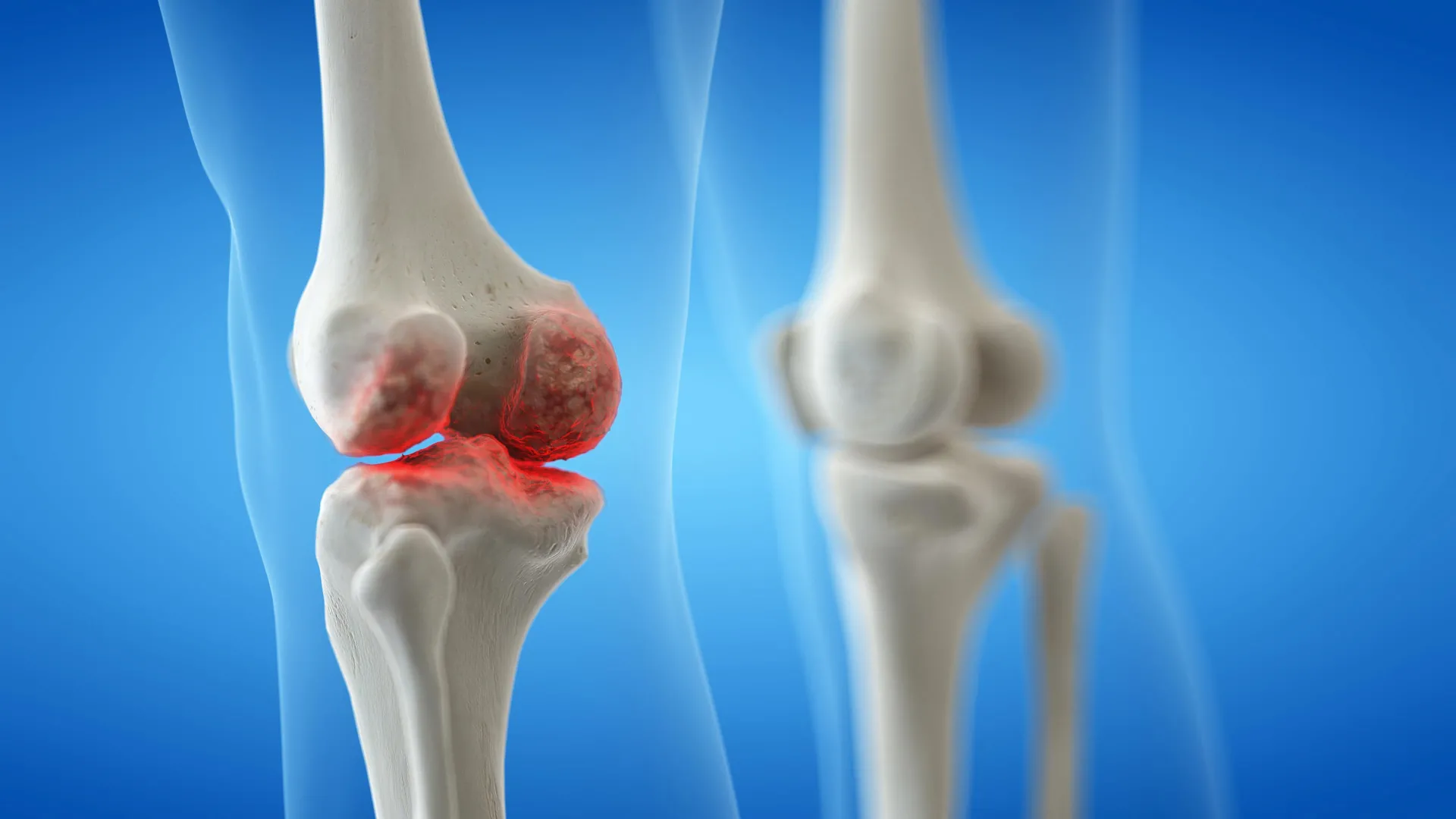
At its core, knee osteoarthritis develops as the vital articular cartilage, a smooth, resilient tissue covering the ends of bones in the joint, gradually breaks down. Healthy articular cartilage, primarily composed of water, collagen, and proteoglycans, serves as a natural shock absorber and allows the knee to glide effortlessly through its range of motion, protecting the underlying bone from friction and impact. However, in OA, this protective layer undergoes enzymatic degradation, thinning, and fraying, losing its elasticity and cushioning properties. This process is not merely mechanical; it involves biological changes within the joint, including low-grade inflammation, altered chondrocyte (cartilage cell) function, and failed repair mechanisms. As this critical layer deteriorates, the bones can begin to rub directly against each other, leading to pain, swelling, stiffness, and a grating sensation known as crepitus. These symptoms often start subtly but can become increasingly severe and debilitating over time, progressively limiting a person’s physical capabilities.
"Osteoarthritis can cause knee pain and stiffness, which can negatively impact a person’s activity level, risk of falling, mood and general quality of life," explained Dr. Abby Cheng, a distinguished orthopedic surgeon at Washington University School of Medicine in St. Louis. Dr. Cheng’s unique expertise also encompasses physiatry, a specialty focused on the nonsurgical treatment and rehabilitation of conditions such as arthritis, offering a comprehensive perspective on managing the disease. Her insights underscore the far-reaching consequences of OA, extending beyond localized joint discomfort. Reduced activity levels, for instance, can translate into difficulty performing daily tasks like climbing stairs, walking short distances, or even standing for extended periods, severely restricting participation in hobbies, social engagements, and professional responsibilities. The increased risk of falling, a significant concern for older adults, stems from a combination of muscle weakness, impaired balance, and the fear of exacerbating pain, potentially leading to serious injuries like fractures. Moreover, the chronic nature of OA pain and the resultant functional limitations often take a heavy toll on mental well-being, contributing to feelings of frustration, isolation, depression, and anxiety, thereby diminishing overall quality of life.
Knee Osteoarthritis Can Affect More Than Mobility
The ripple effects of osteoarthritis extend far beyond the immediate pain and stiffness in the joint, permeating various aspects of an individual’s life and imposing a substantial burden on society. Difficulty moving and performing physical tasks can directly impact a person’s ability to work, leading to missed days, reduced productivity, and ultimately, lost income. For many, this can have significant economic repercussions, affecting financial stability and potentially leading to early retirement or disability.
Beyond economic strain, the physical limitations imposed by knee OA often lead to a sedentary lifestyle. This lack of physical activity is a critical concern, as it significantly increases the risk of developing or worsening other serious chronic health conditions. These include cardiovascular diseases such as heart disease and stroke, type 2 diabetes, certain types of cancer, and obesity. The cycle is vicious: OA pain discourages activity, leading to weight gain and muscle deconditioning, which in turn exacerbates OA symptoms and increases the risk of other health problems. For instance, physical inactivity contributes to higher blood pressure, unhealthy cholesterol levels, and insulin resistance, all precursors to more severe conditions. Chronic inflammation associated with both obesity and OA may also play a role in the development of certain cancers.
The prevalence of osteoarthritis underscores its status as a major public health challenge. More than 30 million adults in the U.S. alone grapple with some form of the condition, making it one of the most common chronic diseases. Among all joints, the knee is the most frequently affected, bearing the brunt of body weight and complex biomechanical forces during movement. While osteoarthritis is commonly associated with the natural aging process, a striking and often overlooked statistic is that roughly half of all cases occur among individuals who are still of working age. This dispels the misconception that OA is exclusively a disease of the elderly, highlighting its profound impact on workforce productivity, family caregiving roles, and the broader economy. It also means that many individuals are facing significant physical challenges during their peak earning and family-rearing years.
Several factors increase an individual’s susceptibility to knee osteoarthritis. "Having weak leg muscles and being overweight or obese increases a person’s risk for knee osteoarthritis," Dr. Cheng elaborated. Strong quadriceps and hamstring muscles are crucial for stabilizing the knee joint, absorbing shock, and reducing the load on the cartilage. When these muscles are weak, the joint is less supported, leading to increased stress and accelerated cartilage wear.
Obesity, in particular, is a potent risk factor. Every pound of body weight places approximately four pounds of stress on the knees with each step. Therefore, being overweight or obese significantly amplifies the mechanical load on the knee joints, accelerating cartilage breakdown. Furthermore, adipose (fat) tissue is metabolically active, releasing pro-inflammatory cytokines that contribute to systemic inflammation, which can directly harm cartilage and exacerbate OA progression throughout the body, not just in weight-bearing joints.
Dr. Cheng also pointed out, "Women, older adults, people with a prior knee injury and those with a family history of osteoarthritis are also more likely to have the condition." Women are disproportionately affected by OA, particularly after menopause, suggesting a role for hormonal factors, though biomechanical differences such as a wider Q-angle (the angle between the hip and knee) and ligamentous laxity may also contribute. Older age is a well-established risk factor, as cartilage naturally loses some of its resilience over time, and years of micro-trauma accumulate. Previous knee injuries, such as ACL tears, meniscus damage, or fractures, significantly disrupt joint mechanics and predispose individuals to early-onset and more severe OA by altering load distribution and initiating inflammatory responses. Lastly, a family history of osteoarthritis indicates a genetic predisposition, though this does not mean the condition is inevitable, as lifestyle choices can play a crucial role. Other risk factors include repetitive stress from certain occupations or sports, metabolic syndrome, and congenital joint malalignment.
Lifestyle Changes Can Help Ease Knee Pain
For those already living with osteoarthritis, a range of effective strategies exists to manage pain, improve mobility, and slow the condition’s progression. A comprehensive, multimodal approach that integrates healthy lifestyle habits with medical treatments is often the most successful. Early intervention is key to preserving joint function and enhancing quality of life.
Diet plays a surprisingly significant role in managing OA symptoms. "Eating more plants and less processed or sugary food reduces inflammation in the body, which can reduce pain from osteoarthritis in all joints," Dr. Cheng advised. Adopting an anti-inflammatory eating pattern, akin to the Mediterranean diet, emphasizes whole grains, abundant fruits and vegetables, lean proteins, and healthy fats while limiting red meat, refined carbohydrates, and sugary beverages. This dietary approach helps to reduce systemic inflammation, a key driver of OA pain and progression, and can also contribute to weight management. Specific nutrients like omega-3 fatty acids (found in fatty fish), antioxidants (vitamins C and E), and various plant compounds have anti-inflammatory properties that can support joint health.
Beyond diet, several other common treatments are utilized for knee osteoarthritis. Strengthening the thigh muscles, particularly the quadriceps and hamstrings, is fundamental. Targeted exercises improve joint stability, provide better shock absorption, and reduce the mechanical load on the compromised cartilage. Physical therapy, which often includes a combination of strengthening, flexibility, and balance exercises, is a cornerstone of nonsurgical management. Low-impact aerobic activities like swimming, cycling, or walking are also beneficial for maintaining cardiovascular health, managing weight, and improving joint function without excessive stress.
Knee braces, such as unloader braces that shift weight away from the damaged compartment of the knee or patellar tracking braces that help align the kneecap, can provide support and alleviate pain for some individuals. Medications range from over-the-counter options like acetaminophen for mild pain to nonsteroidal anti-inflammatory drugs (NSAIDs), both oral and topical, which reduce pain and inflammation. For chronic musculoskeletal pain, certain antidepressants like duloxetine may also be prescribed.
When conservative measures are insufficient, injections can offer targeted relief. Cortisone (corticosteroid) injections directly into the joint can provide potent, short-term anti-inflammatory effects and pain relief, though their use is typically limited due to potential long-term side effects. Hyaluronic acid injections, also known as viscosupplementation, aim to restore some of the natural lubricating and shock-absorbing properties of the synovial fluid, with varying degrees of efficacy among patients. Emerging treatments like Platelet-Rich Plasma (PRP) and stem cell therapy are currently under active research, showing promise for some individuals by leveraging the body’s natural healing processes, though they are not yet standard-of-care.
For individuals with severe, end-stage osteoarthritis where conservative treatments have failed, knee replacement surgery (arthroplasty) can be a highly effective option. This procedure involves removing the damaged bone and cartilage and replacing them with prosthetic components made of metal and plastic. Total knee replacement is a common and successful operation that can significantly alleviate pain and restore function, dramatically improving quality of life. In some cases, partial knee replacement may be suitable if only one compartment of the knee is severely affected.
Crucially, health care providers play a vital role in working with patients to develop individualized strategies for managing osteoarthritis. This often involves a multidisciplinary team, including physicians, physical therapists, occupational therapists, dietitians, and pain specialists. They can connect people with community-based programs, support groups, and other resources that facilitate initiating and maintaining healthy lifestyle changes over time. Patient education and self-management programs empower individuals to take an active role in their care, understand their condition, and implement daily strategies for better health.
The impact of even seemingly small improvements can be surprisingly profound. Dr. Cheng highlighted a compelling statistic: "for a person who is overweight, losing 10 pounds can reduce the stress placed on the knees by 40 pounds with every step. That reduction in pressure can significantly ease joint pain." This 4-to-1 ratio underscores the immense leverage that weight loss offers in reducing the mechanical load on the knees. Similarly, consistent daily walks, choosing stairs over elevators, or incorporating simple stretching routines can collectively lead to substantial improvements in pain, mobility, and overall well-being.
Exercise and Healthy Weight May Lower Risk
Many of the strategies employed to manage existing osteoarthritis are also powerful tools for reducing the chances of developing the condition in the first place. Primary prevention focuses on modifying risk factors before the disease manifests.
Regular physical activity stands out as a key preventive measure. Despite a common misconception that high-impact activities like running can "damage the knees" and lead to OA, scientific evidence suggests that moderate, consistent running is generally safe for healthy knees and can even be protective. Running, when performed correctly and progressively, strengthens the muscles surrounding the knee, improves joint stability, and enhances the circulation of synovial fluid, which nourishes cartilage. It’s important to differentiate between recreational running and elite-level, high-impact sports with repetitive trauma, which may carry a higher risk. A varied exercise routine that includes strength training, flexibility exercises, and cardiovascular activities is ideal for promoting overall joint health and maintaining a healthy weight.
Maintaining a healthy weight is arguably the most critical preventive strategy. By reducing the chronic mechanical stress on the knee joints, individuals can significantly lower their risk of cartilage breakdown and OA development. Achieving and sustaining a healthy body mass index (BMI) through a combination of diet and exercise is a lifelong endeavor that pays substantial dividends for joint health.
Diet also plays a crucial role in prevention. A healthy eating pattern rich in whole grains, abundant fruits and vegetables, lean proteins, and healthy fats, while actively limiting processed and refined foods, not only aids in weight management but also supports overall systemic health. This anti-inflammatory diet can help mitigate the chronic low-grade inflammation that contributes to cartilage degradation, thereby offering a protective effect against osteoarthritis.
Family History Does Not Determine Your Future
While osteoarthritis might not evoke the same level of public alarm as diseases like cancer or heart disease, its pervasive effects on health, well-being, and quality of life can be equally substantial. Millions of individuals navigate the daily challenges of living with this chronic condition, impacting their independence, social engagement, and mental health. Yet, a powerful message of empowerment exists: individuals are not passive recipients of their genetic fate. There are practical, actionable steps one can take to significantly reduce their own risk and potentially safeguard the health of their families.
"Some people think that because a parent or grandparent had osteoarthritis, they will develop it too," Dr. Cheng observed. "And while it’s true that osteoarthritis can run in families, it doesn’t mean there’s nothing a person can do to successfully lower their risk of developing it." Indeed, research indicates a genetic component to OA, with heritability estimates suggesting that genes can influence susceptibility. However, genetic predisposition is not a death sentence. The interplay between genes and environmental factors, known as gene-environment interaction, is paramount. Even with a genetic blueprint that might increase risk, lifestyle choices, such as maintaining a healthy weight, engaging in regular physical activity, adopting an anti-inflammatory diet, and avoiding knee injuries, can significantly modify how those genes are expressed or how severely the disease progresses. This understanding offers a profound sense of control and hope, transforming a perceived inevitability into an opportunity for proactive health management. By embracing these preventative and management strategies, individuals can actively shape their joint health trajectory, fostering resilience and promoting a higher quality of life for themselves and their loved ones.
It’s your health. Take control.
