
 By admin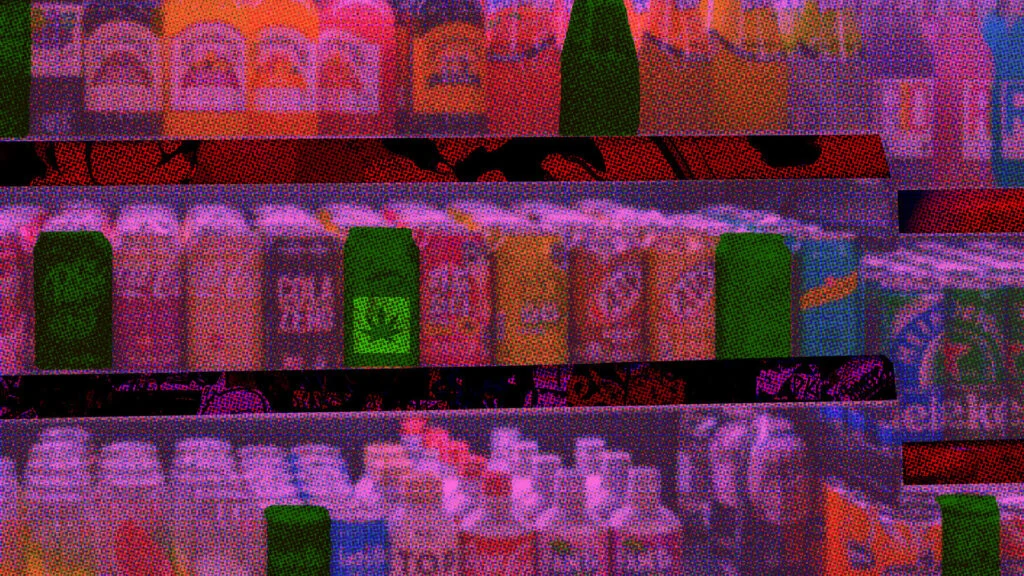
In the bustling refrigerated sections of New York City’s grocery stores, bodegas, and corner delis, a new type of consumer product has quietly integrated itself into the landscape of modern convenience. To the casual observer, the rows of brightly colored cans bearing names like Oasis, Cann, Milonga, Cycling Frog, Tempter’s, Gigli, and Mighty Kind appear indistinguishable from the wave of "functional beverages" that have dominated the market in recent years. Tucked between probiotic sodas, artisanal iced teas, and wellness-coded sparkling waters, these cans utilize a design language of minimalism and pastel gradients that suggests health, vitality, and sophisticated relaxation. However, hidden within their ingredient lists—sometimes in bold print, but often in fonts that require a magnifying glass—is a potent dose of Delta-9 tetrahydrocannabinol (THC), the primary psychoactive compound in cannabis.
The proliferation of these beverages represents a significant shift in the accessibility of intoxicants in the United States. A recent scouting expedition through South Brooklyn revealed the extent of this retail phenomenon. Out of ten stores visited—ranging from high-end gourmet markets on tony Brooklyn Heights streets to large grocery stores situated directly across from public parks—the majority sold high-potency THC drinks with virtually no oversight. In several instances, these stores were located within two blocks of local schools. Despite the intoxicating nature of the products, most retailers displayed no signage indicating the contents of the cans, and in nearly every case, the beverages were sold without a request for identification or age verification at the register.
This retail reality stands in direct defiance of New York state law. According to regulations adopted in 2023 by the Office of Cannabis Management, hemp-derived cannabinoid products sold in general retail settings are strictly limited to no more than 1 milligram of THC per serving. Yet, the shelves tell a different story. Investigators found products containing 5, 10, 50, and even 100 milligrams of THC per can. For context, 5 to 10 milligrams is considered a standard intoxicating dose for a casual user, while 100 milligrams represents a massive quantity that could lead to severe impairment, anxiety, or physical distress for anyone but the most frequent of cannabis consumers. "It’s not allowed," admitted Christopher Lackner, head of the trade group Hemp Beverage Alliance, "but it’s still happening."
The explosion of this market is the result of a massive legal gray area created by the 2018 Farm Bill. When Congress passed the legislation, the primary intent was to legalize industrial hemp—defined as cannabis with less than 0.3% Delta-9 THC by dry weight—to support the production of textiles, oils, and building materials. However, enterprising chemists and manufacturers quickly realized that because beverages are heavy due to their water content, a standard 12-ounce can can contain a significant amount of THC in milligrams while still remaining below the 0.3% threshold by weight. This "molecular loophole" effectively legalized a national market for intoxicating cannabis products outside the strict regulatory framework of state-licensed dispensaries.
This loophole has birthed a burgeoning industry that is currently outpacing the traditional alcohol market in specific demographics. Between 500 and 750 brands are now competing for a market share expected to reach $1.4 billion by 2026. This growth is fueled by a broader cultural shift: Americans, particularly younger generations, are significantly reducing their alcohol consumption. In this vacuum, THC beverages are being marketed as a "hangover-free" alternative, often categorized as "California Sober" options. Major national retailers like Target, Circle K, and Sprouts have begun expanding their hemp-derived beverage selections in states with favorable climates, signaling a belief that these products are becoming mainstream consumer staples.
However, the rapid normalization of these drinks has raised alarms among pediatricians, public health researchers, and advocacy groups. The primary concern is the "stealth" nature of the packaging. When a THC drink looks like a "bougie soda" or a wellness tonic, the risk of accidental ingestion skyrockets. Rudy Kink, a pediatric emergency physician at Le Bonheur Children’s Hospital in Memphis, Tennessee, has witnessed the consequences firsthand. Kink reports that his hospital now sees four to five cases a week of pediatric THC poisoning. These cases involve toddlers attracted to colorful cans and teenagers who either intentionally experiment or, more worryingly, mistake a high-potency THC drink for a standard soft drink.

The clinical presentation of these children is often harrowing. "They come to the hospital lethargic, confused, sometimes nauseous and vomiting, sometimes nearly comatose," Kink explained. Parents are frequently mystified, unaware that their child has consumed anything other than juice or soda until toxicology reports return positive for THC. Kink emphasizes that the medical complications for minors can be severe, including altered mental status and respiratory depression. The lack of clear, standardized labeling—such as a large, universal warning symbol—means that even well-intentioned parents may unknowingly stock their refrigerators with intoxicating substances.
The safety risks extend beyond accidental ingestion by children. Jessica Kruger, a health educator at the University of Buffalo who specializes in cannabis research, points out that the lack of regulatory oversight for hemp-derived products means consumers have no guarantee of purity or potency. Unlike products sold in state-licensed dispensaries, which must undergo rigorous third-party testing for pesticides, heavy metals, and accurate THC concentrations, hemp-derived drinks sold in bodegas are essentially part of a "self-regulatory" scheme. "They can claim whatever the heck they want," Kruger noted, highlighting that labels often understate or overstate the actual THC content, and rarely disclose the presence of contaminants.
Furthermore, the pharmacokinetics of liquid THC differ significantly from traditional edibles like gummies or brownies. Research conducted by Tory Spindle, an associate professor at Johns Hopkins Medicine, suggests that liquid nano-emulsions—the technology used to make THC water-soluble—allow the body to absorb the compound much faster. While a gummy might take 90 minutes to peak, a THC beverage can begin affecting a user within 15 to 20 minutes, with a peak at the 45-minute mark. This rapid onset can catch inexperienced users off guard, potentially leading to "stacking" doses where a consumer drinks a second can before the first has fully hit, resulting in extreme intoxication.
The public health data supporting these concerns is stark. Matthew Rossheim, an associate professor at UNT Health Fort Worth, points to a study in the Journal of Addiction Medicine which found that calls to U.S. poison centers regarding cannabis exposure in children under age six increased by over 6,000% between 2009 and 2024. In older children, the increase was a staggering 13,000%. Beyond pediatric poisonings, there is a documented rise in emergency room visits for cannabis-induced psychosis. A large-scale study of Northern California teens linked cannabis use to a significantly higher risk of psychotic and bipolar disorders, a risk exacerbated by the high-potency concentrations found in some unregulated drinks.
The retail landscape complicates enforcement. In states like Ohio, the legal status of these drinks has been a game of "regulatory whack-a-mole." After the state attempted to ban intoxicating hemp products earlier this year, a federal judge temporarily blocked the law, allowing the drinks to return to shelves. In Minnesota, the state took a different approach, legalizing low-dose THC edibles and drinks to bring them under a tax and regulatory framework, yet even there, compliance remains spotty. In the absence of federal clarity, retailers are left to set their own rules. A spokesperson for Target claimed the company requires IDs and uses dedicated signage, but in the decentralized world of NYC bodegas, the products remain largely invisible to the law while being highly visible to the consumer.
The "cannabis cliff" is approaching in November 2024, as the current Farm Bill extension expires. Lawmakers are facing intense pressure from two sides: the traditional marijuana industry, which wants hemp-derived competitors regulated or banned to level the playing field, and the burgeoning hemp industry, which argues that a ban would stifle innovation and destroy thousands of small businesses. The alcohol industry is also divided; while some major brewers are launching their own THC lines, others are lobbying for the closure of the hemp loophole to protect their market share.
For the consumer, the current environment is one of "buyer beware." While advocates like Kruger acknowledge that THC drinks could serve as a valuable harm-reduction tool for those looking to quit alcohol, the lack of education and transparency remains a barrier. Without standardized labeling, mandatory age verification, and rigorous testing, the "rainbow-like array" of cans in the deli cooler remains a high-stakes gamble. As Christopher Lackner of the Hemp Beverage Alliance noted, the industry is currently banking on Congress "kicking the can down the road." Until then, the invisible high will continue to sit on the shelf, right next to the Nesquik and the probiotic tea, waiting for the next person to pick it up—whether they know what’s inside or not.
